



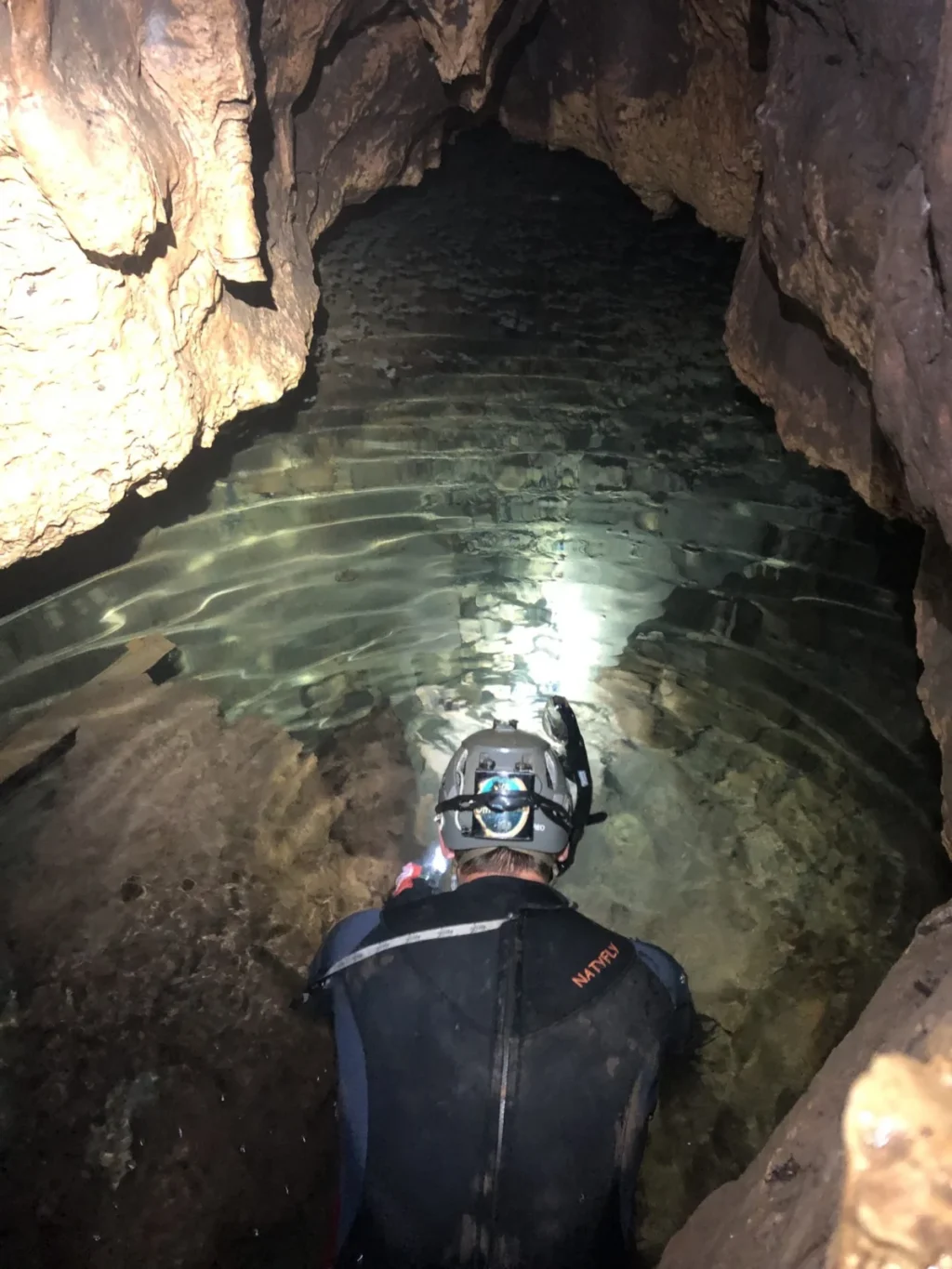
Deep beneath the rugged limestone terrain of Comal County, Texas, a subterranean network of water-filled caverns has long served as the lifeblood of the regional agricultural economy and local municipalities. However, recent explorations have revealed that these aquifers are more than just a source of groundwater; they are ancient archives that have preserved a remarkable record of the Pleistocene Epoch. A new study spearheaded by University of Texas at Austin paleontologist John Moretti and veteran explorer John Young has unveiled an unprecedented collection of megafauna fossils within Bender’s Cave, offering a rare glimpse into a prehistoric ecosystem that existed approximately 100,000 years ago.
The findings, recently published in the scientific journal Quaternary Research, document a diverse array of extinct species, including mastodons, giant ground sloths, and massive tortoises. Most notably, the discovery includes the remains of the pampathere, an armored relative of the modern armadillo that reached the size of a lion. These fossils represent a significant departure from previous paleontological records in Central Texas, potentially providing the first evidence of animal communities inhabiting the region during the last interglacial period—a warm interval between glacial advances.
Subterranean Paleontology: A Shift in Methodology
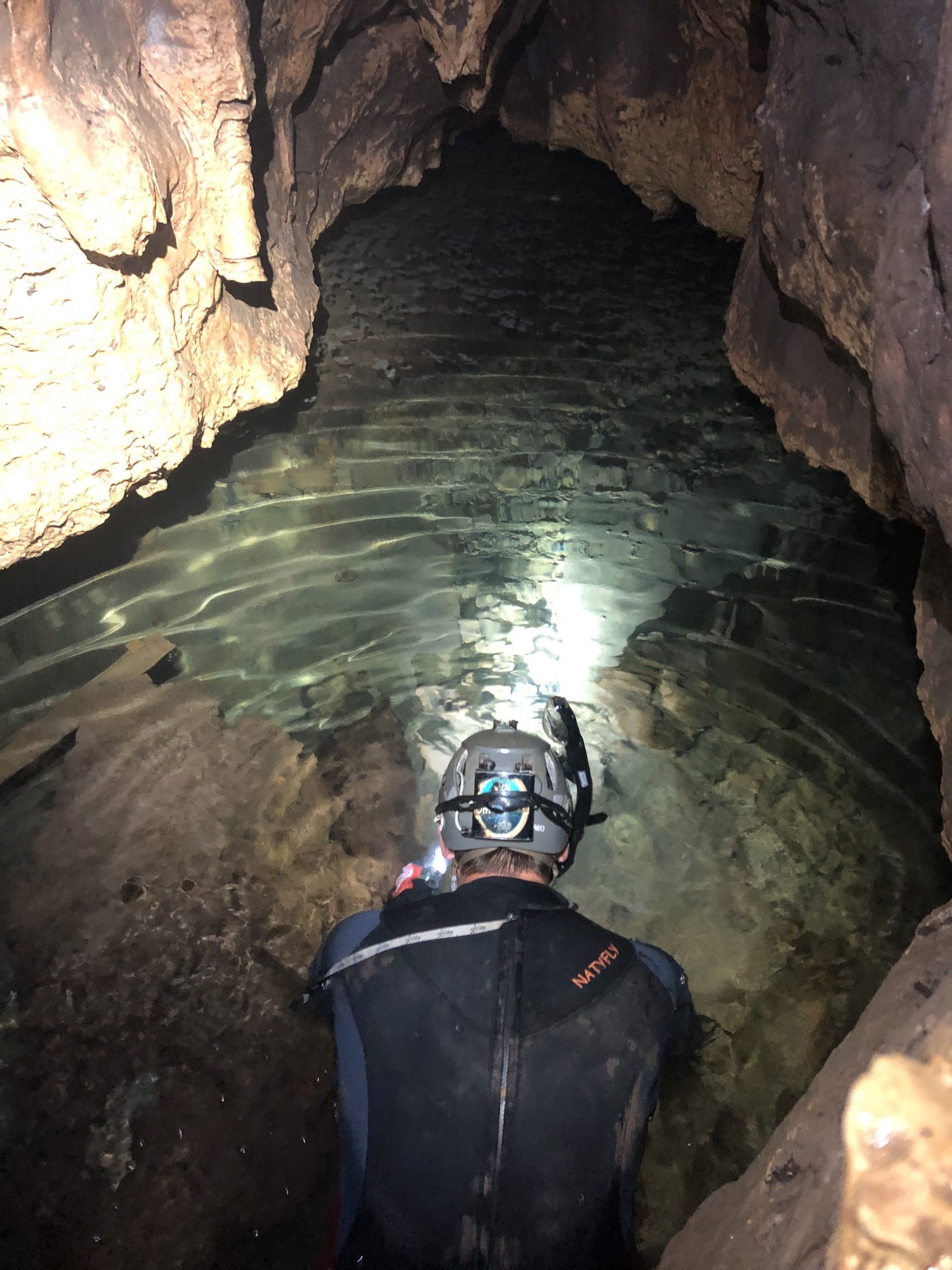
Traditional paleontological excavations typically involve the meticulous use of brushes, dental picks, and shovels in dry, sediment-rich environments. The research conducted at Bender’s Cave required a radically different approach. Because the cave is part of an active hydrological system, the research team traded heavy machinery for snorkels, wet suits, and diving goggles.
Bender’s Cave, located just north of San Antonio on the Edwards Plateau, is characterized by its fluctuating water levels. The cave’s interior is shaped by subterranean streams that rise and fall in response to regional rainfall and flooding. Over millennia, these natural processes have acted as a conveyor belt for biological remains. Sinkholes on the surface served as natural traps for large mammals, while erosion and runoff gradually transported their skeletal remains into the deeper recesses of the cave system.
According to John Moretti, the sheer density of the fossil deposits was staggering. Unlike many sites where researchers must sift through tons of earth to find a single tooth or bone fragment, the floor of Bender’s Cave was carpeted in mineralized remains. The fossils, polished to a smooth finish and stained a deep rust color by centuries of mineral-rich water, were often lying in plain sight on the cave floor. Between March 2023 and November 2024, Moretti and Young conducted six separate surveys, cataloging 21 distinct zones within the cave to ensure a comprehensive mapping of the site’s biological history.
The Pampathere and the Great American Biotic Interchange
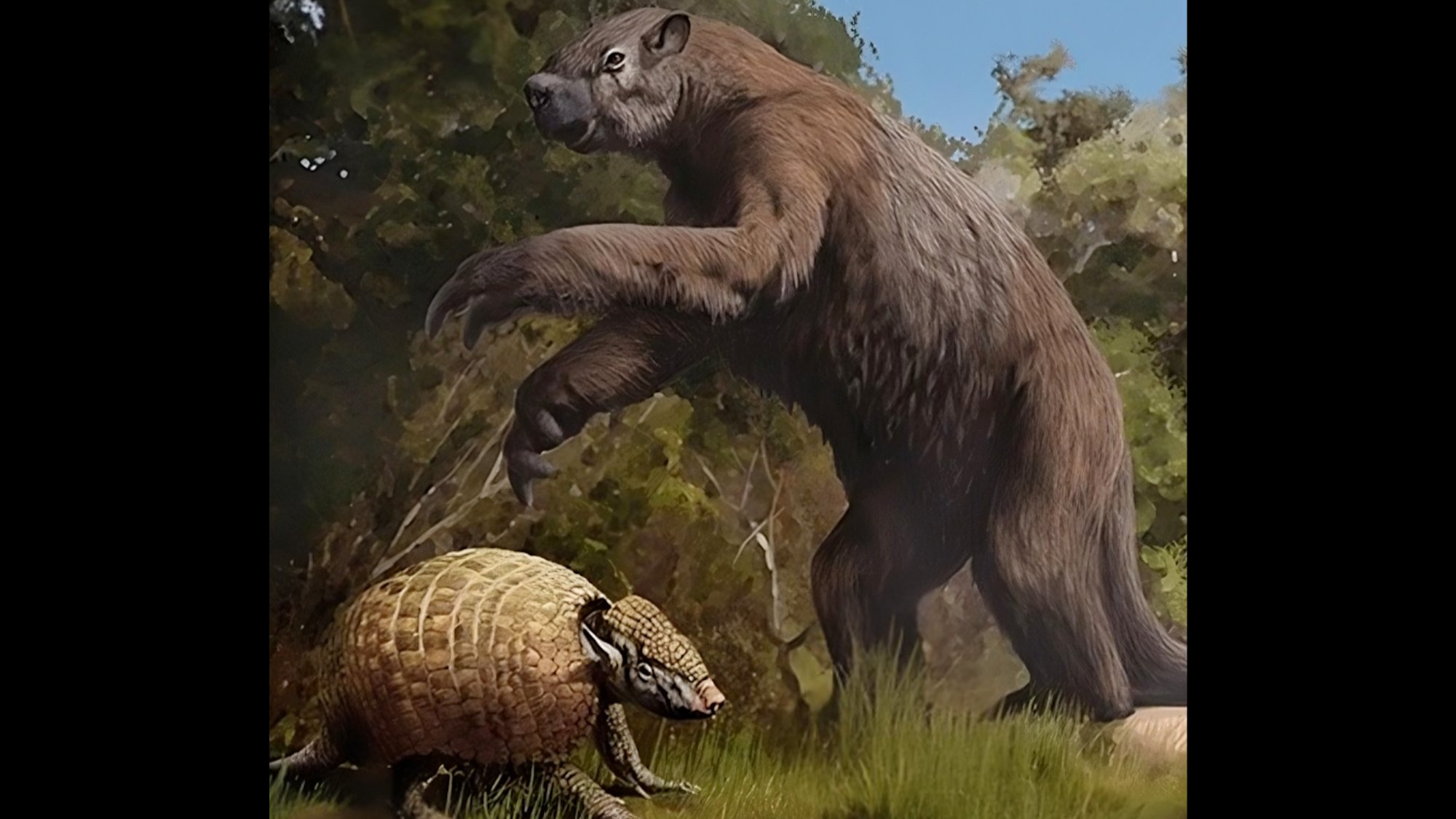
Among the most significant finds at the site was the pampathere (Holmesina), a creature that highlights the complex migratory history of the Americas. The pampathere is a member of the order Cingulata, which includes modern armadillos and the extinct glyptodonts. While today’s armadillos are relatively small, the Pleistocene pampathere was a formidable herbivore, with some adults estimated to weigh as much as 440 pounds (200 kilograms).
The presence of the pampathere in Central Texas is a direct result of the Great American Biotic Interchange, a pivotal paleozoogeographic event that occurred roughly 2.7 million years ago. Following the formation of the Isthmus of Panama, which bridged North and South America, various species migrated between the continents. The pampathere moved northward, eventually settling in the warmer, more humid regions of what is now the southern United States.
Unlike their modern descendants, which are largely insectivorous or omnivorous, the pampathere possessed specialized teeth and heavy jaws designed for processing coarse, abrasive vegetation. The discovery of these remains in Comal County provides crucial data on the northern extent of their range during the Late Pleistocene. The species eventually succumbed to extinction approximately 12,000 years ago, likely due to a combination of rapid climate shifts and the arrival of human hunters.
Supporting Findings: Mastodons, Sloths, and Giant Tortoises
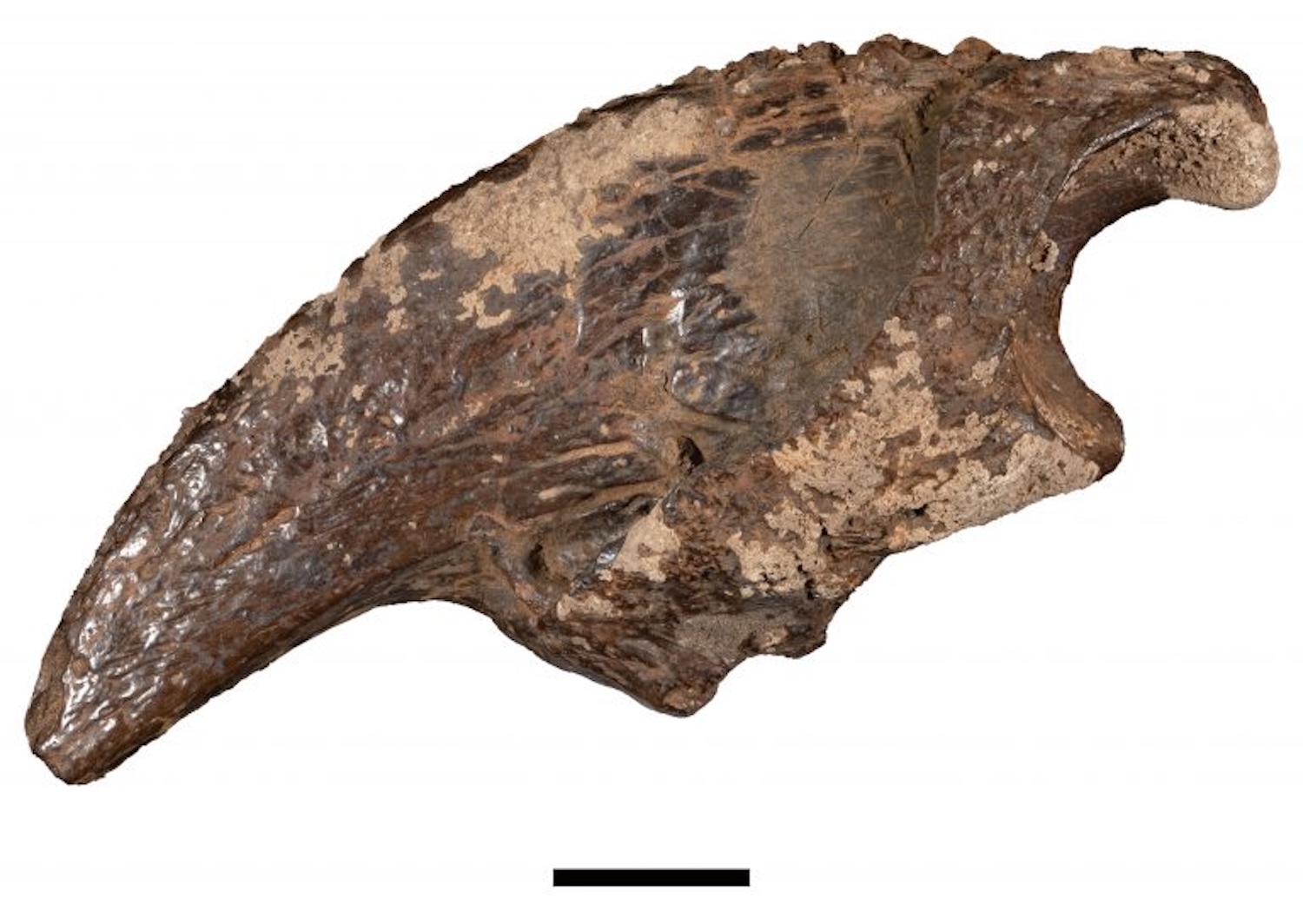
The faunal assemblage at Bender’s Cave was not limited to the pampathere. Researchers also recovered a fossilized claw from a giant ground sloth, likely of the genus Megalonyx. These sloths were massive browsers that played a critical role in the dispersal of large seeds across the North American landscape.
Additionally, the team identified the remains of mastodons (Mammut americanum). While often confused with mammoths, mastodons were shorter, stockier, and possessed distinctively shaped teeth suited for eating wood and leaves rather than the grasses favored by mammoths. The presence of mastodons suggests that the Central Texas environment of 100,000 years ago was likely more forested or scrub-heavy than the open grasslands often associated with the later Ice Age.
The discovery of giant tortoise remains further supports the theory that the climate was significantly warmer during this period. Large tortoises are highly sensitive to freezing temperatures; their presence indicates a climate where winters were mild enough for cold-blooded megafauna to survive year-round. This aligns with the geological consensus regarding the last interglacial period, known as the Eemian, when global temperatures were slightly higher than they are today.
Chronology and Geological Context of the Edwards Plateau
The Edwards Plateau, where Bender’s Cave is situated, is a massive uplifted region of karst limestone. This geology is instrumental in both the preservation of fossils and the management of Texas’s modern water resources. The karst landscape is riddled with cracks, fissures, and sinkholes that allow water—and occasionally surface debris—to penetrate deep into the earth.
The chronology of the finds at Bender’s Cave is currently estimated at 100,000 years, placing the site within the Late Pleistocene. While radiocarbon dating is a common tool for more recent fossils, the age of these remains may exceed the limits of carbon-14 dating (which is generally effective up to 50,000 years). Researchers are looking toward alternative methods, such as uranium-series dating of the flowstones and calcite formations surrounding the fossils, to confirm the exact age of the site.
If the 100,000-year estimate is verified, it would fill a significant gap in the Texas paleontological record. Most Pleistocene sites in the region date to the very end of the epoch, roughly 15,000 to 20,000 years ago, during the height of the last glacial maximum. Bender’s Cave provides a "window" into a much earlier and warmer phase of Earth’s history, allowing scientists to compare how animal communities reacted to different climatic stressors.
Analysis of Implications for Modern Ecology
The discovery at Bender’s Cave carries implications that extend beyond pure paleontology. By understanding how the megafauna of the Pleistocene navigated climate shifts, modern ecologists can better predict how current species might respond to contemporary global warming. The transition from the warm interglacial period to the subsequent glacial cooling likely forced many of the species found in the cave to migrate or adapt their diets.
Furthermore, the study emphasizes the importance of protecting karst cave systems. These underground environments are not only vital for the Edwards Aquifer, which provides water to millions of Texans, but they are also fragile repositories of natural history. The mineralization process that turned the Bender’s Cave bones into rust-colored fossils requires stable chemical conditions within the groundwater. Disruptions to the aquifer—whether through over-extraction or pollution—could potentially destroy unrecovered records of the past.
Official Reactions and Future Research Directions
John Moretti has emphasized that the work at Bender’s Cave is far from complete. The initial surveys have only scratched the surface of what the subterranean stream might hold. "This site is showing us something different, and that’s really important because of all the work that’s been done in this region," Moretti stated. He noted that the unique conditions of the cave have preserved a "community" of animals rather than isolated individuals, allowing for a more holistic view of the prehistoric environment.
The research has garnered interest from the broader scientific community, as it challenges the existing narrative of Central Texas as a primarily glacial-era fossil repository. Plans are currently being developed for more intensive underwater mapping and the use of remote sensing technology to identify potential fossil pockets hidden behind narrow passages or submerged debris.
As researchers continue to analyze the samples recovered from the 21 survey zones, the focus will shift toward a microscopic analysis of the fossils. By examining the isotopes preserved in the teeth of the pampathere and mastodon, scientists hope to reconstruct the exact types of plants these animals were consuming, providing a high-resolution map of the vegetation that covered Comal County 100,000 years ago.
The Bender’s Cave discovery serves as a potent reminder that even in well-studied regions like Central Texas, significant portions of Earth’s history remain hidden just beneath the surface, waiting for the right combination of exploration and scientific inquiry to be brought to light. For now, the rust-colored bones of lion-sized armadillos and giant sloths stand as silent witnesses to a Texas that was once a lush, subtropical frontier.