



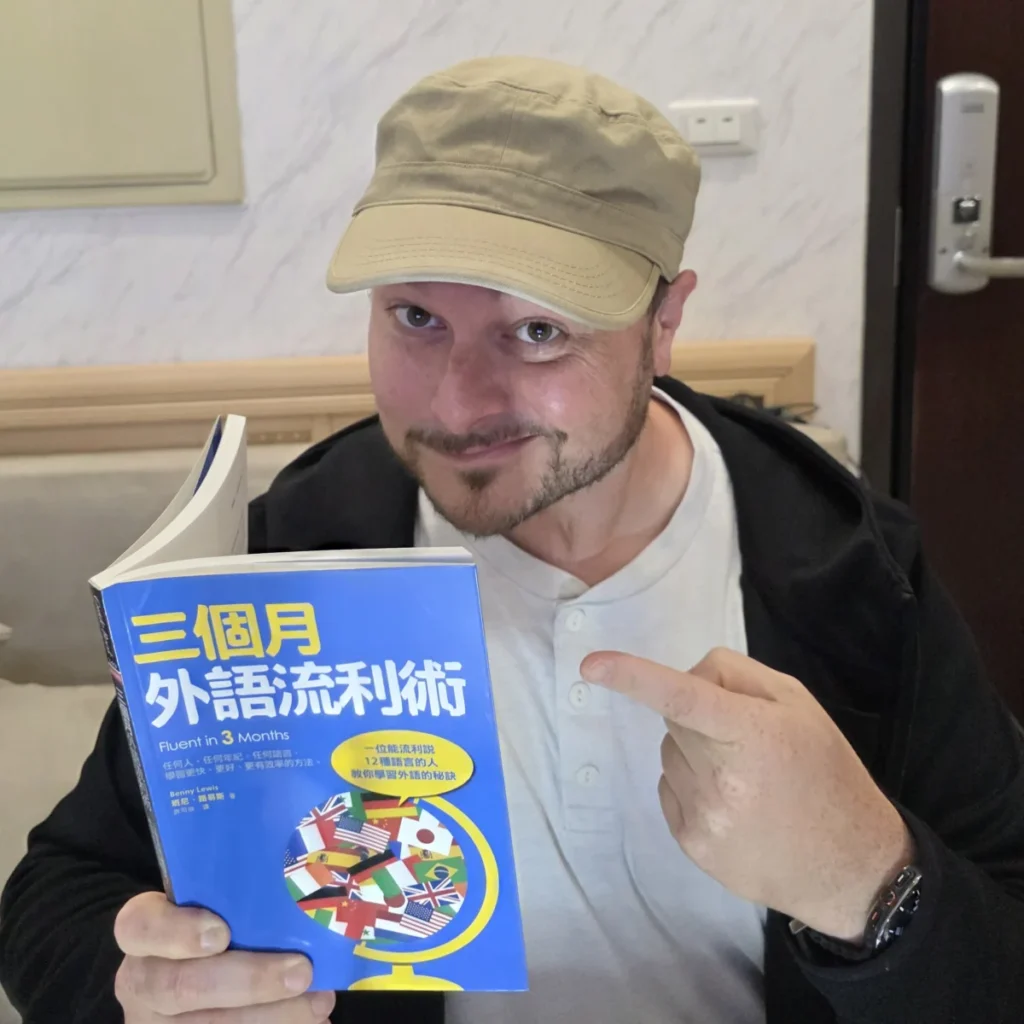
Benny Lewis, the Irish polyglot and founder of the global language-learning platform Fluent in 3 Months, has officially returned to Taipei, Taiwan, to initiate a comprehensive revitalization of his Mandarin Chinese skills. This move marks a significant cyclical return for Lewis, occurring 14 years after his initial 2012 "Mandarin Mission," a project that became one of the most scrutinized and debated case studies in the modern language-learning community. The current initiative represents a strategic shift from rapid acquisition to long-term maintenance and cultural immersion, reflecting broader trends in adult language education and the evolving landscape of digital content creation.
Historical Context: The 2012 Mandarin Mission and Subsequent Decline
In 2012, Lewis embarked on an intensive three-month project in Taiwan, followed by two months of travel across mainland China. The objective was to demonstrate the efficacy of his "speak from day one" philosophy applied to a Category IV language—a classification used by the U.S. Foreign Service Institute (FSI) to denote languages that are exceptionally difficult for native English speakers. At the conclusion of that five-month period, Lewis’s spoken proficiency was independently evaluated at a B1 level on the Common European Framework of Reference for Languages (CEFR).
The CEFR B1 level, often described as "lower intermediate," signifies that a learner can understand the main points of clear standard input on familiar matters and can deal with most situations likely to arise while traveling in an area where the language is spoken. While the 2012 project was successful in achieving functional independence—allowing Lewis to study Kung Fu in rural fishing villages and conduct interviews with television presenters—the project was not without controversy. Critics within the linguistic community questioned the sustainability of such rapid progress and the "fluency" branding associated with the platform.
In the decade following the initial project, Lewis reported a gradual decline in his Mandarin capabilities. Aside from a brief period of intensive study while co-authoring the "Language Hacking Mandarin" course, his usage of the language was relegated to sporadic interactions at international language exchange events. This phenomenon, known in linguistics as "language attrition," occurs when a learner lacks consistent "comprehensible input" and "output opportunities," leading to the erosion of vocabulary and grammatical precision.
Regional Catalysts and the Decision to Return
The impetus for Lewis’s return to Taipei was not a predetermined academic schedule but rather a result of regional travel through Malaysia in early 2024. During a two-month journey across the Malay Peninsula, Lewis encountered the significant Chinese diaspora that constitutes approximately 22.6% of the Malaysian population. The prevalence of Mandarin among this demographic, alongside a high volume of tourists from mainland China, served as a linguistic catalyst.
Market data suggests that Mandarin is increasingly becoming a lingua franca in Southeast Asian tourism and commerce. This regional reality prompted Lewis to pivot his focus from Malay back to Mandarin. The decision to relocate to Taipei specifically was driven by the city’s unique linguistic environment, which offers a blend of traditional cultural heritage and modern urban infrastructure, providing an ideal laboratory for immersion.
The 2024 Pedagogical Framework: A Multimodal Approach
Lewis’s current routine in Taipei serves as a contemporary blueprint for intermediate-level language maintenance. Unlike the 2012 mission, which focused heavily on social survival, the 2024 approach utilizes a structured, multimodal framework designed to address specific "plateaus" common in intermediate learners.
1. Grammatical Refinement and Script Hybridization
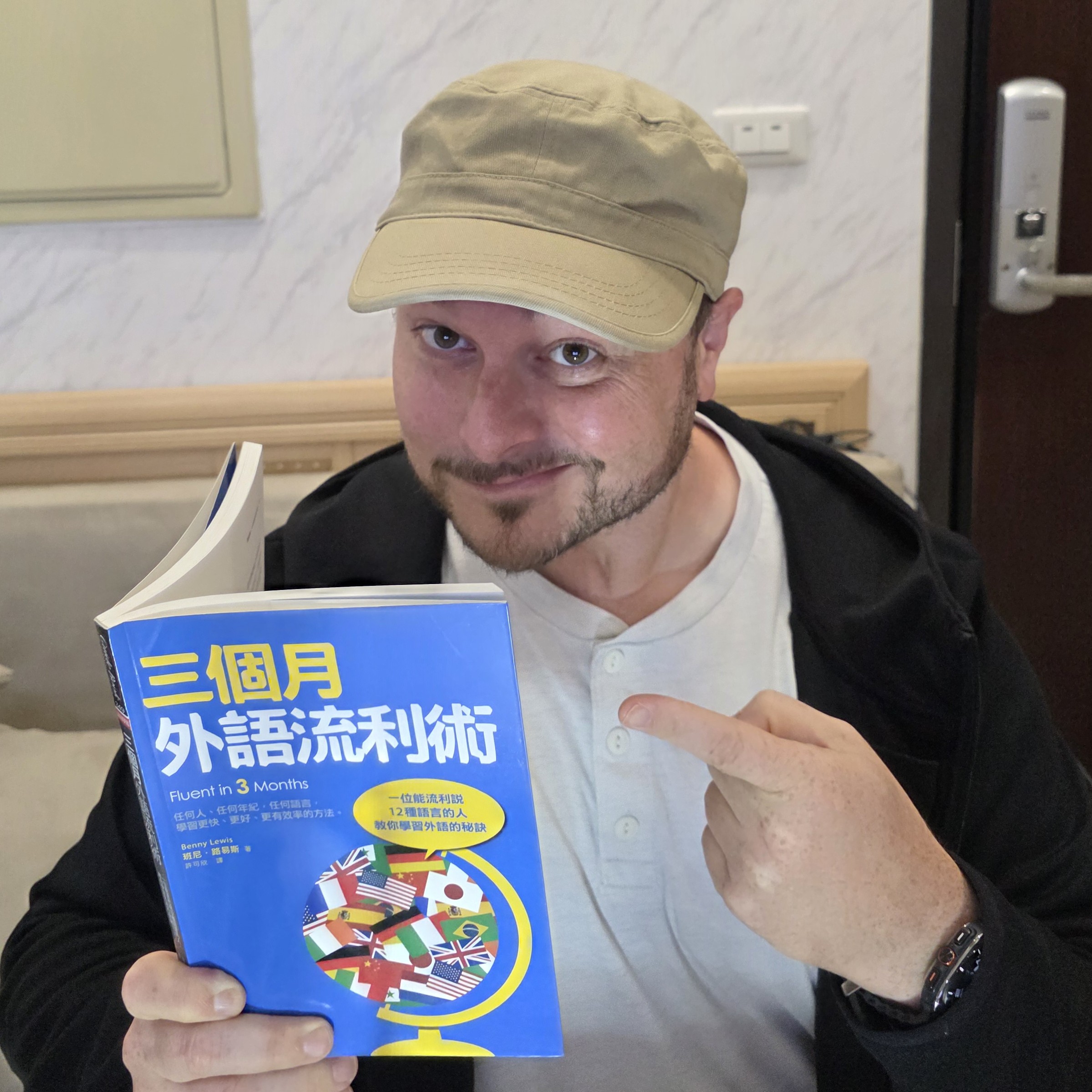
For the current project, Lewis has incorporated formal grammar study, a move he typically discourages for absolute beginners. At the intermediate stage, however, the objective shifts from basic communication to "naturalness" and structural accuracy. The curriculum utilizes texts that accommodate the linguistic nuances of Taiwanese Mandarin while providing exposure to both Traditional characters (used in Taiwan and Hong Kong) and Simplified characters (used in mainland China and Singapore).
2. Spaced Repetition Systems (SRS) and Digital Archeology
A cornerstone of the routine involves the use of Anki, a flashcard application based on the "spaced repetition" algorithm. Lewis has recovered personal decks created during his 2012 lessons, some of which required technical conversion from obsolete file formats. This "digital archeology" allows for the re-learning of vocabulary that is uniquely relevant to the learner’s personal history and conversational style, which is often more effective than using standardized public decks.
3. Human-AI Hybrid Instruction
The pedagogical strategy leverages a combination of professional human tutors via platforms like Preply and emerging AI-driven conversation tools. This hybrid model addresses the economic and logistical challenges of high-frequency tutoring. While human teachers provide cultural context and nuanced feedback, AI tools offer low-stakes environments for repetitive practice, helping to overcome the "rustiness" associated with long-term attrition.
4. Physiological Integration
Notably, Lewis has integrated a rigorous physical fitness regimen into his language study, involving daily 90-minute runs. Scientific research, including studies published in journals such as Frontiers in Psychology, suggests a positive correlation between aerobic exercise and cognitive functions like memory retention and executive function. Lewis reports a 25kg (55lb) weight loss since the pandemic, framing physical health as a foundational component of his cognitive performance in language acquisition.
Navigating the Linguistic Landscape of Taipei
Taipei presents a distinct challenge for Western language learners due to the varying levels of English proficiency among the local population. While the EF English Proficiency Index ranks Taiwan as having "moderate proficiency," Lewis observes that in daily transactional environments—such as postal services, local restaurants, and cafes—Mandarin remains the essential medium of communication.
He highlights the "Starbucks test," noting that even in international chains, English is not always a viable fallback. This lack of an English "safety net" in local neighborhoods acts as a forced immersion mechanism, preventing the "lazy" habits often developed in more westernized global hubs like Singapore or Hong Kong.
However, the social immersion aspect remains a challenge. Lewis notes that many language exchange events in Taipei utilize a "sit-down" format, which can be intimidating for intermediate learners in noisy environments. The inability of some native speakers to "code-switch" or simplify their speech for non-natives can lead to a communicative disconnect, occasionally forcing learners to revert to other practiced languages like Spanish or French to maintain social momentum.
The "Deep Travel" Expansion: Beyond the Taipei Bubble
The next phase of the project involves an expansion into "deep travel"—a methodology focused on exploring rural and less-frequented provinces. Lewis plans to spend several weeks traveling throughout regional Taiwan, where English prevalence is significantly lower than in the capital.

This strategy mirrors his previous large-scale projects, such as visiting every state in Brazil and every province in South Korea. The objective of deep travel is twofold: it serves as a high-stakes testing ground for linguistic competency and provides a more authentic understanding of the country’s internal diversity. By removing himself from the internationalized environment of Taipei, Lewis aims to solidify his Mandarin through necessity-based interactions.
Industry Implications: Blogging in the Era of AI and Search Evolution
The announcement of the Mandarin project also signals a strategic shift in the editorial philosophy of the Fluent in 3 Months platform. Lewis addresses a growing crisis in the digital publishing industry: the rise of "AI slop" and the impact of Google’s AI-generated search snippets.
From 2013 to 2023, many language-learning blogs focused on SEO-optimized "how-to" articles. However, with search engines now extracting that information to provide direct answers on search results pages, traffic to original creators has diminished. In response, Lewis is returning to a "human-first" narrative style. This approach prioritizes personal experience, travelogues, and subjective challenges—content that AI models cannot authentically replicate because it is rooted in real-world physical presence and unique human interaction.
"In the age of AI, I think we need more personal experiences of actual humans in the world," Lewis stated, acknowledging that while bots will continue to scrape his data for training, the value for the reader lies in the lived authenticity of the journey.
Conclusion and Broader Impact
Benny Lewis’s return to Mandarin study in Taiwan is more than a personal refresher course; it is a reflection of the modern adult learner’s journey in a technologically saturated world. It highlights the reality that language learning is not a one-time achievement but a lifelong process of maintenance and re-engagement.
As Lewis moves from the cafes of Taipei to the rural corners of the island, his progress will likely serve as a benchmark for how experienced polyglots navigate the complexities of intermediate-level plateaus and the shifting dynamics of global travel. For the broader language-learning community, the project underscores a vital lesson: the most effective tools are not just apps or books, but the willingness to return to the "beginner’s mind" and engage directly with the world, regardless of how many years have passed.