


The cataclysmic eruption of Mount Vesuvius in 79 CE remains one of the most documented and studied natural disasters in human history, having effectively frozen the Roman cities of Pompeii and Herculaneum in a state of suspended animation. While the plaster casts of victims and the remarkably preserved frescoes have long dominated the public imagination, modern archaeological techniques are now peering into the microscopic remnants of daily life to reconstruct the sensory and economic realities of the Roman Empire. A groundbreaking study recently published in the journal Antiquity has utilized biomolecular analysis to investigate the ash residues found within ancient incense burners, uncovering evidence of sophisticated ritual practices and a sprawling international trade network that connected the Bay of Naples to the far reaches of Africa and Asia.
The research, led by Johannes Eber of the University of Zurich and Maxime Rageot of the University of Bonn, focuses on the chemical signatures left behind in terracotta burners recovered from domestic altars. By identifying the specific substances ignited during the final hours of the city, the team has provided the first scientific confirmation of the luxury ingredients used in Roman private worship. The findings reveal that the residents of Pompeii were not merely utilizing local flora for their devotions but were active consumers of high-value imported resins, illustrating the city’s role as a nexus of global commerce during the first century CE.
The Chronology of Destruction and Discovery
To understand the significance of these chemical residues, one must consider the timeline of the Vesuvius eruption and the subsequent history of Pompeiian excavation. On a mid-August or October day in 79 CE—the exact date remains a subject of scholarly debate—Vesuvius unleashed a multi-phase eruption. The initial Plinian phase sent a column of ash and pumice 20 miles into the stratosphere, which then began to rain down upon Pompeii, collapsing roofs and trapping residents. This was followed by pyroclastic surges—fast-moving clouds of hot gas and volcanic matter—that instantly killed those remaining and encased the city in a protective tomb of volcanic debris.
For nearly 1,700 years, Pompeii lay undisturbed until its accidental rediscovery in the 18th century. Early excavations were primarily focused on the recovery of statues, jewelry, and wall paintings, often discarding organic materials and "dirt" that modern scientists now find invaluable. It was not until the 20th century, particularly under the direction of Vittorio Spinazzola and later Amedeo Maiuri, that archaeologists began to pay closer attention to the context of domestic life, including the lararia (household shrines) where incense burners were frequently found.
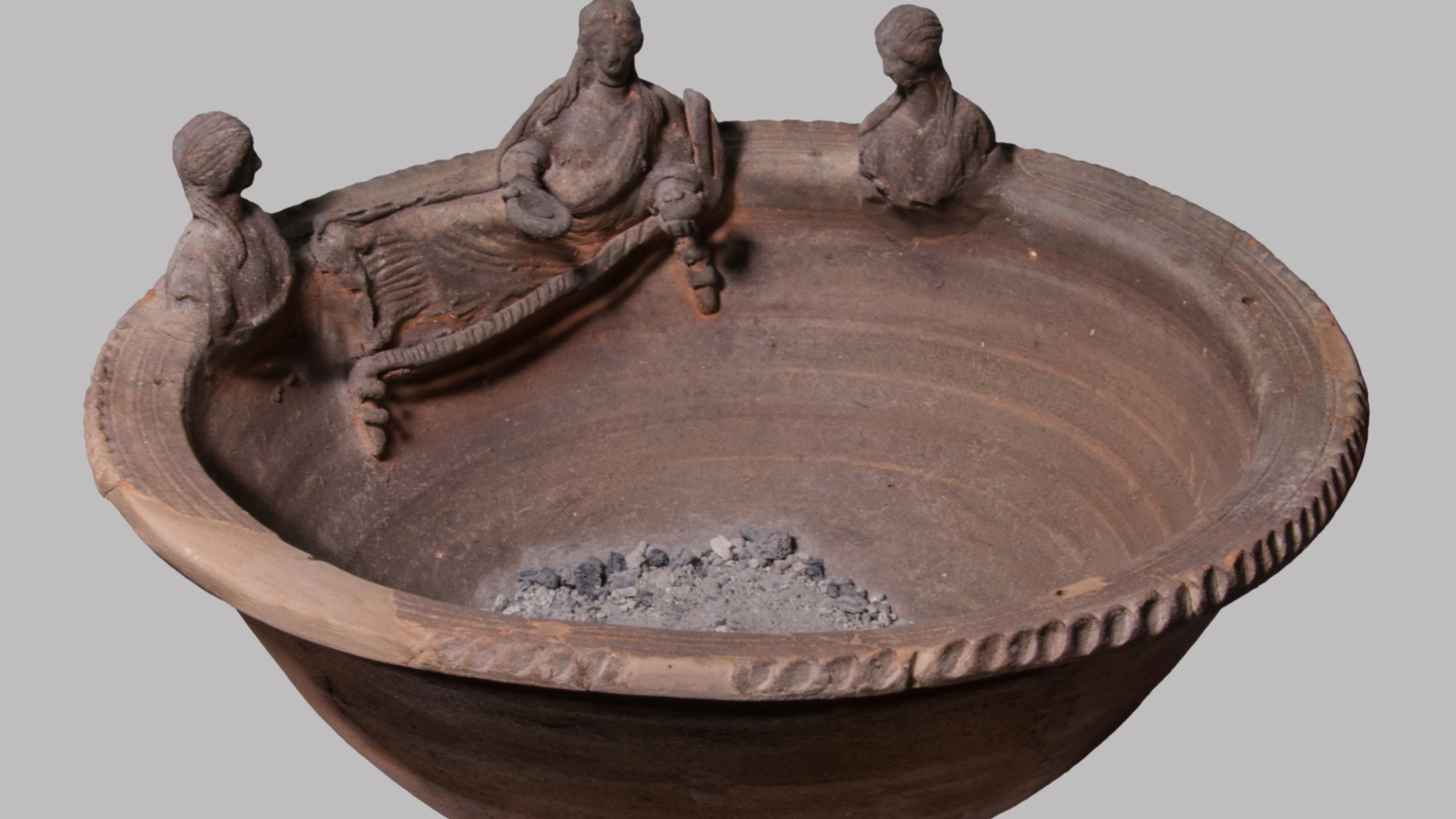
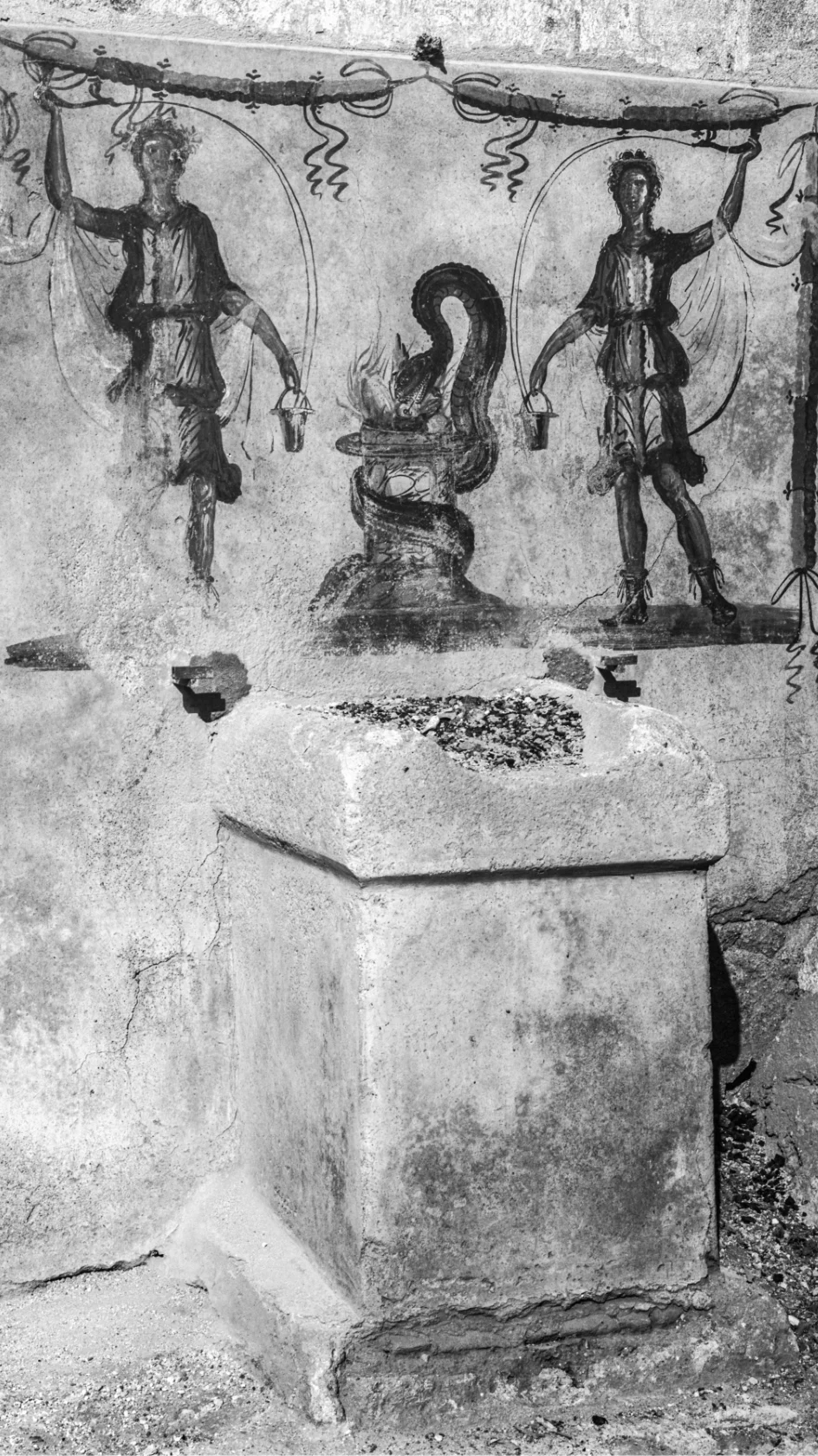
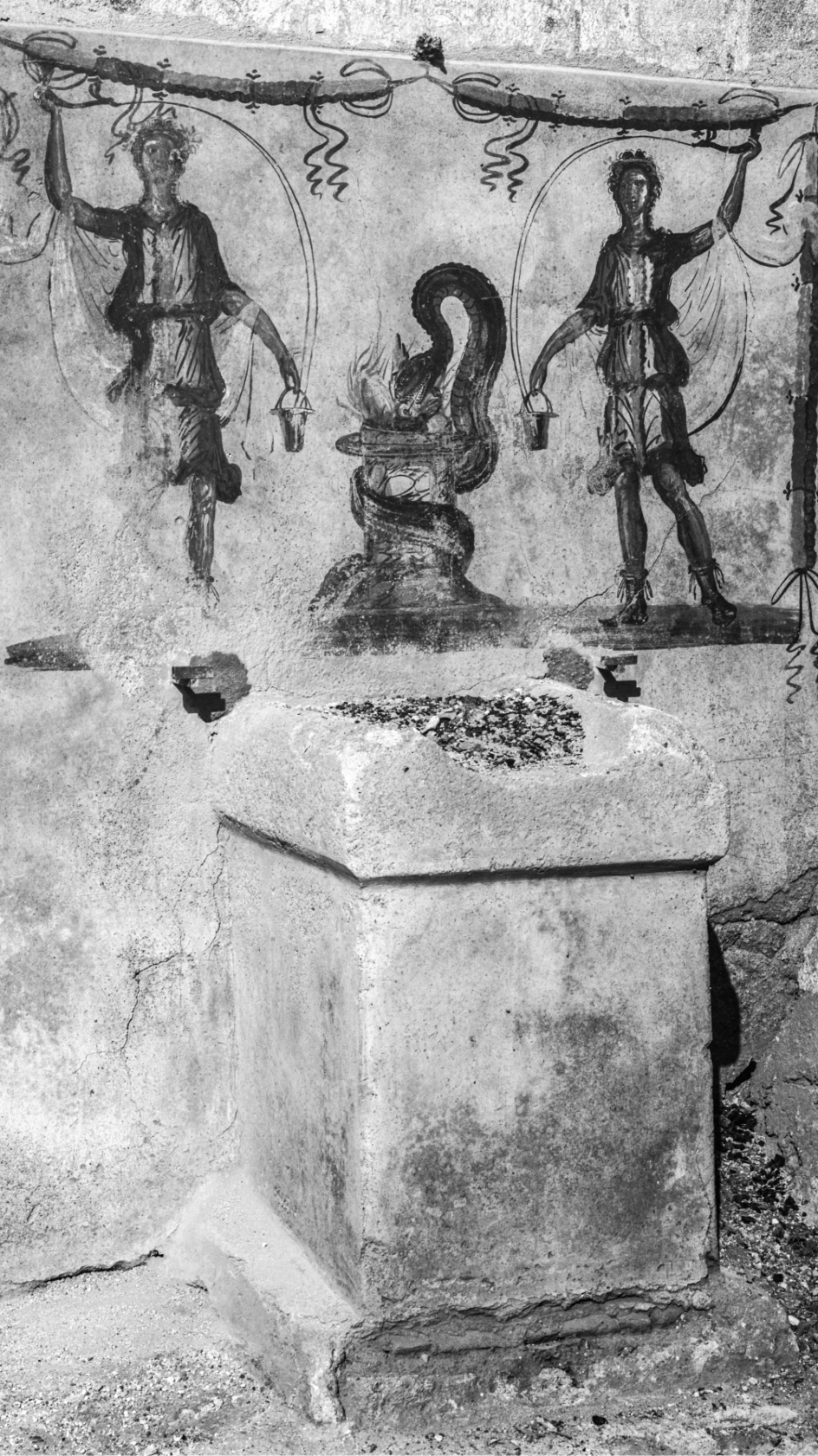
The specific artifacts analyzed in the recent study were recovered from a domestic setting in Pompeii and a nearby luxury villa. These burners were essentially in situ, containing the ash of the very last sacrifices performed before the city was overwhelmed. In 1915, photographs of street altars already showed ash residues, but the technology required to analyze these substances at a molecular level did not exist until the late 20th and early 21st centuries. The current study represents the culmination of decades of advancement in biomolecular archaeology.
Scientific Methodology: Decoding the Ash
The researchers employed advanced analytical techniques, likely including gas chromatography-mass spectrometry (GC-MS), to separate and identify the chemical compounds preserved within the porous terracotta and the compacted ash. Because the volcanic material sealed the burners almost immediately after the eruption, the volatile organic compounds were shielded from the degradative effects of oxygen and bacteria for two millennia.
The analysis looked for "biomarkers"—specific molecules that act as fingerprints for certain plants or substances. For example, certain triterpenoids are characteristic of specific tree resins, while tartaric acid is a primary indicator of grape products. By comparing the samples from the Pompeiian burners against a database of known botanical signatures, the team was able to reconstruct the "recipe" of the incense burned in these domestic rituals.
Key Findings: Exotic Resins and Ritual Libations
The most striking discovery was the presence of tree resins that are not native to the Italian peninsula or the Mediterranean basin. The chemical signatures point toward resins sourced from tropical regions of East Africa or Southern Arabia, and potentially as far as Southeast Asia. These substances, which likely included frankincense (Boswellia) or myrrh (Commiphora), were among the most expensive commodities in the ancient world.
The trade in these resins was a massive enterprise involving camel caravans across the Arabian Peninsula and maritime routes through the Red Sea and the Indian Ocean. The presence of these materials in a standard domestic burner in Pompeii suggests that even middle-class or moderately wealthy Roman households had access to global luxury goods. This reinforces the concept of the Pax Romana as a period of unprecedented economic integration.
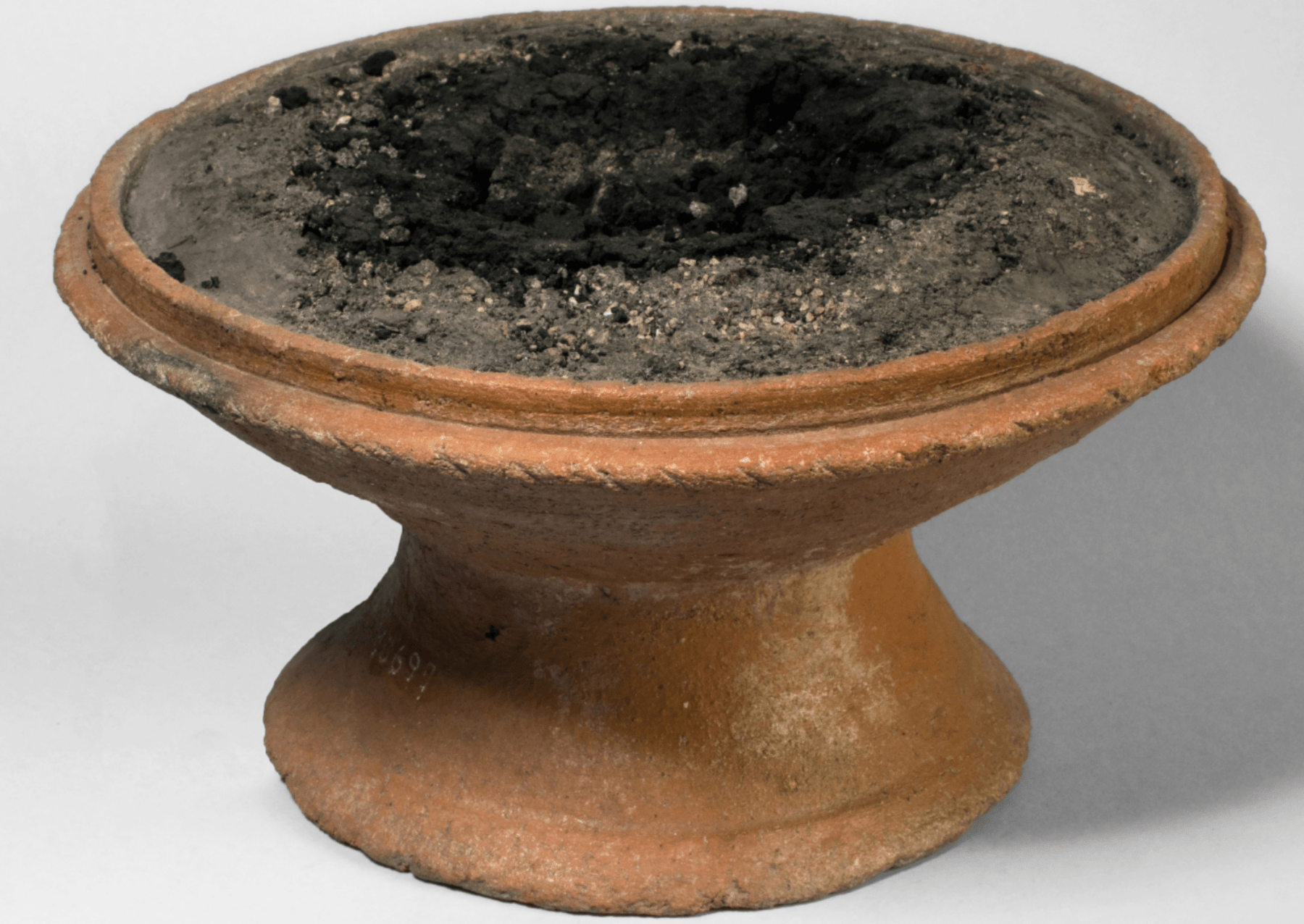
In addition to the exotic resins, the researchers identified markers for grape-derived products in one of the burners. This finding aligns perfectly with historical accounts and artistic depictions of Roman rituals. In Roman domestic religion, it was common to offer a libatio (libation) of wine to the gods. The wine would be poured onto the altar or into the burner, where it would evaporate and mingle with the smoke of the incense. The molecular evidence provides a physical bridge between the literary descriptions of Roman life and the archaeological record.
The Context of the Roman Domestic Cult
To appreciate why these findings matter, one must understand the role of the lararium in Roman society. Unlike modern religious practices which are often centralized in churches or temples, Roman religion was deeply rooted in the home. Every house had a shrine dedicated to the Lares (guardian spirits of the household), the Penates (gods of the pantry), and the Genius (the guiding spirit of the head of the family).
Daily prayers and small sacrifices were a fundamental part of maintaining the pax deorum—the peace of the gods—within the family unit. The burning of incense served two purposes: it was a pleasing aroma offered as a gift to the divine, and it acted as a sensory signal that a sacred act was occurring. The use of expensive, imported incense was a way for a family to demonstrate its piety and its social status. A house filled with the scent of Arabian frankincense signaled to both gods and guests that the inhabitants were people of means and devotion.
Official Responses and Expert Analysis
The study has been met with enthusiasm by the broader archaeological community. Johannes Eber, the study’s lead author, emphasized that these findings allow researchers to "pinpoint" the exact sensory environment of a Roman home. He noted that the transition from general archaeological observation to specific molecular data is transforming our understanding of the ancient world.
Maxime Rageot, the biomolecular archaeologist from the University of Bonn, highlighted the importance of interdisciplinary collaboration. According to Rageot, the detection of grape products validates the accuracy of ancient Roman texts, such as those by Pliny the Elder, who wrote extensively about the natural world and Roman customs. This synergy between "hard science" and the humanities is increasingly becoming the gold standard for archaeological research.
The management of the Pompeii Archaeological Park has also integrated these findings into their broader conservation and exhibition strategy. A new permanent exhibition at the park is now focusing specifically on organic remains—wooden furniture, carbonized food, and plant residues—to provide visitors with a more holistic view of the city’s life. Gabriel Zuchtriegel, the director of the park, has frequently advocated for a "living history" approach, where the minute details of daily existence are given as much weight as the grand architecture.
Broader Impact and Future Implications
The implications of this study extend beyond the city limits of Pompeii. It serves as a proof of concept for the "sensory turn" in history and archaeology—a movement that seeks to reconstruct how ancient people experienced their world through sight, sound, and particularly smell. By identifying the specific fragrances of the Roman world, scientists are opening the door to "experimental archaeology," where these ancient scents could potentially be recreated for educational and museum purposes.
Furthermore, the study underscores the resilience of chemical data. Even after being subjected to the intense heat of a volcanic eruption and buried for two thousand years, the molecular record remains intact. This suggests that other sites buried by Vesuvius, such as Oplontis and Stabiae, may hold similar secrets waiting to be unlocked by biomolecular tools.
As researchers continue to analyze the organic residues of the past, the picture of Pompeii shifts from a city of white marble and grey ash to one of vibrant colors and complex aromas. The incense burners, once seen as mere terracotta bowls, are now recognized as vessels of global connectivity, carrying the scents of African forests and Asian trade routes into the heart of the Roman home. This research not only enriches our knowledge of Roman ritual but also serves as a reminder of the enduring human desire to connect with the divine through the most precious materials the world has to offer.