
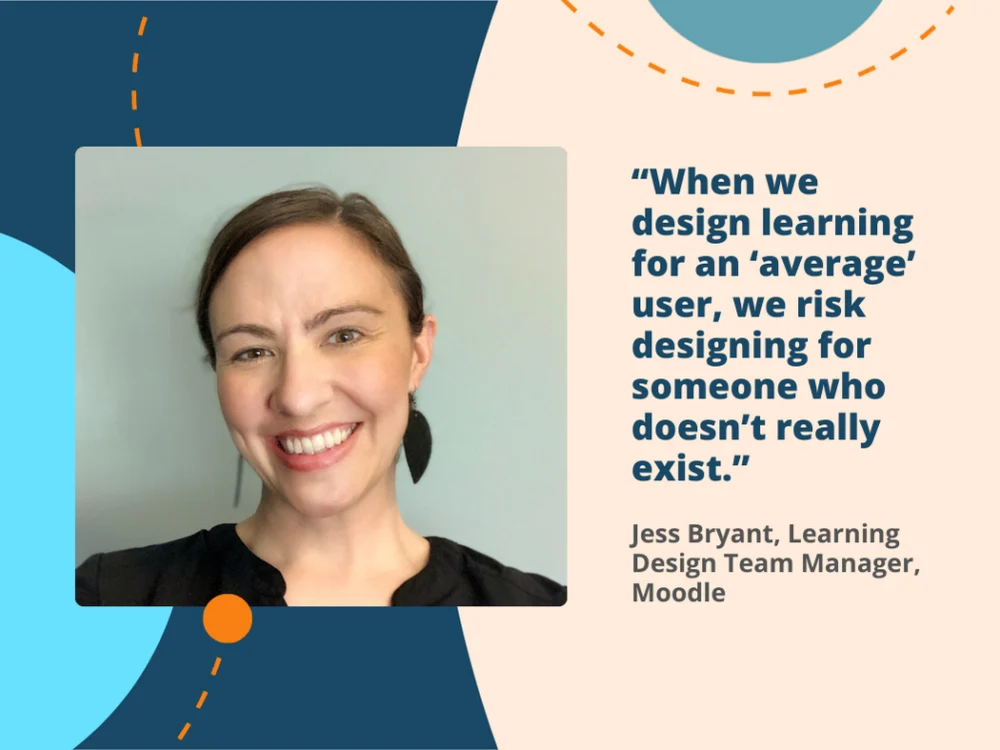
The launch or significant reshaping of a learning management system (LMS) presents a complex challenge for organizations, demanding careful consideration of diverse user expectations, engagement targets, and project deadlines. In this high-stakes endeavor, the emphasis often falls on content perfection, yet the environment in which learning occurs plays an equally crucial role in shaping the learner experience. Jess Bryant, Learning Design Team Manager at Moodle, emphasizes that true inclusivity and effectiveness stem from thoughtful design choices that acknowledge the varying digital confidence, connectivity, and prior experiences of every learner. This approach moves beyond the myth of the "average" user to embrace the reality of diverse learning needs.
The Illusion of Universal Access in Digital Learning
Online learning platforms, at first glance, appear universally accessible. Registered users can log in, access courses, and participate in activities from virtually any location. However, this superficial availability does not guarantee a consistent or equitable learning experience. Learners who are already proficient with virtual learning systems often progress rapidly, while those facing challenges such as limited technological access, insufficient digital literacy, or a lack of social support can be left behind.
"When we design learning for an ‘average’ user, we risk designing for someone who doesn’t really exist," explains Jess Bryant. "People engage with learning in very different ways depending on their circumstances." This disparity highlights the concept of "digital capital," a term encompassing an individual’s access to technology, their experience with online learning environments, and the social support systems available to them. Research indicates that learners with lower levels of digital capital tend to exhibit lower engagement rates and progress at a slower pace compared to their peers with higher digital capital. This gap can significantly impact employee development and organizational productivity.
Rethinking Design for Inclusivity and Engagement
Addressing this "learning gap" requires a fundamental re-evaluation of how learning environments are designed. While a complete LMS overhaul might be necessary in some instances, transformative improvements can often be achieved through smaller, deliberate design choices. These adjustments can profoundly enhance learner engagement and ensure that the learning environment feels intuitive and relevant to a broader audience.
"Simple changes in the way we design courses can make a surprisingly large impact on learner engagement," Bryant notes. "When the learning environment feels intuitive and relevant, people are far more likely to connect with content and keep coming back." For instance, implementing clearer course structures helps busy employees quickly understand expectations and navigate learning pathways. Similarly, offering flexible course formats that are compatible with a wide range of devices empowers learners to engage with material in ways that best suit their schedules and personal circumstances.
Predictable navigation across the entire learning platform and straightforward instructions for activities and assignments are other often-overlooked elements that can significantly reduce learner frustration and build confidence. By removing guesswork and providing a clear, supportive framework, organizations can foster a more positive and productive learning experience for all.
Embracing Universal Design for Learning (UDL) in the Workplace
A powerful framework for creating more inclusive learning environments is Universal Design for Learning (UDL). Originally developed by CAST (Center for Applied Special Technology), UDL principles encourage designers to build flexibility into learning from the outset, rather than attempting to retrofit accommodations later. The UDL Guidelines advocate for providing multiple means of engagement, representation, and action and expression.
"By keeping UDL in mind, we can design for variability from the beginning," Bryant states. "Rather than adapting a course later for learners who are struggling, we create learning experiences that work for a wider range of people from day one." This proactive approach acknowledges that learners possess diverse backgrounds, motivations, and levels of confidence.
While UDL originated in educational settings, its principles translate seamlessly into workplace learning. Applying UDL in the workplace does not necessitate a complete overhaul of existing LMS infrastructure. Instead, it involves making intentional choices that cater to learner variability. For example, offering learning materials in multiple formats, such as short videos alongside written summaries, allows learners to choose the method that best suits their learning style and preferences.
Similarly, recognizing that individuals demonstrate their learning in different ways is crucial. Providing diverse assessment options, such as quizzes, knowledge checks, reflective discussions, or applied tasks, allows all learners to showcase their understanding effectively. This approach ensures that learning opportunities are not limited by a single mode of engagement or demonstration.
The Broader Impact: When Learning Works for Everyone
When learning environments are designed with variability and inclusivity in mind, the challenge of launching or transforming an LMS shifts from creating a "perfect" course to building an environment where every individual has the opportunity to succeed. This human-centered approach not only enhances individual learning but also contributes to the overall value and effectiveness of the organization.
Moodle, a leading open-source learning platform, has been actively involved in promoting these principles. The organization recently collaborated with a group of experts to develop a comprehensive resource titled "Bridging the Hidden Learning Gap." This guide delves into how thoughtful learning design, accessibility, and human-centered strategies can be leveraged to create learning environments that employees are eager to use. It offers expert guidance, practical strategies, and actionable ideas applicable to both new platform launches and existing system refinements.
"When learning is designed with real people in mind, it doesn’t just become more accessible – it becomes more valuable for the organization as a whole," Bryant concludes. By prioritizing inclusive design, organizations can foster a more skilled, engaged, and adaptable workforce, ultimately driving business success.
The implications of adopting such inclusive design principles are far-reaching. For organizations, it translates to increased employee proficiency, higher retention rates, and a more agile response to evolving industry demands. For learners, it means a more empowering and effective educational journey, fostering a lifelong love of learning and professional growth.
Data Supporting Inclusive Design
The impact of inclusive design on learner outcomes is increasingly supported by data. A 2022 study by the eLearning Industry found that 74% of learners are more likely to complete a course if it offers flexible learning options. Furthermore, research published in the Journal of Educational Psychology in 2023 indicated that learners in UDL-aligned environments reported significantly higher levels of self-efficacy and motivation compared to those in traditional settings. These findings underscore the tangible benefits of moving away from a one-size-fits-all approach to learning design.
Background and Context
The push for more inclusive learning environments has gained significant momentum in recent years, driven by a growing awareness of digital equity issues and the diverse needs of modern workforces. The COVID-19 pandemic, which necessitated a rapid shift to remote and online learning, brought these disparities into sharp focus. Organizations realized that simply providing access to technology was insufficient; the design of the learning experience itself was critical to ensuring equitable participation and successful outcomes. Moodle, as an open-source platform, is uniquely positioned to champion these principles, offering flexibility and adaptability to meet a wide range of organizational needs and learner profiles.
Timeline of Development and Adoption
The principles of Universal Design for Learning (UDL) have been evolving since the 1990s, with significant contributions from organizations like CAST. The application of these principles in workplace learning has seen a more recent surge, particularly in the last decade, as organizations have invested more heavily in digital learning solutions. The development of resources like "Bridging the Hidden Learning Gap" signifies a maturing understanding of how to practically implement these principles within enterprise contexts. The ongoing evolution of LMS platforms to incorporate more flexible design features further supports this trend.
Expert Reactions and Industry Trends
Industry leaders and learning professionals widely endorse the shift towards inclusive and human-centered learning design. Many organizations are now prioritizing accessibility features, multi-modal content delivery, and personalized learning pathways as key components of their digital learning strategies. The trend towards microlearning, gamification, and social learning also aligns with UDL principles by offering varied ways for learners to engage with and retain information. The emphasis on "learner experience" (LX) over just "learning management" reflects this broader industry evolution.
Broader Impact and Future Implications
The adoption of inclusive and human-centered design in learning environments has profound implications beyond individual learner success. It contributes to a more equitable society by empowering individuals from all backgrounds with the skills and knowledge necessary to thrive. For organizations, it fosters a more engaged and adaptable workforce, capable of navigating the complexities of the modern economy. As technology continues to advance, the principles of UDL will remain critical in ensuring that these innovations serve to enhance, rather than hinder, equitable access to learning and development opportunities for all. The future of effective learning lies in its ability to adapt to the learner, rather than expecting the learner to adapt to a rigid, predetermined structure.