


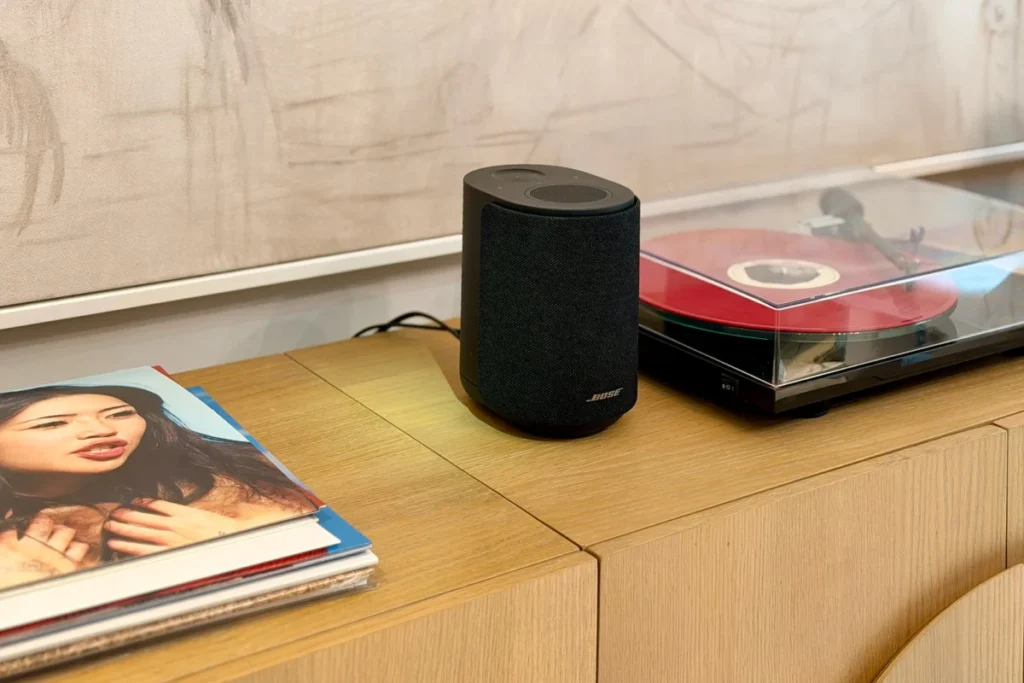
Bose has officially unveiled its latest high-end audio ecosystem, the Lifestyle Ultra Collection, marking a significant strategic pivot for the Massachusetts-based audio giant as it seeks to dominate the premium wireless home theater market. Introduced during an exclusive multi-story demonstration in a curated townhouse on New York City’s Upper West Side, the new lineup represents the culmination of more than four years of intensive research and development. The collection—comprising the Lifestyle Ultra Soundbar, the Lifestyle Ultra Speaker, and the Lifestyle Ultra Subwoofer—integrates advanced artificial intelligence, proprietary acoustic architectures, and expanded wireless connectivity to deliver a high-immersion, low-friction audio experience designed for modern living spaces.
The launch signifies a revitalized focus on the "Lifestyle" brand, a name historically associated with Bose’s premium home entertainment systems. By transitioning these systems into a modular, WiFi-connected framework, Bose is positioning itself to compete directly with high-end rivals in the spatial audio sector. The new products emphasize a "furniture-friendly" aesthetic, utilizing compact forms and sophisticated materials to blend into domestic environments while delivering performance that traditionally required much larger, wired installations.
The Architectural Core: The Lifestyle Ultra Soundbar
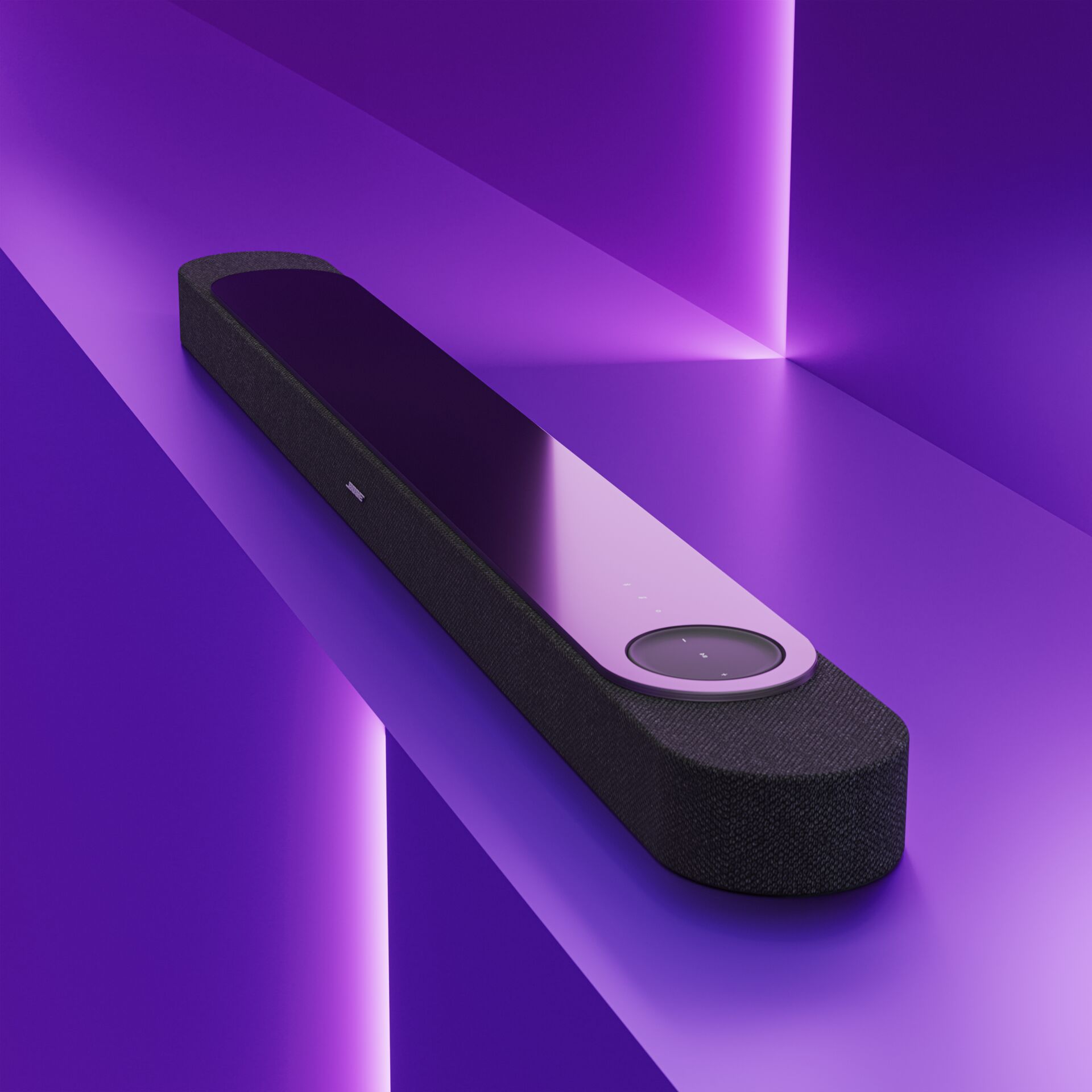
At the center of the new collection is the Lifestyle Ultra Soundbar, a $1,099 flagship component that Bose engineers describe as the most radical acoustic redesign of the company’s soundbar category in a decade. The unit features a 5.0.2-channel configuration powered by nine internal drivers. This includes four full-range drivers positioned behind a textured knit fabric, two dedicated upfiring drivers for height channels, and a center tweeter designed for vocal precision.
The soundbar’s most distinctive technical feature is the inclusion of proprietary PhaseGuide radiators. Derived from classic ribbon-tweeter engineering, these waveguides utilize microscopic radiating points to project sound waves in specific directions. By "leaking" sound coherently toward the sides of a room, the PhaseGuide technology creates a wide, cinematic soundstage that extends far beyond the physical dimensions of the soundbar itself. This is complemented by native support for Dolby Atmos via HDMI eARC, allowing the system to decode and project three-dimensional object-based audio.
To address the common consumer complaint regarding muffled dialogue in modern film and television, Bose has introduced an evolved "Speech Clarity" feature. Unlike standard "dialogue modes" that merely boost the volume of the center channel, this AI-driven tool distinguishes, isolates, and amplifies human speech frequencies above ambient background noise and complex soundtracks. The result is a natural-feeling midrange that maintains the integrity of the original mix while ensuring clarity for the listener.
Modular Expansion: The Ultra Speaker and Ultra Subwoofer
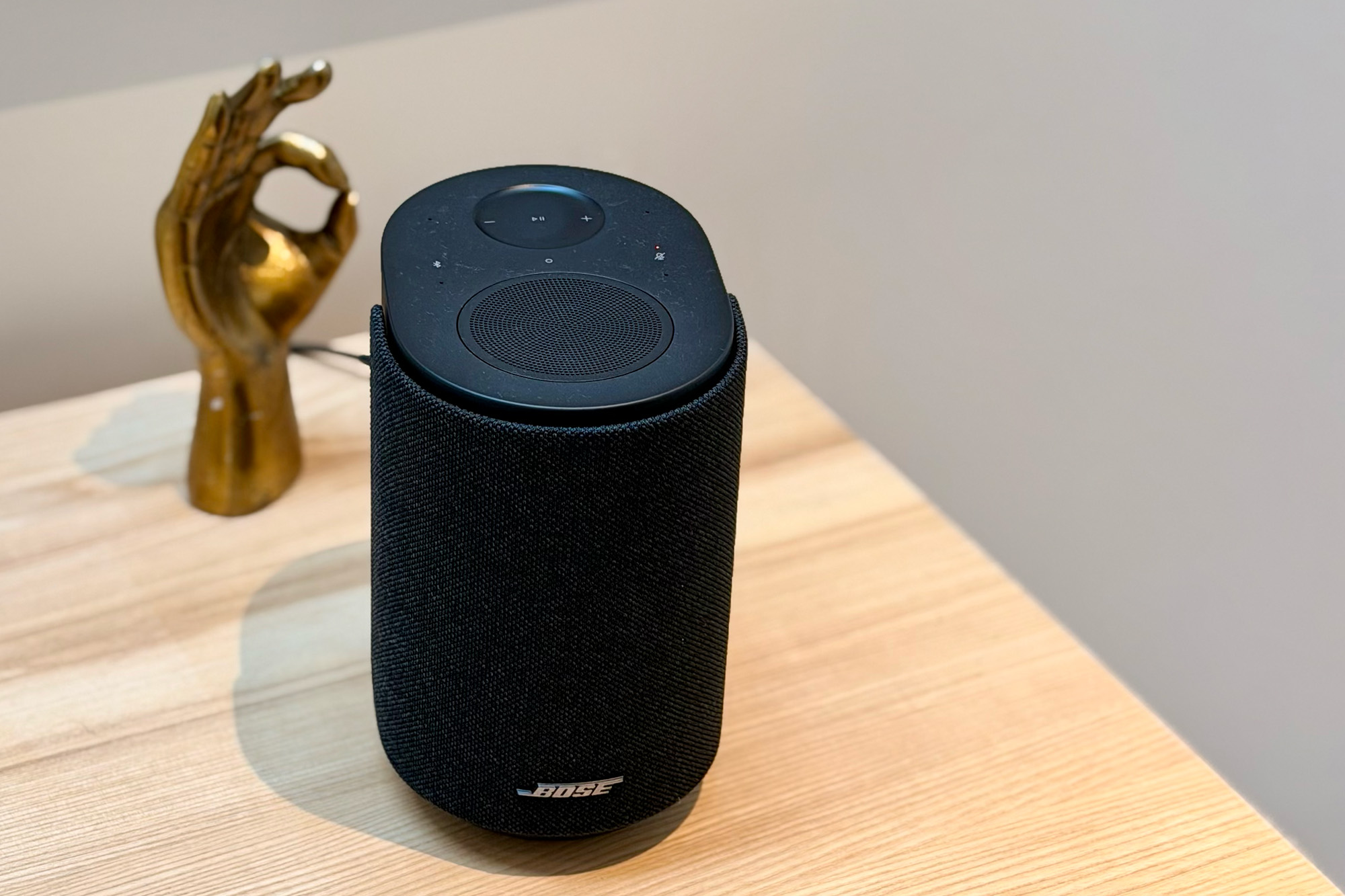
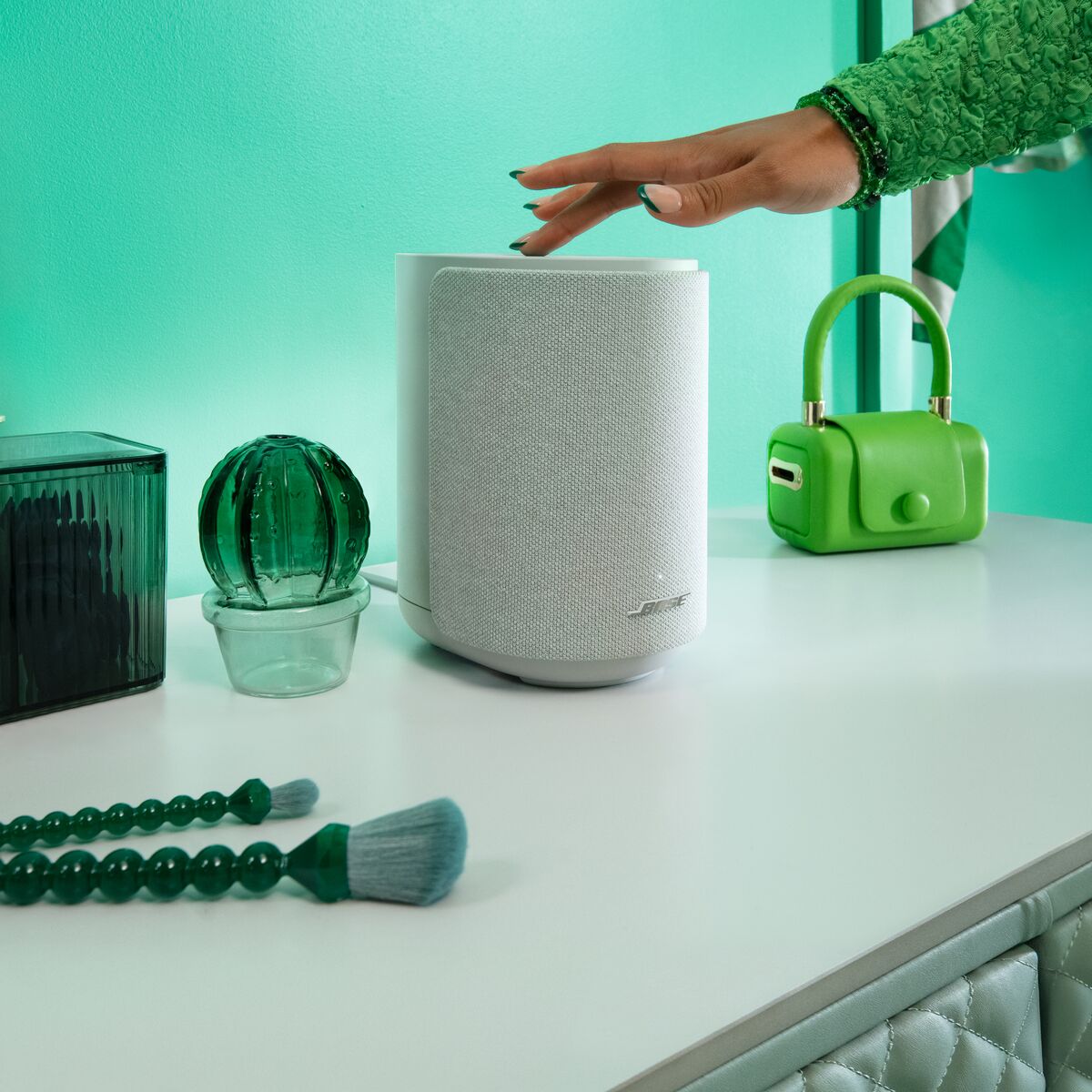
The Lifestyle Ultra Speaker ($299–$349) serves as the collection’s versatile modular unit. Designed to function as a standalone WiFi speaker, a stereo pair, or as wireless rear surrounds in a full home theater setup, the Ultra Speaker utilizes a front-firing three-inch woofer and an upfiring driver. Because the speaker does not natively support Dolby Atmos, it relies on Bose’s proprietary TrueSpatial digital signal processing (DSP). This technology analyzes non-Atmos signals and "remixes" them to utilize the upfiring drivers, effectively lifting the center image and expanding the "sweet spot" for listeners in various room positions.
The speaker also introduces CleanBass technology, which incorporates a rear QuietPort treatment. This engineering solution uses resistive materials to detune disruptive resonances within the small enclosure. By managing air turbulence, the QuietPort allows for longer ports that produce deeper bass frequencies without the "chuffing" or distortion typically associated with compact speakers.
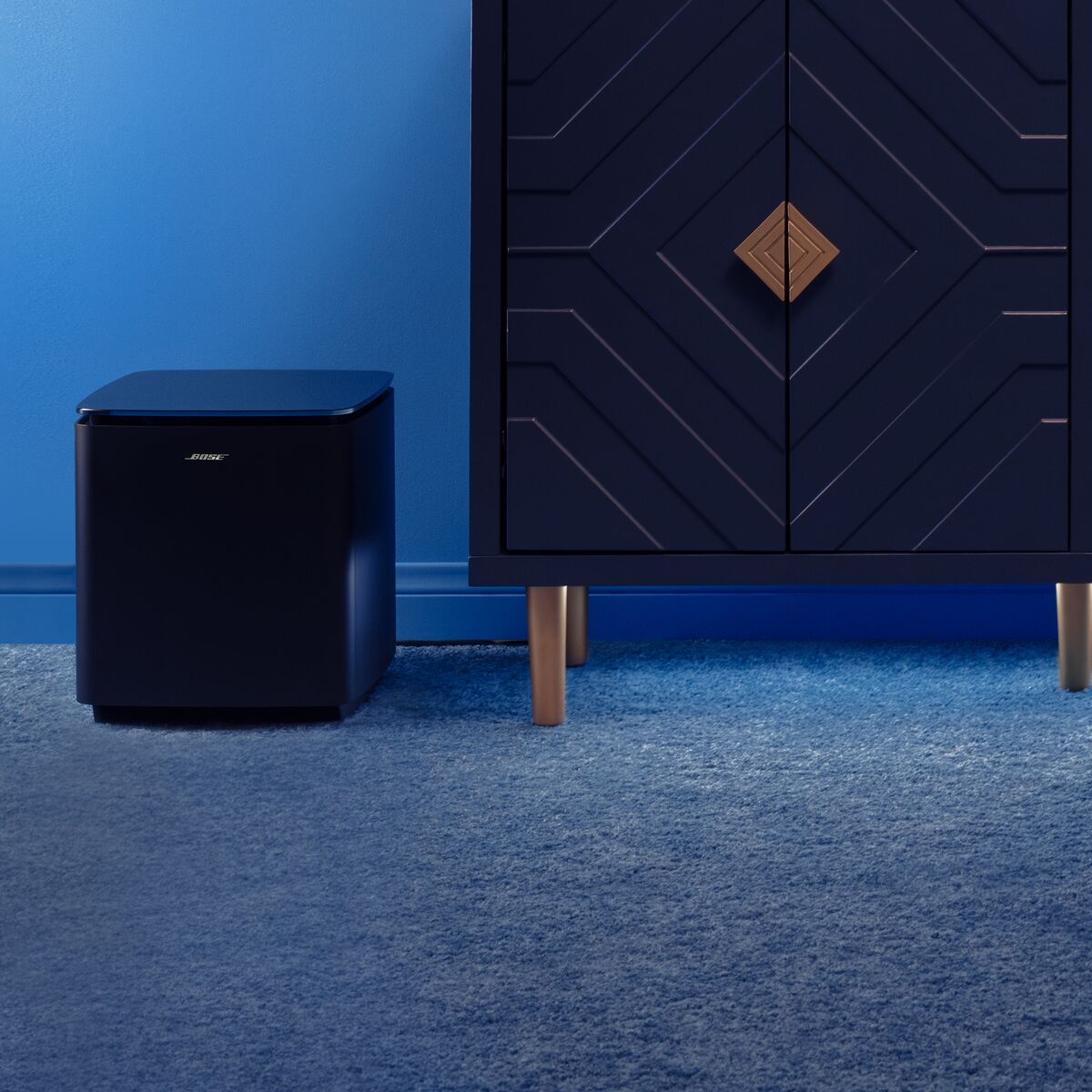
For users seeking to complete a 7.1.4-channel immersion, the Lifestyle Ultra Subwoofer ($899) provides the necessary low-frequency extension. Featuring a 10.5-inch high-excursion woofer housed in a glass-topped enclosure, the subwoofer is designed to deliver seismic bass with minimal cabinet vibration. The system’s modularity allows users to scale their setup over time, starting with a single soundbar and adding speakers or subwoofers as their space and budget permit.
Technological Innovation and Room Calibration
A cornerstone of the Lifestyle Ultra Collection is the debut of Custom Tune, an updated and streamlined version of Bose’s ADAPTiQ room calibration system. Historically, Bose systems required users to wear a specialized headset with built-in microphones to calibrate audio based on room acoustics. Custom Tune replaces this requirement by utilizing the microphone on a user’s smartphone.
Through the Bose app, the system emits a series of tones to map the acoustic properties of a room, including reflections from walls, ceilings, and furniture. The DSP then automatically adjusts the frequency response of each speaker in the network to optimize performance for that specific environment. This democratization of high-end calibration reflects Bose’s broader goal of reducing "friction" for the end user, making sophisticated audio setups accessible to non-audiophiles.
Connectivity and the Open Ecosystem Strategy
In a departure from the "walled garden" approach often seen in the smart speaker industry, the Lifestyle Ultra Collection emphasizes cross-platform compatibility. The devices support Apple AirPlay 2 and Google Cast, allowing them to integrate into multi-room setups that include hardware from other manufacturers.
On the software side, the speakers feature integrated Spotify Connect, with Tidal Connect support scheduled for a future firmware update. While the Bose app remains the primary hub for system setup and advanced EQ controls, the hardware includes capacitive touch points for manual interaction. Connectivity is further bolstered by Bluetooth 5.3 and, in the case of the Ultra Speaker, an analog 3.5mm input for legacy devices such as turntables with built-in preamps.
The collection also integrates next-generation Alexa+ capabilities, enabling natural-language voice interactions. To address growing consumer concerns regarding digital privacy, Bose has included a physical mute button on the speakers to electronically disconnect the microphones. However, the company noted that the Lifestyle Ultra collection is not backward compatible with previous generations of Bose home theater products, a decision likely made to ensure the integrity of the new WiFi-based architecture and DSP requirements.
Chronology of Development and Market Context
The development of the Lifestyle Ultra Collection began roughly four years ago, coinciding with a period of rapid evolution in the home audio market. During this time, the industry saw a massive shift toward spatial audio, driven by the adoption of Dolby Atmos by major streaming services like Netflix, Disney+, and Apple Music.
Bose’s R&D cycle focused on miniaturizing high-performance components. The challenge was to maintain the "Bose sound"—characterized by deep bass and clear highs—within smaller, wireless form factors that could compete with the sleek designs of competitors like Sonos and Sony. The NYC townhouse demonstration served as a strategic showcase, allowing the company to prove that its "Direct/Reflecting" technology and upfiring drivers could effectively handle the complex acoustics of a real-world vertical living space, rather than a controlled laboratory environment.
Industry Implications and Future Outlook
The release of the Lifestyle Ultra Collection is viewed by industry analysts as a vital move for Bose to maintain its relevance in the premium home audio sector. By pricing the full 7.1.4 system at approximately $2,600 (Soundbar + Subwoofer + two Speakers), Bose is targeting the "prosumer" demographic—users who want a cinematic experience without the complexity of traditional AV receivers and wired speaker arrays.
The emphasis on AI-driven dialogue enhancement and smartphone-based calibration addresses two of the most significant pain points for modern consumers: difficulty hearing speech and the intimidation factor of high-end audio setup. Furthermore, by opting for an open ecosystem (AirPlay, Google Cast) rather than a proprietary-only streaming protocol, Bose is acknowledging the reality of the multi-brand household.
As spatial audio becomes the standard for both home cinema and music production, the Lifestyle Ultra Collection represents Bose’s bid to define the next generation of domestic listening. The company’s ability to blend heritage acoustic engineering with modern digital signal processing will be the deciding factor in its competition against tech giants and traditional hi-fi brands alike.
The Bose Lifestyle Collection is currently available for purchase through major retailers and the official Bose website, offered in Black and White Smoke finishes, with a limited-edition "Driftwood Sand" colorway available for the Lifestyle Ultra Speaker.