



New archaeological findings at the ancient city of Pompeii have provided what researchers believe is the first physical evidence of the polybolos, a mechanical repeating weapon that functioned as an ancient precursor to the modern machine gun. While Pompeii is most widely recognized for its preservation following the catastrophic eruption of Mount Vesuvius in 79 CE, a recent study published in the journal Heritage focuses on an earlier period of violence: the Roman siege of 89 BCE. Researchers from Italy’s University of Campania "Luigi Vanvitelli" have identified specific damage patterns on the city’s northern stone walls that suggest the Roman military utilized highly advanced, rapid-fire artillery during their campaign to reclaim the city.
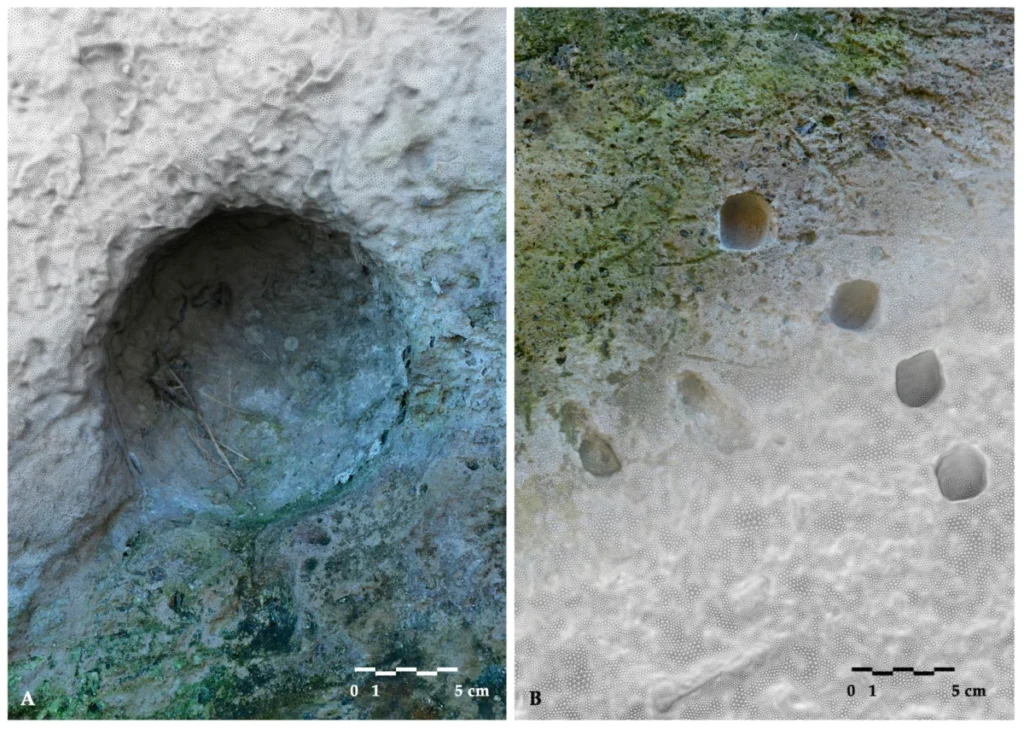
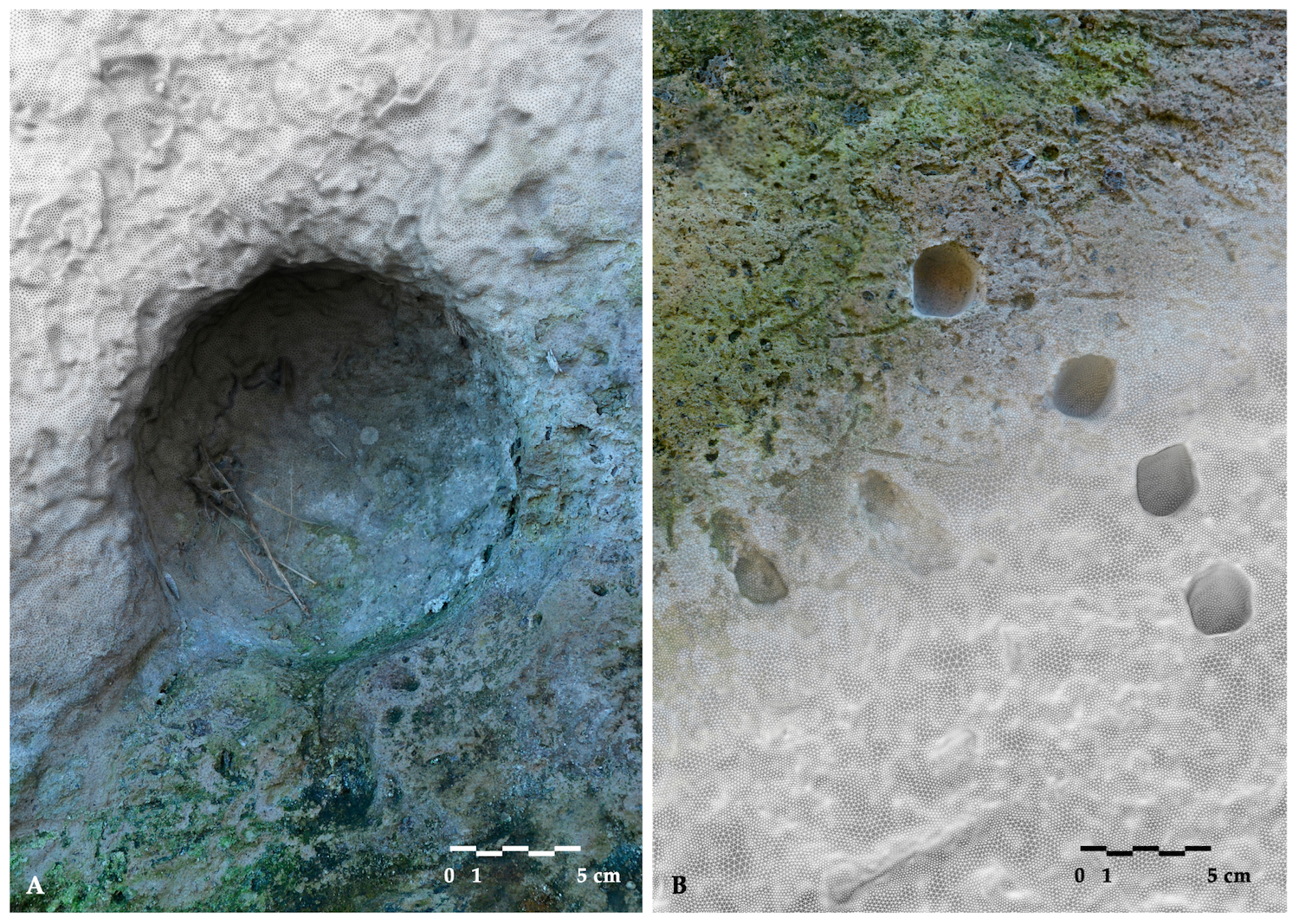
The study, led by Adriana Rossi and her team, utilized high-resolution laser scanning and 3D modeling to analyze impact marks near the Herculaneum and Vesuvio gates. These fortifications bear the scars of a relentless battery directed by the Roman general Lucius Cornelius Sulla. While larger, circular indentations typical of standard stone-throwing ballistae have long been documented, the researchers identified a second, more peculiar type of damage: clusters of small, four-sided pits arranged in fan-shaped patterns. These markings correspond to the metal-tipped bolts fired by a polybolos, a weapon previously known only through ancient Greek texts and theoretical reconstructions.
The Historical Context: The Siege of Pompeii and the Social Wars
To understand the significance of this discovery, one must look back nearly 170 years before the volcanic eruption that buried Pompeii. Between 91 and 87 BCE, the Roman Republic was embroiled in the Social Wars (Bellum Sociale), a fierce conflict between Rome and several of its Italian allies (socii). These allies, including the residents of Pompeii, sought full Roman citizenship and a greater share of the political power they helped sustain through military service.
By 89 BCE, the Roman general Sulla, a man known for his tactical brilliance and ruthless efficiency, led a campaign into Campania. Pompeii was a strategic target, and Sulla focused his assault on the northern fortifications, which were the city’s most vulnerable points. The siege was a demonstration of Roman military superiority, characterized by the use of heavy artillery intended to demoralize the defenders and breach the city’s defenses.
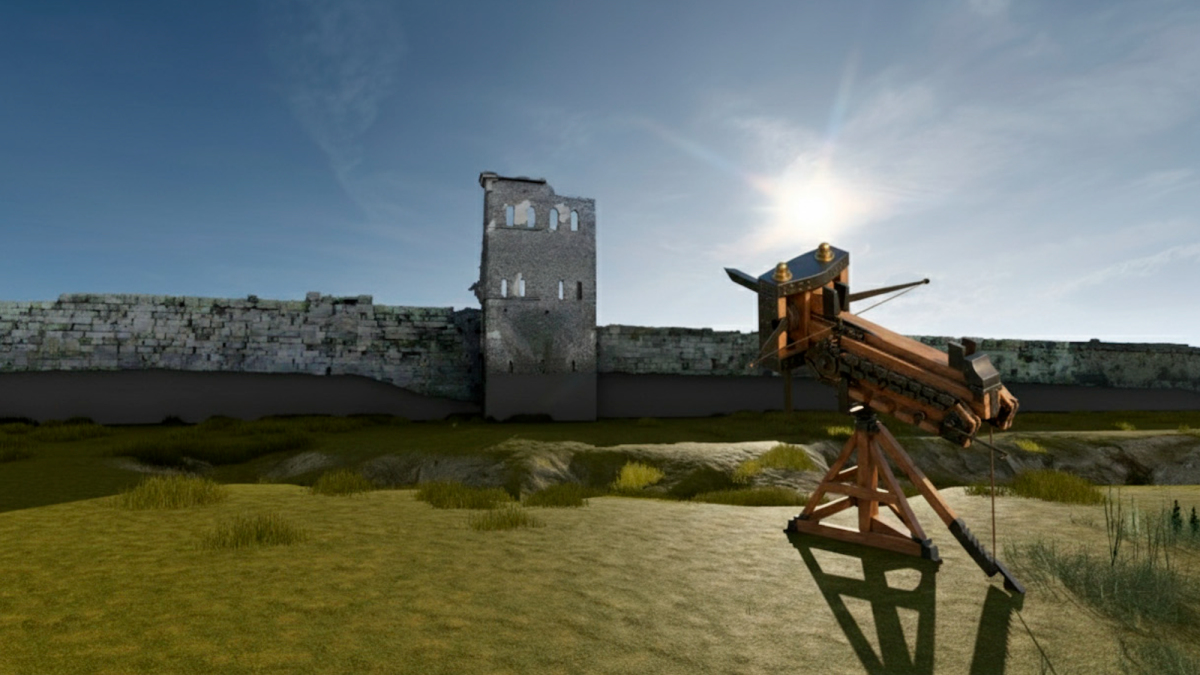
The city eventually surrendered and was transformed into a Roman colony, Colonia Cornelia Veneria Pompeianorum. The scars on the walls, however, remained. Over time, these marks were partially obscured by repairs or weathered by the elements, but the recent application of reality-based digital documentation has allowed archaeologists to "read" the walls with unprecedented clarity.
Technical Specifications of the Polybolos: The Ancient "Repeating Catapult"
The polybolos (Greek for "multiple thrower") was a marvel of Hellenistic engineering. It was reportedly invented by Dionysius of Alexandria, a Greek engineer working at the arsenal of Rhodes during the 3rd century BCE. Later, the weapon was described in detail by Philo of Byzantium, a prominent engineer and physicist.
Unlike the standard ballista or the scorpio, which required a manual reload after every shot, the polybolos featured two key innovations that allowed for rapid fire:
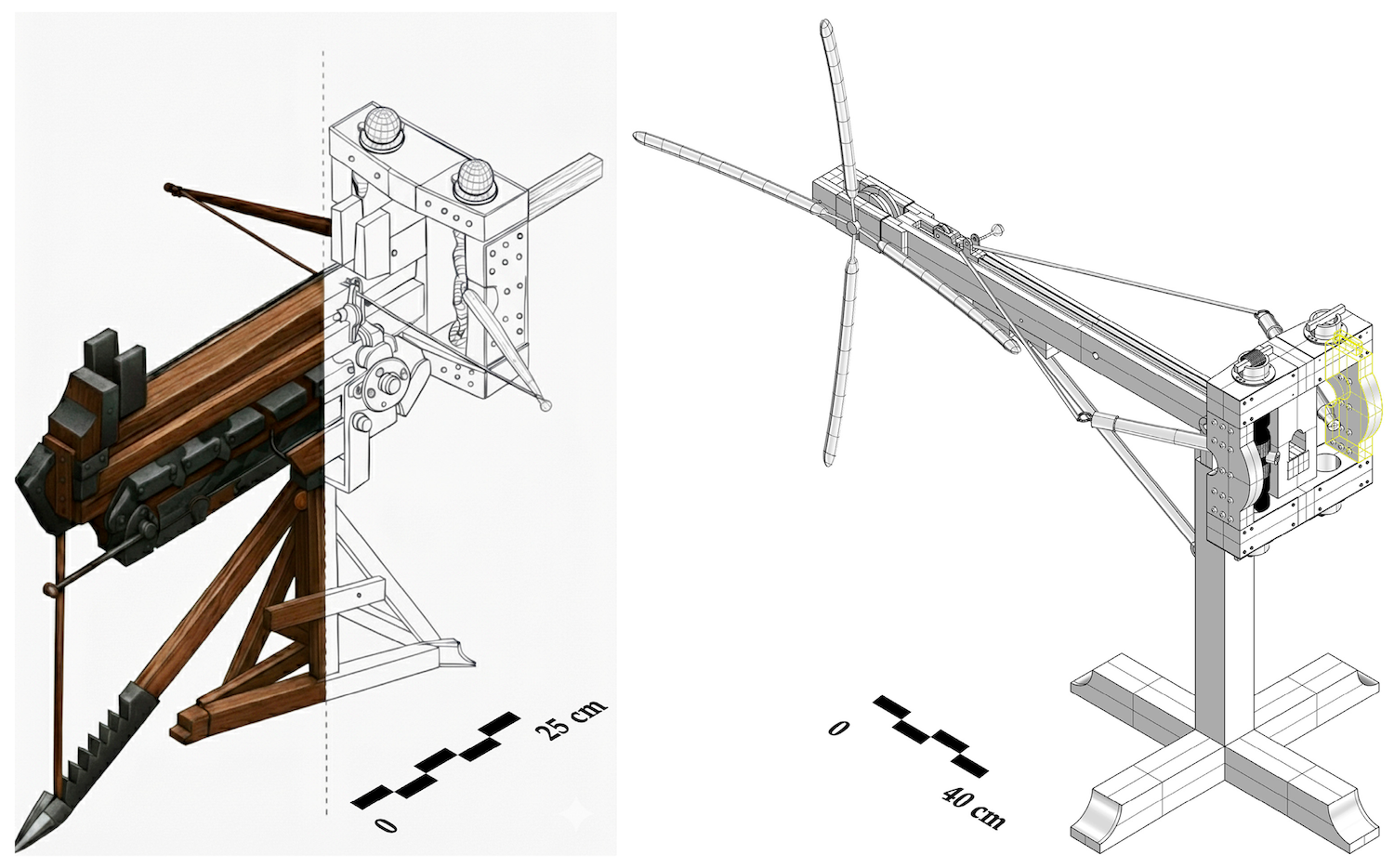
- A Gravity-Fed Magazine: A wooden hopper or magazine was mounted above the firing mechanism, holding several bolts (arrows). As the firing slide moved, a new bolt would automatically drop into the groove.
- The Chain-Link Drive: This was perhaps the most advanced mechanical feature of the ancient world. A flat-linked chain, operated by a windlass, moved the firing slide back and forth. This motion simultaneously cocked the bowstrings, dropped a bolt into place, and released the trigger.
The result was a weapon that could fire bolts in quick succession with high accuracy. Philo of Byzantium described it as a "repeating catapult," noting that it did not require the operator to pause for re-aiming or reloading between shots. This made it an ideal weapon for "suppressive fire," preventing enemy soldiers from manning their battlements during a siege.
Analyzing the Ballistic Evidence: From Stones to Bolts
The University of Campania’s research team differentiated the impacts at Pompeii through a rigorous comparative analysis. Standard Roman artillery of the era, such as the ballista, typically fired spherical stone projectiles. These created large, shallow, circular craters in the limestone and tuff walls of the city.
In contrast, the marks attributed to the polybolos are quadrangular, matching the shape of the iron-tipped bolts (pyramidal or "bodkin" points) used in repeating catapults. The depth of these impacts—often only a few centimeters—indicates high-velocity projectiles with a smaller mass than stone shot.
The spatial distribution of these marks provided the "smoking gun" for the researchers. Rather than being scattered randomly across the wall, the four-sided pits were found in tight, fan-shaped clusters. This pattern suggests a stationary weapon firing multiple rounds at a specific target zone in a short period. As the weapon’s recoil caused slight shifts in the frame, or as the operator made minor adjustments to the windlass, the bolts would strike in a "spread," much like the grouping of shots from a modern automatic weapon.
Chronology of Archaeological Discovery and Analysis
The identification of the polybolos at Pompeii follows a timeline of evolving archaeological techniques:
- Early 20th Century: Initial excavations of the Pompeian walls noted damage from Sulla’s siege, but most marks were attributed to standard catapults or later environmental erosion.
- Late 20th Century: Experimental archaeologists, such as those working with the BBC program Ancient Discoveries, built working replicas of the polybolos based on Philo’s texts. These replicas proved the design was functional but lacked archaeological context.
- 2020–2023: The University of Campania team initiated a digital survey of the northern walls near the Tower of Mercury. Using LiDAR (Light Detection and Ranging) and photogrammetry, they created 3D textured mesh models of the wall surfaces.
- 2024: The study published in Heritage confirmed that the geometry of the impact clusters could not be explained by manual archery or standard ballistae, pointing directly to the mechanical repetition of the polybolos.
Implications for Roman Military Engineering
The presence of the polybolos at Pompeii forces a reevaluation of Roman military logistics and technology transfer. For decades, historians debated whether the polybolos was a practical battlefield weapon or merely a "prestige" invention that existed only in theoretical texts.
The findings suggest that the Roman military, particularly under a forward-thinking commander like Sulla, was adept at adopting and scaling Greek technological breakthroughs. Sulla is known to have spent significant time in the eastern Mediterranean, where he would have encountered the advanced engineering of the Hellenistic schools. By incorporating the polybolos into his siege train, Sulla utilized a weapon that offered a psychological and tactical advantage, effectively "out-gunning" the Pompeian resistance.
Furthermore, the discovery highlights a "technological peak" in the ancient world. The mechanical complexity of the polybolos—specifically its use of a chain drive—represents a level of engineering that would largely disappear after the fall of the Roman Empire. Similar mechanical sophistication in weaponry would not reappear in Europe until the late Middle Ages or the early Renaissance, and true rapid-fire repeating weapons would not become a battlefield standard until the 19th-century invention of the Gatling gun.
Expert Reactions and Future Research
While the archaeological community has received the study with interest, some scholars remain cautious. Dr. Alessandro Fabrizzi, a specialist in Roman warfare who was not involved in the study, noted that while the evidence is compelling, the absence of physical wooden or metal components of the machine itself makes it a "circumstantial, albeit highly probable" identification.
"The preservation of organic materials like wood is rare in the seismic and volcanic environment of Pompeii’s fortifications," Fabrizzi stated. "However, the ballistics analysis conducted by the University of Campania is the most rigorous attempt to date to match ancient text to physical battlefield scars."
The research team plans to expand their digital survey to other cities besieged by Sulla during the Social Wars, such as Stabiae and Nola. If similar "fan-shaped" quadrangular impact clusters are found at these sites, it would confirm that the polybolos was a standardized part of the Roman siege arsenal rather than an isolated experimental weapon.
Conclusion: A New Lens on Ancient Warfare
The identification of polybolos impacts at Pompeii serves as a reminder that the ancient world was far more technologically advanced than often perceived. The "machine gun of antiquity" was not a myth or a failed experiment; it was a functional tool of empire-building. Through the marriage of classical history and modern digital forensics, researchers have finally given a physical voice to the "repeating catapults" described by Philo of Byzantium over two millennia ago. As the walls of Pompeii continue to be scanned and analyzed, they reveal a narrative of human ingenuity and military evolution that is as complex as the machines that once battered them.