


The 2026 World Press Photo Contest has unveiled its annual selection of the world’s most impactful photojournalism, offering a harrowing yet resilient look at a global landscape defined by climate volatility, technological warfare, and the enduring human spirit. This year’s competition saw an immense volume of submissions, with more than 3,700 photojournalists and documentary photographers from around the world entering 57,376 photographs. The resulting collection serves as a definitive historical record of the preceding year, capturing what global jury chair Kira Pollack described as a "critical moment for democracy and truth." The winning images do not merely document events; they challenge the viewer to confront the best and worst of humanity, ranging from the devastating consequences of environmental mismanagement to the innovative ways society is addressing isolation and conflict.
Environmental Crisis and the Global Wildfire Surge
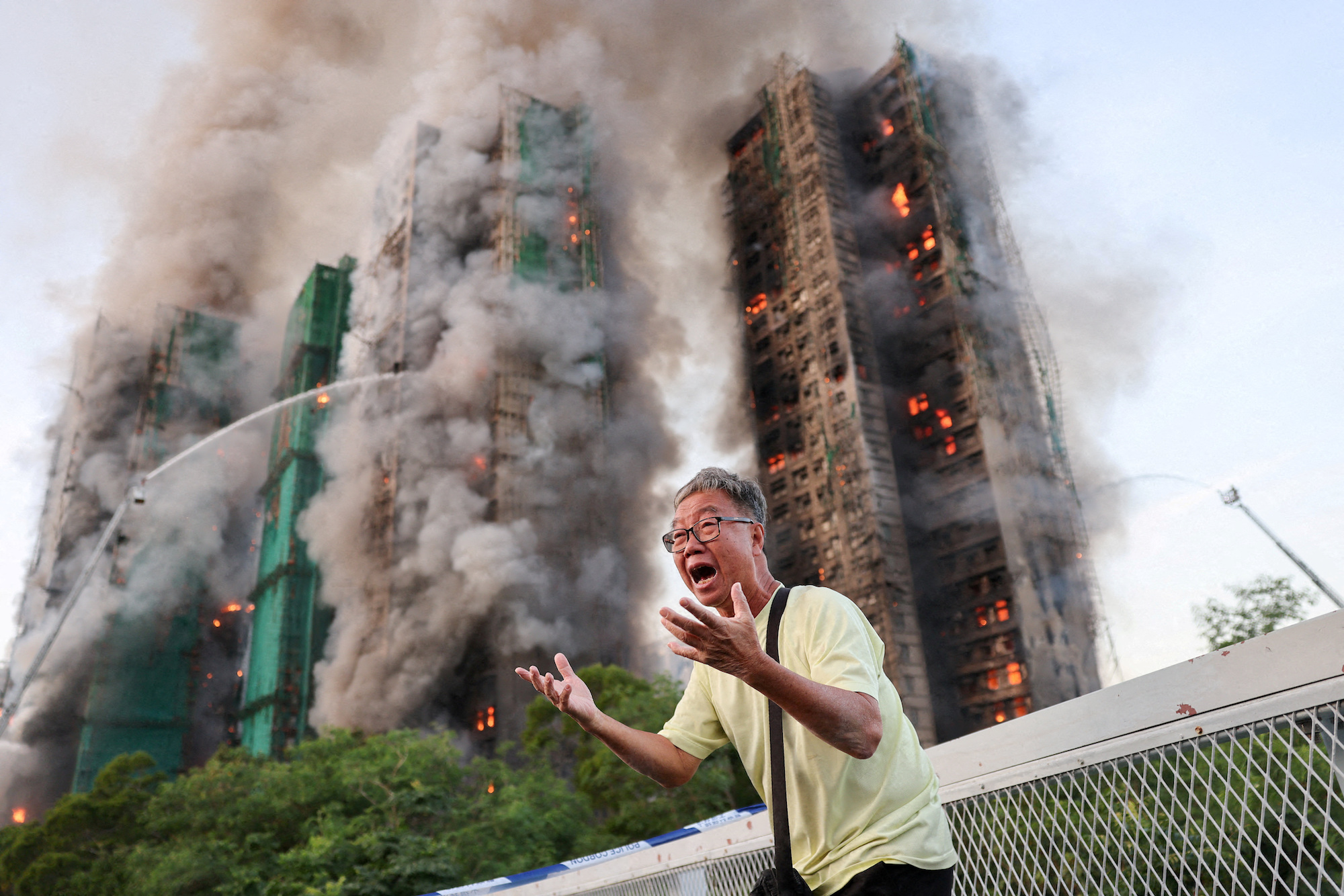
One of the most prominent themes in the 2026 awards is the increasing severity of wildfires, a phenomenon exacerbated by a combination of climate change and shifting land-use policies. In Europe, 2025 was recorded as a catastrophic year for forest fires. In the Spanish region of Galicia, more than 200,000 hectares were decimated during the worst fire season the country had seen in three decades. Photographer Brais Lorenzo, an Ourense native who has documented these fires since 2011, captured the desperation of local residents in his work "Burned Land." His images show civilians in Cualedro fighting towering infernos with nothing more than tree branches and garden hoses when professional resources are spread too thin.
The severity of these fires is attributed to a "perfect storm" of factors: prolonged drought, record-breaking heatwaves, and the widespread planting of non-native, highly flammable species like eucalyptus and pine. Furthermore, rural depopulation has left vast tracts of land unmanaged, creating a tinderbox effect. This narrative of environmental vulnerability was echoed in North America, where photographer Ethan Swope documented the Eaton Fire in Los Angeles in January 2025. Fueled by 100-mph Santa Ana winds, 14 simultaneous wildfires displaced 200,000 residents and destroyed 18,000 buildings. While the official death toll stood at 31, public health studies later estimated 440 excess deaths due to toxic smoke inhalation and the disruption of critical medical services, highlighting a stark wealth divide in disaster recovery.
The Evolution of Modern Conflict: Drones and Cyber Scams
The 2026 winners also shed light on the changing face of global conflict, where technology is being leveraged in increasingly precise and predatory ways. David Guttenfelder’s "Drone Wars" series for The New York Times documents the transformation of Ukraine into a "kill zone" through the mass production of first-person-view (FPV) drones. These remote-controlled weapons have reshaped modern combat, forcing soldiers into permanent underground bunkers and targeting civilian infrastructure with deadly accuracy. One heartbreaking image shows Yulia Vasiakina embracing her 20-year-old horse, Kamelia, killed during a drone strike in Odesa that leveled an entire city block.
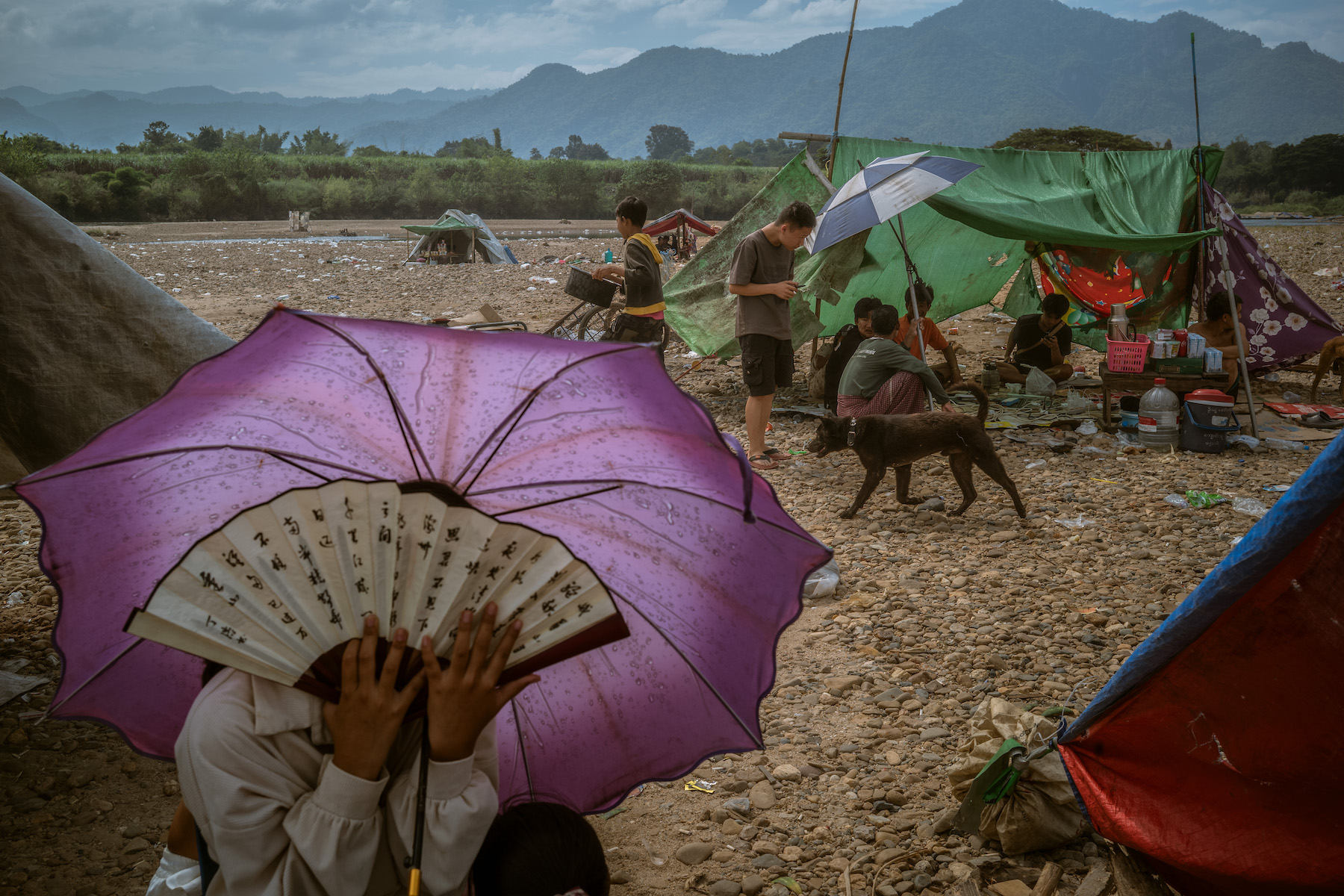
In Southeast Asia, the conflict in Myanmar has provided a veil for a different kind of technological threat: the lucrative online scam industry. Jes Aznar’s "Scam Hub Under Siege" documents the aftermath of the Karen National Liberation Army’s capture of Shunda Park, a massive cyber-scam compound. As the country’s civil war intensified in 2025, lawless border regions became hubs for human trafficking. Hundreds of thousands of individuals from over 30 nations were reportedly lured with false job promises, only to have their passports seized and be forced into labor for illegal enterprises. The liberation of these compounds left thousands of workers stranded in makeshift shelters near the Thai border, caught between the violence of the junta-allied militias and the uncertainty of their legal status.
Biodiversity and the Ethics of Conservation
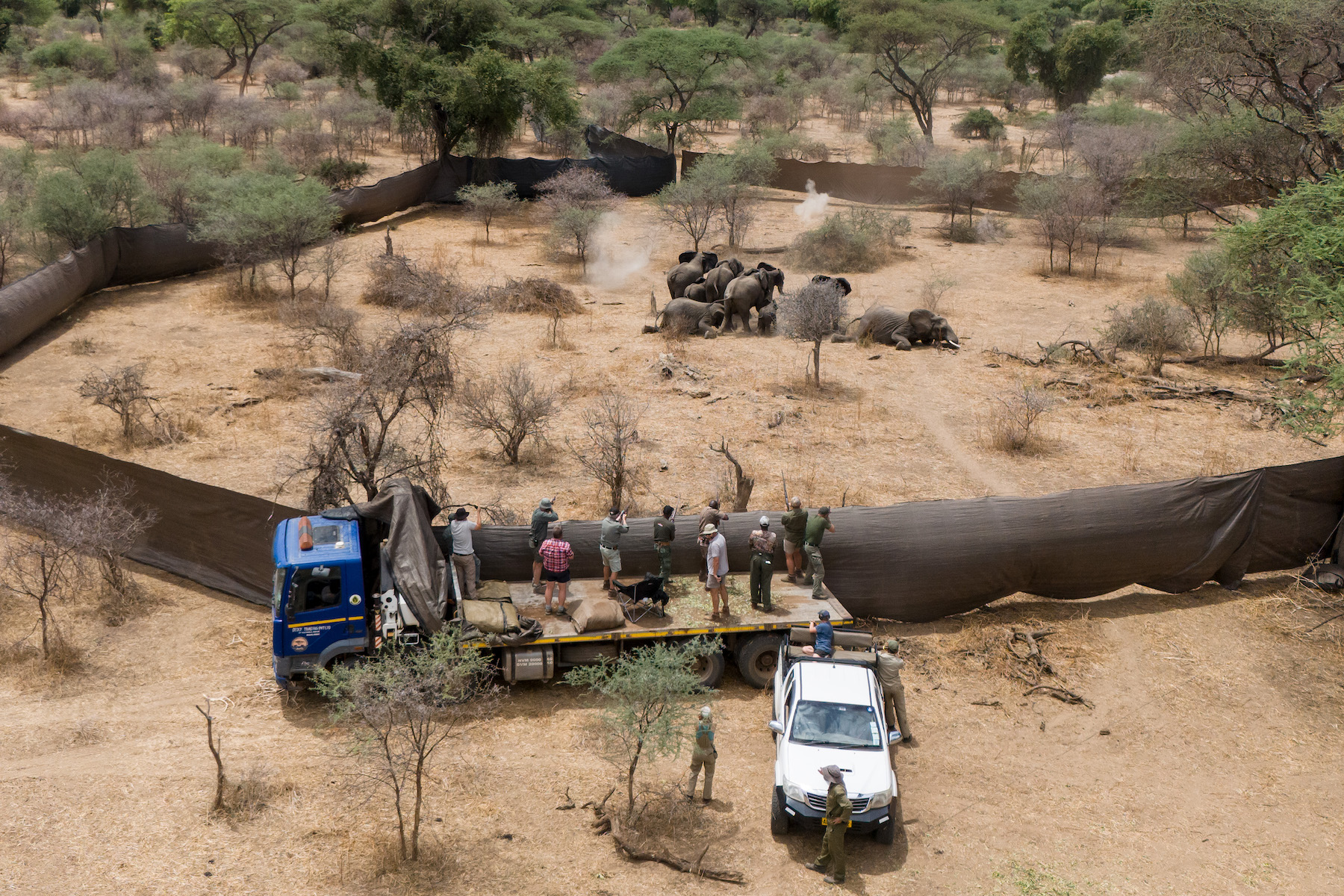
The intersection of human survival and wildlife conservation remains a point of intense global debate, as seen in the coverage of Zimbabwe’s elephant culling program. In 2025, the Zimbabwean government authorized the killing of 50 elephants in the Sango Wildlife Conservancy to manage a population that authorities claim has surpassed the land’s carrying capacity. This followed a larger cull of 200 animals in 2024. Halden Krog’s photograph "When Giants Fall" captures the moment professional hunters shoot a family of elephants, a stark visual that has reignited international condemnation.
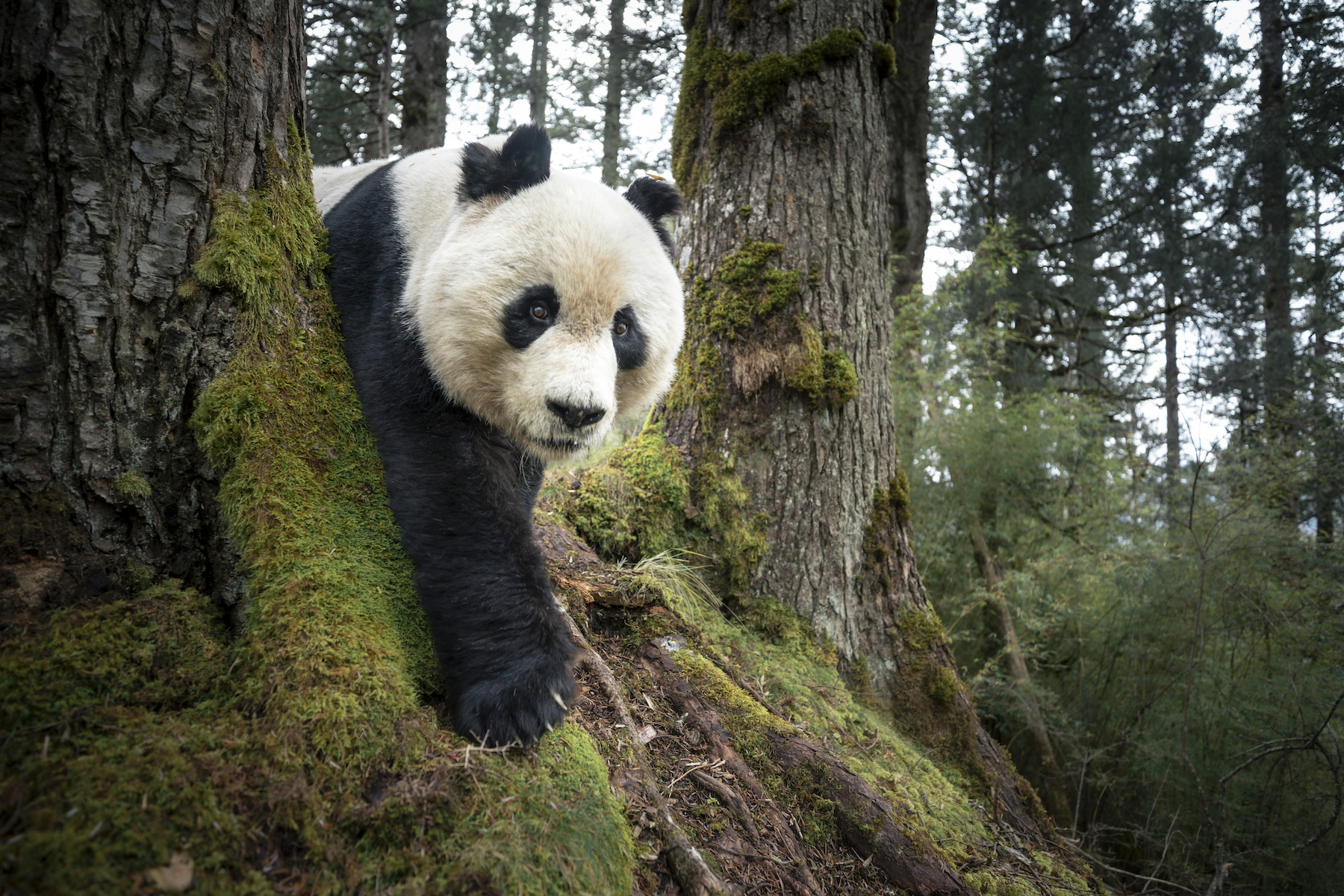
While the government argues that culling is necessary to reduce human-wildlife conflict—intensified by drought-driven migrations—wildlife organizations dispute the claims of overpopulation. Conservationists warn that the trauma inflicted on surviving animals and the fracturing of complex social structures may actually increase elephant aggression toward humans in the long term. Conversely, in China, the "Mountain Resident of Wanglang" project by Rob G. Green offers a more hopeful perspective on conservation. Through a pilot exchange program between the National Geographic Society and Chinese biologists, rare camera-trap footage of wild giant pandas was captured in the Wanglang National Nature Reserve. With fewer than 2,000 pandas remaining in the wild, such images represent the success of cross-cultural cooperation and long-term habitat protection.
Public Health and the Human Cost of Industry
Several winning entries focus on the long-term health consequences of industrial pollution and systemic neglect. In Argentina, Pablo E. Piovano’s "The Human Cost of Agrotoxins" documents the fallout of three decades of intensive pesticide use. Since the 1996 approval of genetically modified, herbicide-resistant soybeans, pesticide consumption in Argentina has skyrocketed from 40 million to 580 million liters annually. Piovano’s project highlights the plight of 14 million people living near sprayed fields, showing former land applicators suffering from non-alcoholic cirrhosis and congenital malformations. Despite mounting independent evidence linking glyphosate to these conditions, regulations in the region continue to favor agro-industrial profits over rural health.
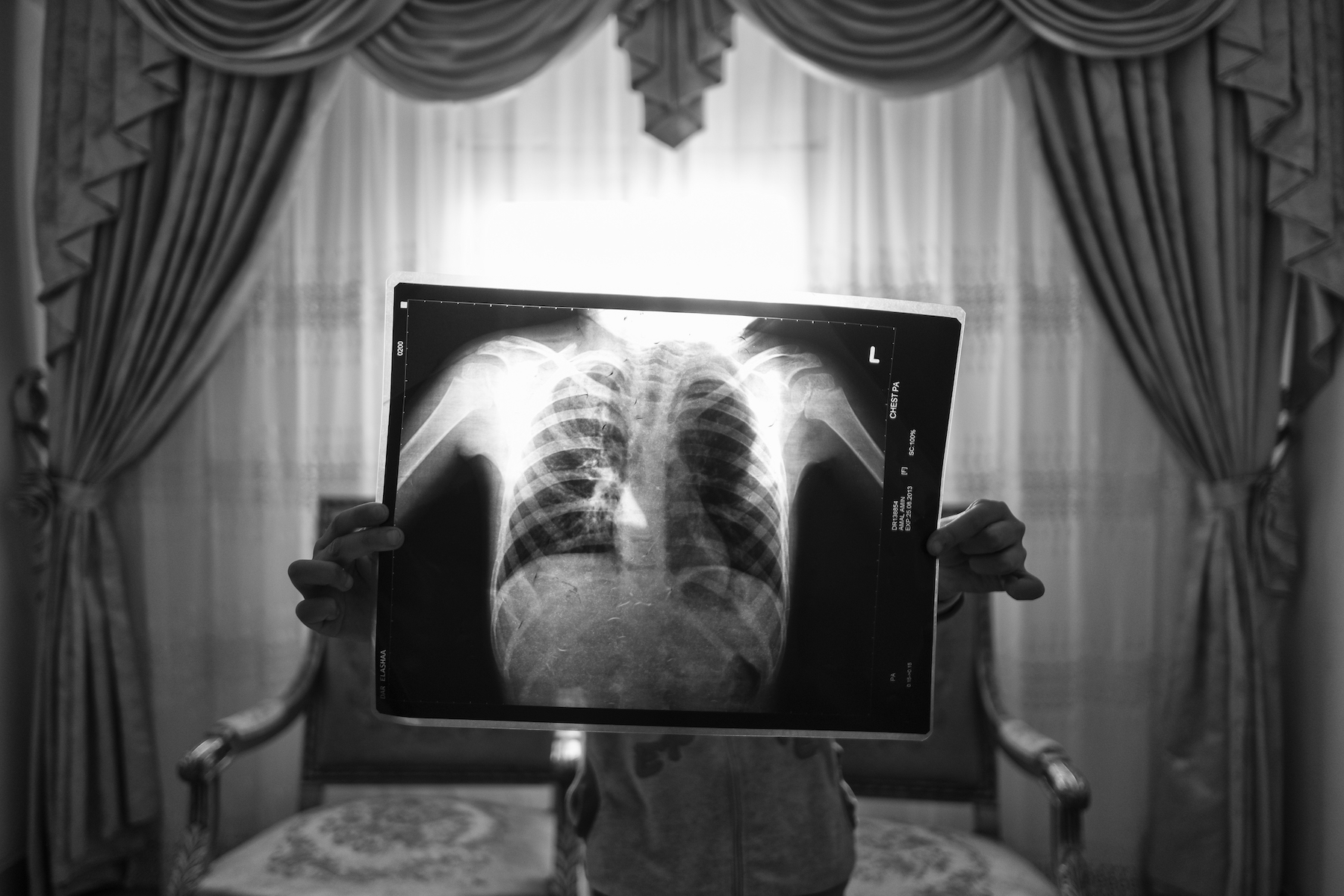
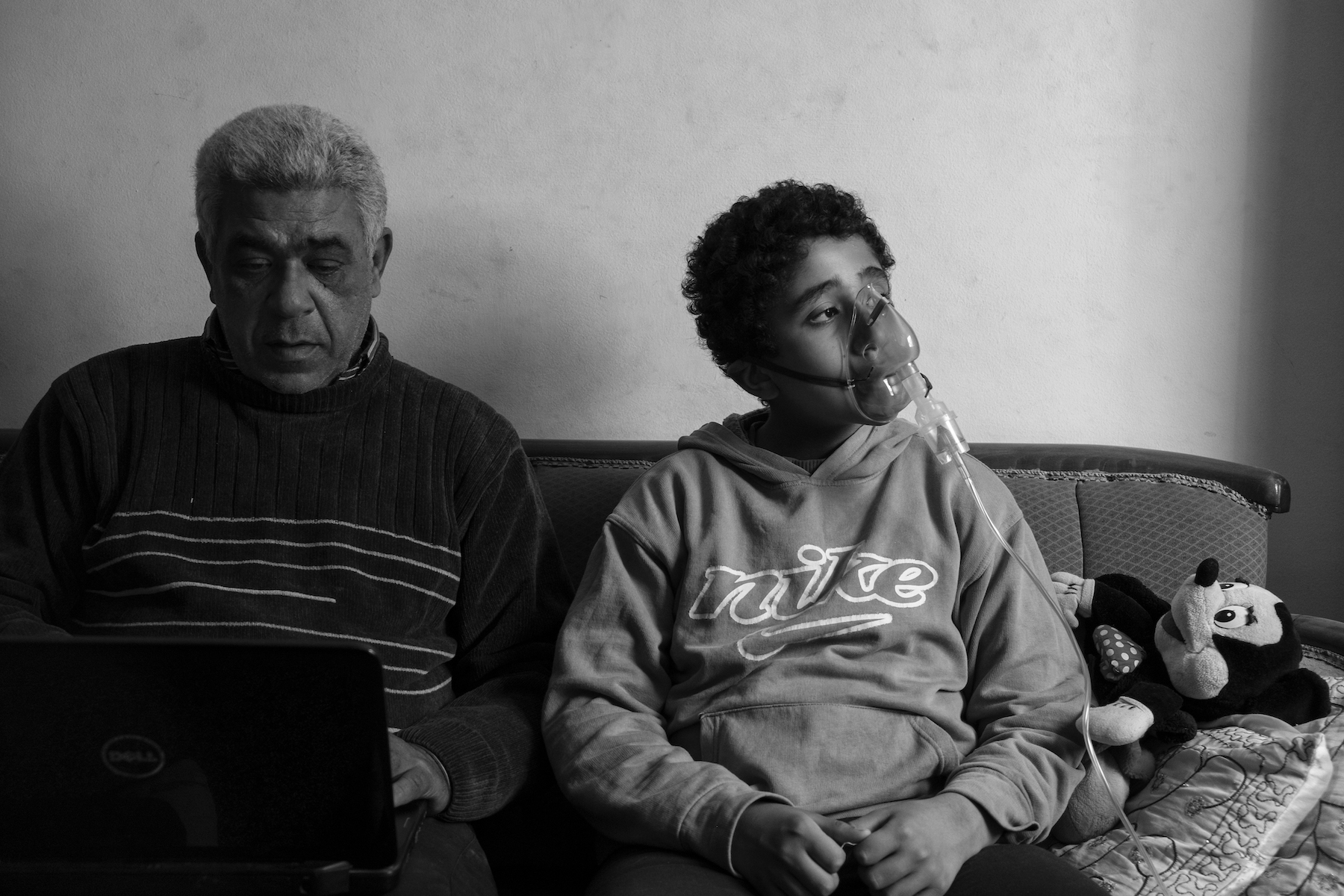
Similarly, in Egypt, Mohamed Mahdy’s "Moon Dust" tells the story of the 30,000 residents of Wadi El-Qamar, who live within 15 meters of a massive cement factory in Alexandria. The toxic dust has resulted in a generation of children born with asthma and irreversible lung damage. Mahdy, who suffers from asthma himself, has spent years documenting the legal battles of these families against the industrial giants that dominate their skyline.
Societal Shifts: Innovation, Loneliness, and Tradition
The 2026 awards also highlight how societies are adapting to internal crises. In Germany, Paula Hornickel documented the trial of "Emma," a social robot designed to combat loneliness in elder care homes. With Germany facing a severe nursing shortage and a 2023 study indicating that one in five residents over 80 experience severe loneliness, robots that can recognize faces and remember past conversations are being integrated into daily life. While the subjects, like Waltraud of Albershausen, expressed a surprising emotional connection to the machines, the project raises profound questions about the future of human empathy in an aging world.
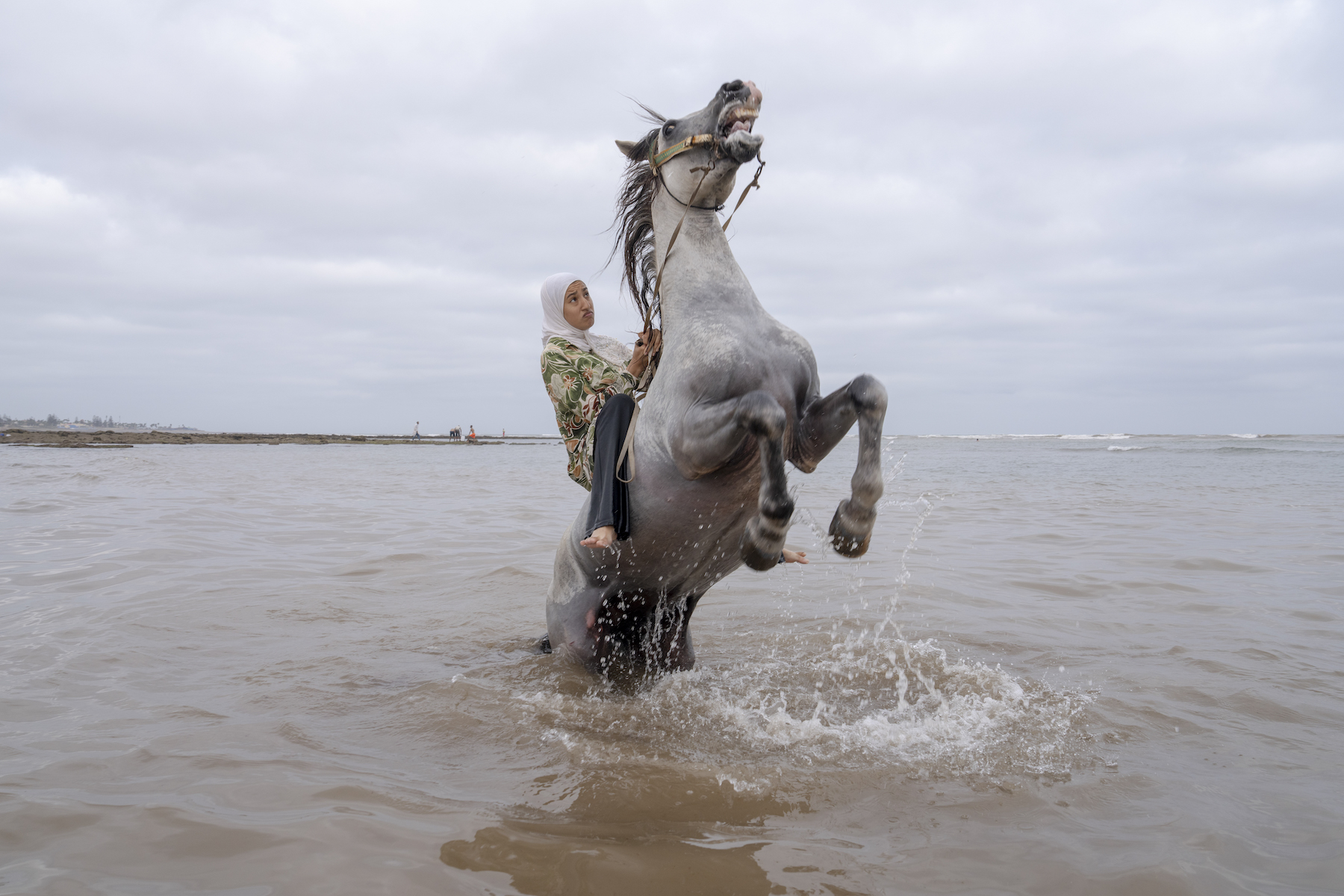
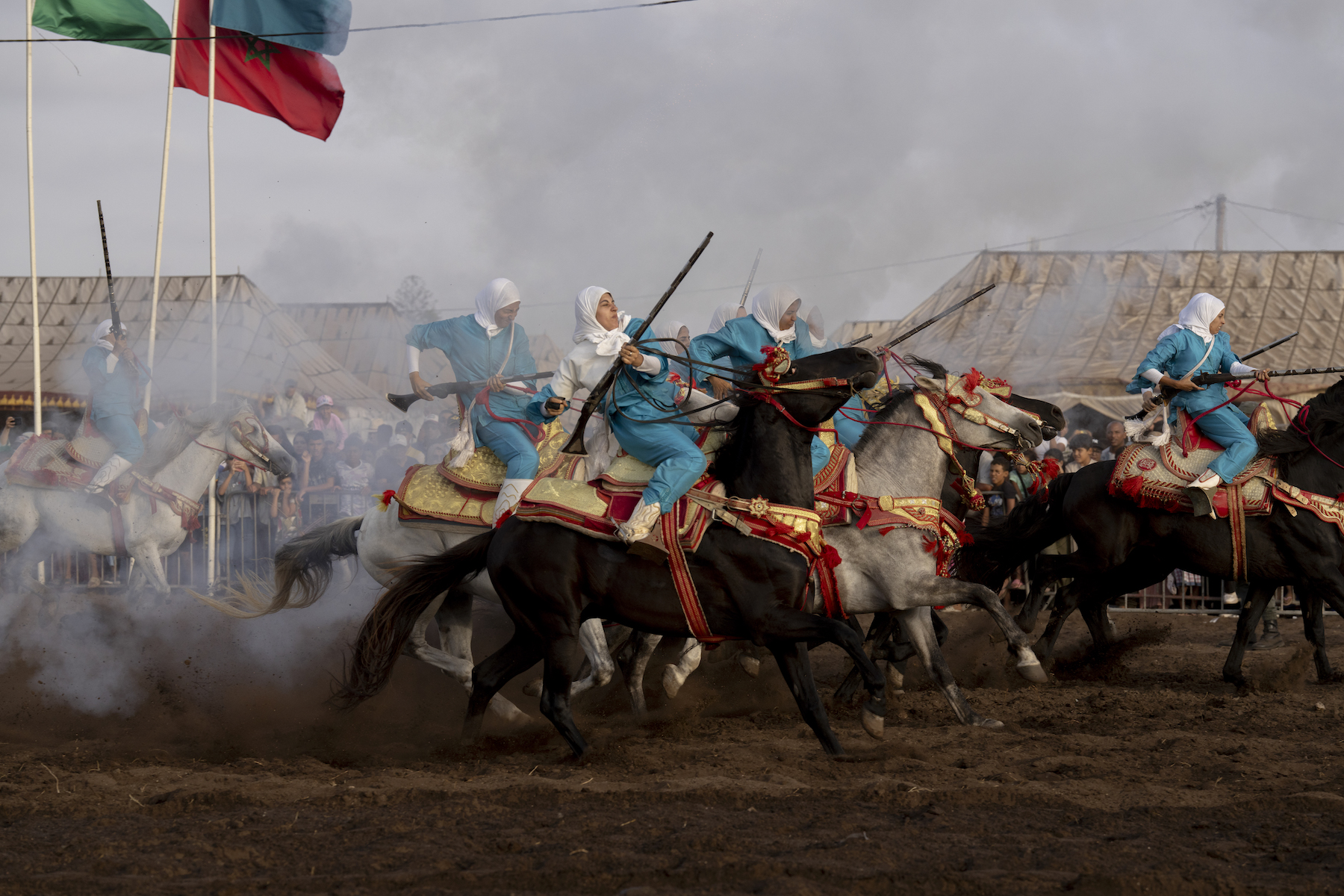
In Morocco, the struggle for gender equality is captured through the lens of tradition. Chantal Pinzi’s "Farīsāt: Gunpowder’s Daughters" documents the rise of female troupes in Tbourida, a 16th-century equestrian performance of cavalry warfare. Long excluded from the tradition, women have fought for their place in the saddle since the 2004 family code reforms. Today, seven all-female troupes participate among hundreds of male counterparts, bearing the significant financial and physical risks of the sport to reclaim their cultural heritage.

Broader Impact and the Role of the Image
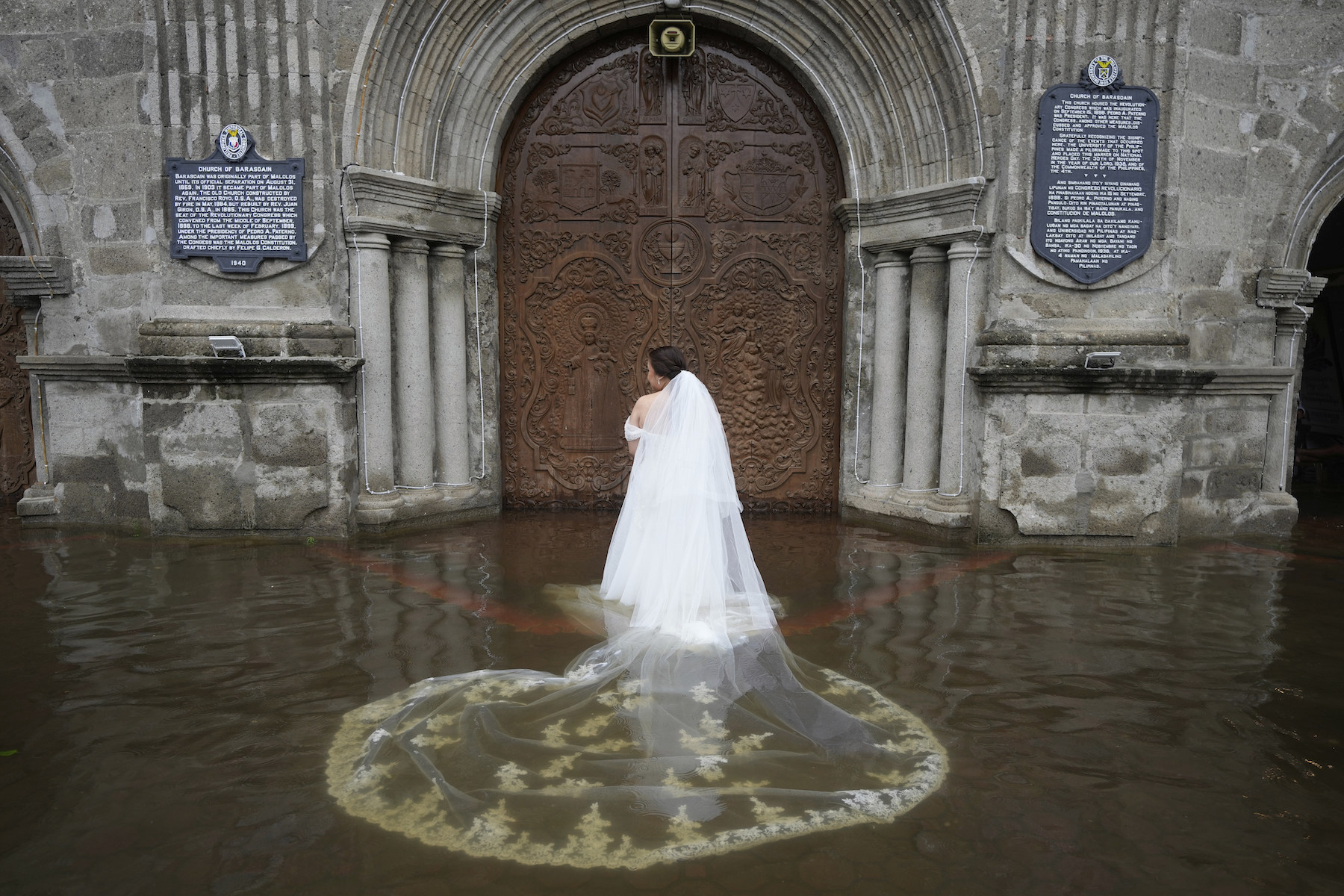
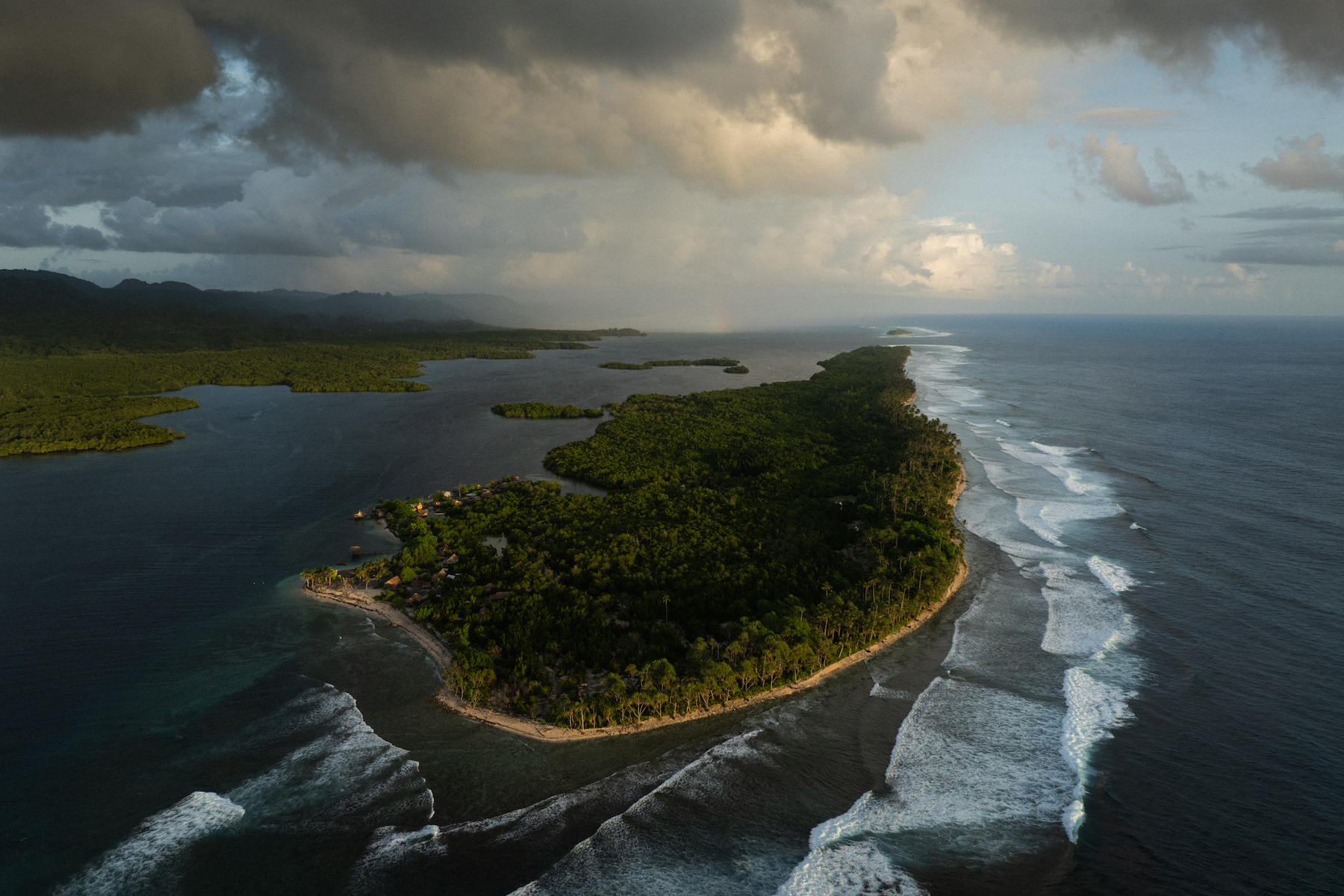
The 2026 World Press Photo Contest serves as a reminder that the world’s crises are deeply interconnected. The flooding of the Barasoain Church in the Philippines, captured by Aaron Favila, is not just a story of a wedding in a typhoon; it is a symptom of aging drainage systems and rising sea levels that affect 75% of the local population. The transition of dolphin hunters to seaweed farmers in the Solomon Islands, documented by Matthew Abbott, reflects a community forced to abandon generations of ritual and economy due to environmental pressure.
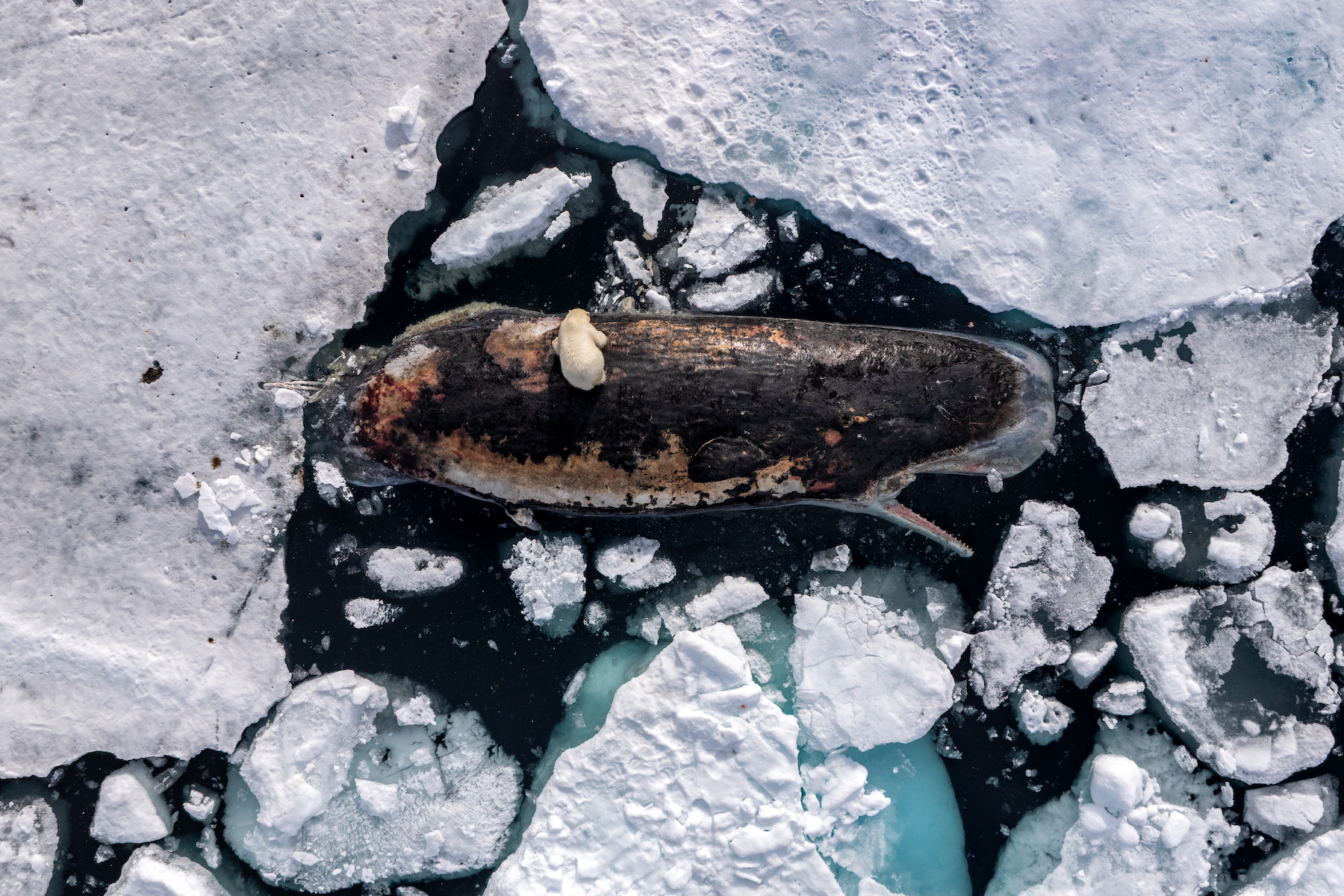
The jury’s selection emphasizes that in an era of digital manipulation and AI-generated content, the role of the traditional photojournalist is more vital than ever. These images provide an unvarnished look at reality, serving as both a witness to suffering and a testament to the resilience of those who refuse to be ignored. As Kira Pollack noted, the photographers have made the record; the responsibility now lies with the global public to look, to understand, and to act upon the truths these images reveal. The 2026 collection stands as a powerful indictment of systemic failures and a moving tribute to the individuals—from the horsewomen of Morocco to the firefighters of Galicia—who continue to fight for a better future.