



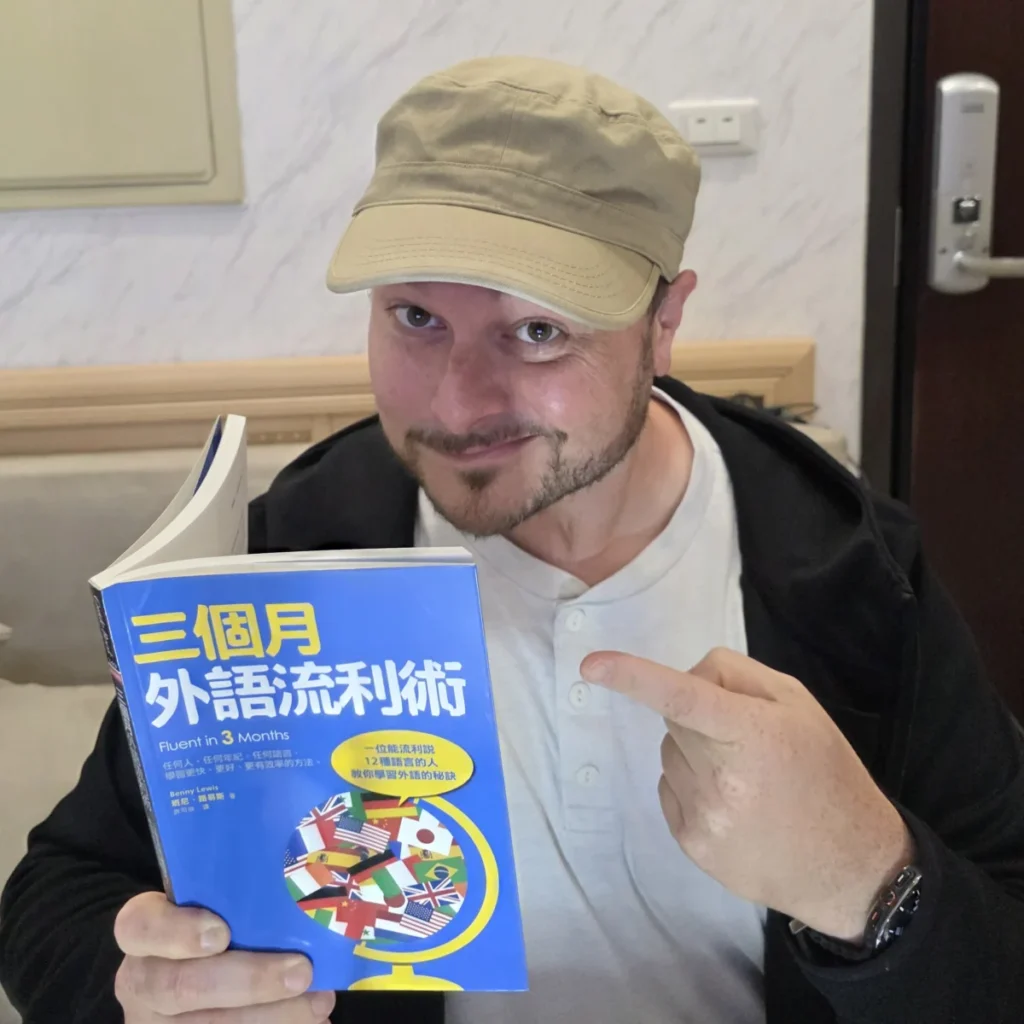
Benny Lewis, the Irish polyglot and founder of the international language learning platform Fluent in 3 Months, has officially announced a new intensive linguistic residency in Taipei, Taiwan. This initiative marks a significant return to the city where Lewis first launched his high-profile Mandarin Chinese project fourteen years ago. The current endeavor is designed to reclaim and advance his Mandarin proficiency from a lower-intermediate level (B1 on the Common European Framework of Reference for Languages) to a more robust, permanent maintenance state. This strategic move comes after a decade of fluctuating engagement with the language, highlighting the challenges of long-term linguistic retention even for seasoned polyglots.
Historical Chronology of the Mandarin Mission
The trajectory of Lewis’s engagement with Mandarin Chinese began in 2012 with a highly publicized three-month intensive immersion program in Taipei. At the conclusion of that initial period, Lewis underwent independent evaluation, which confirmed a B1 level in spoken Mandarin. Following the Taipei residency, Lewis conducted a two-month expedition through mainland China, utilizing the language for practical navigation, cultural immersion, and interviews with native speakers.
Between 2012 and 2023, Lewis’s interaction with Mandarin was characterized by sporadic periods of intensity and long intervals of dormancy. A notable peak in activity occurred during the co-authorship of the instructional text Language Hacking Mandarin, published by Teach Yourself. However, in subsequent years, his usage was largely relegated to brief exchanges at international language events. The decision to return to Taiwan in 2024 was catalyzed by a two-month journey through Malaysia earlier this year. Observing the linguistic influence of the Chinese diaspora in Southeast Asia and interacting with Chinese tourists prompted a shift in his focus from Malay back to Mandarin.
Technical Framework of the Current Learning Routine
Lewis has implemented a rigorous daily pedagogical structure in Taipei, blending traditional study methods with modern technological tools. This routine is tailored to address the specific needs of an intermediate learner who is focused on refining syntax and expanding specialized vocabulary.
1. Grammatical Refinement and Regional Variation
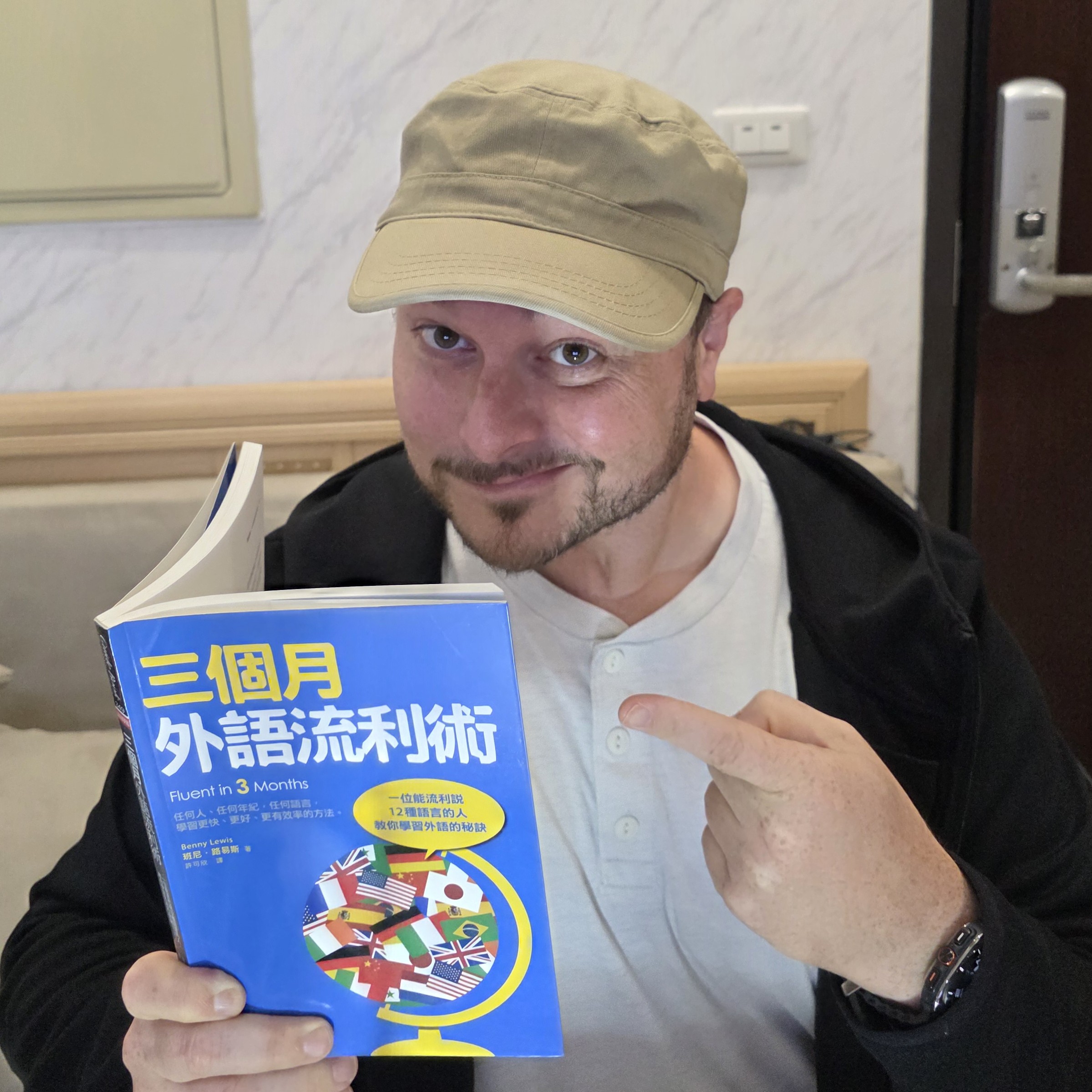
Unlike his traditional "speak from day one" approach for absolute beginners, Lewis has integrated formal grammar study into his morning routine. He is utilizing textbooks that specifically account for "Taiwanese Mandarin" (Guoyu), which differs from the "Standard Mandarin" (Putonghua) of mainland China in terms of lexicon, accent, and the use of traditional versus simplified characters. This focus aims to bridge the gap between functional communication and natural-sounding sentence structures.
2. Spaced Repetition Systems (SRS)
A core component of the revival project involves the use of Anki, a digital flashcard application based on spaced repetition. Lewis has recovered and updated proprietary data sets originally created during his 2012 mission. These decks contain vocabulary derived from personal interactions and localized lessons, which Lewis argues are more relevant to his specific conversational needs than generic public datasets. The recovery process required significant technical adaptation, as the 14-year-old files were incompatible with modern versions of the software.
3. Digital and Human Tutoring
The methodology leverages a hybrid model of human interaction and artificial intelligence. Lewis utilizes the platform Preply for multiple weekly sessions with various native-speaking instructors to ensure exposure to different speaking styles. Additionally, he has integrated AI-driven conversation tools to provide high-frequency practice at a lower cost, reflecting a broader trend in the language learning industry toward AI-augmented education.
The Linguistic Landscape of Taipei in 2024
While Taipei is a major international hub, the city provides a formidable environment for linguistic immersion. Lewis reports that despite the presence of English-speaking infrastructure in specific expat enclaves, daily logistical tasks—such as postal services, retail transactions, and food service—frequently require exclusive use of Mandarin.
Supporting data from the EF English Proficiency Index generally ranks Taiwan within the "High Proficiency" category globally; however, the practical reality for language learners is that many service industry professionals do not automatically switch to English when a foreigner struggles with Mandarin. Lewis noted that even in international chains like Starbucks, the absence of English-speaking staff in certain districts necessitates immediate recall of specialized vocabulary, such as "nóngsuō kāfēi" (espresso). This environmental pressure serves as a "forcing function," preventing the linguistic "laziness" often found in more Westernized global cities.
Deep Travel and Geographic Expansion
Following the initial residency in Taipei, Lewis intends to launch a "Deep Travel" project covering the broader geography of Taiwan. This follows his established pattern of exhaustive regional exploration, similar to his previous projects where he visited every state in Brazil, the 48 contiguous United States, and every province in South Korea.
The expansion into rural and secondary cities in Taiwan is expected to further decrease the availability of English-speaking facilitators, thereby increasing the intensity of the immersion. This phase of the project is designed to test the resilience of his revived Mandarin skills in environments where standard dialectal variations and local accents are more prevalent.
Analysis of Content Creation in the Age of Generative AI
The announcement of the Mandarin project also coincides with a strategic shift in the operations of the Fluent in 3 Months platform. Lewis addressed the evolving landscape of digital publishing, noting that the "how-to" guide model of blogging has been significantly disrupted by search engine AI snippets.
According to Lewis, the industry has seen a decline in the viability of traditional SEO-driven articles, as AI models often aggregate advice without directing traffic to the original creators. In response, Lewis is pivoting the blog back to its 2009–2013 roots: a focus on personal, human-centric narratives and long-form experiential journalism. He emphasized that while AI may be used for minor grammatical corrections, the core content remains human-authored to combat the rise of "AI slop"—low-quality, machine-generated content designed solely for search engine ranking.
Health and Discipline as Linguistic Catalysts
A secondary but relevant factor in Lewis’s current project is his physical transformation. He reported a loss of 25 kilograms (55 pounds) since the peak of the COVID-19 pandemic. His daily routine in Taipei includes over ninety minutes of running, which he integrates with his study schedule. Analysts in the field of cognitive science often point to the correlation between physical exercise and improved neuroplasticity, which may assist in the rapid re-acquisition of complex languages like Mandarin.
Broader Implications for the Language Learning Community
Lewis’s return to Mandarin highlights a critical but often overlooked aspect of polyglotism: the "maintenance phase." The project serves as a case study for learners on how to effectively restart a language after a long hiatus.
Key takeaways from the current project include:
- The Value of Historical Data: Retaining personal notes and custom-built vocabularies from previous study periods can accelerate the "re-learning" process.
- Methodological Flexibility: Adapting one’s approach based on the level of proficiency—such as introducing formal grammar at the intermediate stage—is more effective than adhering to a single philosophy.
- Environmental Selection: Choosing a location where English is not the default lingua franca is essential for breaking through plateaus.
As Lewis progresses into the "Deep Travel" phase of his Taiwanese expedition, the linguistic community will likely look to his results as a benchmark for the efficacy of modern immersion techniques. The project underscores the reality that language acquisition is not a destination but a continuous cycle of acquisition, attrition, and revival. Further updates are expected as Lewis moves beyond the capital and into the more linguistically demanding regions of the island.