



The modern dinner party has evolved from a simple gathering for sustenance into a complex exercise in sensory management and social engineering, where success is increasingly dictated by empirical data rather than mere intuition. While traditional hosting advice has long focused on the quality of recipes and the aesthetics of table settings, contemporary research in neuroscience and behavioral psychology suggests that the environment—ranging from the weight of the forks to the decibel level of background noise—plays a more significant role in guest satisfaction than previously understood. By applying specific, science-backed strategies, hosts can manipulate the sensory architecture of an evening to foster deeper social connections and enhance the perceived quality of the meal.
The Cognitive Limits of Social Interaction: Why Five to Eight is the Ideal Group Size
The foundation of a successful dinner party begins long before the first course is served, starting with the strategic selection of the guest list. According to the 2022 Canadian Social Connection Survey, the "sweet spot" for social enjoyment in a domestic setting lies between five and eight participants. This range is not arbitrary; it is rooted in the cognitive limitations of the human brain regarding multi-party communication.
Neuroscientific research indicates that the average person can effectively track the thoughts, emotions, and intentions of only about four individuals simultaneously, including themselves. This cognitive ceiling explains why gatherings of four or fewer can often feel strained; when a single conversation dominates the table, every participant is pushed to the limit of their attentional capacity. In contrast, a group of five to eight allows the dynamic to shift fluidly. Within this range, the group naturally bifurcates into smaller, manageable clusters, allowing for more intimate and cognitively comfortable exchanges.
However, the data suggests a sharp decline in emotional closeness once a group exceeds eight people. In larger settings, the "diffusion of responsibility" in conversation can lead to guests feeling overlooked, and the overall enjoyment of the event tends to decrease as the intimacy of the environment is lost.
Culinary Chemistry: The Psychological Impact of Flavor Profiles
Menu planning is frequently viewed through the lens of gastronomy, yet the psychological impact of specific flavor profiles can dictate the emotional temperature of the room. Rachel Herz, a neuroscientist and author of Why You Eat What You Eat, notes that certain flavors can trigger subconscious behavioral shifts. Specifically, empirical evidence suggests that the consumption of bitter substances is linked to increased feelings of hostility.
This biological response is partly defensive; in nature, bitterness often signals the presence of toxins. For approximately 25 percent of the population classified as "supertasters," this sensitivity is heightened due to a genetic predisposition that makes bitterness—found in foods like endive, Brussels sprouts, and certain dark chocolates—overwhelming and unpleasant. To ensure a harmonious atmosphere, experts recommend leaning toward savory, sweet, and umami-rich profiles that are more universally accepted and associated with comfort.

Furthermore, the structure of the meal itself affects guest behavior. While a host may feel that a wide variety of dishes demonstrates generosity, research into "sensory-specific satiety" suggests that overabundance can lead to physical discomfort. When presented with numerous options, guests tend to override their internal fullness cues to sample everything. This phenomenon is exacerbated in group settings; studies published in the Journal of Health Psychology show that individuals consume significantly more food when eating with others than when alone, often leading to post-meal lethargy or "food coma" that can stifle evening conversation.
Thermal Expectations and the Physics of Taste
The temperature at which food and beverages are served does more than just ensure safety; it fundamentally alters the chemical perception of flavor. Savory dishes are perceived as less salty when served at high temperatures, while the perception of sweetness intensifies as food warms up. This is due to the way TRPM5 taste channels in the tongue react to thermal stimuli.
Beyond the chemistry, there is a significant psychological component involving "expectation fulfillment." In a study regarding beverage consumption, it was noted that cultural norms dictate the enjoyment of temperature. For instance, American consumers typically expect beer to be served at near-freezing temperatures, whereas British consumers may prefer it slightly cooler than room temperature. If a host serves a dish at a temperature that contradicts a guest’s cultural or personal expectation, the brain registers a "prediction error," which can lead to a subconscious lowering of the overall enjoyment rating for the meal, regardless of the food’s actual quality.
The Architecture of the Table: Plate Color, Weight, and Size
The physical tools of the dining experience—the tableware—act as silent influencers on the palate. A growing body of research in "gastrophysics" suggests that the weight of cutlery can change the perceived value of a meal. In controlled restaurant experiments, diners using heavy, high-quality utensils reported that their food tasted better and were willing to pay a higher price for the experience than those using lighter, plastic, or low-grade metal cutlery. The brain associates physical weight with substance and quality, a heuristic that transfers directly to the food being consumed.
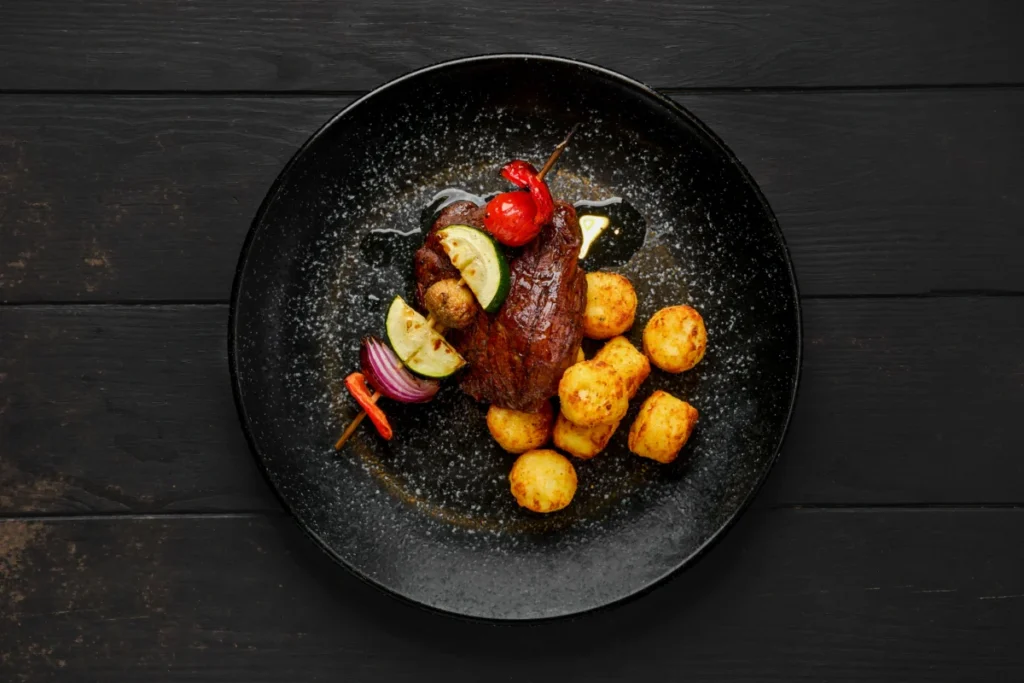
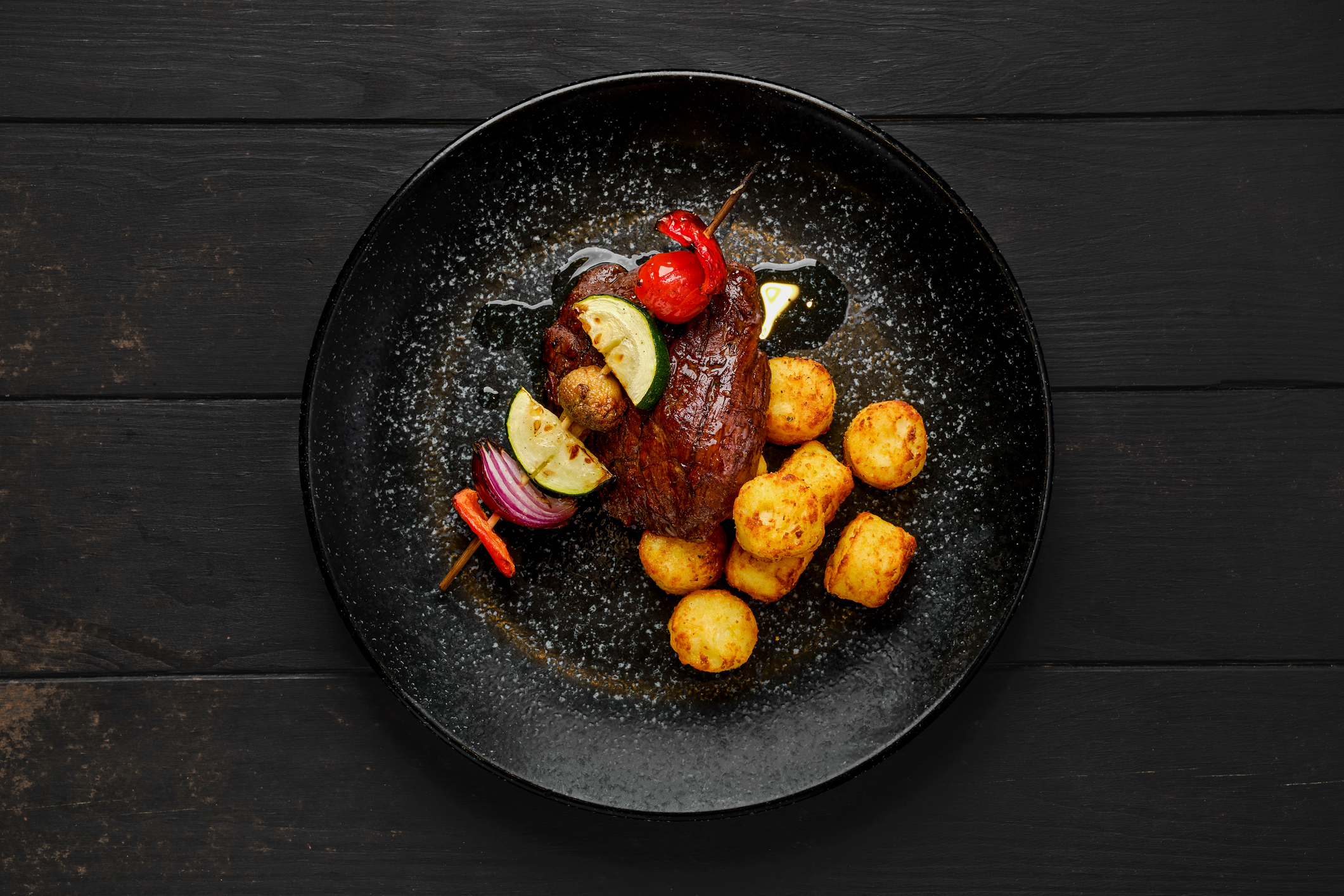
Plate color is another critical variable. White plates are considered the "safest" and most effective canvas for food. Research involving strawberry mousse demonstrated that the dessert was rated as significantly sweeter and more enjoyable when served on a white plate compared to a black one. The contrast provided by a white background allows the brain to process the visual cues of the food more clearly, enhancing the anticipatory dopamine response.
Conversely, red plates have been found to act as a subconscious "stop" signal. Data suggests that diners eat less when food is served on red tableware, as the color is associated with danger and prohibition in many biological and cultural contexts. While this might be useful for those focusing on portion control, it can inadvertently make dinner guests feel less comfortable or "allowed" to indulge.
Plate size also plays into the Delboeuf illusion—a shift in the perception of relative size. When a small portion is served on a large plate, the brain perceives it as insufficient, leading to dissatisfaction. However, when large plates are used, guests are conditioned to fill the available space, often leading to overeating. To maintain a balance where guests feel satisfied but not overstuffed, mid-sized plates are recommended.
Auditory and Visual Atmospheric Control
The ambiance of a dining room functions as the "background music" to the sensory experience of the food. Lighting should ideally be maintained at a low-to-medium level. Bright, glaring lights trigger a stress response and can make guests feel exposed, whereas softer lighting encourages relaxation and longer social engagement.
The role of music in dining is equally profound. Research has shown that different genres can accentuate specific flavors; for example, classical music is often paired with the perception of "sophistication" and can make wine taste sweeter and more delicate. Jazz has a documented affinity for enhancing the richness of chocolate.
Tempo is perhaps the most influential auditory factor. A study published in Appetite found that guests listening to slow-tempo music remained at the table longer, chewed their food more thoroughly, and reported higher levels of relaxation. In contrast, fast-tempo music increases the heart rate and the speed of consumption, which can lead to a rushed atmosphere. Volume must also be strictly managed; loud background noise has been proven to dampen the brain’s ability to perceive sweetness and saltiness, effectively "muting" the flavor of the chef’s hard work.
Olfactory Integration: The Danger of Non-Food Scents
The sense of smell is the only sense with a direct link to the limbic system, the part of the brain responsible for emotion and memory. Because of this, scent is a powerful tool—and a potential liability. Rachel Herz advises hosts to be extremely cautious with home fragrances. Scented candles, air fresheners, or heavy floral arrangements can create "olfactory interference."
If the aroma of a "Midnight Rose" candle competes with the scent of a roasted garlic chicken, the brain experiences sensory discordance. This mismatch can lead to a decrease in appetite or a general sense of unease among guests. The only exception to this rule is neutral or complementary scents, such as the smell of natural wood smoke from a fireplace, which many associate with the primal and comforting act of communal cooking. The primary goal of the dining room’s olfactory environment should be to allow the food’s natural aroma to take center stage, as 80 percent of what we perceive as "flavor" is actually derived from retronasal olfaction.
Broader Implications for Social Wellness
The shift toward a science-based approach to hosting reflects a broader societal trend: the pursuit of meaningful, high-quality social interaction in an era of digital distraction. As loneliness rates climb globally, the dinner party remains one of the few remaining bastions of sustained, face-to-face connection. By understanding the psychological and physiological triggers that govern human comfort and enjoyment, hosts can move beyond the stress of "performance" and focus on creating environments that genuinely foster well-being.
The data suggests that the perfect dinner party is not the result of a flawless performance or an expensive menu, but rather the result of a series of small, intentional choices that respect the biological realities of the guests. From the guest list to the lighting, the science of hosting provides a blueprint for a more connected and sensory-rich social life. In the end, the most successful hosts are those who realize that what is happening off the plate is just as vital as what is served on it.