


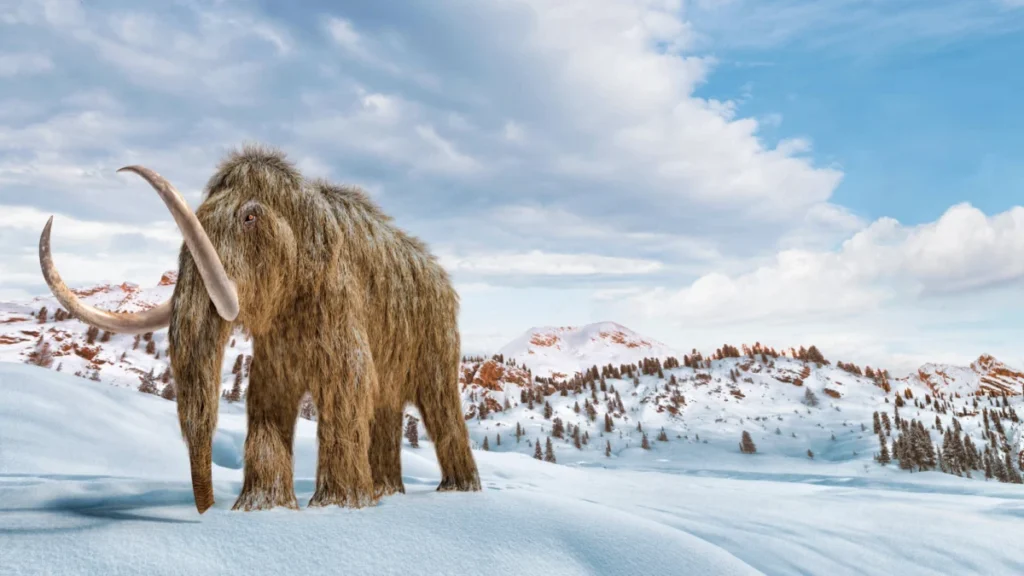
A comprehensive study published in the Proceedings of the National Academy of Sciences (PNAS) has revealed that the disappearance of Earth’s largest mammals between 50,000 and 10,000 years ago left a permanent mark on the planet’s ecological architecture. This "megafauna extinction," which saw the demise of saber-toothed cats, elephant-sized ground sloths, and car-sized wombats, did not merely remove individual species from the landscape; it fundamentally restructured the food webs that govern modern animal interactions. The research, led by ecologists at Michigan State University, suggests that the ripple effects of these ancient losses are still being felt today, particularly in North and South America, where the collapse of the prehistoric food chain was most severe.
The Legacy of the Pleistocene Giants
During the Pleistocene epoch, the Earth’s continents were populated by a diverse array of massive mammals known as megafauna. In North America, Smilodon, the iconic saber-toothed cat, hunted large herbivores with fangs that could reach seven inches in length. In South America, the Megatherium, a ground sloth weighing as much as a modern African elephant, foraged in the scrublands. Australia was home to the Diprotodon, a giant marsupial resembling a wombat the size of a small car. These animals were not just biological curiosities; they were functional cornerstones of their environments, influencing everything from seed dispersal and nutrient cycling to the population density of smaller species.
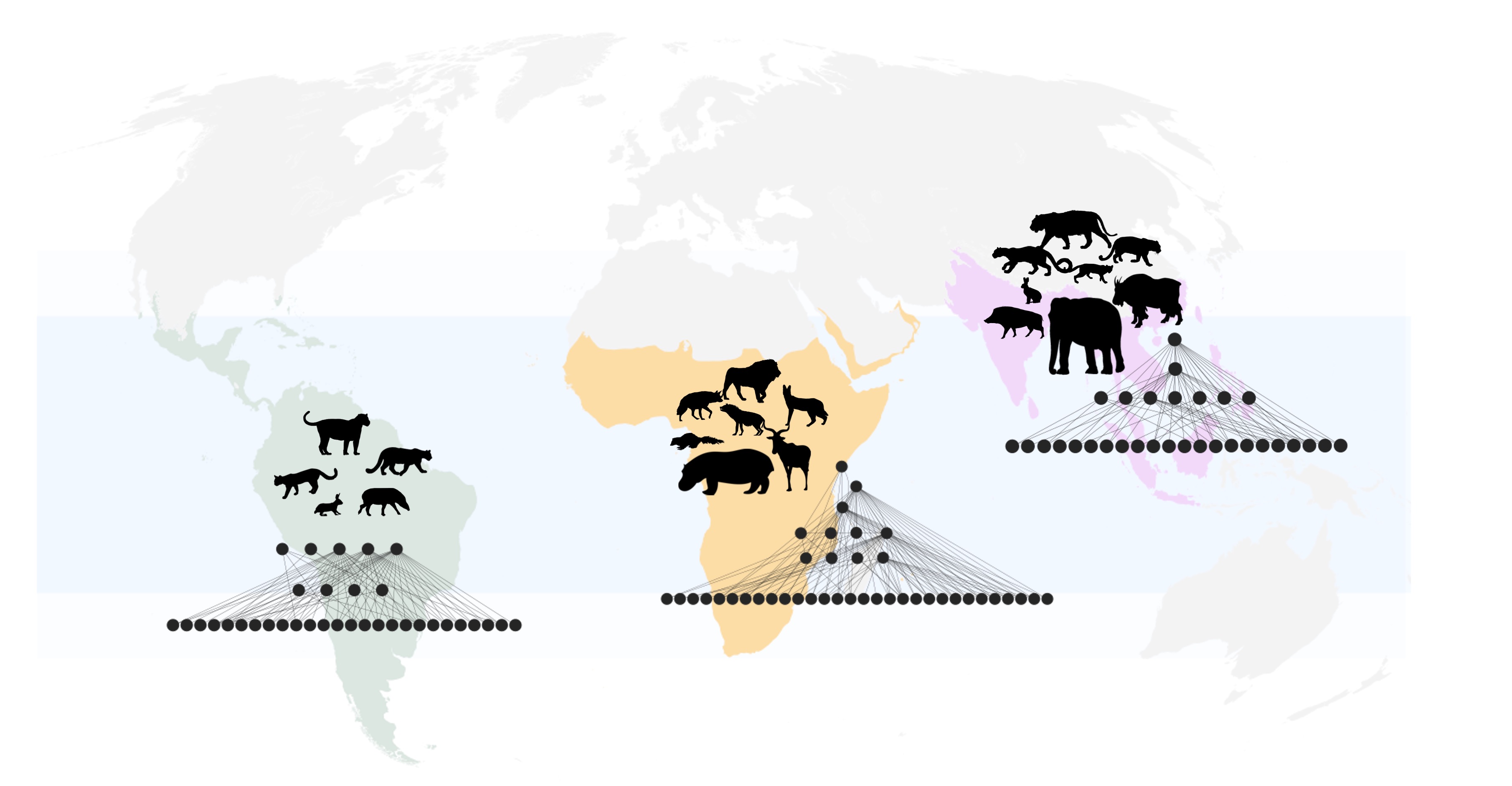
Between 50,000 and 10,000 years ago, a geological "blink of an eye," these giants vanished. While 10,000 years represents an immense span of human history, it is a negligible period in evolutionary time. The study led by Lydia Beaudrot and Chia Hsieh demonstrates that the modern food web is essentially a "thinned-out" version of its former self. By analyzing predator-prey relationships across 389 locations in tropical and subtropical regions, the research team identified a significant deficit in the complexity of modern ecosystems, specifically in the Western Hemisphere.
A Comparative Analysis of Global Food Webs
The research team examined the ecological dynamics of over 440 modern mammal species, including apex predators like lions, wolves, and bears, as well as large herbivores like elephants and various ungulates. The goal was to determine how the "ghosts" of extinct megafauna still influence who eats whom in the modern world. The study found a stark contrast between the food webs of Africa and Asia compared to those of the Americas.
In Africa and Asia, food webs remain relatively robust, characterized by a wider variety of prey sizes and a greater overlap in ecological traits among species. In contrast, the food webs in North and South America are notably simplified. Predators in these regions are forced to subsist on a narrower range of prey, which generally possess smaller body masses and less diverse behavioral patterns.
This disparity is directly linked to the severity of the Quaternary extinction event. While all continents experienced some degree of loss, the Americas were hit with disproportionate force. Data indicates that North and South America lost more than 75% of all mammal species weighing over 100 pounds during the late Pleistocene. This massive die-off removed the middle and upper tiers of the food chain, leaving a "bottom-heavy" ecosystem that lacks the functional redundancy found in regions where more megafauna survived.
Chronology of the Great Die-Off
The timeline of these extinctions provides critical context for the study’s findings. The disappearance of megafauna occurred in waves, often coinciding with the arrival of modern humans (Homo sapiens) in new territories or significant shifts in global climate.
- 50,000 – 40,000 Years Ago: Large-scale extinctions began in Australia shortly after the arrival of humans. Giants like the Diprotodon and the Mihirung (a flightless "demon duck") vanished.
- 15,000 – 13,000 Years Ago: As the last ice age began to wane, the megafauna of the Americas faced a dual crisis of rapid climate warming and the expansion of Clovis hunters. Mammoths, mastodons, and giant camels disappeared during this window.
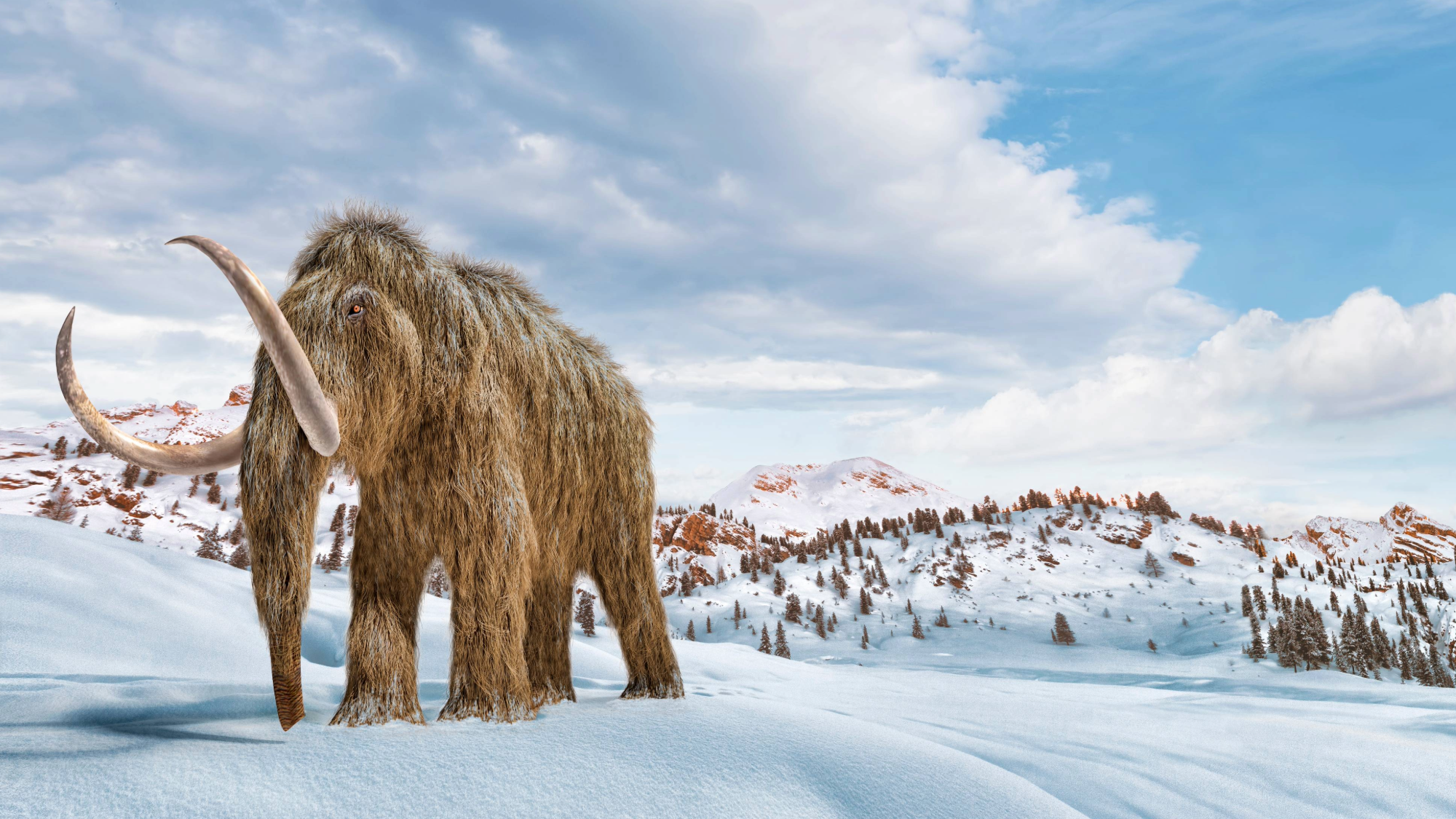
- 12,000 – 10,000 Years Ago: The final remnants of the Pleistocene giants, such as the giant deer (Morenelaphus brachyceros) in South America and the woolly mammoth in mainland Eurasia, went extinct.
The study highlights the giant deer as a prime example of how these losses cascaded through the system. Morenelaphus brachyceros, which weighed approximately 440 pounds, provided a substantial caloric resource for large predators like dire wolves and saber-toothed cats. When these deer went extinct, the predators lost their primary energy source, leading to their own eventual demise or a radical shift in their hunting habits toward much smaller, less efficient prey.
Trophic Downgrading and Functional Trait Narrowing
One of the most significant findings of the PNAS study is the concept of "functional trait narrowing." In an intact ecosystem, predators have access to prey with a wide variety of traits—different sizes, different activity patterns (nocturnal vs. diurnal), and different defense mechanisms. This diversity ensures that if one prey species declines, the predator can switch to another, maintaining the stability of the food web.
In the Americas, the loss of megafauna resulted in a "narrowing" of these traits. Modern predators like jaguars or cougars now interact with a prey base that is much more uniform than what existed 20,000 years ago. This lack of overlap makes the food web more brittle. If a single modern prey species, such as a specific type of deer or peccary, faces a population collapse due to disease or habitat loss, the predators have fewer alternatives to turn to, increasing the risk of secondary extinctions.
Chia Hsieh, a community ecologist and co-author of the study, noted that the lower part of the food web—the herbivores that convert plant energy into animal protein—was decimated. This "trophic downgrading" means that modern ecosystems are functioning at a lower energetic capacity than they were during the Pleistocene.
Scientific Debate: Climate Change vs. Human Impact
The cause of the megafauna extinction remains one of the most debated topics in paleontology and ecology. The PNAS study acknowledges two primary theories, both of which likely played a role in shaping the modern food web.
- The Overkill Hypothesis: This theory suggests that humans, as they migrated out of Africa, acted as "super-predators." Because animals in the Americas and Australia had not co-evolved with humans, they lacked the necessary "instinctive fear," making them easy targets for organized hunting. The rapid disappearance of large mammals shortly after human arrival in these regions supports this view.
- Climate and Environmental Stress: Proponents of this theory argue that the transition from the Pleistocene to the Holocene involved dramatic shifts in temperature and vegetation. The melting of glaciers changed the available forage, and large animals with slow reproductive cycles were unable to adapt to the shrinking "mammoth steppe" and other specialized habitats.
The MSU research emphasizes that regardless of the cause, the consequence was a permanent alteration of the biological landscape. The fact that African and Asian food webs are more intact today may be because those species co-evolved with humans over millions of years, developing the survival strategies necessary to persist despite human presence.
Implications for Modern Conservation and the Sixth Mass Extinction
The findings of this study arrive at a precarious moment for global biodiversity. Scientists widely agree that the planet is currently entering a "sixth mass extinction" event, this one driven entirely by human activity, including habitat destruction, pollution, and anthropogenic climate change.
Currently, nearly 50% of all mammal species weighing over 20 pounds are classified as vulnerable, endangered, or critically endangered by the International Union for Conservation of Nature (IUCN). The MSU study serves as a warning: the loss of these large animals will not just be a loss of individual species but will cause a structural collapse of food webs that could take tens of thousands of years to stabilize—if they stabilize at all.
By understanding how the extinctions of the past thinned out the food web, conservationists can better predict which modern ecosystems are most at risk. Areas with low "trait overlap" and simplified food webs, such as many regions in the Americas, are likely more vulnerable to current environmental pressures.
Conclusion and Future Research
The research team plans to expand their work to investigate whether the historical loss of megafauna has made certain modern animal communities more susceptible to invasive species or climate-driven collapses. "By studying the past, we can also try to understand what to expect in the future," Hsieh concluded.
The study underscores a vital ecological truth: the environment we see today is not a "natural" baseline, but rather a scarred landscape recovering from a massive biological trauma. As modern humans continue to exert pressure on the world’s remaining large mammals—from the forest elephants of Africa to the tigers of Asia—we risk triggering a new wave of trophic collapses that will haunt the Earth’s food webs for another 10,000 years. The gaping hole left by the mammoths and saber-toothed cats is a reminder that once the giants are gone, the web of life remains permanently frayed.