


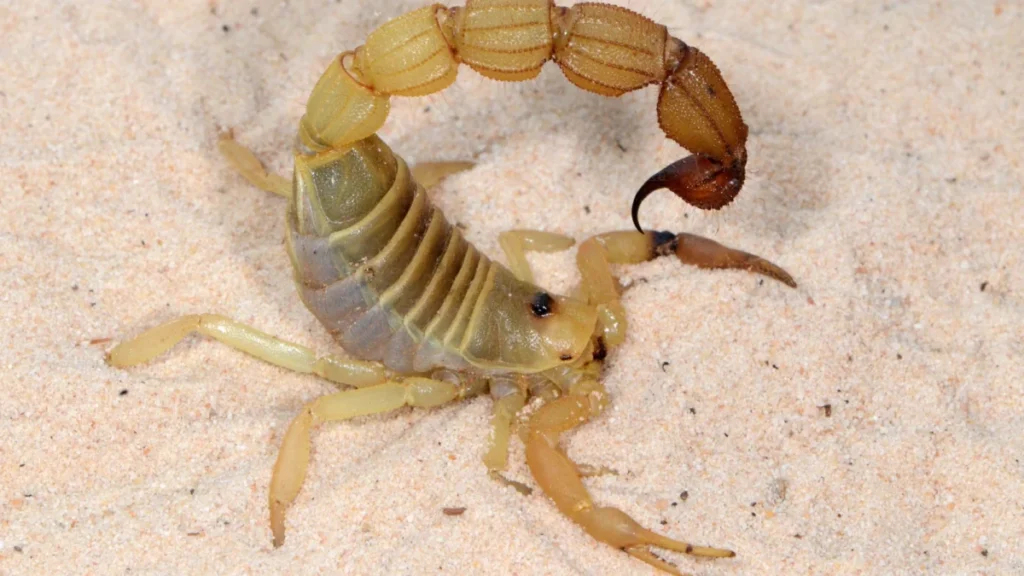
Scorpions have occupied a specialized ecological niche as apex invertebrate predators for more than 430 million years, surviving multiple mass extinction events through a combination of physiological resilience and highly specialized hunting apparatuses. While their chitinous exoskeletons and venomous capabilities are well-documented, recent breakthroughs in microanalytical research have revealed a hidden layer of complexity within their biological weaponry: the strategic integration of trace metals. A comprehensive study led by researchers from the University of Queensland and the Smithsonian Institution has mapped the distribution of these metals across various species, providing new insights into how evolution optimizes the mechanical properties of biological tissues to ensure predatory success.
The Evolutionary Context of Scorpion Anatomy
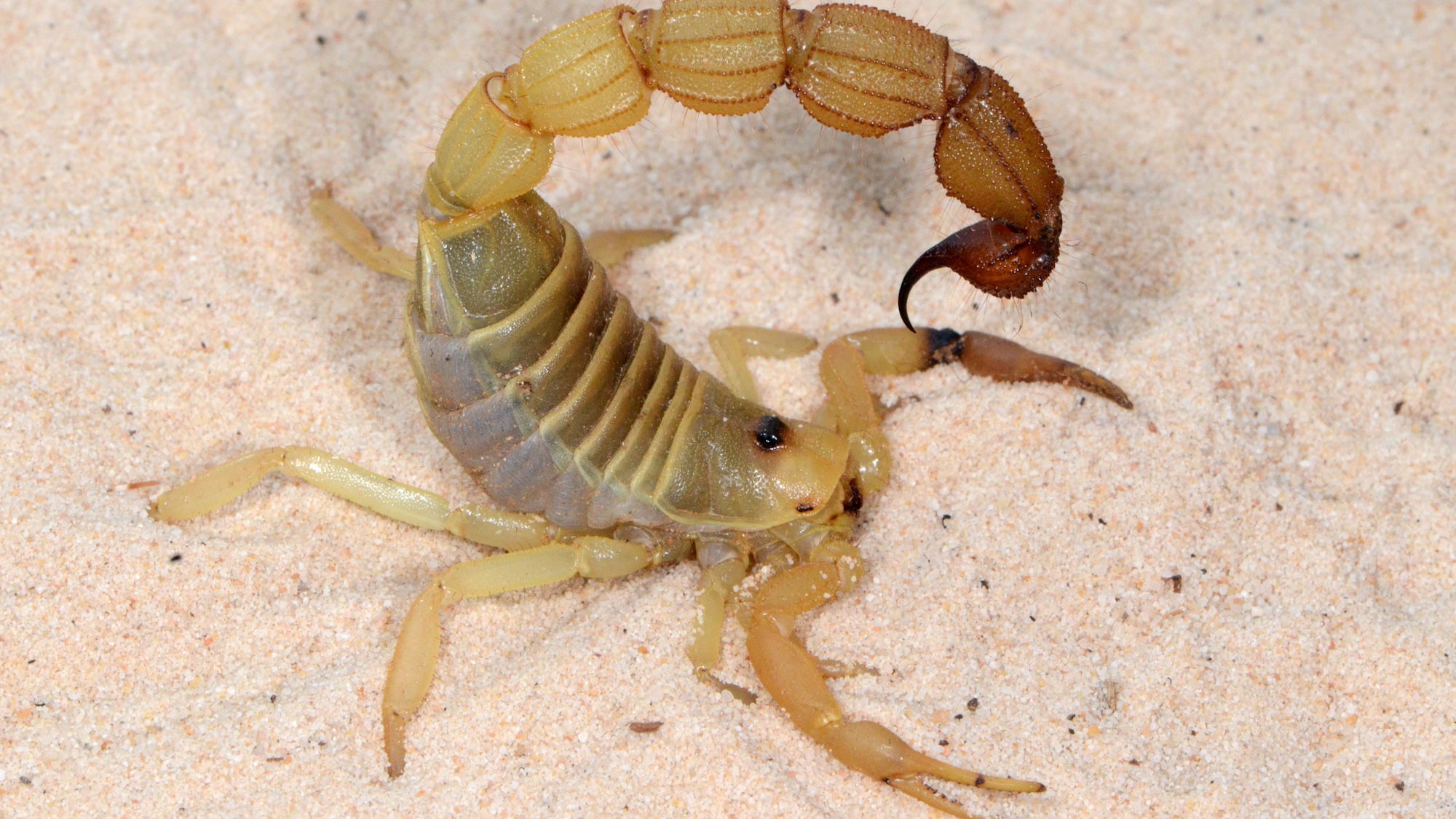
Scorpions are among the oldest terrestrial arthropods, with a fossil record stretching back to the Silurian period. Their survival is largely attributed to a body plan that has remained remarkably consistent over hundreds of millions of years. This plan includes the cephalothorax, the abdomen, and the metasoma, the latter of which terminates in the telson, or stinger. For defense and prey capture, they utilize their pedipalps, which have evolved into powerful pincers known as chelae.
For decades, entomologists and biologists have suspected that the "hardness" of these weapons was not solely the result of sclerotization—the process by which the protein and chitin in the exoskeleton are hardened through chemical cross-linking. While sclerotization provides significant structural integrity, it often lacks the extreme durability required for piercing the shells of other insects or the thick hides of small mammals. The detection of trace metals within the exoskeleton suggested a form of biological "alloying," yet the specific concentrations and the evolutionary logic behind their distribution remained largely speculative until now.
Methodology and the Smithsonian Fellowship
The research was spearheaded by Sam Campbell, an environmental scientist at the University of Queensland, during a Smithsonian fellowship at the National Museum of Natural History in Washington, D.C. To achieve a high-fidelity map of metallic distribution, the research team utilized the museum’s extensive collection, which houses thousands of specimens representing a significant portion of the world’s estimated 3,000 scorpion species.
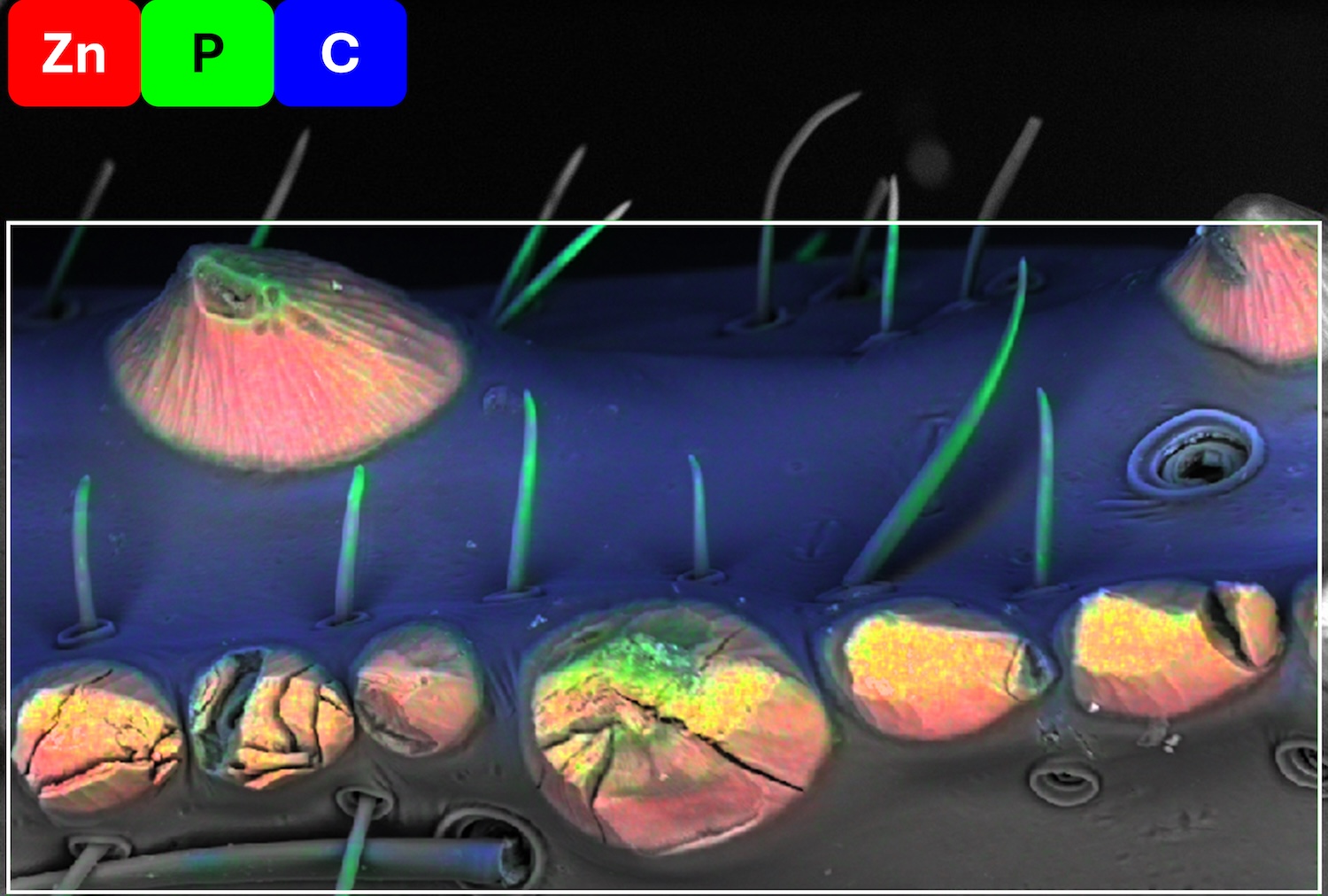
The team selected 18 distinct species for analysis, representing a wide range of ecological backgrounds and hunting strategies. Using advanced microanalytical techniques, including high-resolution back-scatter electron (BSE) scanning electron microscopy (SEM) and X-ray spectral imaging, the researchers were able to visualize the elemental composition of the scorpions’ stingers and pincers at a microscopic scale. This approach allowed for the identification of specific "enrichment zones" where metals like zinc, manganese, and iron were concentrated.
The Stinger: Zinc Tips and Manganese Foundations
The telson, or stinger, is perhaps the most iconic feature of the scorpion. The study’s findings revealed a highly sophisticated layering of metals within this structure. In species such as the yellow fat-tailed scorpion (Androctonus australis), the needle-like tip of the stinger—the aculeus—was found to be heavily enriched with zinc.
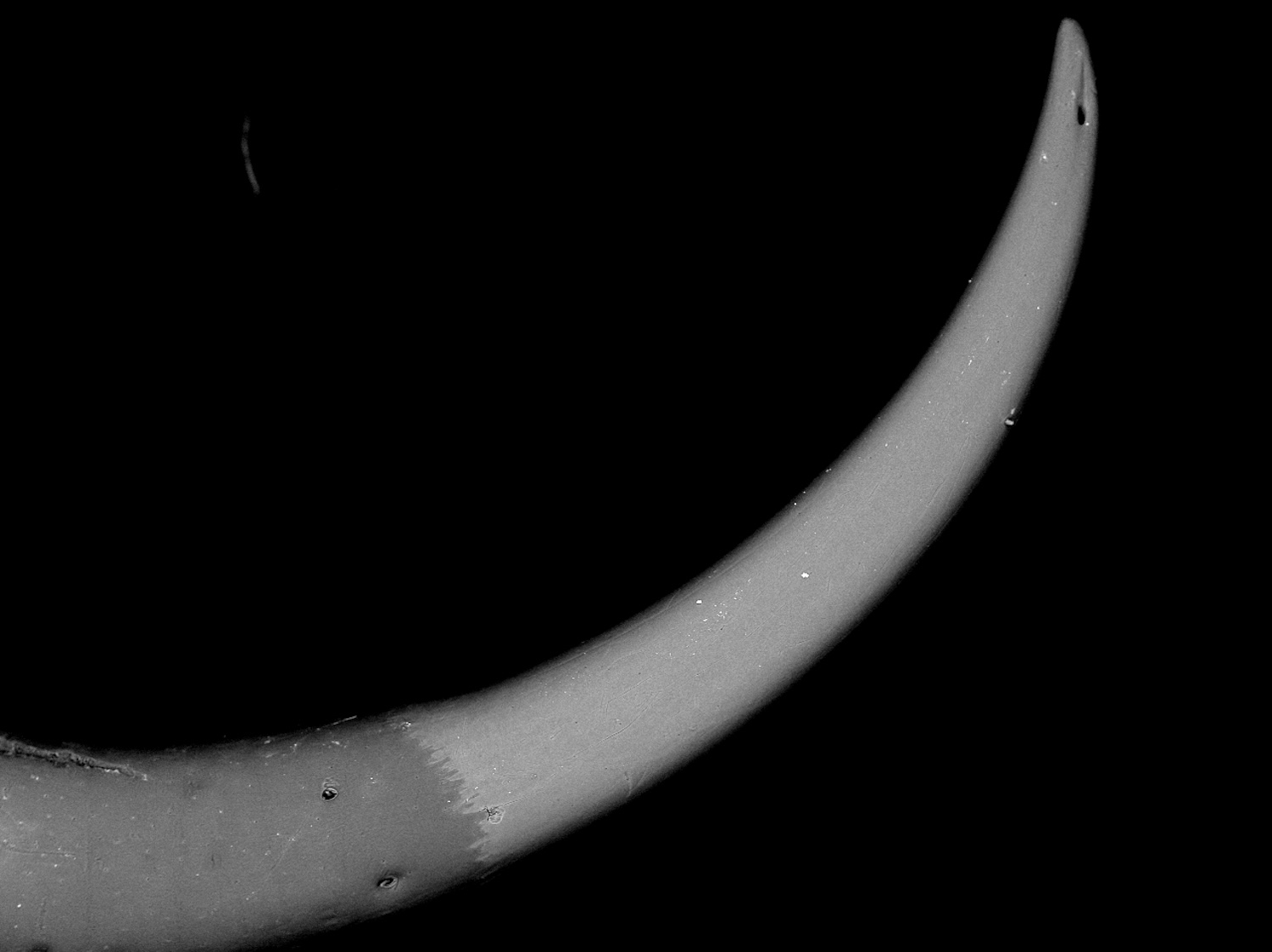
This zinc enrichment is not uniform. Instead, it is concentrated at the very point of impact, where the mechanical stress of piercing is highest. Immediately following the zinc-rich tip, researchers identified a secondary layer enriched with manganese. This dual-layering suggests a gradient of hardness and flexibility. While the zinc provides the necessary hardness to penetrate tough surfaces, the manganese may act as a structural stabilizer, preventing the brittle zinc-heavy tip from shattering upon impact.
One of the most significant discoveries in the stinger analysis was what the team termed the "enrichment transition zone." This is a clear, abrupt line where the metal enrichment ends and the standard chitinous exoskeleton begins. Observations of both museum specimens and wild scorpions showed that when a stinger breaks, it almost invariably snaps at or near this transition zone. This suggests that while the metal makes the weapon more effective, it also creates a mechanical "weak point" where the material properties of the enriched tissue meet the more flexible base of the telson.
The Pincers: Zinc, Iron, and the Paradox of Strength
In addition to the stinger, the researchers examined the pincers, specifically the "teeth" or denticles located on the cutting edges of the chelae. The analysis focused on the tarsus, the movable portion of the pincer. Here, the team pinpointed high concentrations of zinc, and in some species, a combination of zinc and iron.
Prior to the study, the prevailing hypothesis among entomologists was that larger, more powerful pincers used for crushing prey would contain the highest concentrations of metal. However, the data revealed a surprising evolutionary trade-off. Species with thinner, more elongated pincers—claws typically used for precision grasping rather than raw crushing power—actually exhibited higher levels of zinc enrichment.
"This points to a role for zinc beyond hardness, perhaps playing a bigger role in durability," explained Sam Campbell. The researchers theorize that for scorpions with slender claws, the primary challenge is not crushing the prey but maintaining a secure grip. A thin claw is more prone to bending or wearing down; the inclusion of zinc ensures that the "teeth" of the pincer remain sharp and intact through repeated use, preventing prey from escaping before the venomous stinger can be deployed.
Comparative Biology and Broader Implications
The use of metals in biological structures is not unique to scorpions. Similar adaptations have been observed in other members of the Mandibulata and Chelicerata subphyla. For example:
- Leaf-cutter ants: Use zinc-enriched mandibles to slice through tough vegetation.
- Spider fangs: Often contain zinc or copper to aid in the penetration of insect cuticles.
- Marine worms: Some species possess "jaws" reinforced with copper.
By establishing a clear baseline for how 18 different scorpion species utilize these metals, the study provides a framework for understanding how metal-reinforcement evolution occurs across the broader arthropod world. The research suggests that the "choice" of metal—whether zinc, manganese, or iron—is closely tied to the specific mechanical demands of the animal’s lifestyle.
Edward Vincenzi, a research scientist at the Smithsonian’s Museum Conservation Institute and co-author of the study, noted that the microscopic-scale methods used in this research highlight how nature has "skillfully engineered" these materials. This "nature-as-engineer" perspective has significant implications for biomimicry and materials science. By studying the transition zones and the layering of metals in scorpions, human engineers may be able to develop new synthetic materials that mimic the durability and sharpness of biological weapons without the weight or brittleness of traditional alloys.
Chronology of the Research and Publication
The path to these findings involved several stages of cross-disciplinary collaboration:
- Initial Observation: Trace metals were first detected in scorpion exoskeletons in the late 20th century, but technology lacked the resolution to map them precisely.
- The Fellowship: Sam Campbell began his fellowship at the Smithsonian, gaining access to the National Museum of Natural History’s vast collection.
- Data Collection: Over several months, 18 species were subjected to SEM and X-ray analysis at the Museum Conservation Institute.
- Analysis: The team compared metal distribution against the known hunting behaviors and claw morphologies of the species.
- Publication: The full findings were published in the Journal of The Royal Society Interface in early 2025, providing the most detailed account of metallic enrichment in scorpions to date.
Conclusion: The Precision of Natural Selection
The revelation that scorpions utilize metallic reinforcements in their stingers and pincers serves as a testament to the precision of natural selection. These animals have not simply "stumbled" upon metal usage; they have evolved a sophisticated system of material science that allows them to maintain their status as efficient predators.
The discovery that zinc enrichment is more prevalent in delicate, grasping claws than in heavy crushing claws shifts the scientific understanding of how biological "armor" works. It suggests that durability—the ability to withstand wear and tear over a lifetime—is often a more critical evolutionary driver than raw strength.
As researchers continue to explore the molecular and genetic pathways that allow scorpions to extract these metals from their environment and deposit them into their exoskeletons, the potential for new discoveries in ecology and evolutionary biology remains vast. For now, the "metallic" scorpion stands as a reminder that even the most ancient creatures continue to hold secrets that challenge our understanding of the natural world.