



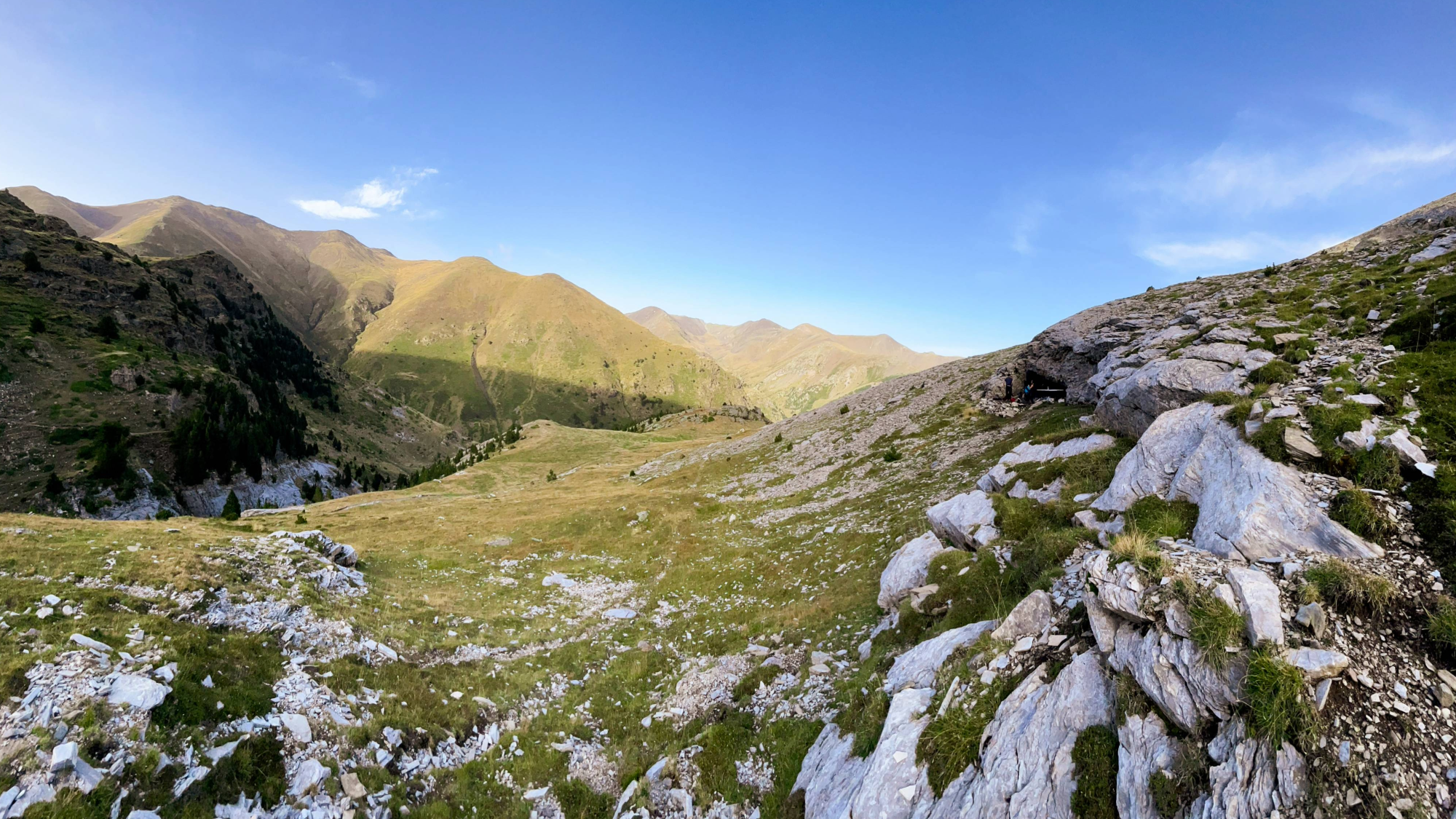
The discovery of Cave 338 in the Núria Valley of the Pyrenees Mountains has provided archaeologists with a profound new understanding of how prehistoric humans interacted with high-altitude environments. Located at 7,332 feet (2,235 meters) above sea level, the site contains evidence of human activity spanning thousands of years, suggesting that these unforgiving heights were not merely transit points but centers of specialized activity, including mining and ritualistic burials. A study published in the journal Frontiers in Environmental Archaeology details the findings of a multidisciplinary team that uncovered hearths, jewelry, and human remains, indicating a consistent human presence dating back as far as 5,500 years.
For decades, the prevailing consensus among archaeologists was that high-mountain environments were largely avoided by prehistoric communities due to the physiological stresses of hypoxia, extreme weather, and difficult terrain. It was believed that ancient populations only traversed these regions out of necessity while moving between low-lying valleys. However, the density of artifacts and the complexity of the features found within Cave 338 suggest a much more intentional and repetitive use of the landscape during the Neolithic and Bronze Age periods.
Geographical and Archaeological Context of the Núria Valley
The Núria Valley, situated in the Queralbs municipality of the Ripollès region in Spain, is characterized by its steep glacial topography and alpine climate. At over 7,000 feet, the environment is defined by thin air and a short growing season, making it a challenging location for long-term habitation. Despite these hurdles, Cave 338 served as a focal point for ancient groups for over two millennia.
The excavation, led by researchers from the Catalan Institute of Human Paleoecology and Social Evolution (IPHES-CERCA) and the University of Granada, involved a meticulous analysis of the cave’s stratigraphy. The team identified four distinct sediment layers, each representing a different epoch of human interaction with the site.
The oldest layer, Layer 4, dates back approximately 6,000 years, marking the earliest known use of the cave. While this layer showed sporadic activity, it was Layers 2 and 3 that provided the most significant insights. These strata, dating between 3,000 and 5,500 years ago, revealed a period of intensive, albeit seasonal, occupation. The most recent layer, Layer 1, showed much thinner deposits, suggesting that as human societies transitioned into later historical periods, the specific utility of this high-altitude cave diminished.
Evidence of Early Metallurgical Activity
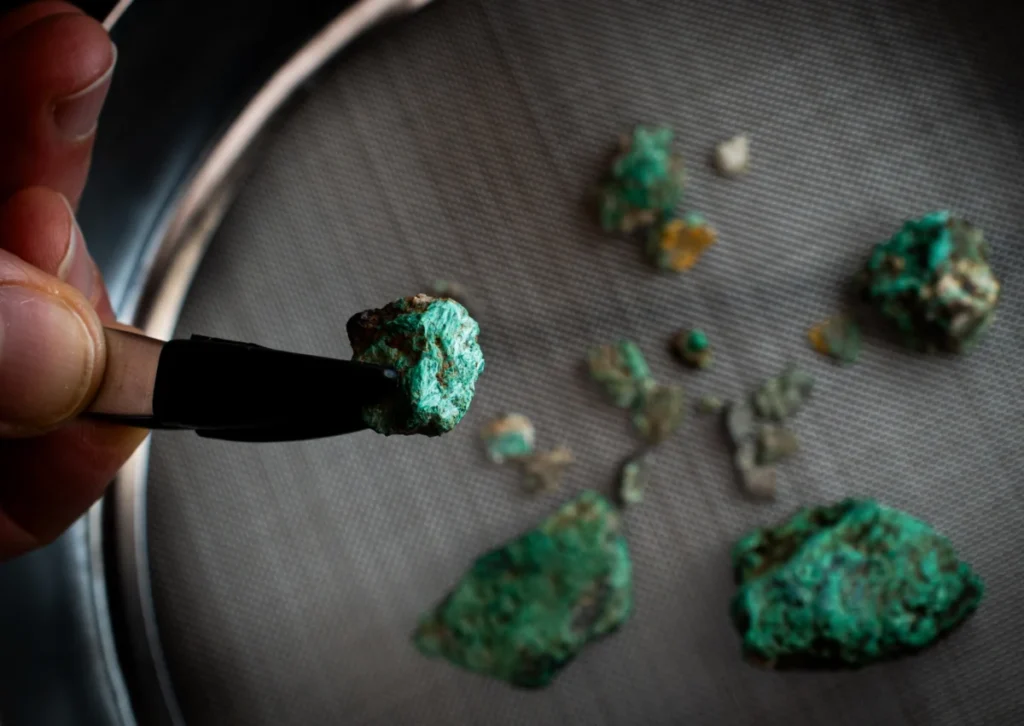
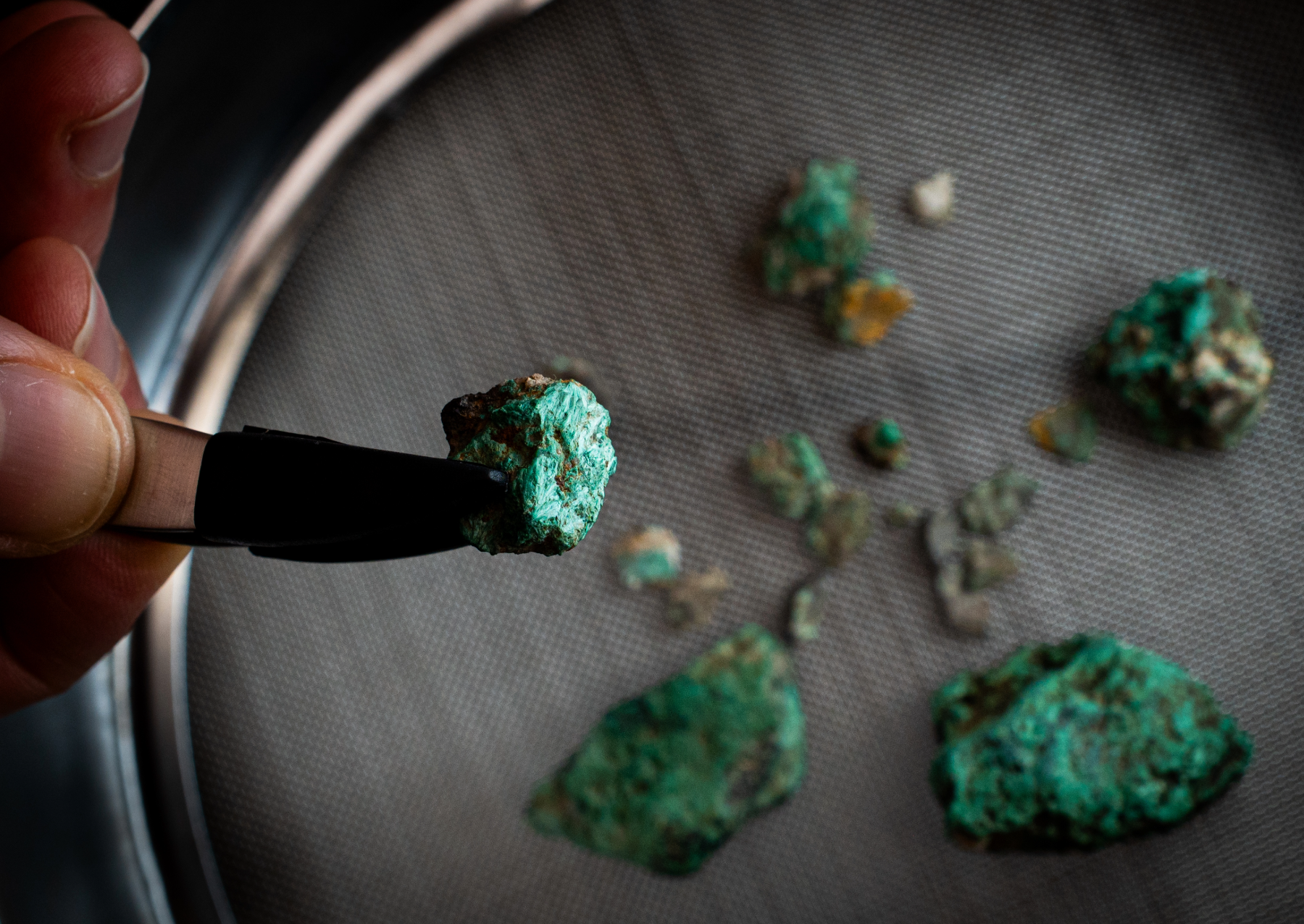
One of the most striking discoveries within Cave 338 was the presence of 23 distinct hearths. Unlike simple campfires used for warmth or cooking, these hearths were found in close proximity to crushed and thermally altered green mineral fragments. Preliminary analysis identifies these fragments as malachite, a copper carbonate hydroxide mineral that was highly prized in antiquity for its use in producing copper.
The presence of malachite suggests that Cave 338 may have functioned as a high-altitude mining or processing camp. The thermal alteration of the minerals indicates that the fires were used deliberately to process the ore, a precursor to the more advanced smelting techniques that would define the Bronze Age.
Dr. Julia Montes-Landa, an archaeologist and archaeometallurgist at the University of Granada and co-author of the study, emphasized the intentionality of these fires. According to Dr. Montes-Landa, the fact that the mineral fragments were burned while other materials in the cave were not indicates a controlled industrial process. The overlapping nature of the hearths further suggests that different groups returned to the same spot over centuries, reusing the cave for the same specialized purpose. This level of site fidelity challenges the notion of "accidental" or "transient" mountain use.
Human Remains and Ritualistic Significance
In addition to the industrial evidence, Cave 338 served a somber social function. Within the third stratigraphic layer, researchers recovered a finger bone and a deciduous tooth (baby tooth) belonging to at least one child. Bioarchaeological analysis suggests the child was approximately 11 years old at the time of death.
While the cause of death remains unknown, the presence of these remains at such a high altitude raises questions about the social composition of the groups visiting the cave. The discovery suggests that these were not just groups of specialized male laborers or hunters, but likely included families or larger communal units.
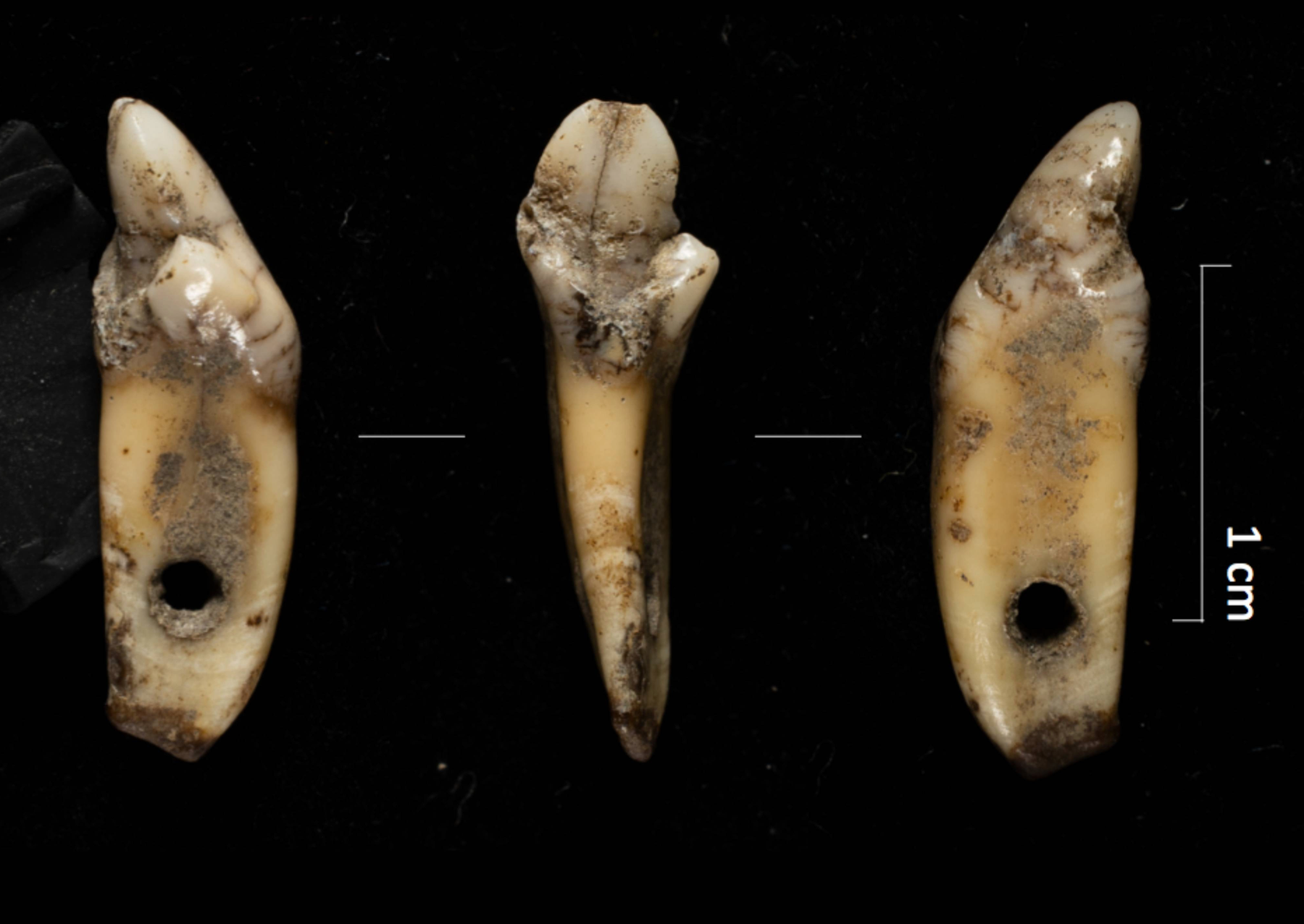
The find is bolstered by the discovery of two ornamental pendants in the second layer. One pendant was crafted from a marine shell, while the other was made from the incisor of a brown bear. The shell pendant is particularly significant as it indicates long-distance trade or movement; the Núria Valley is far from the coast, meaning the shell had to be transported across significant distances, likely from the Mediterranean.
Dr. Carlos Tornero, a zooarchaeologist at IPHES-CERCA, noted that the shell pendant shares stylistic similarities with artifacts found at other Neolithic sites in Catalonia, suggesting that the people using Cave 338 were part of a broader cultural network. Conversely, the bear tooth pendant represents a connection to the immediate local environment, symbolizing the dangers and resources of the Pyrenean wilderness.
Chronology of Occupation and Site Fidelity
The timeline of Cave 338 provides a window into the transition from the Late Neolithic to the Bronze Age in Western Europe. The chronological data can be summarized as follows:
- 6,000 Years Ago (Layer 4): Initial exploration and sporadic use of the cave.
- 5,500 to 3,500 Years Ago (Layers 3 and 2): Peak activity characterized by frequent, repeated visits. This period coincides with the "Copper Age" (Chalcolithic), explaining the presence of malachite and the numerous hearths.
- 3,000 Years Ago to Present (Layer 1): A decline in intensive use, with the cave serving as a temporary shelter for shepherds or travelers rather than a site of industrial or ritual importance.
The "density of remains," as described by the research team, suggests that while the occupations were not permanent—likely limited to the summer months when the mountain passes were clear of snow—they were of "short to medium duration" and occurred with remarkable regularity. This suggests a seasonal cycle where communities moved into the high mountains to exploit mineral resources or graze livestock, returning to the lower valleys for the winter.
Implications for Archaeological Theory
The findings at Cave 338 contribute to a growing body of evidence that prehistoric humans were much more capable of adapting to extreme environments than previously thought. The physiological demands of working at 7,300 feet—including increased heart rate and the need for greater caloric intake—did not deter these ancient populations from establishing a sophisticated system of resource extraction and symbolic expression.
This discovery aligns with other recent high-altitude finds across the globe, such as prehistoric settlements in the Andes and the Tibetan Plateau, which have forced a recalibration of human migration timelines. In the context of the Pyrenees, Cave 338 suggests that the mountains were a "managed landscape" rather than a wilderness barrier.
The integration of mining, burial, and jewelry-making at a single site suggests that for prehistoric humans, there was no clear divide between the "utilitarian" and the "sacred." The act of extracting copper from the earth may have been intertwined with the ritual of burying the dead, making the cave a site of both physical and spiritual transformation.
Future Research and Summer Fieldwork
Despite the wealth of data already recovered, many questions remain. The research team plans to return to the Núria Valley for additional fieldwork. One of the primary goals of the upcoming season is to conduct a definitive chemical and mineralogical analysis of the green mineral fragments to confirm their origin and the exact temperatures at which they were processed.
Furthermore, the team hopes to determine if the human remains found in Layer 3 belong to a single individual or if the cave contains a larger, undetected burial ground. Advanced DNA analysis and stable isotope testing could reveal the geographic origins of the child, providing concrete evidence of whether these high-altitude visitors were local mountain dwellers or migrants from the coastal plains.
The ongoing study of Cave 338 serves as a reminder that the history of human innovation and endurance is often hidden in the most inaccessible places. As researchers continue to peel back the layers of the Pyrenean soil, the story of our ancestors’ relationship with the mountains continues to grow more complex, revealing a legacy of resilience that spans millennia.