


In a significant leap toward the integration of biological systems into urban infrastructure, researchers at the University of Colorado Boulder have successfully engineered a method to sustain the bioluminescent glow of marine algae for extended periods, potentially paving the way for a future where living organisms replace traditional electric lighting. The study, led by civil engineer Wil Srubar and published in the journal Science Advances, demonstrates that the dinoflagellate species Pyrocystis lunula can be chemically stimulated to emit light for nearly half an hour—a massive increase from the mere milliseconds typical of its natural response to mechanical agitation. By embedding these microorganisms into 3D-printed hydrogels, the team has created "living light" materials that not only provide illumination without electricity but also actively sequester carbon dioxide from the atmosphere, offering a dual-solution to the dual crises of energy consumption and climate change.
The Science of Living Light: Understanding Pyrocystis Lunula
Bioluminescence is a widespread phenomenon in nature, particularly within the marine environment. It is estimated that approximately 90 percent of organisms living in the deep ocean possess some form of bioluminescent capability, using chemical reactions within their cells to produce light for communication, defense, or predation. Pyrocystis lunula, a species of unicellular marine algae known as a dinoflagellate, is one of the most prominent producers of this "cold light" in the upper layers of the ocean. In the wild, these organisms are responsible for the glowing wakes of ships and the shimmering crests of breaking waves.
The biological mechanism behind this glow involves a reaction between a light-emitting molecule called luciferin and an enzyme known as luciferase. In the case of P. lunula, this reaction is typically triggered by shear stress—physical movement or agitation in the water. However, the resulting flash is fleeting, lasting only a fraction of a second. This brief duration has historically limited the practical application of bioluminescent algae in human-engineered systems. The breakthrough at CU Boulder lies in the discovery of a chemical "switch" that bypasses the need for physical agitation, allowing the algae to remain illuminated in a steady, controlled manner.
Experimental Chronology: From Fleeting Flashes to Sustained Glow
The research project began as a "moonshot" inquiry into whether biology could fundamentally replace the hardware of the modern electrical grid. The team, including lead author Giulia Brachi, focused on the metabolic and chemical pathways that govern the bioluminescent cycle of P. lunula. Their hypothesis centered on the idea that if the internal pH of the algae could be manipulated without killing the organism, the light-producing reaction could be extended.
The experimental process followed a rigorous timeline of testing and refinement:
- Chemical Screening: The researchers first assessed the algae’s response to various chemical stimulants. They focused on pH levels, testing the organisms’ reactions to both acidic and basic environments.
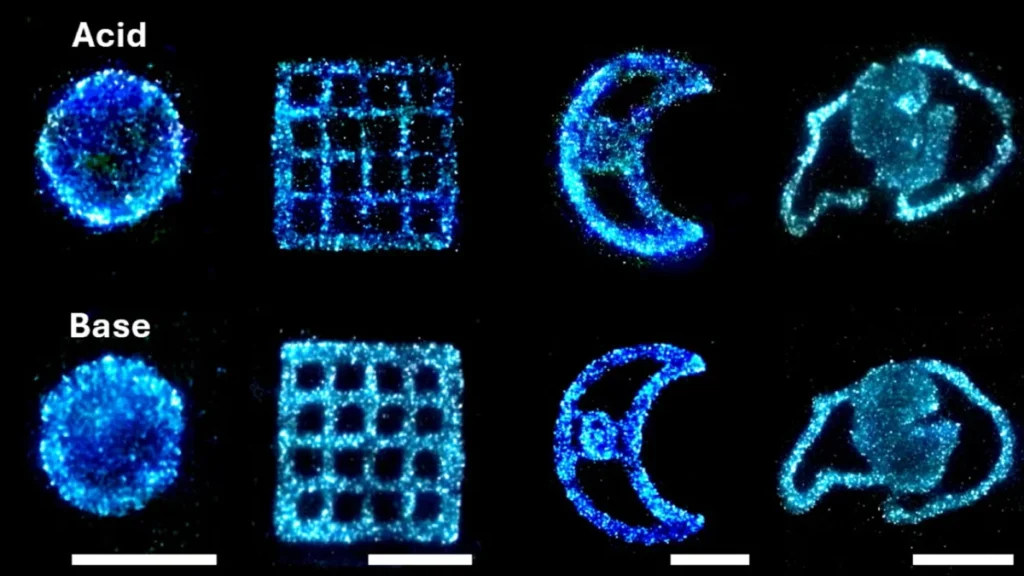
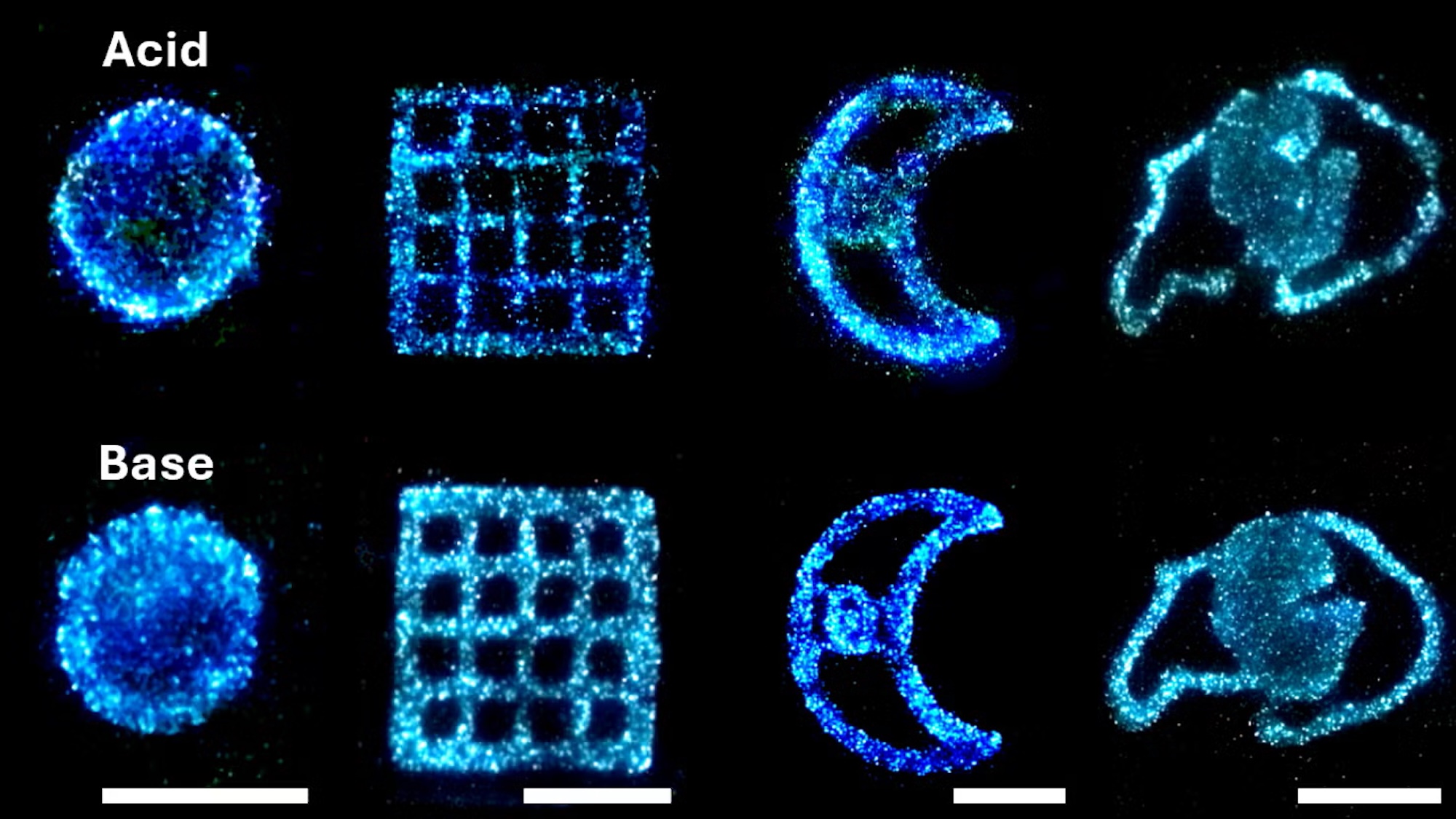
- The pH Breakthrough: The team discovered that exposure to an acidic compound with a pH of 4 (roughly equivalent to the acidity of tomato juice) triggered a bright, sustained bioluminescent response. Conversely, a more basic compound with a pH of 10 (similar to hand soap) produced a shorter, more diffused glow.
- Optimization of Duration: Through iterative testing, the researchers found that under specific acidic conditions, the algae could maintain a continuous glow for up to 25 minutes. This represented a thousand-fold increase over the natural duration of the bioluminescent flash.
- Encapsulation and Longevity: To transition from a laboratory liquid culture to a functional material, the engineers embedded the algae into a naturally sourced hydrogel. Using 3D-printing technology, they created various shapes—including stars and lattices—infused with the living organisms.
- Sustainability Testing: Over a period of four weeks, the team monitored the health and brightness of the algae within the hydrogels. They found that because the chemical stimulants were not lethal at the concentrations used, the algae remained viable. Even after a month, the acid-treated samples retained 75 percent of their initial brightness.
Quantitative Data and Comparative Analysis
The data gathered during the study highlights the efficiency of biological light compared to traditional methods. While a 25-minute glow may seem short compared to a lightbulb that stays on for hours, the researchers emphasize that the algae can be "recharged" through their natural circadian rhythm. P. lunula is photosynthetic; it gathers energy from sunlight during the day and reserves its bioluminescent capacity for the night.
In terms of brightness, the acid-stimulated algae produced a peak intensity that was significantly higher than the baseline mechanical agitation. The study recorded that the acidic stimulus maintained a lumen output sufficient for visibility in dark environments, such as hallways or underwater cabins, for the duration of the 25-minute window.
Furthermore, the environmental metrics of this "living light" are starkly different from conventional lighting. Conventional LED or incandescent lighting requires a constant draw of electricity, which, in most parts of the world, is still generated by burning fossil fuels. In contrast, P. lunula is a carbon-negative light source. As a photosynthetic organism, it consumes carbon dioxide to fuel its growth and metabolic processes. The researchers noted that for every unit of light produced, the algae are simultaneously removing CO2 from the immediate environment, making it a "net-positive" technology for the planet.
Official Responses and Engineering Perspectives
The implications of this research have drawn significant interest from the fields of civil engineering, synthetic biology, and sustainable design. Wil Srubar, who heads the Living Materials Laboratory at CU Boulder, views this as a paradigm shift in how we think about the built environment. "We are moving toward a world where our buildings and objects aren’t just inert piles of steel and concrete, but are living, breathing entities that contribute to the ecosystem," Srubar stated in a post-publication briefing.
Giulia Brachi, the study’s co-author, emphasized the technical milestone of the discovery. "The most exciting moment was identifying the exact chemical stimulant that didn’t just trigger the light, but kept it on. This is the first time we have figured out how to sustain luminescence in a way that is compatible with the long-term survival of the organism," Brachi noted.
Experts in the "Blue Economy"—an emerging sector focused on the sustainable use of ocean resources—have also weighed in on the potential of P. lunula. They suggest that such biological lighting could be integrated into offshore platforms, underwater research stations, and even consumer products, reducing the reliance on heavy batteries and complex wiring in corrosive marine environments.
Broader Impact and Future Applications
The successful creation of 3D-printed, glowing hydrogels opens a diverse array of potential applications across multiple industries:
1. Sustainable Architecture and Urban Design:
Architects could eventually use bioluminescent materials for "glow-in-the-dark" pathways, emergency exit signage, or decorative building facades. These applications would reduce the "light pollution" caused by high-intensity electric lamps while providing enough illumination for safety and navigation.
2. Space Exploration:
In the resource-constrained environment of a spacecraft or a lunar colony, the ability to produce light from a self-replicating biological source is highly attractive. Algae-based lights could serve as secondary illumination systems that also help scrub CO2 from the cabin air and potentially provide a source of oxygen.
3. Environmental Monitoring and Toxicity Sensing:
Because the bioluminescent response of P. lunula is sensitive to chemical changes in its environment, these "living sensors" could be deployed to detect water quality. Changes in the intensity or color of the glow could provide an immediate, visual indicator of the presence of pollutants or toxins in a water supply.
4. Autonomous Underwater Vehicles (AUVs):
Deep-sea robots often spend a significant portion of their battery life on high-powered floodlights. By coating portions of these vehicles in bioluminescent hydrogels, engineers could provide low-power ambient lighting for navigation and proximity sensing.
Challenges and the Path to Scalability
Despite the promising results, the researchers acknowledge that several hurdles remain before bioluminescent algae become a common feature in homes and cities. The intensity of the light, while sufficient for visibility in total darkness, is currently much lower than that of a standard 60-watt bulb. To replace high-intensity lighting, researchers would need to either increase the density of the algae within the hydrogels or use genetic engineering to enhance the efficiency of the luciferase reaction.
Temperature control is another critical factor. P. lunula is a marine organism that thrives in specific temperature ranges; extreme heat or cold can disrupt its metabolic cycle and extinguish its glow. Developing "buffer" materials that can protect the algae from fluctuating urban temperatures will be a necessary next step in the development of outdoor applications.
Finally, there is the matter of nutrient supply. While the algae are photosynthetic, they still require a baseline of micronutrients to survive and reproduce over long periods. Future iterations of the 3D-printed hydrogels may include "time-release" nutrient capsules to ensure the colonies remain healthy for months or even years.
Conclusion: A New Chapter in Bio-Integrated Technology
The work of the CU Boulder team represents a foundational step in the field of "Engineered Living Materials" (ELMs). By unlocking the secrets of sustained bioluminescence in Pyrocystis lunula, they have demonstrated that the gap between natural biological processes and human technological needs is narrowing. As society seeks out radical new ways to lower its carbon footprint and rethink energy consumption, the "living light" of the ocean may soon find a permanent home on land, illuminating a more sustainable path forward.