



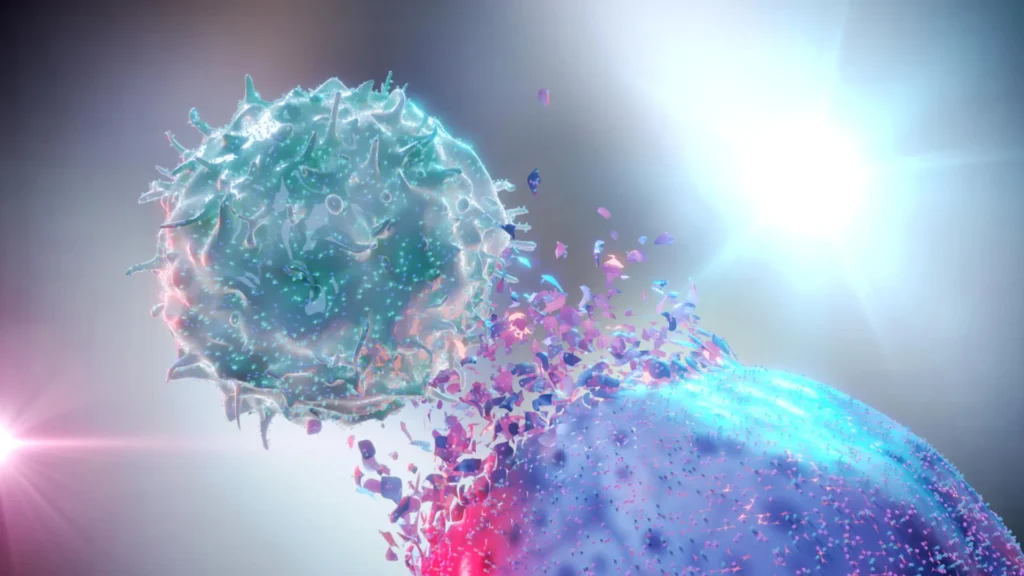
Natural killer (NK) cells stand as formidable defenders within the complex architecture of the human immune system, acting as a critical first line of defense. These innate immune cells are indispensable for maintaining health, primarily by identifying and eliminating invading microbes, foreign materials, and the body’s own damaged or infected cells early in their development, thereby limiting their ability to proliferate and cause widespread harm. NK cells patrol the body, either circulating continuously through the bloodstream and lymphatic system or residing in specific tissues and organs, poised to respond to threats. When the numbers or functionality of NK cells decline below optimal levels, the immune system’s vigilance can be severely compromised, significantly elevating an individual’s susceptibility to a range of illnesses, from common infections to more serious conditions like cancer.
In an era marked by a global surge in mental health challenges, particularly among young adults, researchers in Saudi Arabia have shed new light on the intricate connection between psychological well-being and immune function. Their pioneering study, published in the esteemed journal Frontiers in Immunology, specifically investigated how two increasingly prevalent conditions—anxiety disorder and insomnia—relate to NK cell levels in a cohort of young female university students. The findings underscore a critical link, revealing that both anxiety and insomnia symptoms are associated with a notable reduction in these vital immune cells, thereby potentially weakening the body’s natural defenses.
The Silent Sentinels of Immunity: Understanding NK Cells
To fully appreciate the implications of this research, it is crucial to understand the sophisticated role of NK cells. Unlike T and B lymphocytes, which require prior exposure to a pathogen to mount a specific response, NK cells are part of the innate immune system, capable of acting immediately. They are equipped with an array of activating and inhibitory receptors that scan the surface of other cells. Healthy cells typically express major histocompatibility complex class I (MHC-I) molecules, which NK cells recognize as "self" via their inhibitory receptors, preventing an attack. However, infected cells, cancerous cells, or cells under stress often downregulate MHC-I expression or display abnormal stress ligands. When an NK cell’s activating receptors are triggered, or when inhibitory signals are absent, the NK cell launches a cytotoxic attack.
This attack involves releasing potent cytotoxic granules containing perforin and granzymes. Perforin creates pores in the target cell’s membrane, allowing granzymes to enter and trigger programmed cell death, or apoptosis. Beyond their direct cytotoxic actions, NK cells also contribute significantly to immune regulation by secreting a variety of cytokines, such as interferon-gamma (IFN-$gamma$) and tumor necrosis factor-alpha (TNF-$alpha$). These chemical messengers play crucial roles in coordinating the immune response, influencing the activity of other immune cells, and shaping the inflammatory landscape.
NK cells comprise two primary subgroups distinguished by their surface marker expression, particularly CD16 and CD56:
- CD16+CD56dim cells: These constitute the majority (approximately 90%) of NK cells found in the peripheral blood. They are highly cytotoxic and are primarily responsible for direct killing of target cells. Their dim expression of CD56 and strong expression of CD16 (an Fc receptor that allows them to bind to antibody-coated cells, a process called antibody-dependent cell-mediated cytotoxicity or ADCC) mark them as potent killers.
- CD16+CD56high cells: Representing a smaller proportion (around 10%) of circulating NK cells, these cells are less cytotoxic but are powerful producers of cytokines. Their high expression of CD56 and often lower or absent CD16 makes them critical modulators of the immune response, influencing adaptive immunity and contributing to immunoregulation. Both these subgroups are considered circulatory NK cells, constantly patrolling for threats.
The Growing Shadow of Anxiety and Insomnia: A Global Health Challenge
The context for the Saudi study is a concerning global trend: the escalating prevalence of mental health disorders, particularly anxiety and insomnia, especially among young populations and women. According to the World Health Organization (WHO), anxiety disorders are the most common mental disorders worldwide, affecting an estimated 301 million people, including 58 million children and adolescents. Insomnia, characterized by difficulty falling or staying asleep, or non-restorative sleep, is also rampant, with chronic insomnia affecting 10-30% of the general population, and even higher rates reported in student populations.
For university students, the pressures of academic demands, social adjustments, financial stress, and future uncertainties create a fertile ground for psychological distress. Studies consistently show elevated rates of anxiety, depression, and sleep disturbances in this demographic compared to the general population. This demographic is particularly vulnerable, as chronic stress during formative years can have long-lasting impacts on both mental and physical health. The interplay between psychological state and physiological function, often mediated by the neuro-immune axis, is a rapidly evolving field of research. The central nervous system and the immune system are not isolated entities but are in constant bidirectional communication, with stress hormones, neurotransmitters, and inflammatory cytokines acting as key mediators. Chronic psychological stress, therefore, is known to induce systemic changes that can suppress immune function, leading to a state of chronic low-grade inflammation and reduced immune surveillance.
The Saudi Study: Methodology and Key Findings
Against this backdrop, the research conducted by Dr. Renad Alhamawi, an assistant professor of immunology and immunotherapy at Taibah University, and her team, provides crucial empirical evidence. The study involved 60 female students, aged between 17 and 23 years, a demographic frequently identified as being disproportionately affected by rising rates of anxiety and sleep problems. Each participant underwent a comprehensive assessment that included three standardized questionnaires: one for sociodemographic information and two others specifically designed to screen for symptoms related to anxiety and insomnia. It is important to note that reports of anxiety and sleep disturbance were self-described, a common approach in epidemiological studies, though it can introduce subjective bias.
The self-reported data painted a stark picture of mental health challenges within the student cohort. Approximately 53% of the participants reported sleep difficulties consistent with insomnia, a rate significantly higher than that observed in the general population. Even more striking was the prevalence of anxiety symptoms, reported by a substantial 75% of the students. Within this anxious group, the severity varied, with about 17% experiencing moderate anxiety symptoms and 13% falling into the severe category, indicating a significant burden of psychological distress.
Beyond the self-reports, the researchers collected blood samples from each participant. These samples were meticulously analyzed to quantify different types of NK cells using advanced flow cytometry techniques. This allowed for the precise measurement of total NK cell counts and percentages, as well as the identification and enumeration of the two main subgroups: the highly cytotoxic CD16+CD56dim cells and the cytokine-producing CD16+CD56high cells. Both these groups contribute to the pool of circulatory NK cells, which are crucial for systemic immune surveillance.
The analysis of these biological markers yielded compelling results:
- Insomnia’s Impact: "We found that in students with insomnia symptoms, count and percentage of total NK cells and their sub-populations were declined," stated Dr. Alhamawi, the study’s first author. This suggests a broad suppressive effect of sleep disturbance on NK cell numbers.
- Anxiety’s Impact: "Students with general anxiety symptoms, on the other hand, had a lower percentage and number of circulatory NK cells and their sub-populations, compared to symptom-free students." This indicates that anxiety primarily affects the circulating pool of NK cells, potentially impairing the body’s ability to dispatch these defenders to sites of infection or malignancy.
- Severity Matters: The study further elucidated that the degree of anxiety symptoms played a crucial role. Students categorized with moderate or severe anxiety exhibited a notably reduced percentage of circulatory NK cells. In contrast, those reporting minimal or mild symptoms showed only a small, statistically insignificant decrease, highlighting a dose-response relationship between anxiety severity and immune compromise.
- Interplay of Conditions: An interesting additional finding was the interaction between anxiety and insomnia. Among students who reported insomnia symptoms, higher anxiety scores were associated with an even lower proportion of total peripheral NK cells, suggesting that these two conditions may synergistically exacerbate immune dysregulation.
Consequences of Declining Immune Defenses: A Broader Health Perspective
The implications of these findings extend far beyond the laboratory. A sustained drop in NK cell numbers and activity can profoundly weaken the body’s immune performance, significantly elevating the likelihood of developing various health complications. These include:
- Increased Susceptibility to Infections: With fewer NK cells patrolling and neutralizing threats, individuals may become more vulnerable to viral infections, such as influenza, herpesviruses, and even potentially more severe outcomes from common colds. Chronic stress and sleep deprivation are well-known to impair antiviral immunity, and the reduction in NK cells offers a clear mechanistic link.
- Compromised Cancer Surveillance: One of the most critical roles of NK cells is in immunosurveillance, the body’s natural defense against cancer. NK cells are continuously scanning for and eliminating nascent tumor cells before they can establish themselves and grow into overt malignancies. A decline in NK cell activity can leave the body more vulnerable to the development and progression of various cancers. As Dr. Alhamawi explained, "Understanding how these psychological stressors influence the distribution and activity of immune cells, especially peripheral NK cells, may provide valuable insights into the mechanisms underlying inflammation and tumorigenesis."
- Exacerbation of Mental Health Conditions: The relationship between immunity and mental health is bidirectional. While psychological distress can suppress immune function, chronic inflammation and immune dysregulation can, in turn, contribute to the pathogenesis and severity of mental health conditions like depression and anxiety. This creates a vicious cycle where a compromised immune system can perpetuate and worsen the very psychological conditions that triggered its decline.
- Chronic and Inflammatory Diseases: Persistent low-grade inflammation, often associated with chronic stress and immune dysregulation, is a hallmark of numerous chronic diseases, including cardiovascular disease, metabolic syndrome, and autoimmune conditions. The reduction in NK cells, which also have immunoregulatory functions, could contribute to this inflammatory state.
Expert Commentary and Public Health Implications
The findings from Taibah University resonate with a growing body of international research highlighting the profound impact of psychological factors on physiological health. While the study’s scope was limited to young female students, the implications for public health are significant, particularly for educational institutions and healthcare providers. The high prevalence of anxiety and insomnia symptoms observed in the study group underscores an urgent need for robust mental health support systems within universities.
Public health bodies globally have increasingly recognized the importance of integrated health approaches that address both mental and physical well-being. The study by Alhamawi and her team provides a clear biological rationale for this integration, demonstrating how psychological stressors directly translate into measurable changes in immune cell populations. This data could inform the development of targeted interventions, such as stress reduction programs, improved sleep hygiene education, and accessible mental health counseling, designed to bolster students’ immune resilience alongside their psychological health.
Addressing Study Limitations and Future Research Directions
The researchers candidly acknowledged several limitations within their study, which are crucial for contextualizing the findings and guiding future investigations. The most prominent limitation was the narrow focus on young female participants. While this group is undeniably important given their disproportionate rates of anxiety and sleep problems, it restricts the generalizability of the results to other demographics. Immune responses, hormone profiles, and the prevalence and manifestation of mental health conditions can vary significantly across different age groups and between sexes.
To gain a more comprehensive understanding of how anxiety and insomnia influence NK cell levels and function, the team emphasized the critical need for studies involving a wider range of ages, sexes, and diverse geographic regions. Future research should also consider longitudinal designs to track changes in NK cell populations over time in response to varying levels of psychological distress and interventions. Mechanistic studies delving into the molecular pathways through which stress hormones and neurotransmitters modulate NK cell activity would further enrich our understanding. Furthermore, exploring the role of different types of anxiety (e.g., generalized anxiety disorder, social anxiety) and specific insomnia subtypes could reveal more nuanced impacts on immune parameters.
Mitigation Strategies: Fostering Immune Resilience
Despite the alarming findings, there is encouraging evidence that lifestyle interventions can play a significant role in improving NK cell levels and performance. Previous research consistently suggests that healthy habits contribute positively to immune function. These include:
- Consistent Physical Activity: Regular, moderate-intensity exercise has been shown to enhance NK cell activity and increase their numbers. Physical activity helps reduce stress, improves sleep quality, and has anti-inflammatory effects, all of which indirectly and directly benefit immune function.
- Lowered Stress Levels: Employing effective stress management techniques, such as mindfulness meditation, yoga, deep breathing exercises, cognitive behavioral therapy (CBT), and seeking social support, can significantly mitigate the detrimental effects of chronic stress on the immune system. Reducing psychological burden can help restore a healthy balance in the neuro-immune axis.
- Balanced Diet: A nutrient-rich diet, abundant in fruits, vegetables, whole grains, lean proteins, and healthy fats, provides the essential vitamins (e.g., Vitamin C, D), minerals (e.g., Zinc, Selenium), and antioxidants necessary for robust immune function. Emerging research also highlights the importance of gut microbiota, which can be positively influenced by a balanced diet and probiotics, in modulating immune responses, including NK cell activity.
- Optimal Sleep Hygiene: Prioritizing consistent, high-quality sleep is fundamental for immune health. During sleep, the body repairs itself, consolidates memories, and releases essential cytokines that support immune function. Establishing a regular sleep schedule, creating a conducive sleep environment, and avoiding stimulants before bedtime can significantly improve sleep quality and, consequently, immune competence.
The researchers reiterated that anxiety and insomnia are not merely psychological discomforts; they are potent disruptors of normal biological processes throughout the body, including vital immune responses. These conditions can contribute to the development and progression of chronic and inflammatory diseases, ultimately compromising overall health and quality of life. "Such impacts ultimately compromise overall health and quality of life," concluded Dr. Alhamawi, emphasizing the far-reaching consequences of untreated psychological distress.
Conclusion: A Call for Integrated Health Approaches
The Saudi study serves as a poignant reminder of the profound and often underestimated connection between our mental state and our physical well-being. It provides compelling biological evidence that psychological distress, in the form of anxiety and insomnia, can directly impair the body’s frontline immune defenses, specifically by reducing the numbers and percentages of crucial natural killer cells. This immune compromise leaves individuals, particularly vulnerable populations like young female students, at an elevated risk for a spectrum of health issues, from infections to more severe chronic and neoplastic diseases.
The findings underscore the urgent necessity for early detection, comprehensive assessment, and effective intervention strategies for anxiety and insomnia. It reinforces the imperative for educational institutions and healthcare systems to adopt integrated approaches that recognize the inseparable nature of mental and physical health. By prioritizing mental well-being, fostering supportive environments, and equipping individuals with tools for stress management and healthy lifestyle choices, we can not only alleviate psychological suffering but also fortify the immune system, thereby enhancing overall public health and improving the quality of life for all. The path forward requires a holistic perspective, acknowledging that a healthy mind is a cornerstone of a resilient body.