

Microsoft has announced a comprehensive expansion of its educational outreach through the launch of the "Hour of AI" initiative, a global program scheduled to coincide with Computer Science Education Week (CS Ed Week) 2025. Developed in partnership with the nonprofit organizations CSforALL and Code.org, the initiative seeks to demystify artificial intelligence for 25 million learners worldwide. This program represents a significant pivot from traditional computer science instruction, moving beyond syntax-based coding to address the burgeoning necessity of AI literacy in a rapidly evolving global economy. By integrating interactive modules into familiar platforms such as Minecraft and Visual Studio Code, the coalition aims to provide students, educators, and parents with the foundational knowledge required to navigate a world increasingly defined by generative technologies and automated systems.
The launch of Hour of AI comes at a critical juncture for global education. For decades, the primary objective of computer science in schools was to prepare students for predictable career paths in software development and information technology. However, the emergence of advanced AI has disrupted these traditional trajectories, necessitating a new curriculum that emphasizes human-innovation-led AI collaboration. Microsoft’s commitment to this transition involves equipping learners with not only the technical skills to build AI but also the critical thinking skills to evaluate its output and ethical implications.
The Evolution of Digital Literacy: From Hour of Code to Hour of AI
The Hour of AI is designed to build upon the massive success of the "Hour of Code," a movement that began in 2013 to encourage students to spend sixty minutes learning the basics of programming. While the Hour of Code focused on the "how" of traditional software—logic, loops, and variables—the Hour of AI focuses on the "how" of machine learning and probabilistic reasoning. This shift reflects a broader industry trend where natural language is becoming a primary interface for technical creation.

The chronology of this movement traces back to the founding of CS Ed Week in 2009, which was established to raise awareness about the need for computer science education at the K-12 level. By 2025, the landscape has shifted from ensuring students can type code to ensuring they can direct AI agents effectively. Microsoft’s partnership with CSforALL, a central hub for the computer science education strategy, ensures that these new resources are not just available but are integrated into existing school district frameworks across diverse demographics.
Strategic Educational Modules for All Grade Levels
To ensure the initiative is accessible to a broad spectrum of learners, Microsoft has unveiled three distinct activities tailored to different age groups and technical proficiencies. These modules are designed to be "low floor, high ceiling," meaning they are easy to start but offer significant depth for advanced students.
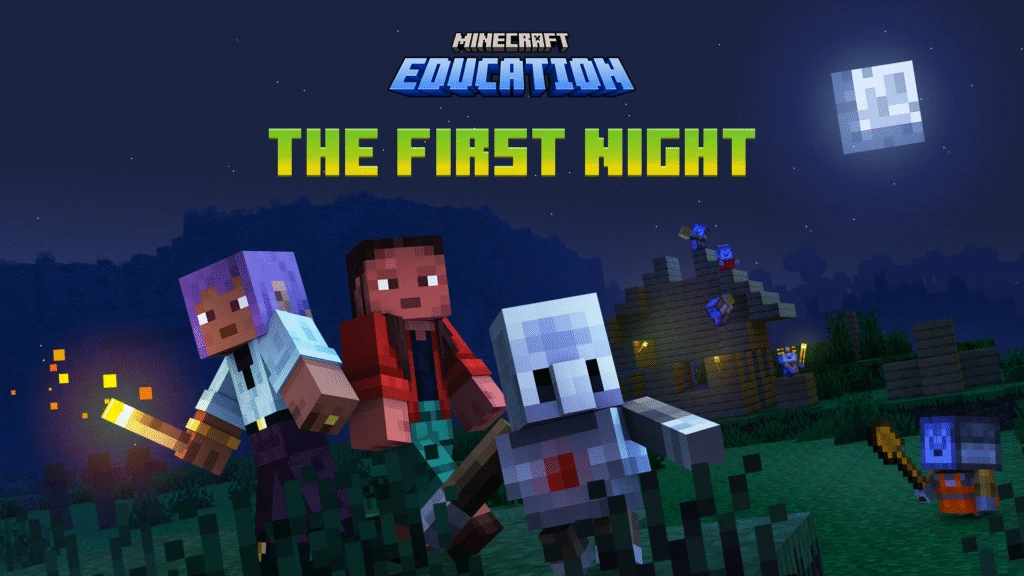
The first module, "Minecraft Hour of AI: The First Night," targets younger students and gaming enthusiasts. In this scenario, players are tasked with surviving their first night in the Minecraft world—a classic challenge—but are assisted by an AI agent. Through guided prompts, students learn how algorithms function and how AI can be used for real-time problem-solving and resource management. This activity is available as a free demo in 29 languages, highlighting the initiative’s focus on global inclusivity.
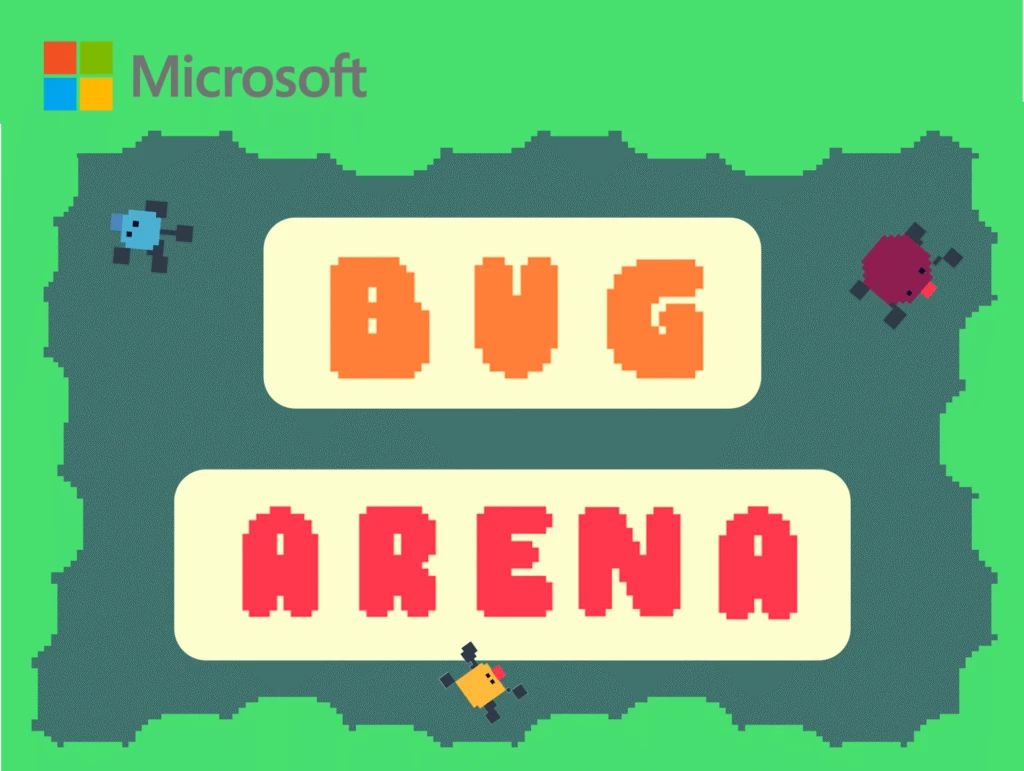
For students in grades 3 through 8, "Bug Arena" from Microsoft MakeCode provides a competitive yet educational environment. In this web-based tutorial, students design algorithms for digital "bugs" and enter them into a battle arena. This hands-on approach allows students to see the immediate impact of their logic on an AI’s performance, fostering an understanding of iterative design and behavioral programming.
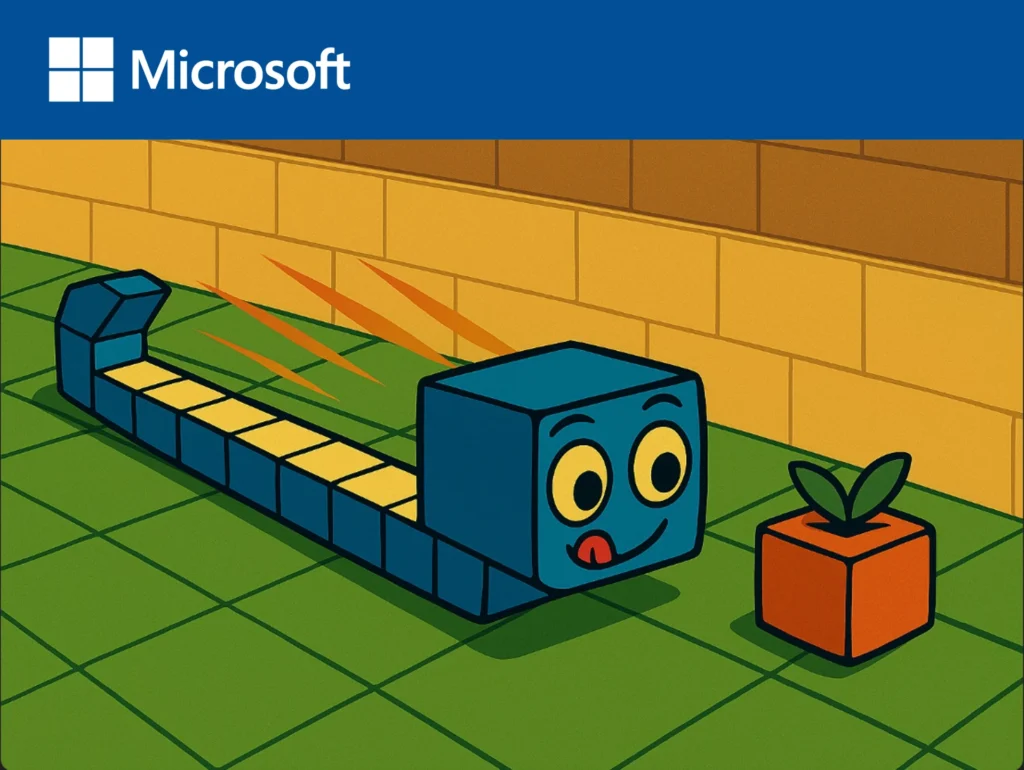
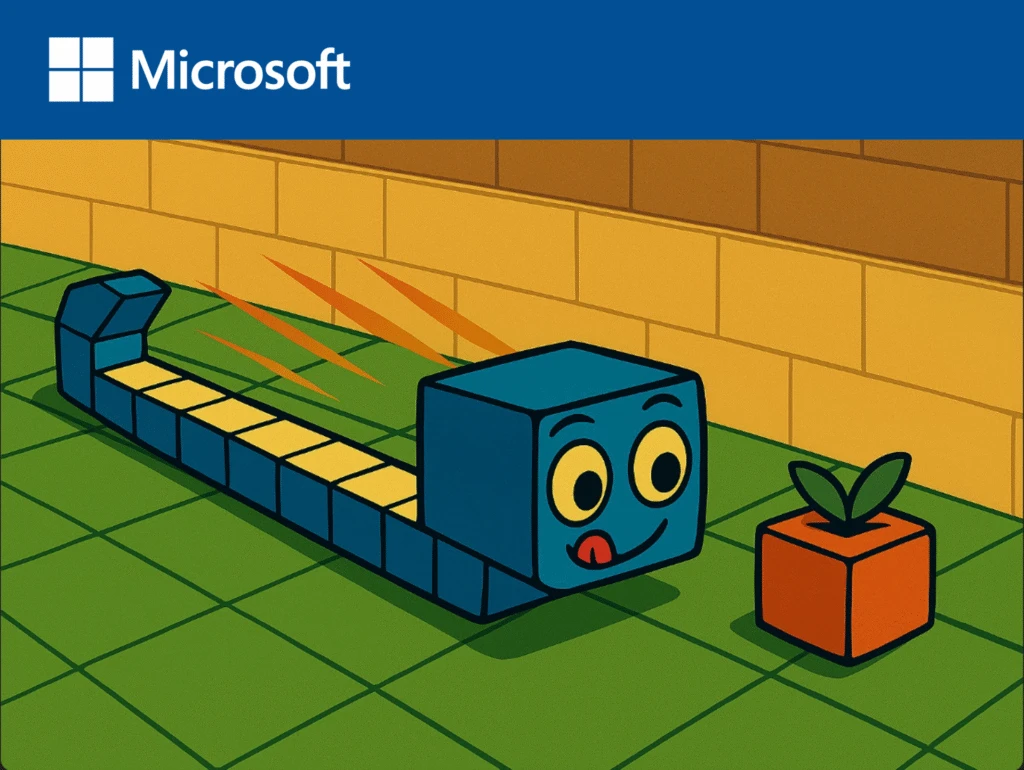
High school students (grades 9-12) are offered a more sophisticated challenge through "Slither Slam" on Visual Studio Code for Education. This module introduces the concept of AI-assisted development. Students use natural language prompts to generate code for a classic "Snake" game, then compete against other AI-driven snakes. This specific activity addresses the growing industry standard of "prompt engineering," teaching students how to give precise instructions to large language models to achieve specific technical outcomes.
Supporting Data and the Global Skills Gap
The impetus for the Hour of AI is supported by a growing body of economic data. According to recent labor market analyses, nearly 80% of jobs in the next decade will require some level of digital fluency, with AI literacy specifically cited as a top-five priority for employers. Furthermore, research from the World Economic Forum suggests that while AI may automate certain routine tasks, it is expected to create 97 million new roles that require a synergy between human creativity and machine efficiency.
Despite this demand, educational infrastructure has historically lagged behind. Data from Code.org’s 2024 State of Computer Science Education report indicated that while 57% of high schools in the United States offer foundational computer science, access remains unequal across rural and underfunded urban districts. By providing these resources for free and ensuring they are web-based—thereby reducing the need for high-end hardware—Microsoft and its partners are attempting to close the "AI divide" before it becomes as entrenched as the digital divide of the previous century.
Official Perspectives on the Initiative
Representatives from the partnering organizations have emphasized that the Hour of AI is about empowerment rather than just consumption. Cameron Wilson, President of Code.org, has frequently noted that the goal of such initiatives is to ensure every student has the opportunity to learn how the world around them works. By partnering with Microsoft, these organizations can leverage enterprise-grade technology to create educational tools that mirror the tools used in professional environments.
Inferred statements from Microsoft Education leadership suggest a long-term vision where AI is not a separate subject but a cross-disciplinary tool. The objective is to move away from the "black box" perception of AI, where students use the technology without understanding its mechanisms. Instead, the Hour of AI encourages a "glass box" approach, where the underlying logic, data inputs, and algorithmic biases are made visible to the learner.
Broader Implications for the Future of Pedagogy
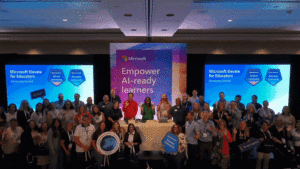
The implications of the Hour of AI extend beyond a single week in December. This initiative serves as a pilot for how AI can be integrated into year-round curricula. Microsoft has also highlighted "Microsoft Elevate," a program designed to provide ongoing training for educators. This is a crucial component, as many teachers report feeling underprepared to teach AI concepts. By providing step-by-step facilitator training and connecting activities to established computer science standards, the initiative lowers the barrier to entry for non-technical staff.
The shift toward AI-assisted coding in schools also mirrors a shift in the software industry. As "Slither Slam" demonstrates, the role of the programmer is evolving from a "writer of code" to an "editor of code." This requires a higher level of abstract thinking and a stronger grasp of logic, as students must be able to debug and refine the code that an AI generates.
Conclusion and Long-term Impact
As CS Ed Week 2025 approaches, the Hour of AI stands as a significant benchmark in the history of digital education. By targeting 25 million learners, Microsoft and its coalition are betting that early exposure to AI concepts will cultivate a generation of "AI-native" citizens who are prepared to lead in an automated economy. The initiative’s success will likely be measured not just by the number of participants, but by the long-term integration of these concepts into global educational standards.
The transition from traditional computer science to AI-centric learning reflects a broader societal recognition: artificial intelligence is no longer a futuristic concept but a foundational utility. Through Minecraft, MakeCode, and Visual Studio, the Hour of AI provides a structured, accessible, and engaging pathway for the next generation to move from being passive users of technology to being the architects of the AI-driven future. This movement ensures that as the world is rewritten by innovation, the tools to participate in that rewriting are placed in the hands of students everywhere.