
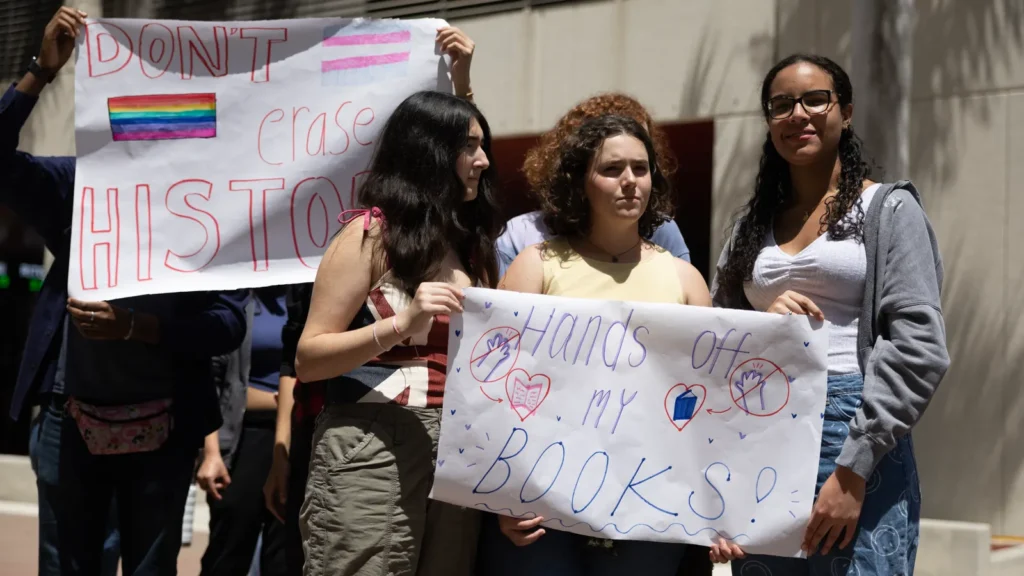
An alarming surge in book bans across American public schools is reshaping educational landscapes, with a significant portion of restricted titles targeting works by or about people of color and nonfiction content. This trend, detailed in recent reports from PEN America and the American Library Association (ALA), highlights a complex interplay of parental rights advocacy, legislative pressure, and the increasing use of technology in curriculum review. The data reveals a dramatic escalation in censorship efforts since July 2021, raising concerns among educators, librarians, and civil liberties advocates about the potential for intellectual suppression and the erosion of diverse narratives in K-12 education.
Escalating Book Bans: A Statistical Overview
PEN America’s latest findings, published on May 7, 2026, paint a stark picture of the current book ban crisis. The organization documented 6,870 instances of book bans—referring to non-unique titles removed or restricted—across 23 states and 87 public school districts during the 2024-25 school year alone. This represents a substantial increase compared to previous periods. Since PEN America began its comprehensive tracking in July 2021, the total number of book bans has reached an astonishing 22,810 cases, impacting 45 states and 451 public school districts.
The report further reveals the specific nature of these censorship efforts. According to PEN America, only about 10% of these restricted books contained "on the page" sexual experiences, a category often conflated with pornography. This statistic suggests that the motivations behind many book challenges extend beyond explicit sexual content to encompass broader concerns about representation and social issues.
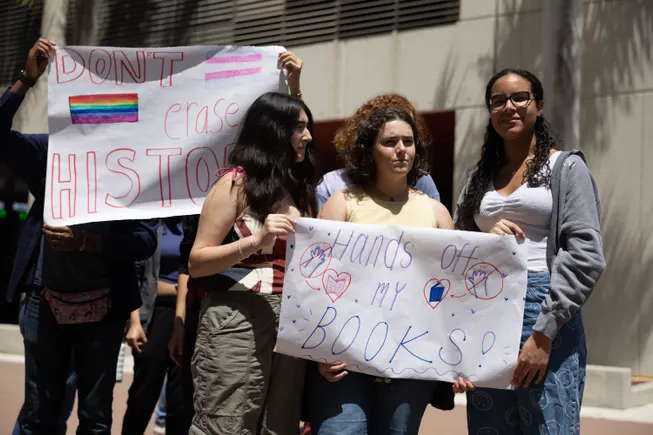
Adding to this data, a report from the American Library Association (ALA) released in early 2026 indicated that 2025 set a new record for censorship incidents across public, school, and college libraries. Disturbingly, the ALA’s findings suggest a shift in the primary drivers of these challenges. In 2025, less than 3% of book challenges originated from parents. Instead, a significant 92% were initiated by organized groups or government officials, with the remaining 5% attributed to library users or sources that remain unidentified. This data challenges the narrative that book bans are solely grassroots parental movements, pointing towards a more coordinated and potentially politically motivated agenda.
The Genesis and Evolution of the Book Ban Movement
The contemporary book ban movement gained significant momentum around 2020, coinciding with the broader rise of the "parental rights" movement. Initially, these efforts were often framed by parents and their legislative allies as a necessary measure to curate age- and culturally appropriate content for students. The stated aims included removing titles perceived as containing "pornography" or "divisive content." This broadly defined category has frequently encompassed materials addressing LGBTQ+ themes and discussions surrounding race and racism, often under the guise of preventing "indoctrination" or "critical race theory."
However, the scope of these restrictions has demonstrably broadened. The PEN America report highlights that a substantial proportion of banned books are nonfiction. This category often includes works on history, social sciences, and biographies, which can offer students critical perspectives on societal issues, historical injustices, and diverse lived experiences. The inclusion of nonfiction in ban lists suggests a move beyond concerns about fictional narratives to a more comprehensive effort to control the information and viewpoints available to students.
The Role of Technology in Censorship
In response to mounting pressure from state and local leaders to comply with increasingly restrictive legislation, school districts are beginning to explore and implement technological solutions for curriculum review. Artificial intelligence (AI) is emerging as a tool to expedite the process of identifying and potentially removing books that may violate new policy guidelines.

One notable example is the New Braunfels Independent School District in Texas, which has undertaken a comprehensive review of over 3,000 books using AI. The scope of this review is extensive, encompassing works by historical figures such as former U.S. Representative John Lewis and civil rights activist Ruby Bridges, alongside classic authors like William Shakespeare and Zora Neale Hurston. Even books by or about contemporary figures such as singer Taylor Swift and actor Matthew McConaughey have been included in the review process. The use of AI in such broad reviews raises questions about the criteria being applied and the potential for algorithmic bias in identifying "problematic" content.
Reactions and Concerns from Stakeholders
The escalating trend of book bans has drawn strong criticism from various organizations and individuals dedicated to intellectual freedom and education. Kasey Meehan, director of PEN America’s Freedom to Read program, expressed deep concern over the current trajectory. In a statement issued on May 7, 2026, Meehan asserted, "This latest trend shows an embrace of anti-intellectualism, undermining public knowledge by devaluing education and expertise." She further characterized these actions as "another example of how censorship sweeps broadly, leading to removals of all kinds of books, in its efforts to sow fear and distrust in our public education system."
Educators and librarians often find themselves caught between legislative mandates and professional ethics. Many express a commitment to providing students with a wide range of perspectives and the tools to critically engage with complex issues. The challenge lies in navigating policies that can lead to the removal of valuable educational resources, potentially limiting students’ exposure to diverse voices and important historical contexts.
Conversely, proponents of book restrictions often emphasize the importance of parental oversight and the need to protect younger children from content they deem inappropriate. They argue that parents have a fundamental right to guide their children’s education and to ensure that school materials align with their family’s values. This perspective often prioritizes a curated educational experience, focusing on content deemed safe and universally acceptable by a particular segment of the community.

Broader Implications for Education and Society
The pervasive nature of book bans carries significant implications for the educational system and society at large.
- Erosion of Diverse Narratives: The disproportionate targeting of books by and about people of color, as well as LGBTQ+ content, risks marginalizing already underrepresented voices. This can lead to an educational environment where students from diverse backgrounds do not see themselves reflected in the curriculum, potentially impacting their sense of belonging and academic engagement.
- Hindrance to Critical Thinking: Access to a wide array of texts, including those that present challenging or controversial ideas, is crucial for developing critical thinking skills. When books are removed based on subjective interpretations of appropriateness or divisiveness, students may be deprived of opportunities to grapple with complex social issues, historical nuances, and differing viewpoints.
- Chilling Effect on Educators and Authors: The climate of censorship can create a chilling effect on educators, who may become hesitant to select or teach materials that could attract scrutiny. Similarly, authors may self-censor or avoid certain topics, leading to a less vibrant and diverse literary landscape for young readers.
- Undermining the Role of Libraries: Public and school libraries are often seen as bastions of free access to information. The increasing volume of challenges and bans can strain library resources and staff, forcing them to divert attention from their core mission of providing access and fostering literacy to engaging in protracted review and defense of challenged materials.
- Politicization of Education: The intertwining of book bans with political movements and legislative agendas raises concerns about the increasing politicization of education. Decisions about curriculum and library collections, which should ideally be guided by pedagogical expertise and educational standards, are becoming increasingly subject to political pressures and ideological battles.
The ongoing debate over book bans underscores a fundamental tension in American education: the balance between protecting students and fostering an environment that encourages intellectual curiosity, critical inquiry, and exposure to a diverse range of human experiences and ideas. As these trends continue to evolve, their long-term impact on literacy, knowledge acquisition, and the development of informed citizens remains a critical area of concern for the future of public education.