



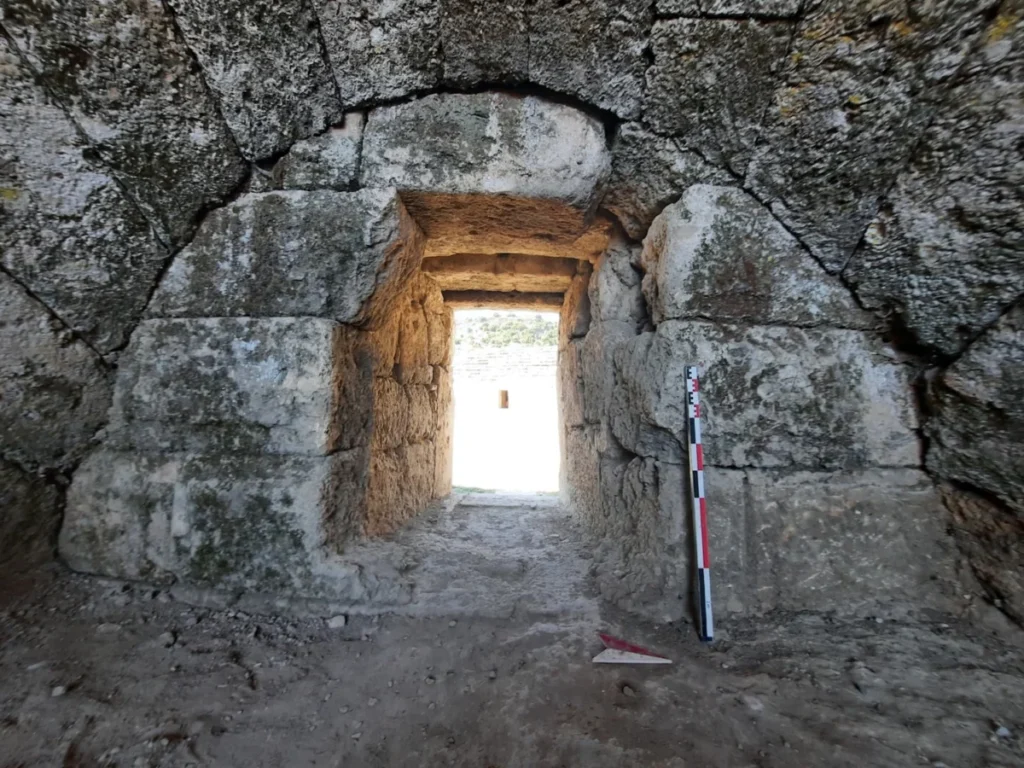
The ancient city of Perge, situated in the modern-day Antalya province of southern Turkey, once stood as a beacon of Roman urbanity and architectural ambition. Known for its grand colonnaded streets, massive Hellenistic gates, and intricate baths, the city was a thriving metropolis of the Pamphylia region. However, recent archaeological investigations led by a team from Istanbul University have shed light on a grimmer chapter of the city’s history. New evidence confirms that Perge’s magnificent stadium, originally designed for traditional Greco-Roman athletic competitions, underwent a series of radical structural modifications during the Late Roman period to accommodate the public’s growing appetite for blood sports and state-sanctioned executions. These renovations included the installation of five distinct gateways, which researchers have ominously termed the "Doors to Death," used to release predatory animals into the arena for the purpose of gladiatorial combat and the execution of prisoners.
The Architectural Evolution of Perge Stadium
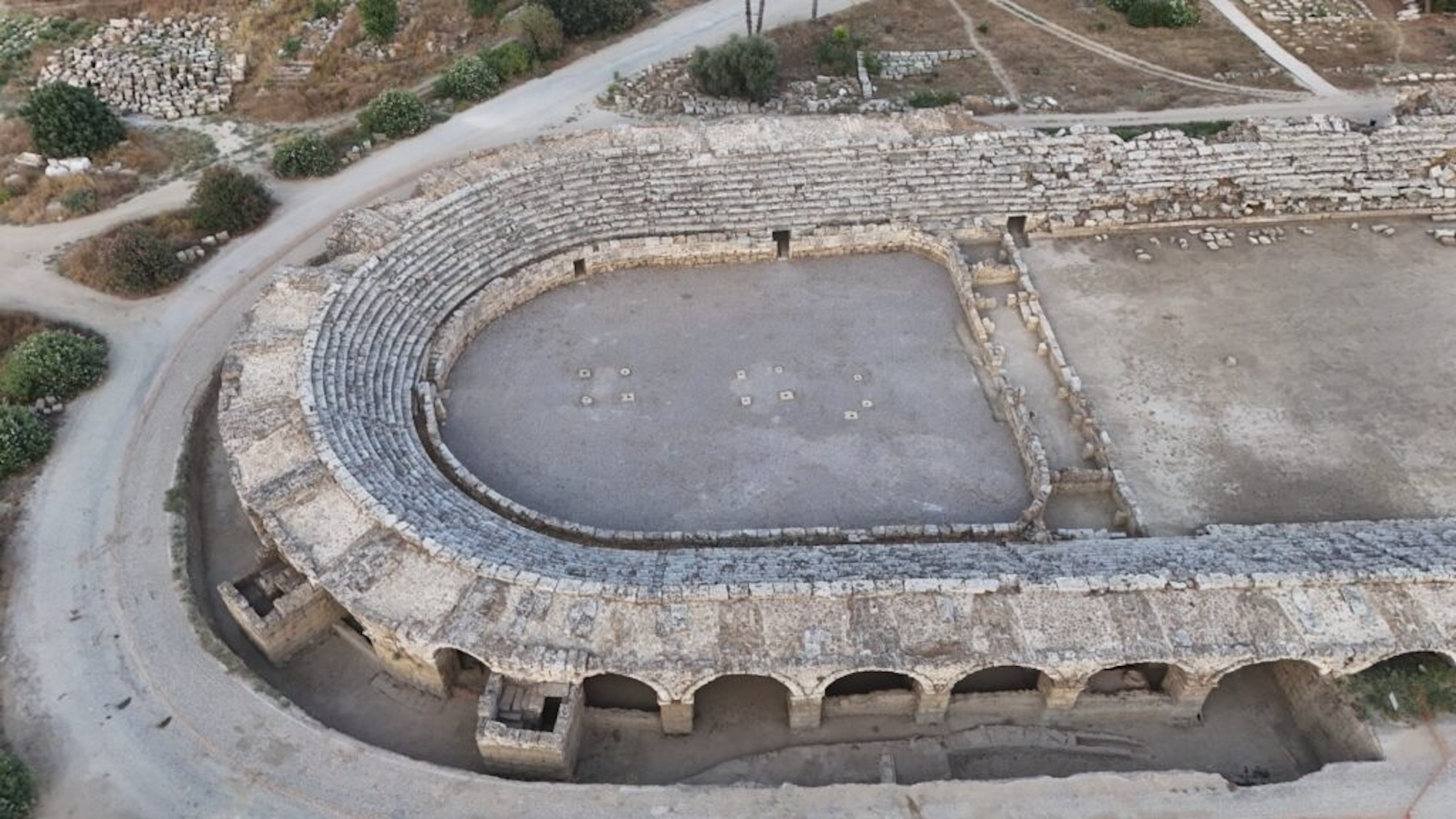
The stadium of Perge is widely regarded as one of the best-preserved examples of ancient sports architecture in the world. Constructed primarily in the 2nd century CE during the reign of the Antonine emperors, the U-shaped structure measures approximately 234 meters in length and 34 meters in width. At its peak, it could accommodate an estimated 12,000 spectators across its tiered marble seating. For the first two centuries of its existence, the stadium was the site of "sacred games," which featured footraces, wrestling, and pentathlons—events intended to celebrate physical prowess and civic virtue.
However, as the Roman Empire entered the 3rd and 4th centuries CE—a period marked by political instability, the rise of Christianity, and shifting social norms—the function of the stadium began to change. According to the study published in the Oxford Journal of Archaeology by a team led by Professor Sedef Çokay Kepçe, the city’s administrators opted to renovate the existing stadium rather than construct a separate amphitheater. This decision reflects a broader trend of economic pragmatism in the Late Roman Empire, where existing public spaces were adapted to meet new cultural demands.
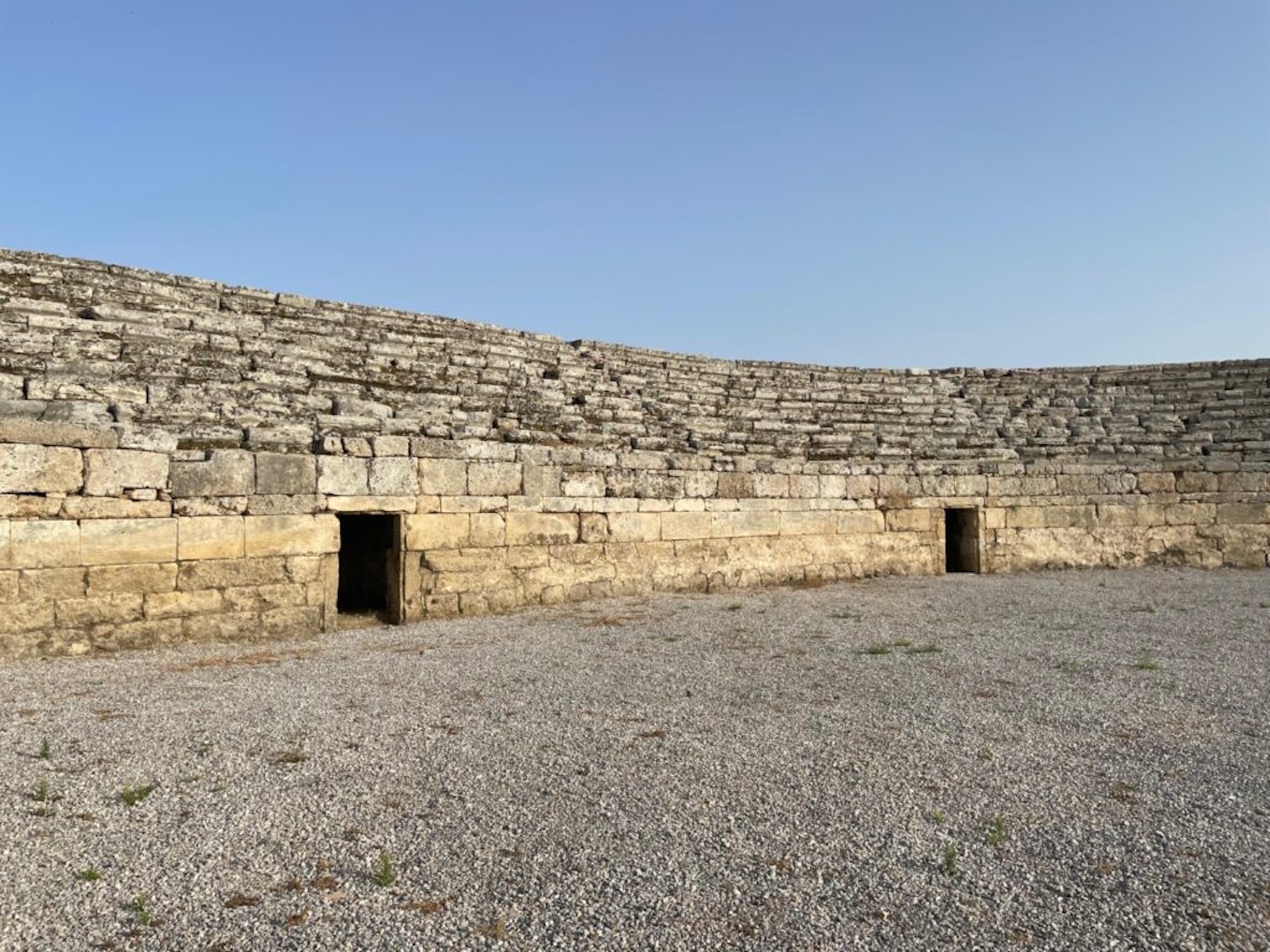
The renovations were extensive. Archaeologists discovered that the arena floor was lowered, and a high protective wall, or podium, was erected between the spectators and the field of play. This was a critical safety feature designed to protect the audience from the wild animals and combatants involved in the increasingly violent spectacles. The team also identified evidence of reinforced gates and specialized holding areas beneath the seating tiers, which would have housed the gladiators and the beasts before their entry into the arena.
The "Doors to Death" and Damnatio ad Bestias
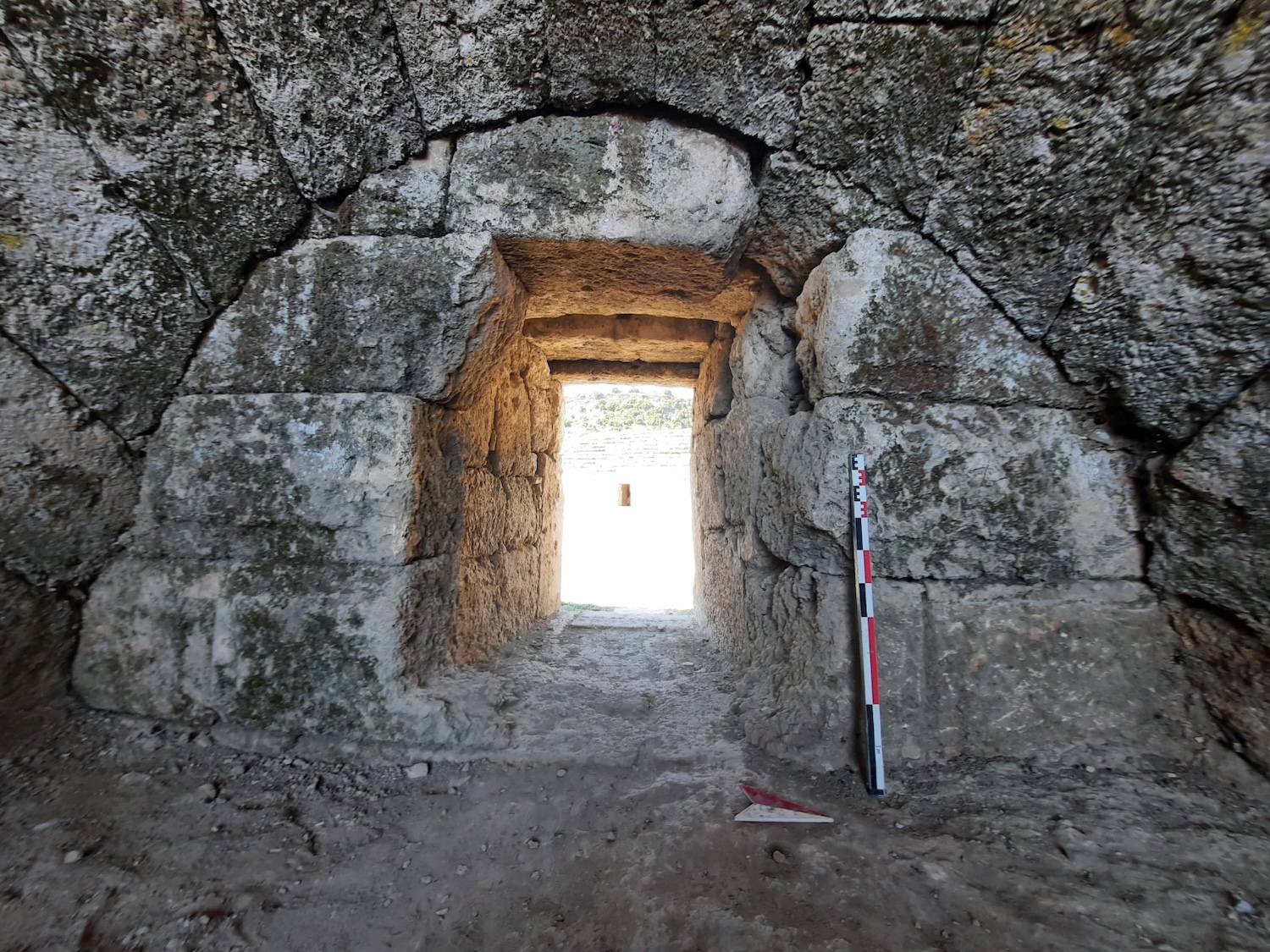
The most significant find in the recent excavations is the set of five specialized gateways located at the curved end of the stadium. These "Doors to Death" were not part of the original 2nd-century design but were integrated during the Late Roman modifications. Their placement and mechanical design suggest they were used for the rapid release of wild animals—such as lions, leopards, and bears—into the arena.
The presence of these gates points directly to the practice of Damnatio ad Bestias, a form of capital punishment in which condemned criminals, prisoners of war, or religious dissidents were forced to face wild animals without weapons or armor. This practice was not merely an execution but a public spectacle intended to reinforce the power of the state and provide a deterrent to those who would challenge Roman law. The iconography found near the stadium, along with the discovery of animal remains including teeth and bone fragments from large predators, provides a chilling confirmation of these activities.
The researchers believe that these five doors allowed for a coordinated and theatrical entrance of the beasts, heightening the drama for the thousands of spectators watching from the safety of the elevated tiers. Unlike traditional amphitheaters like the Colosseum in Rome, which utilized complex underground elevators (hypogeum) to hoist animals through trapdoors, the architects at Perge utilized the existing vaulted substructures of the stadium to create a horizontal entry system that was both efficient and terrifyingly effective.
A Chronology of Transformation: From Athletics to Atrocity
To understand the significance of these findings, one must look at the timeline of Perge’s development and the broader context of the Roman Empire:
- 2nd Century CE (The Golden Age): Perge reaches its zenith. The stadium is built as a venue for the Pamphylian Games. The atmosphere is one of civic pride, focused on the "Agon" (competition) in its Greek sense.
- 3rd Century CE (The Crisis): As the Empire faces internal strife and external threats, social entertainment begins to favor more violent displays. Initial modifications to the stadium begin, including the reinforcement of the arena walls.
- 4th to 5th Century CE (Late Roman Renovations): The "Doors to Death" are installed. The rise of Christianity leads to a paradox: while the church eventually banned gladiatorial combat, the practice of Damnatio ad Bestias persisted for several decades, often targeting those who refused to adhere to the changing state religion or traditional law.
- 6th Century CE (Decline and Abandonment): Following the collapse of the Western Roman Empire and the gradual decline of the Byzantine influence in the region due to earthquakes and Arab raids, the stadium falls into disuse. The "Doors to Death" are eventually buried by silt and debris, remaining hidden for over a millennium.
Socio-Political Implications and Official Reactions
The discovery has prompted a wave of analysis from the international archaeological community. Dr. Sedef Çokay Kepçe’s research suggests that the transformation of the stadium was a deliberate move by local elites to maintain social control. "The arena was a microcosm of the Roman world," noted one colleague familiar with the project. "By repurposing a space dedicated to athletic excellence into a theater of death, the city of Perge was mirroring the hardening of Roman society as it struggled to maintain its identity in a changing world."
Officials from Turkey’s Ministry of Culture and Tourism have praised the findings for their contribution to the understanding of Anatolian history. While Perge is already a major tourist destination, these new insights provide a more nuanced—albeit darker—narrative for visitors. There are plans to incorporate the "Doors to Death" into the site’s official tour path, using digital reconstructions to show how the gates functioned during the Late Roman period.
Historians suggest that the use of the stadium for executions may have also been linked to the city’s legal administration. As a provincial capital, Perge held the right to carry out capital sentences. The stadium, with its massive capacity, provided the perfect venue for the spectaculum of justice, ensuring that the entire population could witness the consequences of defying Roman authority.
Broader Impact on Archaeological Research
The findings at Perge are expected to influence how other Roman stadia across the Mediterranean are studied. For decades, many archaeologists assumed that stadia and amphitheaters served strictly separate functions. The Perge model proves that Roman urban planners were highly adaptable, frequently blurring the lines between Greek-style athletics and Roman-style blood sports.
Furthermore, the discovery highlights the importance of studying the "afterlife" of ancient buildings. Often, excavations focus on the primary construction phase of a monument, but the modifications made centuries later are equally revealing of a society’s evolution. The Perge stadium stands as a physical record of the transition from the classical ideals of the High Empire to the more militaristic and punitive nature of the Late Empire.
The research team plans to continue their work at the site, focusing next on the vaulted chambers beneath the stadium. They hope to find more specific evidence regarding the housing of gladiators and the logistics of transporting large predators from the Anatolian wilderness or the African provinces to the gates of the Perge arena.
Conclusion: The Duality of Roman Innovation
The "Doors to Death" at Perge serve as a stark reminder of the duality of Roman civilization. On one hand, the stadium is a marvel of engineering, featuring sophisticated drainage systems and a structural integrity that has survived nearly 2,000 years. On the other hand, that very innovation was turned toward the systematic and public destruction of human life for the sake of entertainment.
As modern visitors walk the arena floor where thousands once cheered for the death of men and beasts, the site offers a profound lesson on the fragility of cultural values. The transformation of Perge’s stadium from a place of Olympic-style aspiration to a venue for the "Doors to Death" reflects a society in flux, proving that even the grandest monuments can be repurposed to serve the darkest impulses of an era. The ongoing excavations at Perge continue to peel back the layers of this complex history, ensuring that the voices of both the victors and the victims of the arena are finally heard.