



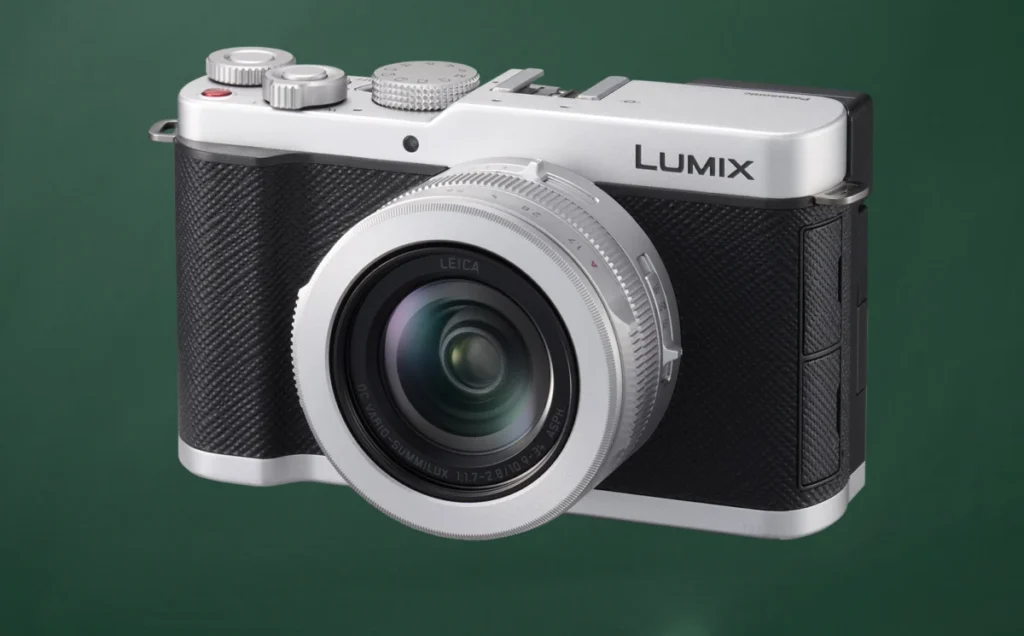
Panasonic has officially announced the launch of the LUMIX L10, a sophisticated fixed-lens compact camera designed to bridge the gap between enthusiast-level smartphones and professional mirrorless systems. Scheduled for release in June with a starting price of $1,499, the L10 arrives at a pivotal moment for the imaging industry, as consumer demand for high-quality, "pocketable" cameras reaches levels not seen since the early digital era. The camera features a large Four Thirds sensor, Leica-certified optics, and a suite of AI-driven color tools, positioning it as a direct competitor to popular models like the Fujifilm X100VI and the Ricoh GR III.
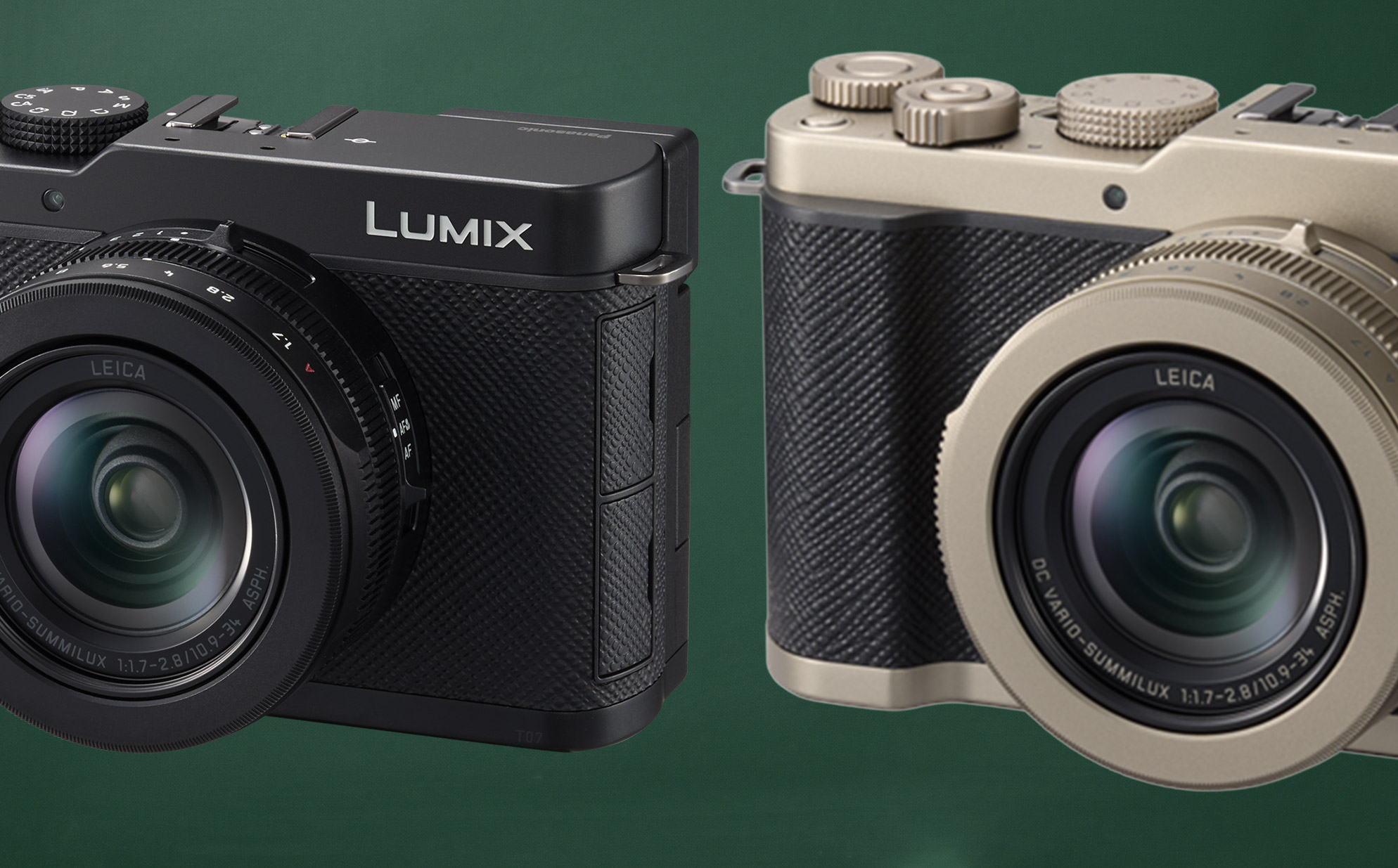
The introduction of the LUMIX L10 marks Panasonic’s return to a market segment it previously occupied with the LX100 series. By integrating a 20.4-megapixel Live MOS sensor with a versatile 24-75mm (35mm equivalent) F1.7-2.8 Leica DC Vario-Summilux lens, Panasonic aims to capture photographers who prioritize both portability and optical excellence. The L10 will be available in standard black and silver finishes, alongside a limited "Titanium Gold" 25th-anniversary edition priced at $1,599.
Technical Specifications and Optical Engineering
At the heart of the LUMIX L10 is a 4/3-type BSI CMOS sensor. While the effective resolution is 20.4 megapixels, the physical sensor possesses a total count of 26.5 megapixels. This overhead is utilized for Panasonic’s signature multi-aspect ratio design. Unlike traditional cameras that crop the image to achieve different dimensions—such as 3:2, 4:3, or 16:9—the L10 maintains a consistent diagonal angle of view across these formats. This ensures that a 24mm wide-angle shot retains its expansive field of view regardless of the selected aspect ratio, a feature particularly valued by landscape and architectural photographers.
The lens assembly is a Leica DC Vario-Summilux 24-75mm zoom. The engineering feat of this lens lies in its bright aperture range; starting at F1.7 at the wide end and only tapering to F2.8 at the telephoto end, it offers significantly more light-gathering capability than the variable-aperture zooms found on many competing compacts. The lens barrel is precision-machined from metal and features a physical aperture ring, providing tactile control that bypasses digital menus. Additionally, the lens supports macro photography with a minimum focusing distance of just 3 cm, allowing for high-magnification close-ups with natural background blur.
To ensure sharpness across all focal lengths, Panasonic has implemented POWER O.I.S. (Optical Image Stabilizer). While the company has not yet released specific CIPA-rated stops for the L10, the system is designed to compensate for both high-frequency vibrations and low-frequency hand-shake, making it a viable tool for handheld low-light photography and stable video recording.
Advanced Autofocus and High-Speed Performance
The LUMIX L10 incorporates a 779-point Phase Hybrid Autofocus (AF) system, a significant technological leap over the contrast-detection systems found in previous Panasonic compacts. This system combines phase-detection AF for speed with contrast-detection AF for precision, resulting in faster and more reliable tracking of moving subjects.
Panasonic has leveraged deep-learning AI to enhance the camera’s subject recognition capabilities. The L10 can identify and track eyes, faces, and bodies of both humans and animals. Furthermore, the AF system includes specialized profiles for vehicles and "Urban Sports." This latter category is specifically tuned to track the erratic, high-speed movements associated with skateboarding, BMX, and parkour—activities that have become staple subjects for the social media creators Panasonic is targeting with this release.
In terms of raw speed, the L10 is capable of shooting bursts at up to 30 frames per second (fps) when using the electronic shutter. For those who prefer the physical feedback of a mechanical shutter, the camera maintains a respectable 11 fps. This performance is supported by a high-capacity buffer, ensuring that the camera can keep pace with fast-action sequences without significant downtime.
Color Science and the Creator Ecosystem
Recognizing the shift in how modern photographers edit and share their work, Panasonic has placed a heavy emphasis on in-camera color grading. The L10 features a dedicated "REAL TIME LUT" button on the camera body. This allows users to apply Look Up Tables (LUTs) directly to their RAW or JPEG files as they shoot, effectively "baking in" a professional color grade before the file even leaves the camera.
The camera ships with two new default Photo Styles:
- L.Classic: Designed to provide soft, muted tones reminiscent of vintage film stock.
- L.ClassicGold: A warmer, high-contrast profile that emphasizes amber highlights and deep shadows.
Complementing the hardware is the new LUMIX Lab app. This mobile integration introduces "Magic LUT," an AI-powered tool that analyzes the color profile of any reference photo and generates a matching LUT that can be uploaded to the L10. This allows photographers to replicate the aesthetic of their favorite films or digital creators with minimal effort. The app also supports high-speed wired transfers and the editing of MP4 (Lite) clips, facilitating a seamless workflow from capture to social media publication.
Historical Context and Market Chronology
The release of the LUMIX L10 is the latest chapter in a 25-year history of digital imaging for Panasonic. To understand the significance of this launch, one must look at the timeline of the enthusiast compact market:
- 2014: Panasonic releases the original LX100, which becomes a cult classic for its Four Thirds sensor and manual controls.
- 2018: The LX100 II is introduced, offering a sensor resolution bump and improved touchscreen functionality.
- 2020–2022: The rise of short-form video platforms like TikTok and Instagram Reels sparks a "vintage" camera trend, leading to a massive surge in demand for fixed-lens compacts.
- 2023: Supply chain issues and high demand lead to the discontinuation of several compact lines, creating a vacuum in the $1,000–$1,600 price bracket.
- 2024 (June): The LUMIX L10 is launched to reclaim Panasonic’s position in the premium compact sector.
The L10 arrives as a spiritual successor to the LX100 II but with modern internals borrowed from the LUMIX G-series mirrorless cameras. By pricing the L10 at $1,499, Panasonic has positioned it strategically between the $1,599 Fujifilm X100VI (which features a larger APS-C sensor but a fixed 35mm equivalent prime lens) and the $849 Canon G7X Mark III (which is smaller but uses a significantly smaller 1-inch sensor).
Build Quality and Ergonomics
Despite its compact dimensions, the L10 is built for durability. The front case is constructed from magnesium alloy, providing a rigid frame that remains lightweight. The body is wrapped in a saffiano leather-textured finish, offering a secure grip and a premium aesthetic. At 508 grams (including battery and memory card), the L10 is substantial enough to feel stable during long exposures but light enough to be carried in a jacket pocket or small bag.
Monitoring and composition are handled by two high-resolution displays. The electronic viewfinder (EVF) is a 2.36-million-dot OLED unit with a high refresh rate, while the rear 1.84-million-dot monitor features a "free-angle" design. This allows the screen to flip out and rotate, facilitating shooting from high or low angles, as well as front-facing "vlogging" setups. Both the EVF and the monitor UI automatically rotate when the camera is held vertically, acknowledging the dominance of vertical video formats in modern content creation.
Strategic Implications and Industry Impact
The launch of the L10 reflects a broader trend in the camera industry: the retreat from the low-end "point-and-shoot" market—which has been entirely absorbed by smartphones—and a doubling down on "specialty" compacts. Industry analysts suggest that Panasonic’s move is a calculated response to the "scarcity economy" currently surrounding high-end compacts. By offering a zoom lens (24-75mm) in a market dominated by prime-lens (fixed focal length) competitors, Panasonic is targeting a more versatile user base that includes travel photographers and street shooters who require flexibility.
Furthermore, the L10’s emphasis on "Ready-to-Share" content via REAL TIME LUTs suggests that camera manufacturers are finally embracing the reality that most consumers no longer wish to spend hours in post-processing software like Adobe Lightroom or DaVinci Resolve. By moving the "edit" into the "capture" phase, Panasonic is attempting to make professional-grade photography as frictionless as smartphone photography.
The $1,599 Titanium Gold Special Edition serves as a branding exercise for the company’s 25th anniversary. Beyond the cosmetic upgrades—which include a threaded shutter button for mechanical cables and a gold-themed UI—it signals Panasonic’s commitment to its heritage in an era where some competitors have consolidated their product lines.
Conclusion and Availability
The Panasonic LUMIX L10 represents a sophisticated synthesis of classic photographic ergonomics and modern AI-driven technology. By combining a proven Leica optical formula with a state-of-the-art Phase Hybrid AF system and a versatile Four Thirds sensor, Panasonic has produced a tool that addresses the specific needs of the 2024 imaging market.
The standard black and silver models will be available at major retailers starting in June for $1,499. The Titanium Gold Special Edition will be sold in limited quantities, primarily through the Panasonic Store and select boutique imaging outlets. As the advanced compact market continues to evolve, the L10 stands as a testament to the enduring appeal of dedicated cameras that offer what no smartphone can: true optical depth, tactile control, and uncompromising image quality.