



A groundbreaking study conducted by researchers in Saudi Arabia has revealed a significant correlation between symptoms of anxiety and insomnia and reduced levels of natural killer (NK) cells in young female university students. Published in Frontiers in Immunology, these findings underscore the profound impact of psychological stressors on the body’s fundamental immune defenses, potentially increasing vulnerability to a range of health issues. The research highlights the critical need for integrated mental and physical health support within academic environments, especially as conditions like anxiety and insomnia become increasingly prevalent among student populations worldwide.
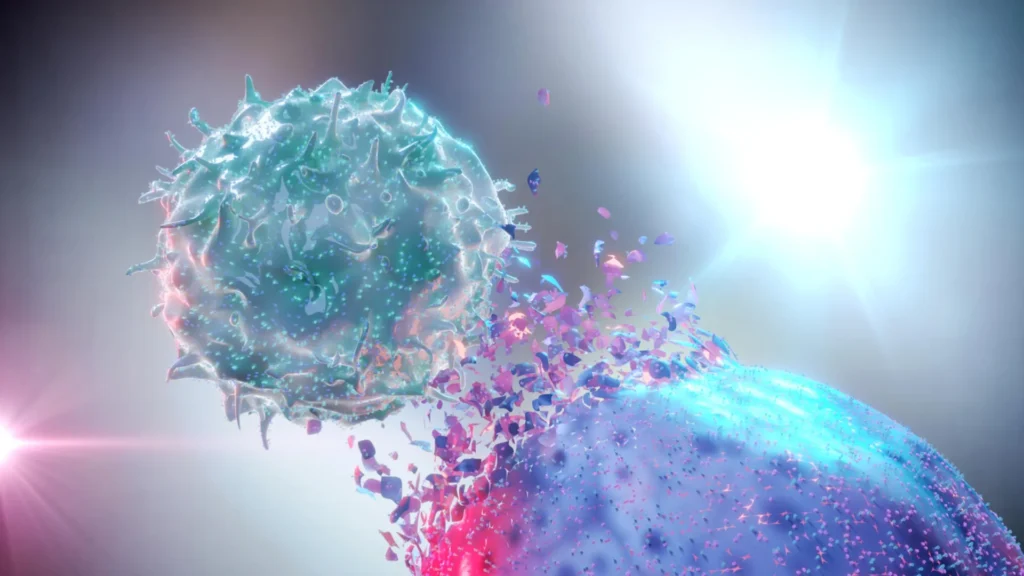
Natural killer (NK) cells are indispensable components of the innate immune system, serving as the body’s rapid-response unit against a multitude of threats. These specialized lymphocytes patrol the bloodstream and reside in various tissues, acting as the first line of defense by identifying and neutralizing cells compromised by viral infections, cancerous transformations, or other cellular damage. Their ability to target and eliminate these aberrant cells early on is crucial for preventing the spread of disease and maintaining overall physiological integrity. A decline in NK cell numbers or function significantly impairs immune surveillance, leaving the body more susceptible to infections, malignancies, and chronic inflammatory conditions.
Rising Tide of Psychological Stressors in Academia
The prevalence of anxiety disorders and insomnia has surged globally, particularly among young adults and university students. Academic pressures, social transitions, economic uncertainties, and the pervasive influence of digital connectivity contribute to a complex landscape of mental health challenges. Reports from various international bodies, including the World Health Organization (WHO), consistently indicate that anxiety and sleep disturbances are among the most common mental health issues affecting this demographic. For instance, studies in North America and Europe have shown that over a third of university students report symptoms consistent with anxiety or depression, with sleep disturbances often co-occurring. In this context, the Saudi research team sought to investigate the physiological repercussions of these psychological burdens on the immune systems of young female students.
"We found that in students with insomnia symptoms, count and percentage of total NK cells and their sub-populations were declined," stated Dr. Renad Alhamawi, first author and an assistant professor of immunology and immunotherapy at Taibah University. She further elaborated, "Students with general anxiety symptoms, on the other hand, had a lower percentage and number of circulatory NK cells and their sub-populations, compared to symptom-free students." These direct observations establish a critical immunological link to commonly experienced mental health challenges.
Unpacking the Study Design and Participant Profiles
The investigation involved 60 female students, aged 17 to 23, a demographic particularly susceptible to academic stress and emerging mental health concerns. Each participant provided comprehensive sociodemographic information and completed three validated questionnaires designed to assess symptoms related to anxiety and insomnia. The self-reported nature of these surveys, while a common methodological approach, provided valuable insights into the students’ subjective experiences of psychological distress.
The findings from these surveys were striking: approximately 53 percent of the student cohort reported sleep difficulties consistent with insomnia, a condition characterized by persistent trouble falling or staying asleep, leading to impaired daytime functioning. Even more pronounced was the prevalence of anxiety symptoms, reported by 75 percent of the participants. Within this group, roughly 17 percent experienced moderate anxiety, and 13 percent reported severe symptoms, highlighting a substantial burden of mental distress within the sample. These figures align with global trends indicating a significant mental health crisis among university students, often exacerbated by the demanding academic environment.
Beyond self-reported data, the researchers collected blood samples from all participants to conduct a detailed immunological analysis. This involved precisely measuring different types of NK cells, which are broadly categorized into two main subgroups based on their surface markers:
- CD16+CD56dim cells: These constitute the vast majority (around 90%) of NK cells found in the peripheral blood. They are primarily responsible for cytotoxic functions, meaning they are highly effective at directly killing target cells, such as those infected with viruses or transformed into cancer cells. Their abundance and potency make them critical for immediate immune defense.
- CD16+CD56high cells: This subgroup is less common in the peripheral blood but plays a crucial role in immune regulation. These cells are potent producers of cytokines, which are signaling proteins that orchestrate and modulate the activity of other immune cells. While less cytotoxic, their ability to release these chemical messengers is vital for coordinating broader immune responses and maintaining immune homeostasis.
Both of these subgroups are considered circulatory NK cells, constantly moving through the bloodstream to monitor for threats throughout the body.
Direct Impact: How Anxiety and Insomnia Compromise NK Cell Levels
The immunological analysis yielded clear and compelling results. Students who reported symptoms of anxiety exhibited both a lower percentage and a reduced absolute number of total circulatory NK cells and their respective subtypes (CD16+CD56dim and CD16+CD56high) compared to their symptom-free peers. This suggests a systemic depletion rather than a mere shift in population ratios.
Crucially, the severity of anxiety symptoms directly correlated with the extent of NK cell reduction. Students classified with moderate or severe anxiety demonstrated a notably significant decrease in the percentage of circulatory NK cells. In contrast, those experiencing minimal or mild anxiety showed only a slight and statistically insignificant decrease. This dose-dependent relationship strengthens the evidence for a direct link between the intensity of psychological distress and the degree of immune suppression.
Furthermore, within the group of students experiencing insomnia symptoms, higher anxiety scores were independently associated with a lower proportion of total peripheral NK cells. This finding suggests that anxiety, even in the presence of sleep disturbances, exerts a distinct and measurable negative influence on NK cell populations, pointing to a multifaceted impact of psychological stressors on immune health. The intertwining of anxiety and insomnia, both individually and synergistically, appears to create a more compromised immunological state.
Broader Scientific Context: The Mind-Body Connection
These findings contribute significantly to the burgeoning field of psychoneuroimmunology, which explores the intricate bidirectional communication pathways between the brain, nervous system, and immune system. Chronic stress, a common underlying factor in anxiety and insomnia, is known to trigger a cascade of physiological responses, including the sustained release of stress hormones like cortisol. While acutely beneficial for "fight or flight" responses, chronic elevation of cortisol can suppress various aspects of immune function, including the proliferation and activity of lymphocytes like NK cells.
The observed decline in both cytotoxic (CD16+CD56dim) and immunoregulatory (CD16+CD56high) NK cell subtypes suggests a broad compromise of innate immunity. The reduction in cytotoxic NK cells directly impairs the body’s ability to eliminate virally infected or cancerous cells, while a decrease in immunoregulatory NK cells could disrupt the delicate balance of immune responses, potentially contributing to chronic inflammation or dysregulation.
Consequences of Diminished Immune Defenses
A robust NK cell population is paramount for maintaining health. A measurable drop in these critical immune defenders can profoundly weaken immune performance, elevating the likelihood of developing a spectrum of health complications. These include, but are not limited to, an increased susceptibility to common infectious diseases (e.g., respiratory infections, influenza), reactivation of latent viruses (e.g., herpesviruses), and a potentially higher risk of certain cancers, as NK cells are crucial in tumor immunosurveillance. Beyond purely physical ailments, compromised immune function has also been increasingly linked to the pathophysiology of various mental health conditions, including depression, creating a complex feedback loop where psychological stress impacts immunity, which in turn can exacerbate mental health issues.
"Understanding how these psychological stressors influence the distribution and activity of immune cells, especially peripheral NK cells, may provide valuable insights into the mechanisms underlying inflammation and tumorigenesis," Dr. Alhamawi explained. This perspective underscores the importance of the study not just for immediate student health, but for understanding the long-term ramifications of chronic psychological stress on major disease pathways.
Limitations and the Path Forward for Research
The researchers acknowledged several limitations inherent to their study. The primary limitation was the specific demographic focus: only young female participants were included. While this group is disproportionately affected by rising rates of anxiety and sleep problems, this narrow focus restricts the generalizability of the findings to broader populations. Variations in age, sex, hormonal profiles, and cultural factors could all influence the intricate interplay between psychological stress and immune function.
The research team strongly emphasized the critical need for future studies involving a wider range of ages, sexes, and diverse geographic regions. Longitudinal studies, which track participants over extended periods, would also be invaluable in understanding the temporal dynamics of these relationships – whether prolonged anxiety and insomnia lead to progressive NK cell depletion, and if interventions can reverse these trends. Furthermore, exploring specific physiological markers of stress beyond self-report, such as cortisol levels or inflammatory cytokines, could provide a more objective and comprehensive picture of the underlying mechanisms.
Public Health Implications and Calls for Integrated Support
The findings carry significant implications for public health, particularly within educational institutions. The heightened prevalence of anxiety and insomnia among students, coupled with their demonstrable impact on immune resilience, suggests that academic environments must prioritize comprehensive mental health support services. These services should not only address psychological distress but also recognize its potential physiological consequences.
Public health bodies and educational policymakers globally are increasingly recognizing the interconnectedness of mental and physical well-being. Organizations like the WHO have long advocated for holistic approaches to health, especially for vulnerable populations like students. The findings from Taibah University reinforce the call for proactive strategies that encompass:
- Mental Health Services: Accessible counseling, psychotherapy, and stress management programs tailored to student needs.
- Sleep Hygiene Education: Campaigns to promote healthy sleep habits, recognizing insomnia as a treatable condition with significant health ramifications.
- Stress Reduction Initiatives: Integrating mindfulness practices, relaxation techniques, and academic load management strategies into university life.
- Physical Activity Promotion: Encouraging regular exercise, which is well-documented to boost immune function and alleviate symptoms of anxiety and depression.
- Nutritional Guidance: Promoting balanced diets, as nutrition plays a crucial role in immune system health.
Lifestyle Measures and the Enduring Impact of Stress on Immunity
Previous research consistently suggests that healthy lifestyle habits are powerful modulators of immune function, including NK cell levels and performance. Regular physical activity, for instance, has been shown to enhance NK cell activity and increase their numbers. Similarly, effective stress management techniques, whether through mindfulness, meditation, or social support, can mitigate the immune-suppressing effects of chronic psychological strain. A balanced diet, rich in essential vitamins and minerals, provides the necessary building blocks for a robust immune system.
However, as this study demonstrates, anxiety and insomnia can profoundly disrupt these normal biological processes throughout the body, extending far beyond subjective distress to impact fundamental immune responses. This disruption can contribute to the development or exacerbation of chronic and inflammatory diseases, creating a vicious cycle of poor health. "Such impacts ultimately compromise overall health and quality of life," concluded Dr. Alhamawi, emphasizing the far-reaching consequences of untreated psychological stressors. The Saudi study serves as a potent reminder that the mind and body are inextricably linked, and that supporting mental well-being is an essential pillar of maintaining physical health and preventing disease.