
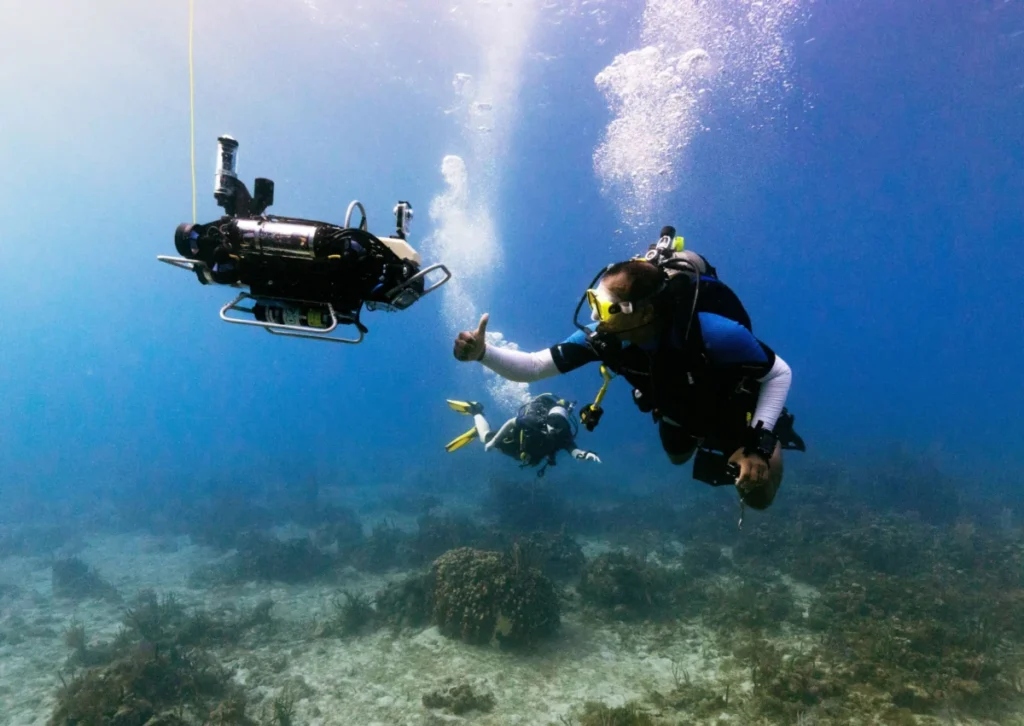
The Woods Hole Oceanographic Institution (WHOI) has announced a significant advancement in marine robotics with the successful deployment of the Curious Underwater Robot for Ecosystem Exploration, known by its acronym CUREE. This autonomous underwater vehicle (AUV) represents a paradigm shift in how marine biologists monitor and analyze coral reef health, utilizing a sophisticated suite of sensors and artificial intelligence to navigate and document one of the planet’s most complex and threatened environments. Developed by the WHOI Reef Solutions Initiative, CUREE is designed to bridge the gap between traditional human-led surveys and stationary monitoring systems, offering a mobile, data-intensive platform capable of identifying biodiversity hotspots through a combination of acoustic and visual cues.
The findings, recently published in the journal Science Robotics, detail the robot’s performance during field tests in the U.S. Virgin Islands. CUREE’s primary innovation lies in its "curiosity-driven" navigation system, which allows it to independently seek out areas of high biological activity rather than following a pre-programmed, linear path. This capability is critical for studying coral reefs, which, while visually dense, often feature life clustered in specific "metropolises" separated by less active zones. By mimicking the sensory-seeking behavior of marine organisms, CUREE provides a more nuanced and comprehensive view of reef dynamics than previously possible.
The Critical Need for Advanced Reef Monitoring
Coral reefs are often described as the "rainforests of the sea," a title justified by their staggering biodiversity. Although they occupy less than 0.1 percent of the total ocean floor, they provide a habitat for approximately 25 percent of all marine species at some stage in their life cycles. Beyond their ecological importance, reefs are vital economic engines, supporting global fisheries, providing coastal protection against storm surges, and driving multi-billion-dollar tourism industries.
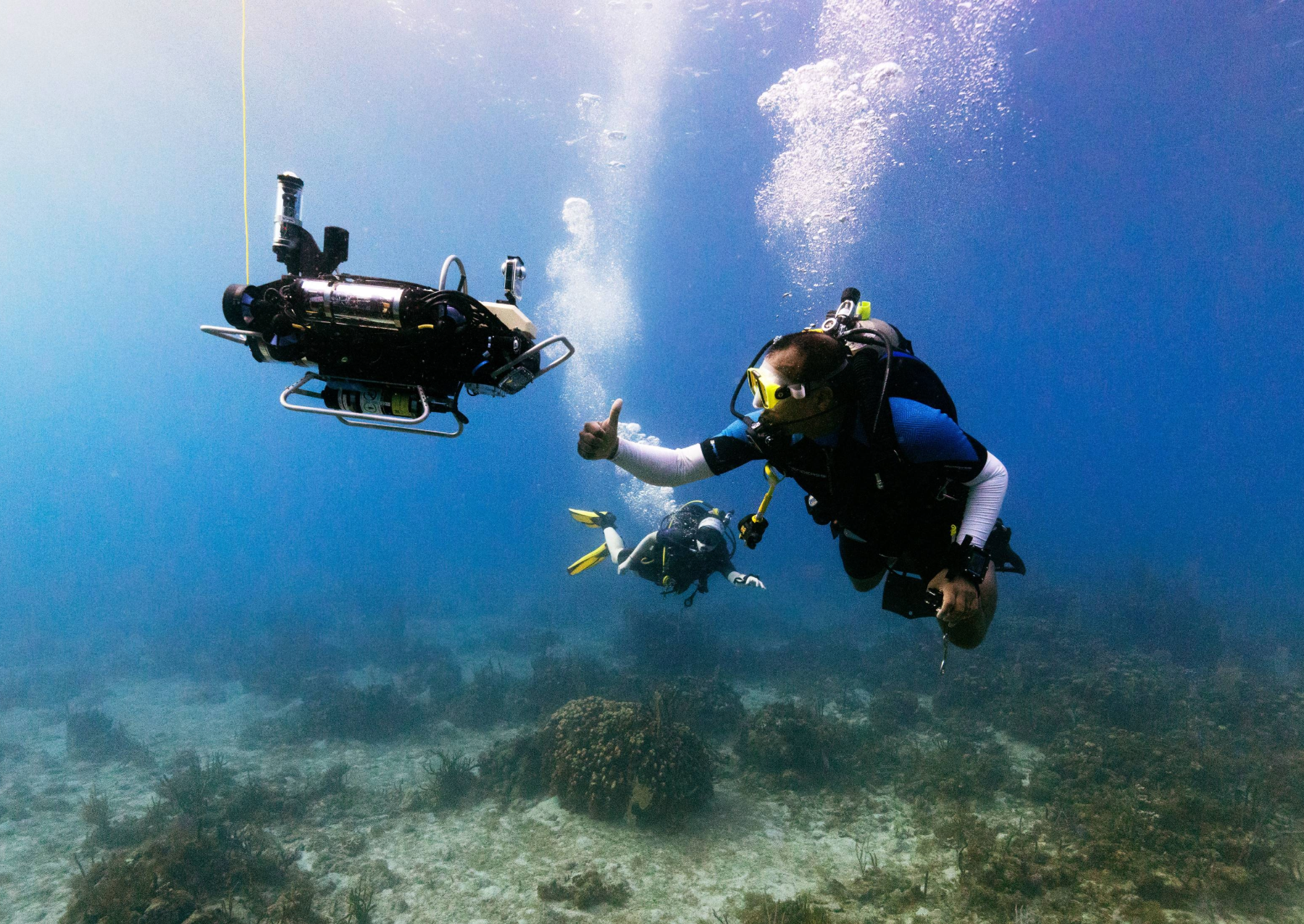
However, these ecosystems are currently facing unprecedented threats. The National Oceanic and Atmospheric Administration (NOAA) and the Intergovernmental Panel on Climate Change (IPCC) have repeatedly warned that rising ocean temperatures, acidification, overfishing, and land-based pollution are leading to widespread coral bleaching and habitat loss. Traditional methods of monitoring these changes have struggled to keep pace with the rate of degradation. Human divers, the longstanding gold standard for reef surveys, are limited by physiological constraints, including oxygen supply, the risk of decompression sickness, and the high costs associated with training and deployment. Furthermore, the presence of humans can often alter the behavior of marine life, leading to skewed data. CUREE offers a solution to these challenges by providing a persistent, non-intrusive presence capable of gathering data over extended periods.
Technological Architecture: A Multi-Modal Sensory Approach
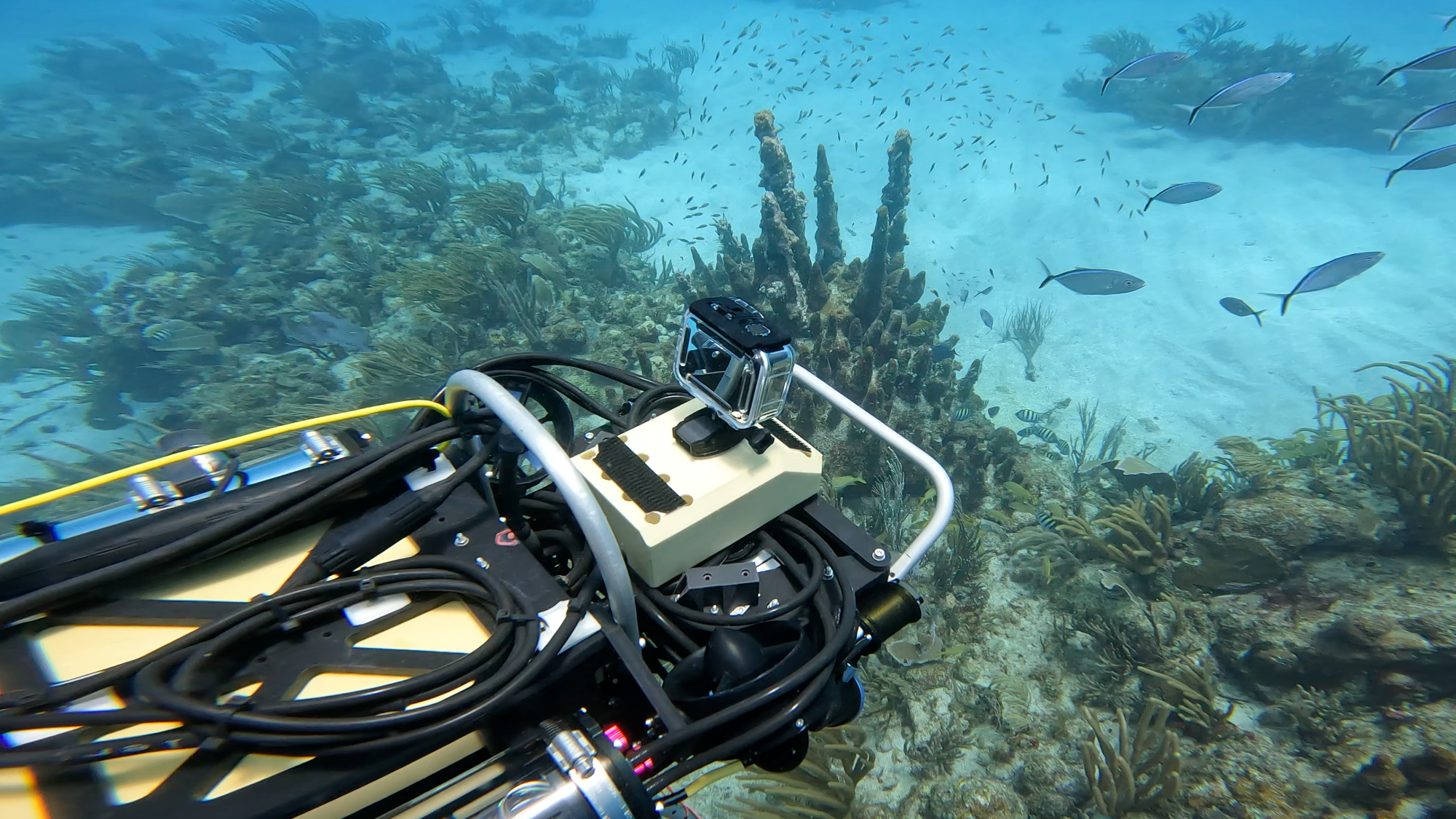
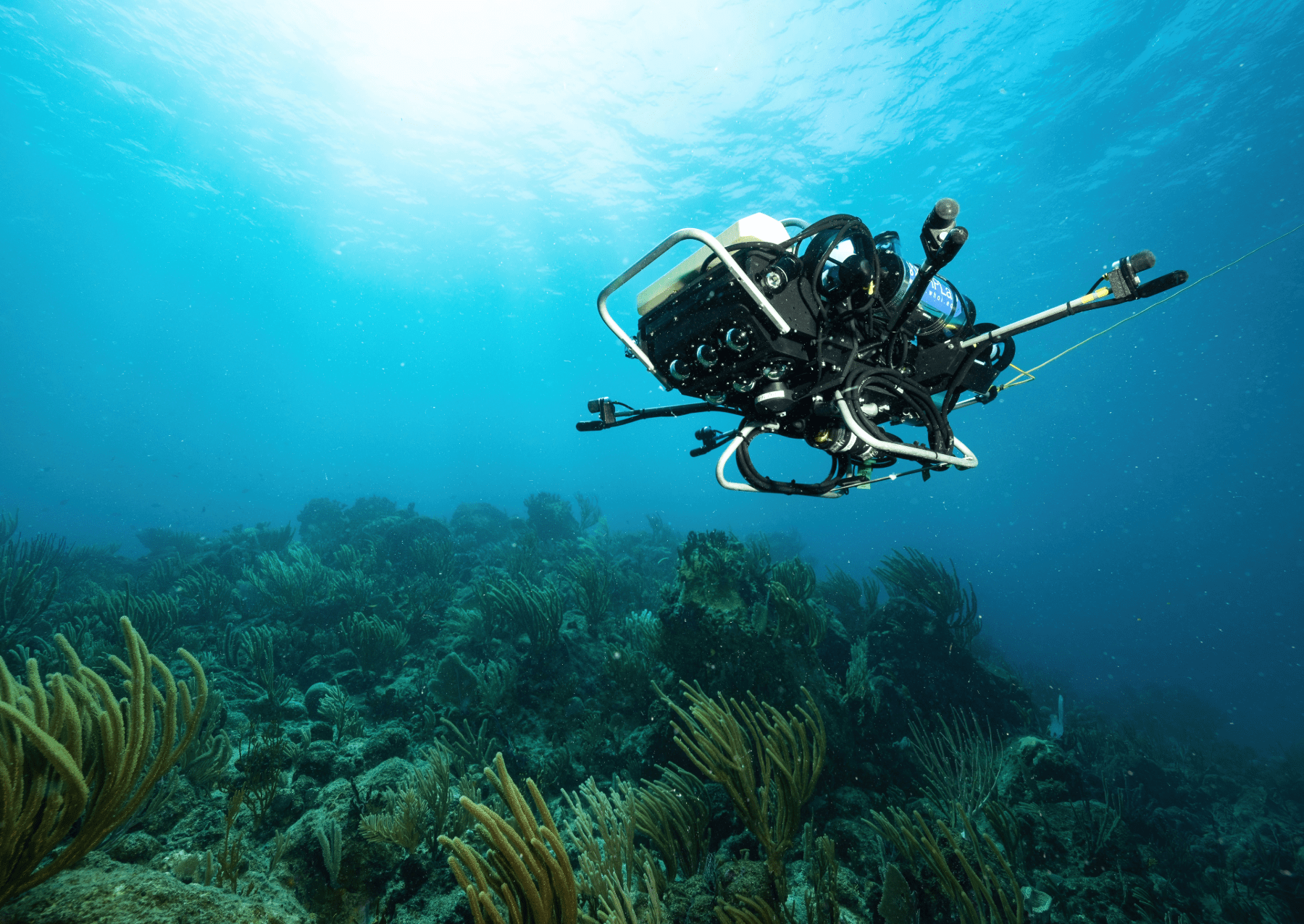
The success of CUREE is rooted in its integrated sensory payload, which combines passive acoustics with high-resolution computer vision. The robot is equipped with a set of sensitive hydrophones—underwater microphones—that allow it to "hear" the environment from a distance. Healthy coral reefs are surprisingly loud; they produce a distinct "crackle" caused by snapping shrimp and the low-frequency vocalizations of various fish species.
CUREE’s onboard computer processes these acoustic signals in real-time, using them to triangulate the location of potential biodiversity hotspots. Once the robot identifies a sound source, it adjusts its propulsion system to move toward the noise. As it approaches the target, CUREE switches to its visual system, utilizing high-resolution cameras and deep-learning algorithms to identify specific species, count populations, and observe behaviors.
Seth McCammon, a roboticist at WHOI, noted that the two systems are complementary. Passive acoustics provide a broad, long-range sense of the environment, acting as a "scout" that directs the robot toward areas of interest. Vision, while limited in range due to water turbidity and light absorption, provides the high-density information needed for taxonomic identification and behavioral analysis. This dual-layer approach allows CUREE to operate efficiently, focusing its high-energy visual processing on areas where life is most likely to be found.

Field Testing and the Barracuda Case Study
The WHOI team tested CUREE’s capabilities at Joel’s Shoal, located within the waters of St. John in the U.S. Virgin Islands. This location was chosen for its diverse coral structures, including the iconic dendrogyra pillar corals, and its representative population of Caribbean reef fish. During these trials, the robot demonstrated an impressive ability to detect signs of marine life from distances of up to 82 feet (25 meters).
One of the most notable achievements during the mission was CUREE’s autonomous tracking of a barracuda. Barracudas are apex predators known for their speed and unpredictable movement patterns, making them difficult subjects for traditional observation. After a human operator initiated a visual "lock" on the fish, CUREE followed the barracuda for nearly ten minutes. During this period, the robot autonomously navigated through the reef’s complex topography, maintaining a consistent distance from the predator as it moved between different sections of the reef.
The tracking data revealed fascinating behavioral insights. The barracuda was observed traveling to a known hotspot and then backtracking to a location where it had previously startled a large reef snapper. Of the total tracking time of nine minutes and 55 seconds, the WHOI team confirmed that eight minutes and 59 seconds were conducted under full autonomy. This level of persistence is nearly impossible for human divers to achieve without significantly disturbing the animal or losing sight of it in the reef’s crevices.
Chronology of Development and Mission Milestones
The development of CUREE is the result of years of iterative engineering within the WHOI Reef Solutions Initiative. The project was born from the need to create more "intelligent" AUVs that could do more than follow a fixed grid.
- 2019–2020: Initial design and bench testing of the multi-sensor integration. Engineers focused on the challenge of processing acoustic data in the noisy underwater environment.
- Early 2021: Preliminary tank tests and shallow-water deployments to calibrate the curiosity algorithms.
- November 2021: The pivotal field mission to the U.S. Virgin Islands. This mission provided the data recently highlighted in Science Robotics.
- 2022–2023: Data analysis and refinement of the machine learning models used for fish identification.
- 2024: Publication of the peer-reviewed results, validating CUREE as a viable tool for autonomous ecological surveying.
The mission at Joel’s Shoal proved that CUREE could not only find life but also accurately count individuals in a region, providing a density map that would typically require dozens of man-hours to produce via traditional diving.
Implications for Marine Conservation and Future Research
The implications of the CUREE project extend far beyond the technical achievement of tracking a single fish. By automating the data collection process, WHOI is paving the way for a global network of autonomous reef monitors. These robots could be deployed in remote or dangerous locations where human diving is impractical, providing a constant stream of data on reef health.
One of the primary advantages of CUREE is its ability to produce standardized, repeatable data. Human surveys are often subject to "observer bias," where different divers may count or identify species differently. A robot uses the same algorithms and sensors every time, ensuring that longitudinal studies—those conducted over years or decades—are comparing "apples to apples."
Furthermore, the "curiosity" framework developed for CUREE has applications in other fields of oceanography. Similar algorithms could be used to explore hydrothermal vents in the deep ocean, track oil spills, or monitor the impacts of deep-sea mining. The ability of a machine to sense "interesting" data and move toward it is a fundamental step toward true robotic autonomy in unstructured environments.
Conclusion: A New Era of Underwater Exploration
As coral reefs continue to face the existential threat of climate change, the window for effective intervention is closing. Tools like CUREE provide the high-resolution, real-time data that policymakers and conservationists need to make informed decisions. Whether it is identifying which parts of a reef are most resilient to warming or monitoring the success of coral restoration projects, autonomous robots will play an increasingly central role.
The success of the WHOI Reef Solutions Initiative highlights the intersection of biology and engineering. By equipping robots with the "senses" of the animals they study, researchers are gaining an unprecedented view into the secret lives of the ocean’s most vital inhabitants. CUREE is more than just a survey tool; it is a mechanical pioneer, exploring the frontiers of marine science with a level of curiosity that matches our own. Future iterations of the robot are expected to feature even longer battery life, enhanced species-recognition capabilities, and the ability to operate in swarms, providing a multi-angle view of the underwater world. For now, the successful tracking of a lone barracuda in the Virgin Islands stands as a testament to the potential of autonomous systems to transform our understanding of the planet’s blue heart.