

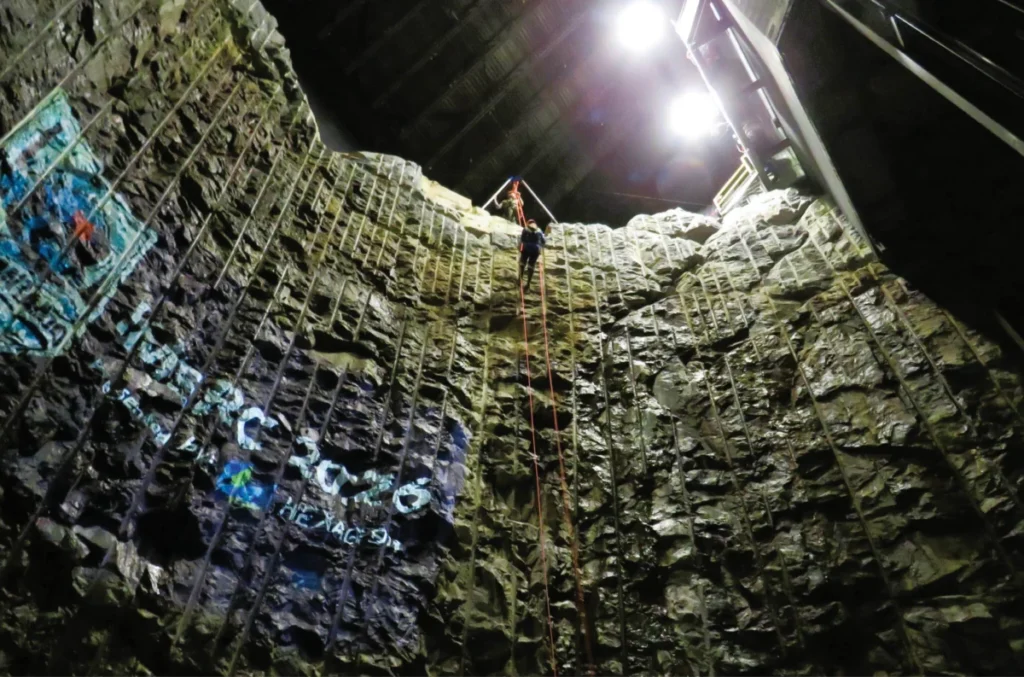
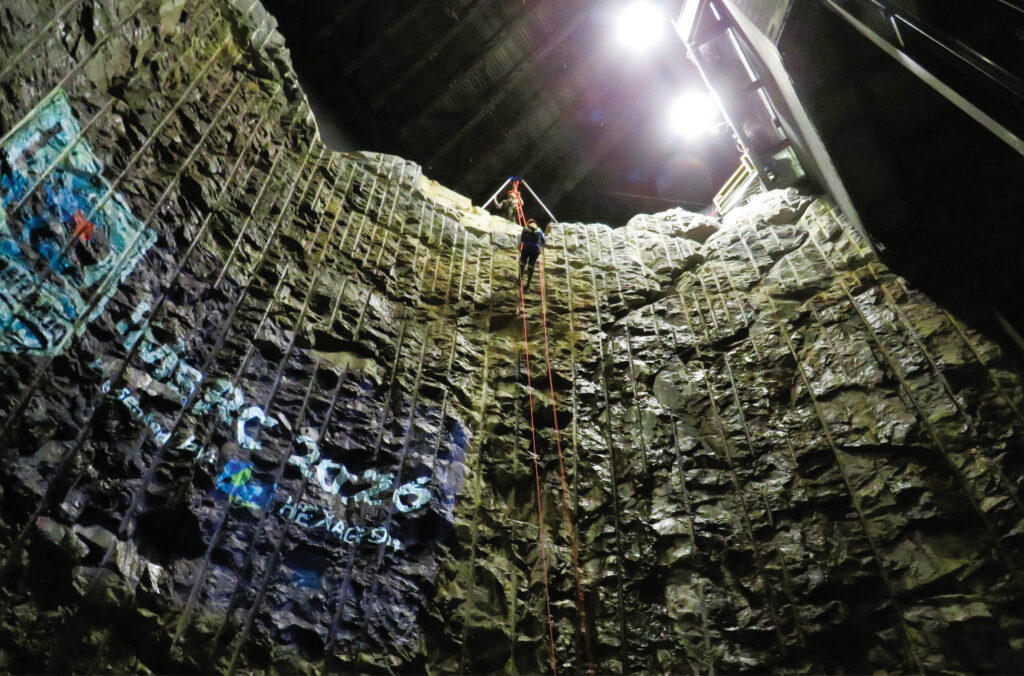
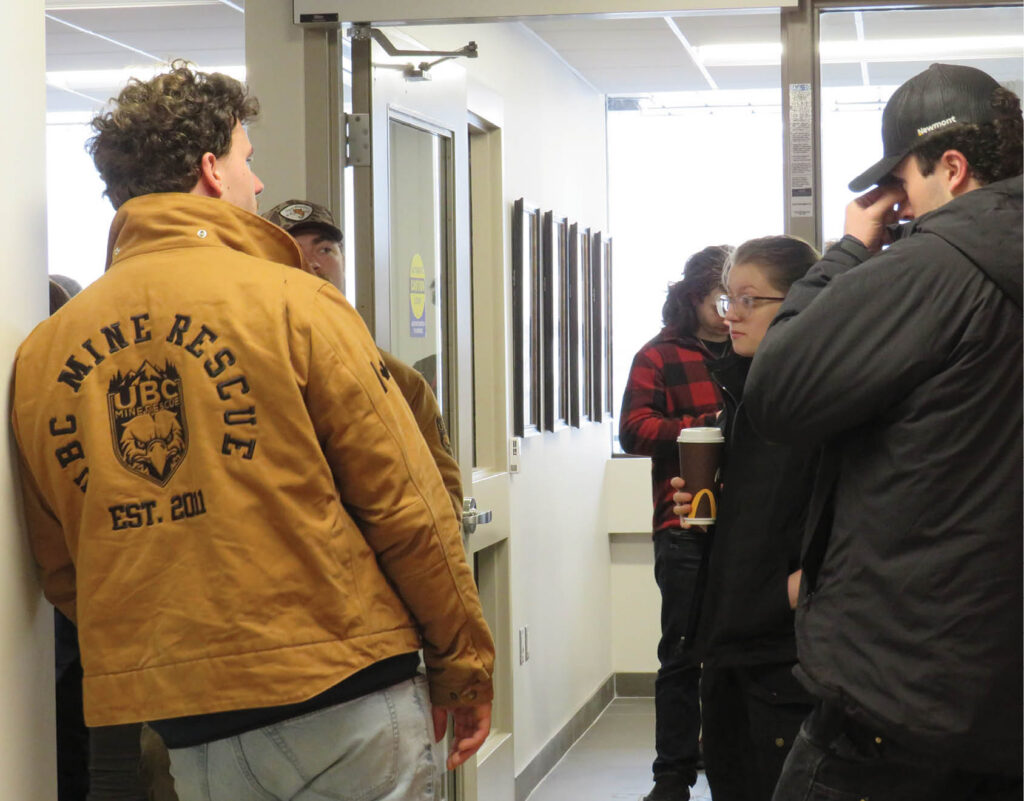
The Intercollegiate Mine Emergency Response Competition (IMERC), an intensive multi-day event designed to test the skills and readiness of future mining professionals, recently concluded at Laurentian University in Sudbury, Ontario. From February 6th to February 21st, nine teams of students hailing from universities and colleges across North America, including institutions in Colorado, South Dakota, British Columbia, Alberta, and Ontario, converged to tackle simulated underground mine emergencies. This significant event, held in partnership with Dynamic Earth, Science North’s renowned underground mine museum, provided a rigorous platform for students to demonstrate their proficiency in critical mine rescue operations.
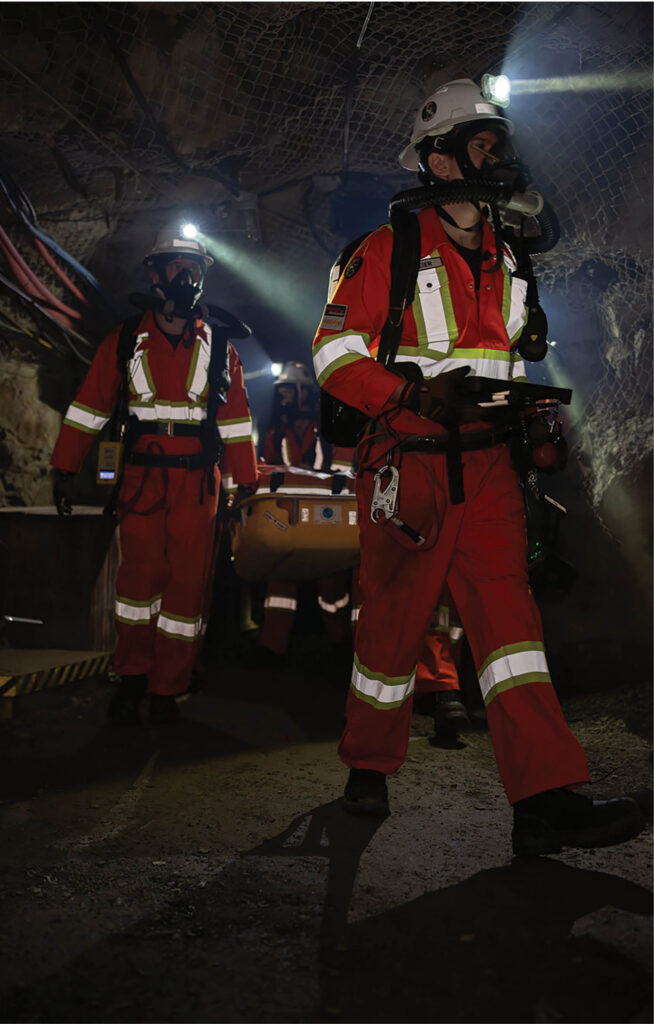
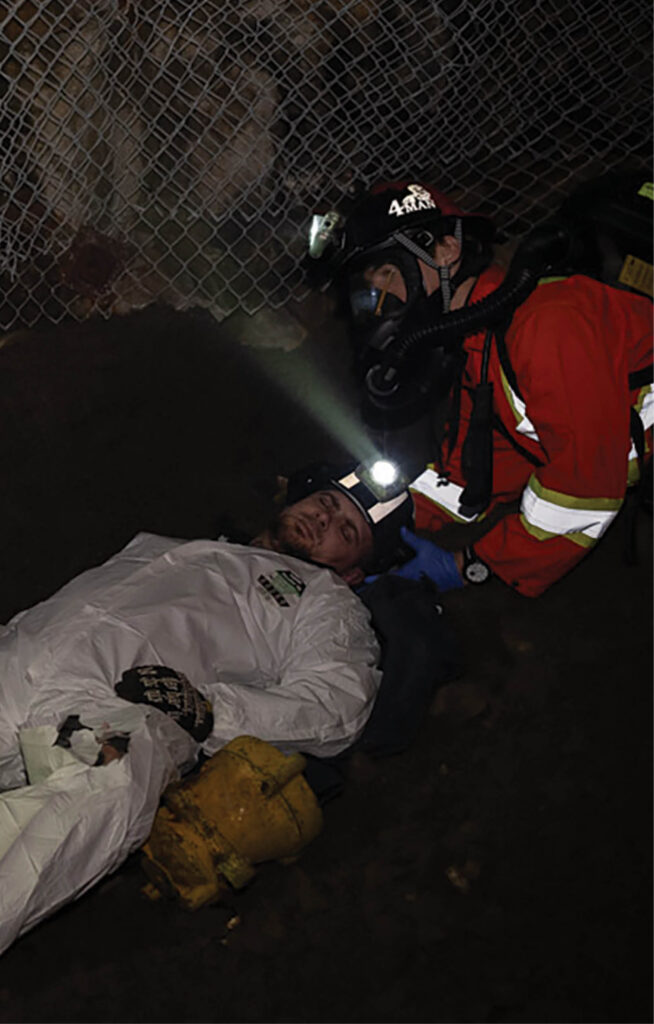
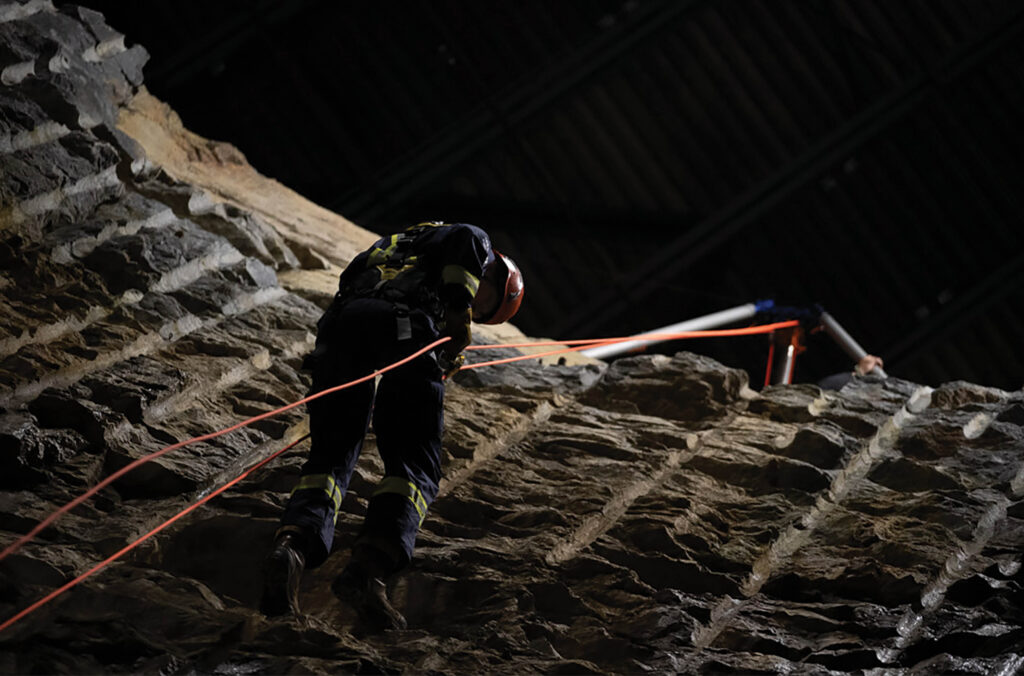
The competition was meticulously crafted to mirror the high-stakes environment of actual mining incidents. Participants were challenged with a comprehensive range of scenarios, including a full underground response simulation, a mass-casualty first aid exercise, and a series of technical skills challenges. These scenarios were designed not only to assess individual and team performance under pressure but also to foster a deeper understanding of the complexities and inherent risks within the mining industry. The choice of Sudbury, a city with a rich and deep mining history, provided an authentic backdrop, allowing students to engage with the geological and operational realities of the region.
A Tradition of Excellence in Mine Safety Training
The IMERC has evolved into a cornerstone event for aspiring mining engineers and safety professionals. While the specific origins and exact year of the first competition are not detailed in the provided information, its recurring nature signifies a long-standing commitment to enhancing mine safety education. Such competitions are vital for bridging the gap between academic learning and the practical demands of the mining sector. They serve as an invaluable training ground, allowing students to apply theoretical knowledge in a controlled yet realistic setting, thereby building confidence and refining their decision-making capabilities.
This year’s IMERC was particularly notable for its extended duration, spanning from February 6th to February 21st. This extended timeline allowed for a more in-depth and comprehensive evaluation of the participating teams, providing ample opportunity for each challenge to be executed and assessed thoroughly. The partnership with Dynamic Earth, an institution dedicated to promoting earth sciences and mining heritage, further amplified the educational value of the event. Its underground mine museum setting offered a unique and authentic environment for the simulated rescue operations, providing a tangible connection to the real-world challenges faced by miners.
Rigorous Scenarios Test Diverse Skill Sets
The core of the IMERC lies in its multifaceted challenges, each designed to assess a different facet of mine emergency response. The full underground response scenario is often the most demanding, requiring teams to navigate simulated mine environments, often involving hazardous conditions such as smoke, confined spaces, and simulated equipment malfunctions. This component tests a team’s ability to coordinate search and rescue efforts, manage ventilation systems, and safely extricate "victims" while adhering to strict safety protocols. The complexity of these scenarios demands a high degree of teamwork, communication, and problem-solving under extreme duress.
The mass-casualty first aid exercise is another critical element. In mining environments, accidents can often result in multiple injuries, requiring immediate and effective medical intervention. This part of the competition evaluates the students’ proficiency in triage, advanced first aid, and the stabilization of injured individuals in a chaotic and resource-limited setting. The ability to provide prompt and skilled medical care can be the difference between life and death in a real-world mining emergency.

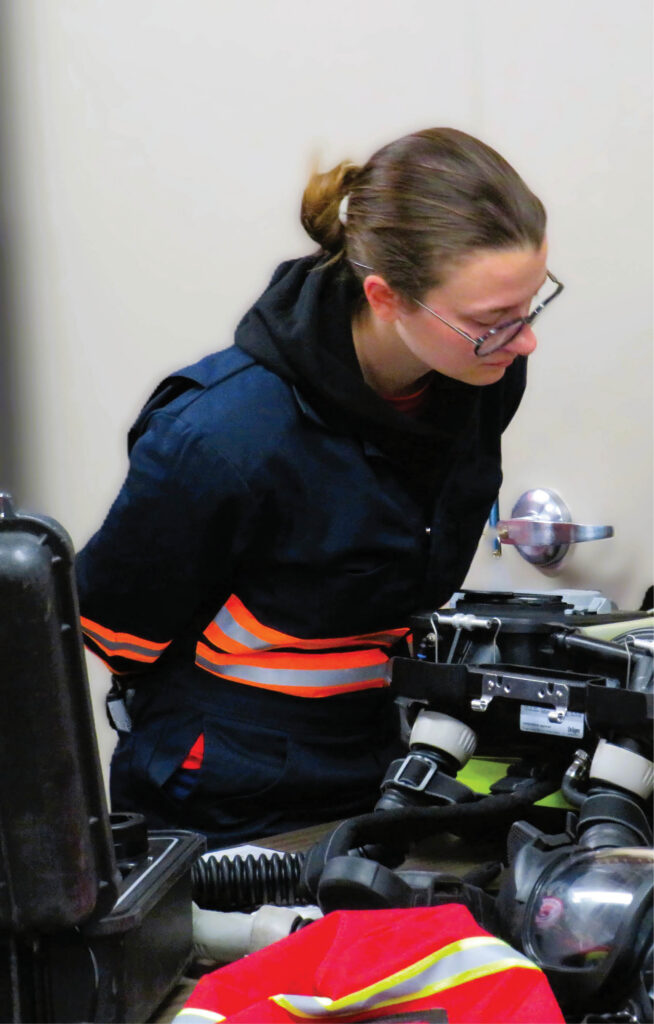
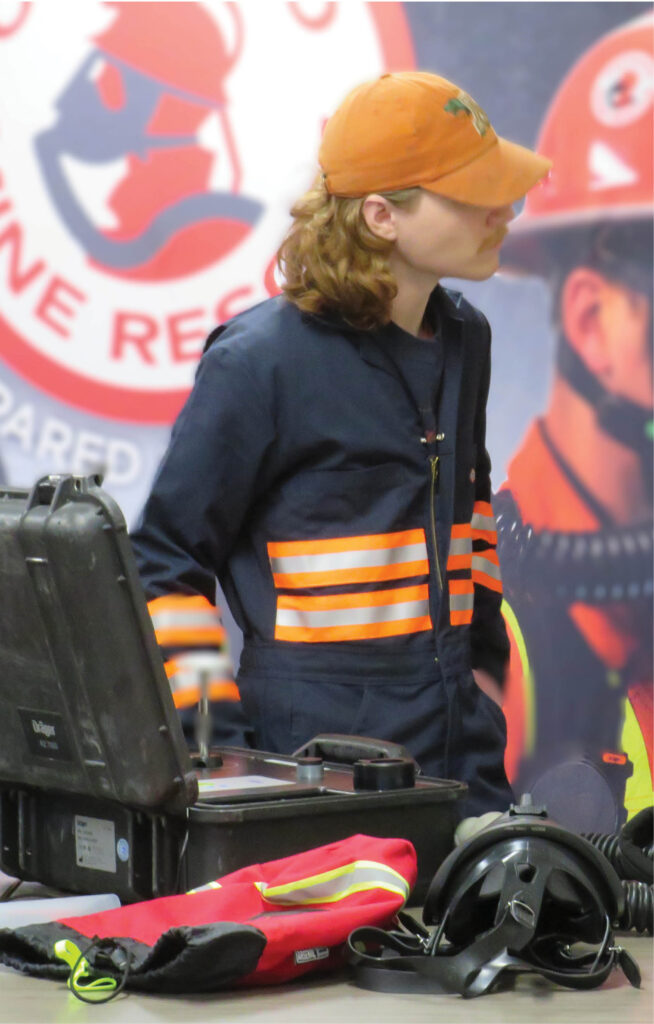
Finally, the technical skills challenge components likely focus on specific competencies essential for mine rescue. These could include proficiency in operating specialized rescue equipment, such as breathing apparatus, communication systems, and monitoring devices. They may also involve tasks related to mine surveying, gas detection, and the safe handling of hazardous materials, all of which are critical for effective emergency response and operational safety in underground mining.
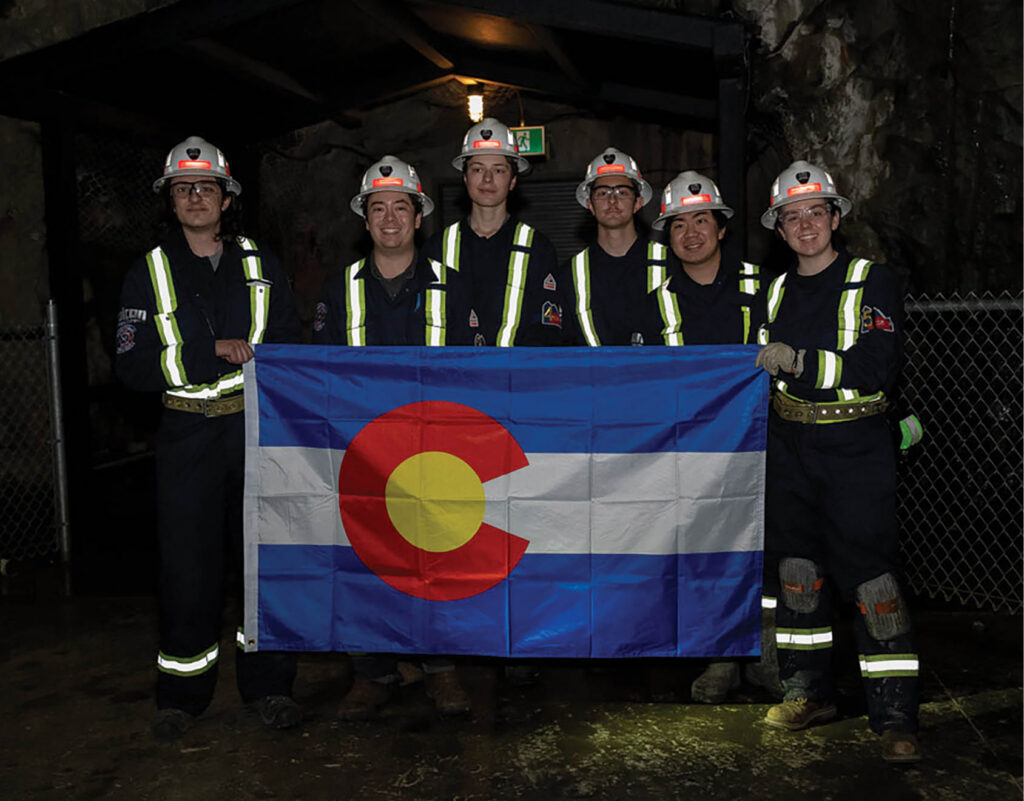
North American Talent Converges on Sudbury
The geographic diversity of the participating teams underscores the broad appeal and recognized importance of the IMERC. Universities and colleges from Colorado and South Dakota represented the United States, while institutions from British Columbia, Alberta, and Ontario showcased Canadian talent. This intercollegiate nature fosters a spirit of friendly competition and also provides a unique opportunity for students from different regions to exchange ideas, learn from each other’s approaches, and build professional networks that can extend well beyond the competition.
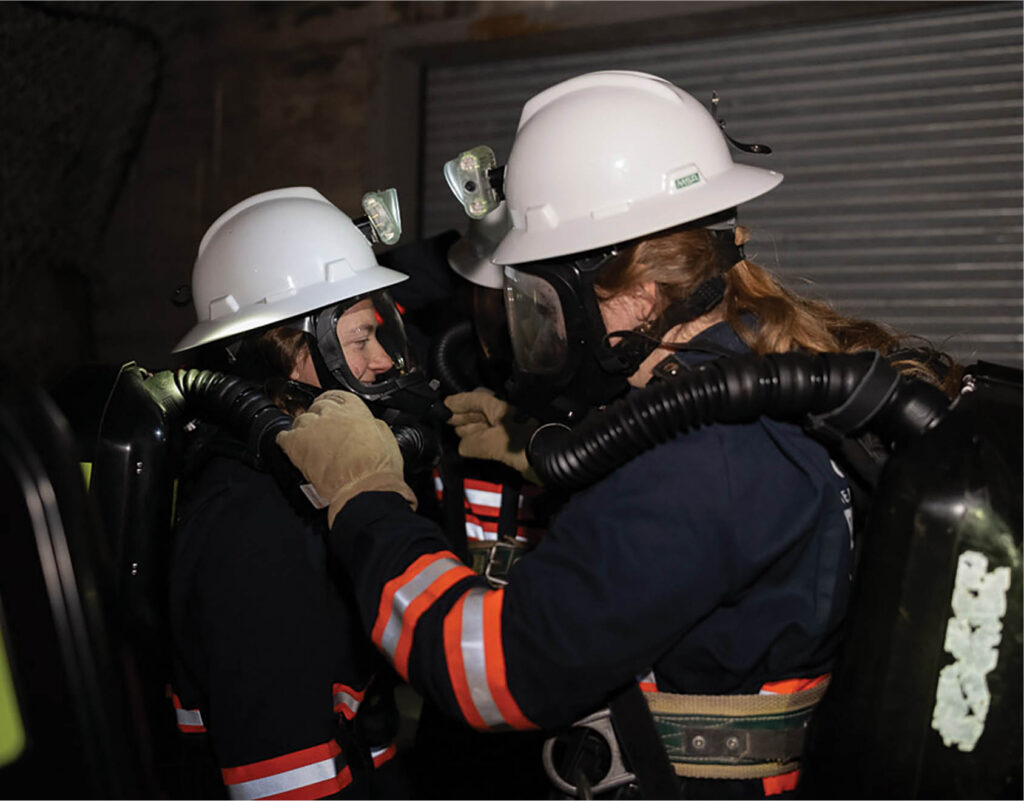
Laurentian University, as the host institution, holds a prominent position within Canada’s mining education landscape. Its programs are deeply integrated with the mining industry, particularly in the Sudbury Basin, one of the world’s richest sources of nickel and copper. This close proximity and strong industry ties likely contributed to the high standard of organization and the realism of the simulated scenarios presented at the IMERC.
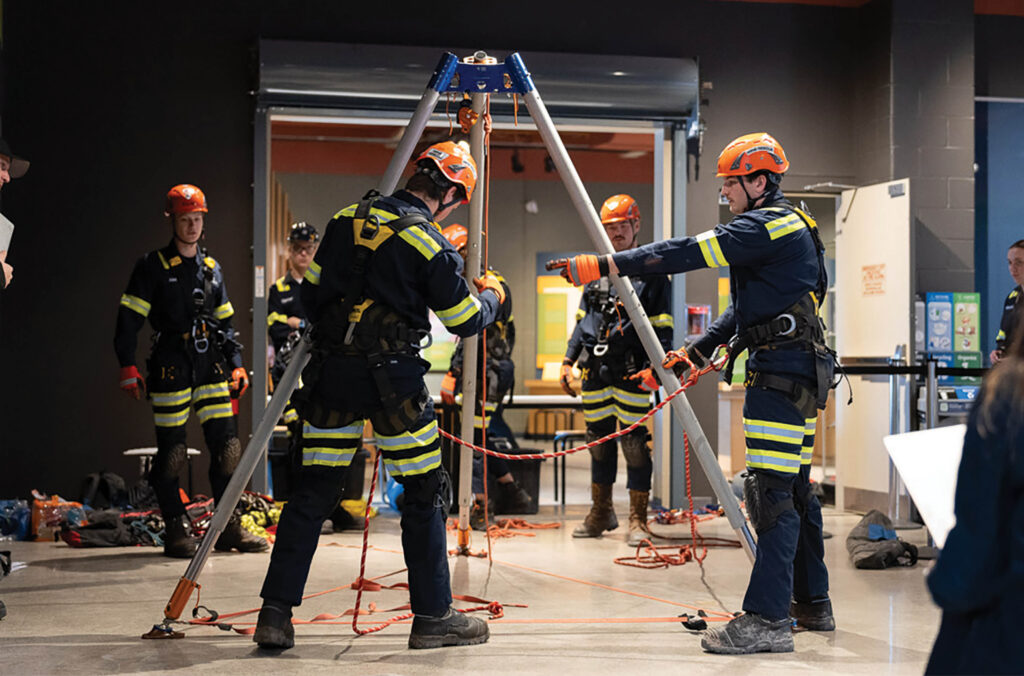
Preparation and Strategy: The Foundation of Success
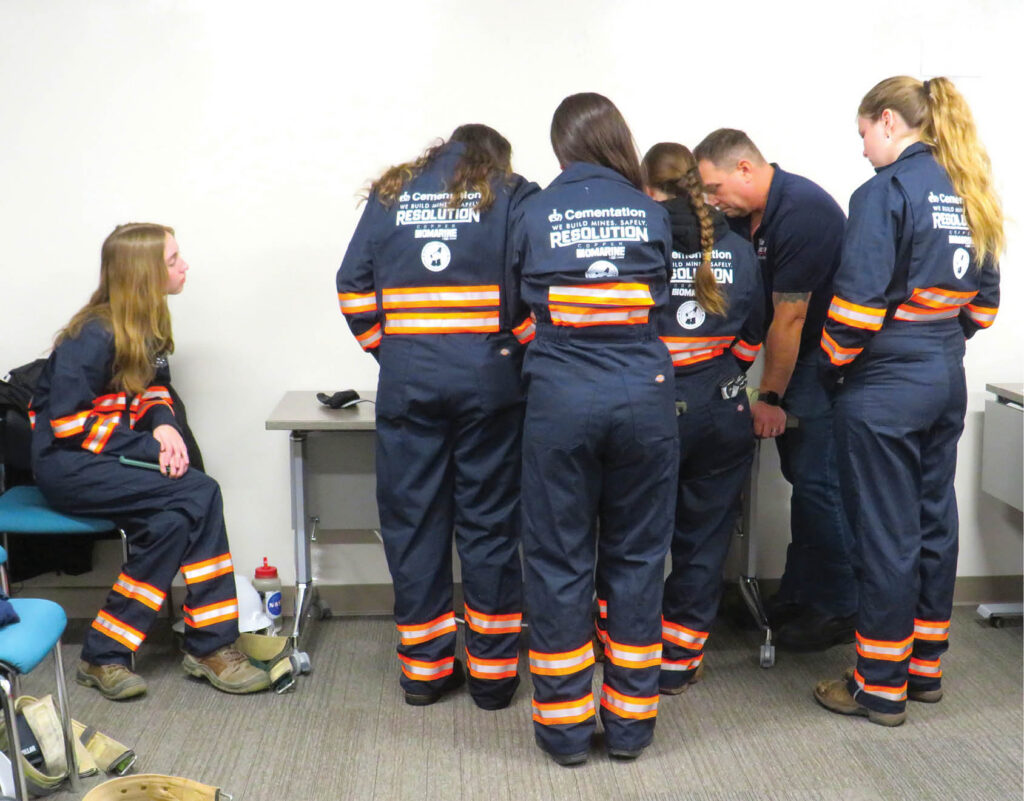
The competition was not merely about reacting to simulated crises; significant emphasis was placed on preparation and strategic planning. The provided image captions highlight a crucial pre-competition phase where teams took time to "get acquainted and familiarize themselves with the rescue equipment, response tools, and protocols for each challenge." This period of acclimatization is fundamental. It allows teams to understand the specific capabilities of the equipment they will be using, to confirm their understanding of the rules and objectives of each scenario, and to reinforce their communication strategies.
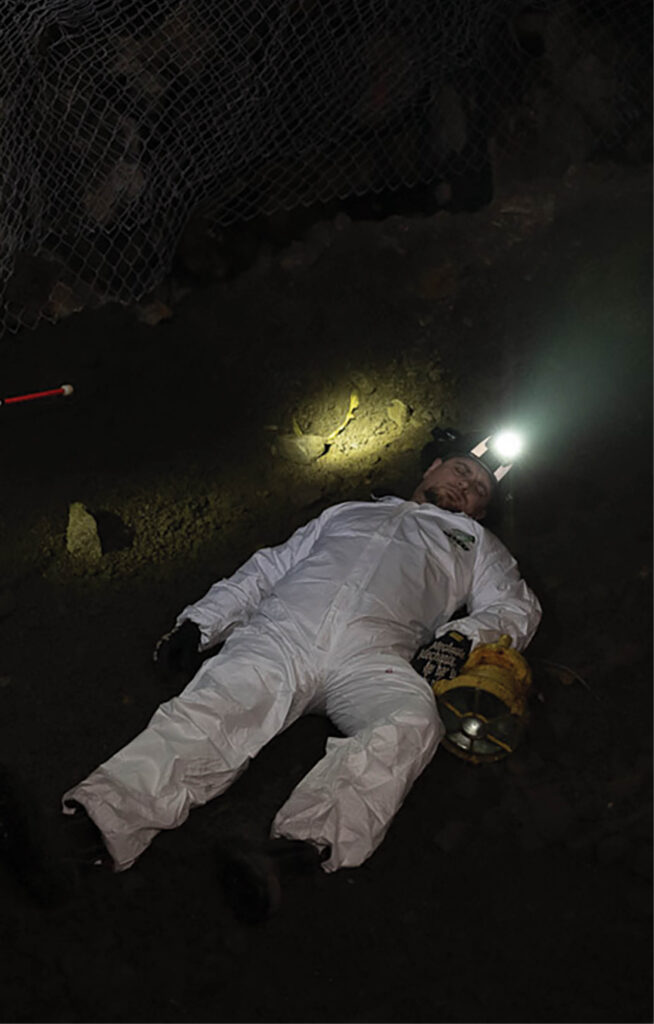
Furthermore, the image captions suggest that the students were "closely supervised by industry experts." This direct mentorship from seasoned professionals offers an invaluable learning experience. These experts provide real-time feedback, guidance on best practices, and insights into the nuanced decision-making required in high-pressure situations. The students’ ability to "quickly assess situations, coordinate their actions, and execute rescue protocols" is a direct testament to the effectiveness of this preparation and expert supervision.
Analysis of Implications: Building the Next Generation of Safety Leaders
The Intercollegiate Mine Emergency Response Competition serves several critical functions for the mining industry and for the participating students:
- Talent Development: It acts as a highly effective recruitment tool, allowing mining companies to identify promising future leaders with proven practical skills and a commitment to safety. The hands-on experience gained through IMERC is often more impactful than theoretical coursework alone.
- Safety Culture Enhancement: By simulating dangerous scenarios, the competition instills a strong safety-first mindset in students from the outset of their careers. This focus on emergency preparedness can contribute to a broader culture of safety within the industry, potentially reducing the frequency and severity of actual mining accidents.
- Skill Refinement and Innovation: The competitive nature of IMERC encourages teams to refine their existing skills and potentially explore innovative approaches to problem-solving. The exchange of ideas between different teams and with industry experts can lead to advancements in rescue techniques and protocols.
- Industry-University Collaboration: Events like IMERC strengthen the vital links between academic institutions and the mining sector. This collaboration ensures that educational programs remain relevant to industry needs and that students receive training aligned with current best practices and technological advancements.
- Regional Economic Impact: Hosting such a significant event in Sudbury brings economic benefits to the region through accommodation, catering, and support services for the visiting teams and organizers. It also highlights Sudbury’s ongoing role as a center for mining innovation and education.
A Celebratory Conclusion and Future Outlook
The competition culminated with the announcement of the overall winner: Laurentian University’s Mine Rescue team. This achievement not only recognizes the exceptional skills and dedication of the winning students but also brings pride to the host institution. Beyond the competitive aspect, the IMERC ultimately fosters a sense of camaraderie and shared purpose among participants. As the caption notes, the event "fostered collaboration between the teams and showcased Sudbury’s unique geology and mining practices." This collaborative spirit is essential in an industry where cooperation and mutual support are paramount, especially during emergencies.
The success of this year’s IMERC underscores the continued importance of investing in the training and development of future mining professionals. As the global demand for natural resources continues, the mining industry faces ongoing challenges related to safety, sustainability, and technological advancement. Competitions like IMERC play a crucial role in equipping the next generation of mining leaders with the skills, knowledge, and mindset necessary to navigate these challenges responsibly and effectively, ensuring a safer and more sustainable future for the industry. The lessons learned and the bonds forged during these intensive competitions will undoubtedly serve these students well as they embark on their professional journeys in the vital field of mining.