



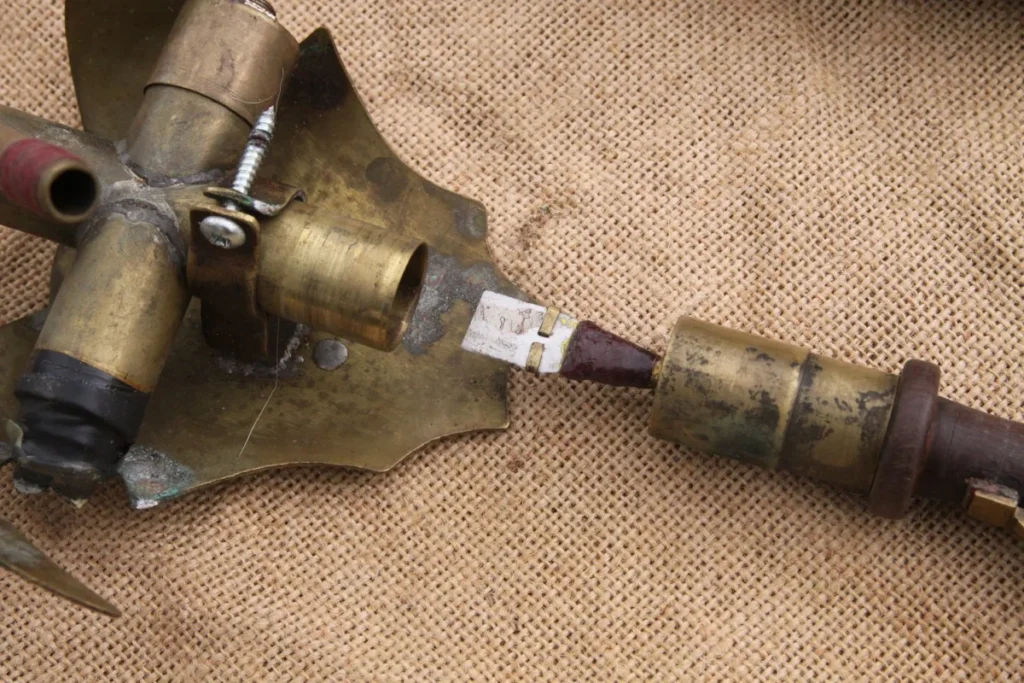
In the quiet workshops of the United Kingdom, a synthesis of ancient woodwind tradition and modern electronic engineering has reached a significant milestone. A dedicated hobbyist, operating under the moniker Goat Industries, has successfully completed a three-decade-long project to modernize the Irish Uilleann pipes, transforming them into an electromagnetic instrument capable of holding its own on a high-decibel rock stage. By replacing the traditional cane reed with a custom-engineered carbon steel variant and integrating electromagnetic pickups, the inventor has solved a problem that has plagued folk-rock musicians for over half a century: how to amplify the nuanced sound of bagpipes without the devastating interference of audio feedback.
The project, which began in 1996, represents a deep dive into the physics of acoustics and the challenges of live sound reinforcement. While the bagpipes are historically known for their volume—often reaching levels between 100 and 120 decibels—they struggle to compete with the sheer sonic pressure of a fully amplified rock ensemble, where guitar stacks and drum kits can easily drown out acoustic instruments. The traditional solution, placing a microphone near the instrument’s chanter, often results in a muddy mix, the capture of unwanted stage noise, and the high-pitched screech of feedback when the performer moves too close to a monitor. The electromagnetic bagpipe bypasses these limitations by treating the reed not just as a source of air vibration, but as a metallic oscillator within a magnetic field.
Historical Context and the Mechanics of the Uilleann Pipes
To understand the magnitude of this technical achievement, one must first look at the history of the instrument itself. While the Great Highland Bagpipe of Scotland is perhaps the most globally recognized iteration, the Irish Uilleann pipes (meaning "pipes of the elbow") offer a distinct mechanical and sonic profile. Emerging in the early 18th century, the Uilleann pipes are unique because they are bellows-blown rather than mouth-blown. The player uses their arm to pump a small set of bellows strapped to the waist, which fills a bag with air. This air is then squeezed through the chanter to produce notes.
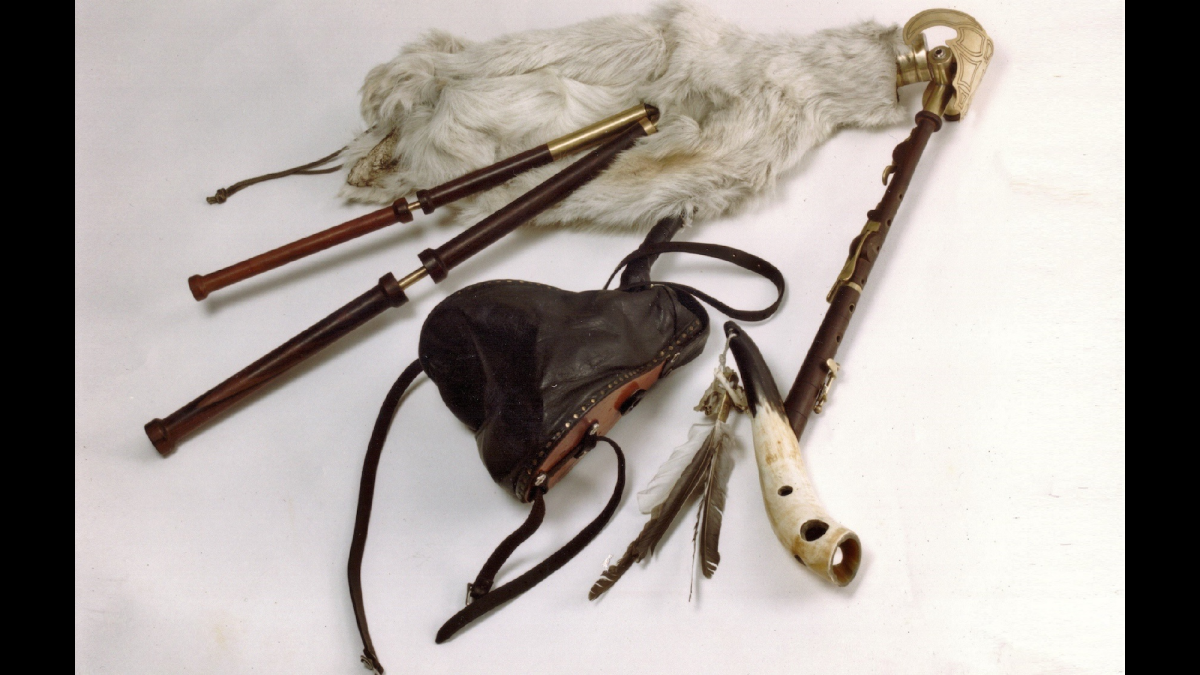
This design offers several advantages for modernization. Because the air used is "dry" (unlike the moist breath used in Scottish pipes), the internal components are less susceptible to the rot and moisture-related tuning shifts common in other bagpipe varieties. Furthermore, the Uilleann pipes possess a two-octave range and a sweeter, more melodic tone, often described as "mellow" compared to the piercing drones of their Scottish cousins. However, even this "mild" instrument was never intended to be played alongside a distorted Gibson Les Paul or a heavy-hitting drummer.
A Chronology of Innovation: 1996 to the Present
The journey toward the electro-magnetic bagpipe began thirty years ago when the inventor first experimented with a standard Irish chanter. The primary hurdle was the reed. Traditional reeds are crafted from cane (Arundo donax), a material prized for its flexibility and organic resonance but entirely non-conductive and non-magnetic. To utilize electromagnetic pickups—the same technology found in electric guitars—the reed needed to be made of a ferrous material.
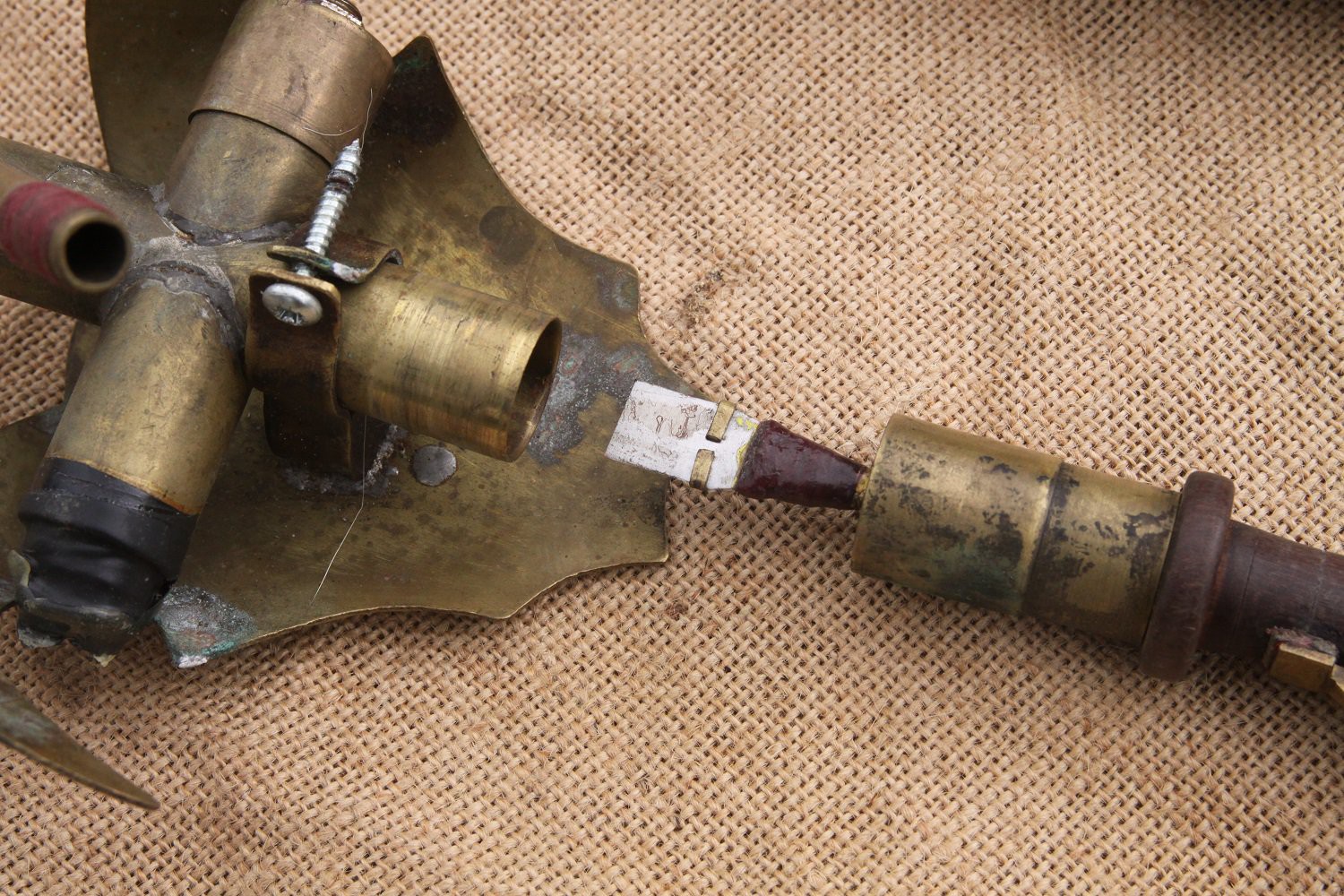
In 1996, the first "hack" involved the creation of a homemade reed fashioned from carbon steel. This was a radical departure from lutherie norms. Carbon steel provides the necessary magnetic properties to disturb a magnetic field, allowing a pickup to translate the physical vibration of the reed into an electrical signal. However, the initial prototypes faced challenges regarding "playability" and the physical effort required to vibrate a steel reed compared to a thin sliver of cane.
Over the ensuing decades, the project underwent numerous iterations. The inventor had to balance the thickness of the steel to ensure it could vibrate at the correct frequencies to maintain the instrument’s traditional tuning while remaining durable enough to withstand the high air pressure of the bellows. By the mid-2020s, the design had been perfected, integrating the steel reed into a setup that looks like a traditional Uilleann pipe but functions as a hybrid synthesizer-acoustic instrument.
Technical Specifications and Engineering Breakthroughs
The core of the innovation lies in the electromagnetic pickup system. In a standard electric guitar, a string vibrates over a magnet wrapped in copper wire, inducing a current. In the electro-magnetic bagpipes, the carbon steel reed serves as the vibrating element. As the player pumps the bellows and fingers the chanter, the steel reed vibrates within the magnetic field of a pickup mounted inside the instrument.
This configuration offers several technical benefits:
- Isolation of Sound: The pickup only "hears" the vibration of the steel reed. It does not pick up the sound of the drums, the bass, or the vocalist, allowing for a perfectly clean signal to be sent to the mixing desk.
- Feedback Resistance: Because the system does not rely on a microphone to capture sound waves in the air, the "feedback loop" (where a speaker’s output is re-amplified by a microphone) is virtually eliminated. The inventor notes that feedback can only be achieved intentionally—similar to the controlled feedback used by Jimi Hendrix—by physically pressing the instrument against a high-gain amplifier.
- Signal Processing: Once the bagpipe’s sound is converted into an electrical signal, it can be manipulated using standard guitar effects. The inventor has demonstrated the use of distortion, delay, and pitch shifters, effectively turning the bagpipes into a lead instrument capable of sounds previously reserved for synthesizers or electric guitars.
The construction of the instrument also blends traditional aesthetics with modern materials. While the exterior bag is made from goat skin to maintain the classic look and feel, it houses an internal bag made of heavy-duty vinyl—the same material used in automotive upholstery. This "bag-within-a-bag" system ensures airtight integrity and longevity, addressing common maintenance issues associated with purely organic bags.
Implications for Live Performance and the Music Industry
The successful deployment of the electromagnetic bagpipe has significant implications for the folk-rock and "celtic metal" genres. For decades, bands like The Chieftains, Dropkick Murphys, and Korn have integrated bagpipes into their sound, but often at the cost of complex stage setups involving multiple microphones and specialized sound engineers. The ability to "plug in" a set of pipes via a standard 1/4-inch jack simplifies the logistics of touring and live broadcasting.

Industry reactions, while currently limited to the "maker" and hobbyist communities, suggest a growing interest in hybrid acoustic instruments. Sound engineers have long viewed bagpipes as a "problem instrument" due to their inconsistent volume and broad frequency spectrum. A direct-input (DI) bagpipe solves these issues, providing a consistent signal that can be easily balanced in a front-of-house mix.
Furthermore, the project highlights a broader trend in the "Workshop" or "Maker" movement: the democratization of musical instrument design. By documenting the process on platforms like Hackaday, the inventor provides a blueprint for others to follow, potentially leading to a new sub-genre of "electro-folk" instruments.
Analytical Overview: The Future of Hybrid Instruments
The creation of the electromagnetic bagpipe is more than just a novelty; it is a case study in functional preservation. As musical landscapes become increasingly dominated by electronic and digital sounds, traditional instruments must either adapt or be relegated to museum pieces and historical reenactments. By finding a way to make the Uilleann pipes "rock-ready," the inventor has ensured that the instrument remains relevant in modern performance spaces.
However, the transition from cane to steel is not without its critics. Purists in the traditional music community may argue that the "soul" of the instrument is lost when the organic resonance of cane is replaced by the clinical vibration of steel. Yet, the inventor argues that the trade-off is necessary for the instrument to survive in high-volume environments. The resulting sound—described by onlookers as a cross between a traditional pipe and a high-gain electric guitar—occupies a new sonic territory that is neither purely acoustic nor purely synthetic.

As the project moves from the workshop to the stage, it serves as a testament to the power of persistent hobbyism. Thirty years of trial and error have resulted in an instrument that honors the 18th-century craftsmanship of the Irish masters while embracing the raw power of 21st-century rock and roll. The electromagnetic bagpipe stands as a bridge between eras, proving that even the most stubborn of traditional instruments can be taught new tricks through the application of modern physics and a bit of "goat-industrious" ingenuity.