



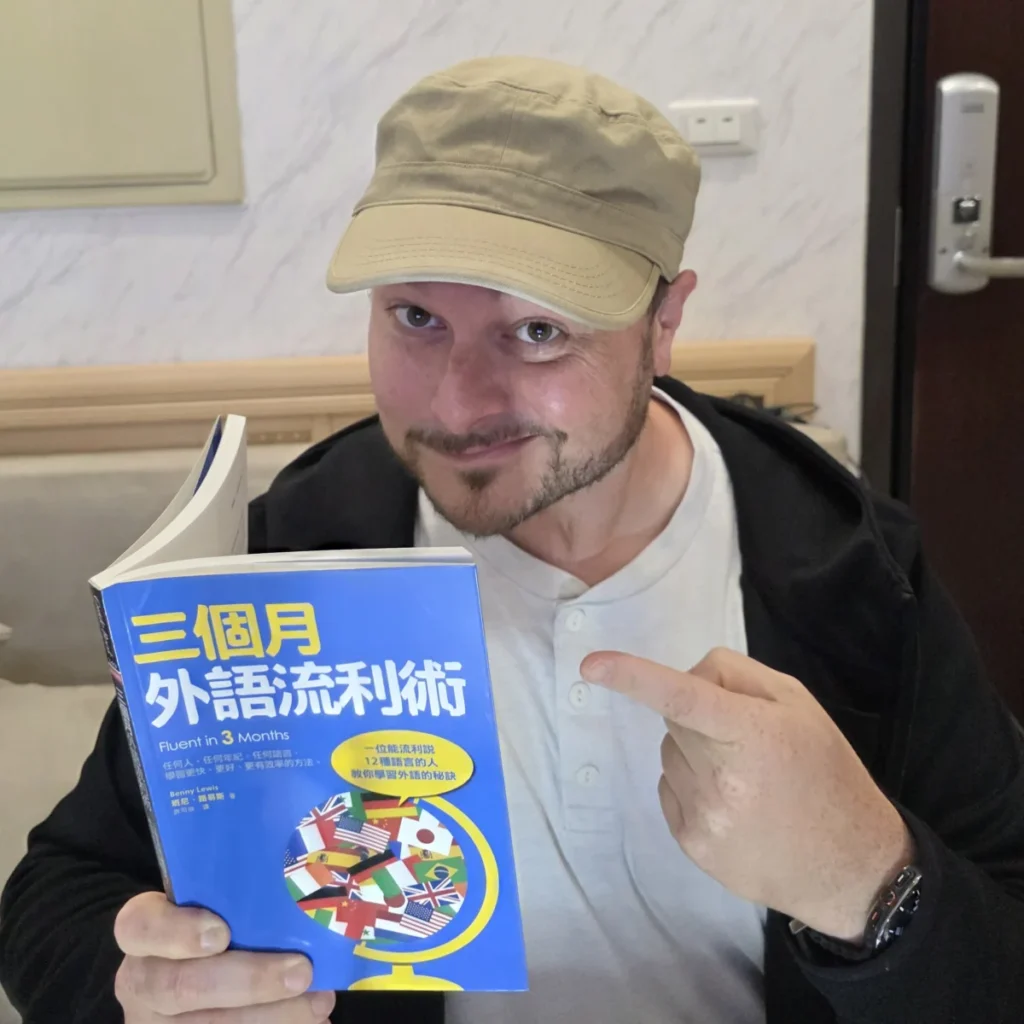
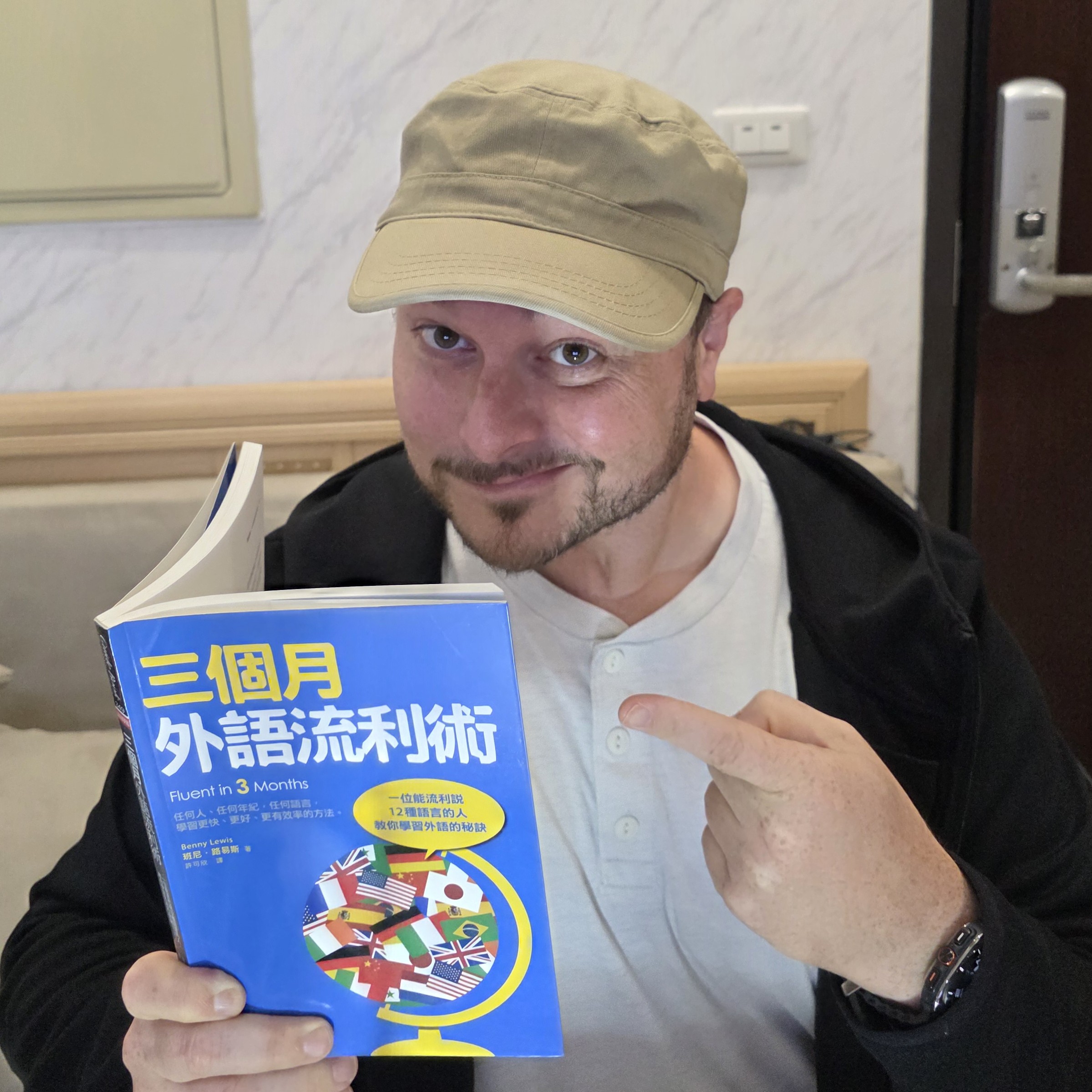
Benny Lewis, the internationally recognized polyglot and founder of the language-learning platform Fluent in 3 Months, has officially returned to Taipei, Taiwan, to embark on an intensive eight-week Mandarin Chinese immersion project. This initiative marks a significant return to the site of his original 2012 Mandarin mission, which remains one of the most documented and debated projects in the history of online language acquisition. Lewis, an Irish native who has been a nomad since 2003, aims to regain and surpass his previous lower-intermediate (B1) proficiency through a rigorous daily regimen of self-study, digital tutoring, and local social integration.
The project comes at a time of renewed interest in the Mandarin language globally, as well as a shifting landscape in how independent learners utilize technology and travel to achieve fluency. Lewis’s return to Taipei is not merely a personal milestone but a strategic move to leverage the high-immersion environment of the Taiwanese capital, which serves as a unique linguistic hub where traditional characters and specific regional dialects offer a distinct challenge compared to mainland China.
A Decade of Linguistic Evolution: From 2012 to the Present
To understand the scope of the current project, it is necessary to examine the chronology of Lewis’s history with the Mandarin language. In 2012, Lewis launched a high-profile "Mandarin Mission" that involved three months of intensive study in Taiwan, followed by two months of travel through mainland China. That project concluded with an independent evaluation placing his spoken ability at the B1 level on the Common European Framework of Reference for Languages (CEFR). During that period, Lewis documented several high-intensity experiences, including practicing Kung Fu in a rural fishing village and conducting interviews with native media professionals.
In the years following the 2012 mission, Lewis’s Mandarin proficiency experienced a period of regression, a common phenomenon in language acquisition known as "language attrition." Aside from a brief period of intensive revision while co-authoring the "Language Hacking Mandarin" course for the Teach Yourself series, Lewis’s use of the language was limited to brief exchanges at international networking events. The decision to re-engage with the language was catalyzed by a two-month journey through Malaysia in early 2024. During this time, Lewis interacted extensively with the Chinese diaspora and tourists from mainland China, sparking a realization that his previous foundation in the language remained a viable asset if properly reactivated.
Methodology and the Modern Learning Stack
The current Taipei project utilizes a hybrid methodology that combines traditional pedagogical tools with modern digital resources. Lewis has established a structured daily routine designed to address the specific challenges of a "rusty" intermediate learner. Unlike his advice for absolute beginners—who he suggests should avoid heavy grammar focus—Lewis has prioritized a formal grammar-based approach in this phase to refine his sentence structure and achieve a more natural cadence.
The technical "stack" for this project includes:
- Spaced Repetition Systems (SRS): Lewis is utilizing Anki, a popular flashcard application, to review vocabulary. Notably, he has recovered and updated his original 2012 database, which contains thousands of entries tailored to his personal conversational history. This involves a complex technical recovery of 14-year-old files to ensure compatibility with modern software versions.
- Digital Tutoring Platforms: The project incorporates near-daily lessons through Preply, an online marketplace for language tutors. This provides the "momentum" necessary to overcome the psychological barriers of language attrition.
- Artificial Intelligence Integration: In a departure from his 2012 methods, Lewis is utilizing AI-driven conversation tools as a cost-effective supplement to human tutoring, allowing for high-frequency practice without the logistical constraints of scheduling.
- Contextual Audio Learning: During commutes via the Taipei Metro, Lewis utilizes the ChineseClass101 podcast series, specifically focusing on lower-intermediate content to bridge the gap between basic comprehension and complex discussion.
The Linguistic Environment of Taipei: A Case Study in Immersion
Taipei provides a unique environment for this project. While the city is a major international hub, the linguistic reality for foreigners remains challenging. Lewis reports that despite the presence of English-speaking staff in specific international chains, the vast majority of daily interactions—ranging from postal services to ordering at local establishments—require a functional command of Mandarin.
The linguistic landscape of Taiwan is characterized by the use of Traditional Chinese characters, whereas mainland China uses Simplified characters. Lewis’s current study materials are selected for their ability to accommodate both systems, as well as their recognition of Taiwanese Mandarin’s unique phonetic and lexical variations. This regional nuance is critical for learners who wish to navigate the complexities of the Sinosphere beyond a standardized "Putonghua" curriculum.
Industry data suggests that Mandarin remains one of the most difficult languages for English speakers to acquire. According to the Foreign Service Institute (FSI) of the U.S. Department of State, Mandarin is classified as a "Category IV" language, requiring approximately 2,200 hours of study to reach professional working proficiency. By immersing himself in Taipei, Lewis is attempting to compress this timeline through sheer volume of exposure.
Health and Productivity: The Intersection of Physical and Mental Performance
An often-overlooked aspect of Lewis’s current project is the integration of physical fitness into his cognitive routine. Lewis has reported a significant weight loss of 25 kilograms (approximately 55 pounds) since the peak of the COVID-19 pandemic. His daily routine in Taipei includes over 90 minutes of running, a practice he maintains alongside his linguistic studies.
Scientific research frequently links aerobic exercise with improved cognitive function and memory retention. A study published in the Journal of Alzheimer’s Disease indicates that regular aerobic exercise increases the size of the anterior hippocampus, which is involved in verbal memory and learning. By maintaining this physical regimen, Lewis is likely optimizing his brain’s neuroplasticity, facilitating the rapid re-acquisition of vocabulary and grammatical rules.
Implications for the Digital Content Industry and AI
Lewis’s current project also signals a broader shift in the digital publishing industry. For over a decade, the Fluent in 3 Months blog operated as a high-traffic resource for SEO-driven language tips. However, the rise of Generative AI and changes in search engine algorithms—such as Google’s "Helpful Content" updates—have disrupted the traditional model of informational blogging.
Lewis has announced a pivot back to "human-centric" storytelling, moving away from generic advice and toward personal narrative. This is a strategic response to the proliferation of "AI slop"—low-quality, AI-generated content that currently saturates the internet. By focusing on his specific, real-world experiences in Taiwan, Lewis aims to provide a level of authenticity and nuance that AI models, which rely on existing training data, cannot replicate.

"In the age of AI, I think we need more personal experiences of actual humans in the world," Lewis noted, highlighting a growing trend among content creators to emphasize lived experience as a primary value proposition.
Future Objectives: Deep Travel and Regional Expansion
The Taipei-based immersion is the first phase of a broader "Deep Travel" project. Following his stay in the capital, Lewis plans to spend several weeks traveling through the rural and coastal regions of Taiwan. This follows his previous travel patterns in countries like Brazil, South Korea, and the United States, where he sought to visit every administrative region to gain a comprehensive understanding of the local culture and dialect.
This expansion beyond Taipei is designed to eliminate the "safety net" of English entirely. In smaller Taiwanese towns, the reliance on Mandarin (and occasionally Taiwanese Hokkien) is absolute. For Lewis, this represents the ultimate test of his two-month intensive study period.
Broader Impact and Conclusion
The return of Benny Lewis to Mandarin study serves as a high-profile example of "lifelong learning" and the resilience required to maintain complex skills over decades. For the global language-learning community, the project provides a transparent look at the realities of language maintenance and the effort required to reverse attrition.
As Lewis progresses through his two-month residency in Taipei, his project will likely serve as a benchmark for how modern polyglots navigate the intersection of traditional immersion and the rapidly evolving field of educational technology. Whether he can successfully transition from a "rusty" intermediate to a confident, fluent speaker remains a subject of intense interest for his global audience of learners and educators alike.
The project underscores a fundamental truth in linguistics: fluency is not a static destination but a continuous process of engagement, adaptation, and, as Lewis’s journey shows, the willingness to return to the beginning when necessary.