
The rapid integration of artificial intelligence into the global economy has prompted a fundamental shift in pedagogical priorities, leading Microsoft Education to announce the launch of the Hour of AI initiative in coordination with Computer Science (CS) Education Week 2025. This global campaign, developed in partnership with CSforALL and a broad coalition of organizations including Code.org, aims to reach 25 million learners of all ages, providing them with the foundational skills necessary to navigate an increasingly AI-driven world. By transitioning the traditional focus of computer science education from static coding to dynamic AI interaction, the initiative seeks to demystify complex technologies through accessible, game-based learning modules designed for classrooms, community centers, and homes.
The initiative arrives at a critical juncture for global education systems. For decades, the primary objective of computer science curricula was to prepare students for predictable career paths in software development and information technology. However, the emergence of generative AI and large language models has redefined the "future of work" in real-time. According to recent labor market analyses, the demand for AI literacy now extends far beyond the technology sector, impacting fields as diverse as healthcare, agriculture, and the creative arts. Microsoft’s Hour of AI is positioned as a strategic response to this shift, offering a low-barrier entry point for students who may not have prior experience with computer science.
Historical Context and the Evolution of CS Education Week
Computer Science Education Week was established in 2009 to raise awareness about the importance of computing education and to encourage students to explore the field. The movement gained significant international traction in 2013 with the launch of the "Hour of Code," an initiative that proved foundational programming concepts could be taught in just sixty minutes. Since then, tens of millions of students have participated annually.

As the industry enters 2025, the focus has expanded. While traditional syntax and logic remain important, the ability to collaborate with AI agents and understand the ethical implications of automated systems has become equally vital. The Hour of AI represents the next phase of this evolution. Microsoft’s commitment to this program reflects a broader corporate strategy to ensure that innovation does not outpace the workforce’s ability to adapt. By partnering with CSforALL, an organization dedicated to making high-quality computer science an integral part of the educational experience, Microsoft is leveraging a proven infrastructure for global distribution.
Strategic Objectives and Target Demographics
The primary goal of the Hour of AI is to empower 25 million learners to take their first steps into understanding and creating with AI. This target is not limited to K-12 students; the program is designed to be inclusive of adult learners, educators, and caregivers. The curriculum is structured to be "age-appropriate," recognizing that a third-grader’s introduction to AI logic must differ significantly from a high schooler’s engagement with code generation.
The initiative emphasizes accessibility, offering resources in 29 different languages. This multilingual approach is intended to mitigate the "AI divide"—the risk that only English-speaking or high-income regions will benefit from the AI revolution. By providing free, web-based tools that do not require high-end hardware, Microsoft and its partners are attempting to democratize AI literacy on a global scale.
Core Learning Modules: Gamified AI Education
To achieve its ambitious reach, Microsoft has unveiled three distinct activities that utilize familiar platforms to teach complex AI concepts. These modules—Minecraft: The First Night, Bug Arena from MakeCode, and Slither Slam from Visual Studio Code—serve as the technical backbone of the initiative.
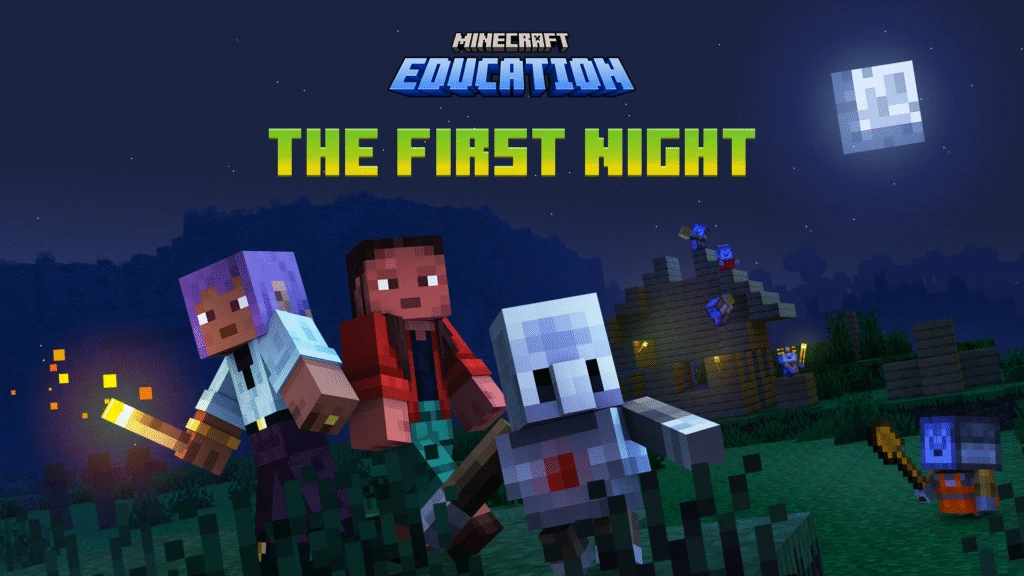
Minecraft: The First Night
Minecraft Education has long been a staple in classrooms for teaching spatial reasoning and basic logic. The new activity, "The First Night," introduces an AI twist to the classic survival gameplay. Students are tasked with surviving their initial 24 hours in the game world by building shelter and gathering resources. However, instead of performing these tasks manually, they must utilize AI agents. Through guided prompts and algorithmic thinking, students discover how AI can be used to solve problems in real-time. This module is particularly effective at teaching the relationship between human instruction and machine execution, a core pillar of modern AI interaction.
Bug Arena from Microsoft MakeCode
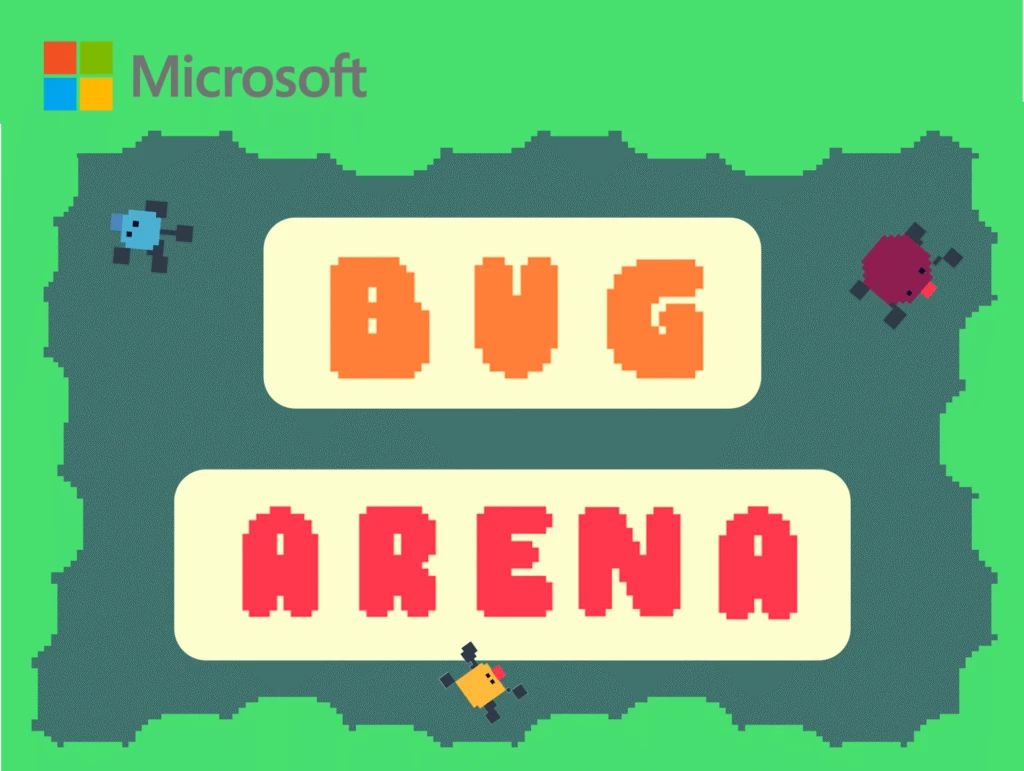
Targeting students in grades 3 through 8, Bug Arena is a web-based tutorial that introduces foundational AI concepts through competitive coding. In this environment, students design algorithms for digital "bugs" and send them into a battle arena against other AI-powered entities. The pedagogical value lies in the iterative process; students write simple code to control movement and strategy, observe the outcome in a simulated environment, and then refine their code to improve performance. This "trial-and-error" loop mirrors the way professional data scientists train and tune machine learning models.
Slither Slam from Visual Studio Code for Education
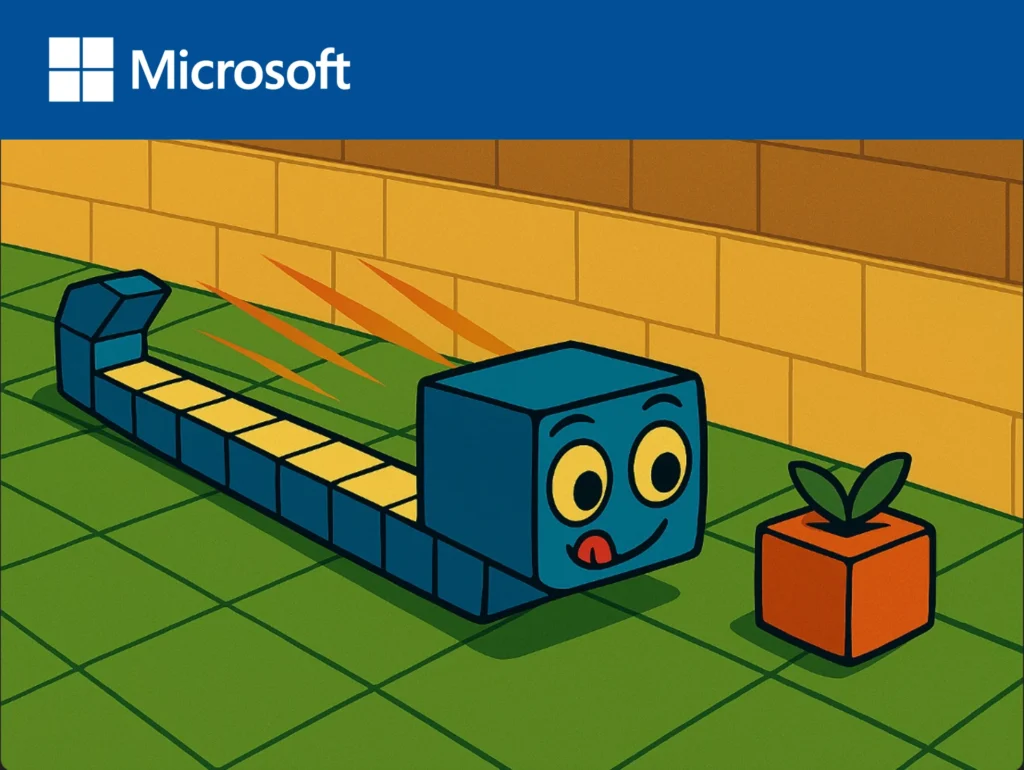
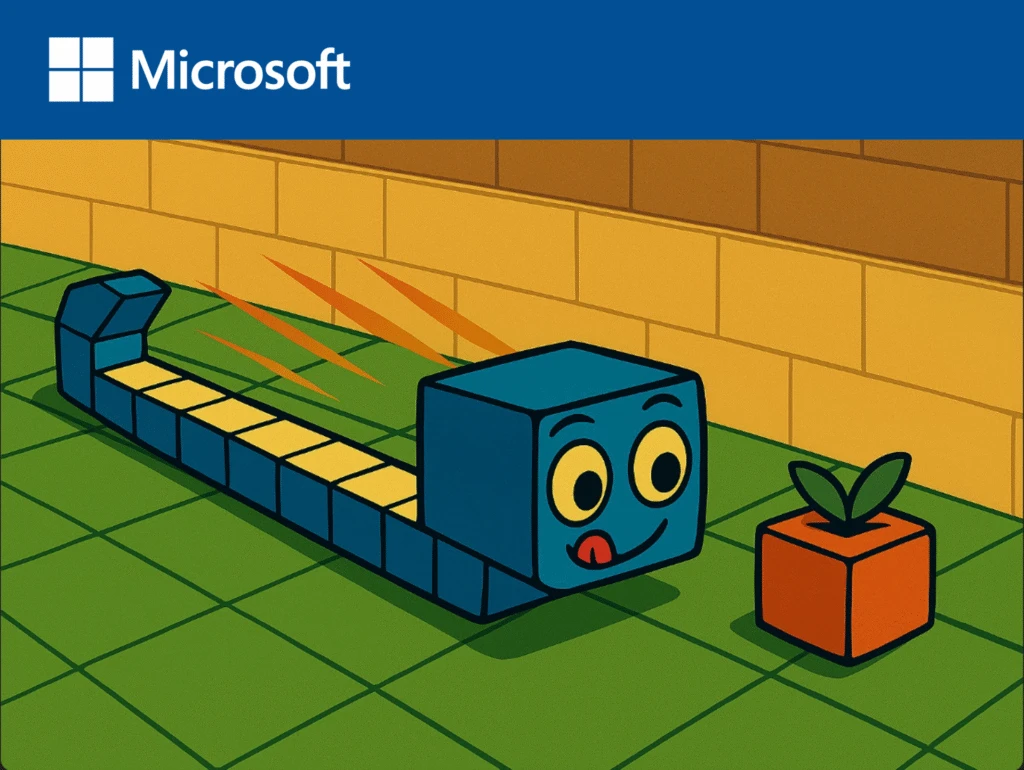
For high school learners (grades 9-12), Microsoft has introduced Slither Slam, hosted on the Visual Studio (VS) Code for Education platform. This activity focuses on the intersection of natural language and software development. Students use natural language prompts to generate code for a classic "Snake" style game. This reflects the industry shift toward AI-assisted development, where the role of the programmer is evolving from writing every line of code to "prompt engineering" and auditing AI-generated output. Slither Slam builds confidence in using professional tools while demonstrating the practical applications of generative AI in modern engineering.
Supporting Data: The Economic Imperative for AI Literacy
The push for AI education is supported by significant economic data. A 2023 report by the World Economic Forum estimated that over 75% of companies are looking to adopt AI technologies within the next five years, which could lead to the disruption of 85 million jobs while simultaneously creating 97 million new roles. However, these new roles require a level of technical fluency that current educational systems are struggling to provide.
Furthermore, Microsoft’s own Work Trend Index suggests that 70% of employees would delegate as much work as possible to AI to lessen their workloads. Despite this enthusiasm, there is a documented "skills gap." Employers frequently report that while they are eager to implement AI solutions, they cannot find workers who understand how to use these tools effectively and ethically. The Hour of AI aims to fill this gap at the grassroots level, ensuring that the next generation of the workforce is "AI-ready" upon graduation.
Official Responses and Collaborative Efforts
Leaders from the participating organizations have emphasized the importance of collective action in this space. CSforALL has stated that the goal of the Hour of AI is not merely to teach technical skills, but to foster a sense of agency among students. By understanding how AI works, students are less likely to view it as a "black box" and more likely to see it as a tool they can control and shape.
Microsoft’s leadership has echoed these sentiments, noting that the company’s commitment to AI education is part of a broader "Microsoft Elevate" program. This program provides year-round resources for educators, including professional development modules and classroom-ready lesson plans. The objective is to ensure that teachers—many of whom may feel overwhelmed by the pace of technological change—have the support they need to lead these discussions confidently.
Analysis of Broader Implications and Future Outlook
The transition from "Hour of Code" to "Hour of AI" signals a permanent change in the landscape of digital literacy. Critics of rapid AI integration often point to the ethical risks, including algorithmic bias, data privacy concerns, and the potential for deepfakes. Microsoft has addressed these concerns by integrating "responsible AI" concepts into the Hour of AI curriculum. Students are not just taught how to use AI, but are also encouraged to think critically about its impact on society.
From a geopolitical perspective, the initiative is also a move to ensure competitive parity. Nations that successfully integrate AI into their national curricula are likely to see higher rates of innovation and economic growth. By providing these resources for free, Microsoft is positioning itself as a central architect of the global educational infrastructure.
As CS Education Week 2025 approaches, the success of the Hour of AI will be measured not just by the number of participants, but by the long-term engagement of students with STEM fields. The initiative serves as a reminder that in the age of artificial intelligence, the most valuable skill a student can possess is the ability to learn, adapt, and innovate alongside the machines they create.
The program concludes with a call to action for educators and parents worldwide to register their classrooms and homes for the event. With comprehensive facilitator training and standardized lesson plans available through the Microsoft Education portal, the barriers to participation have been systematically lowered. As the world moves toward an unprecedented future, the Hour of AI represents a concerted effort to ensure that no learner is left behind in the wake of the technological revolution.