


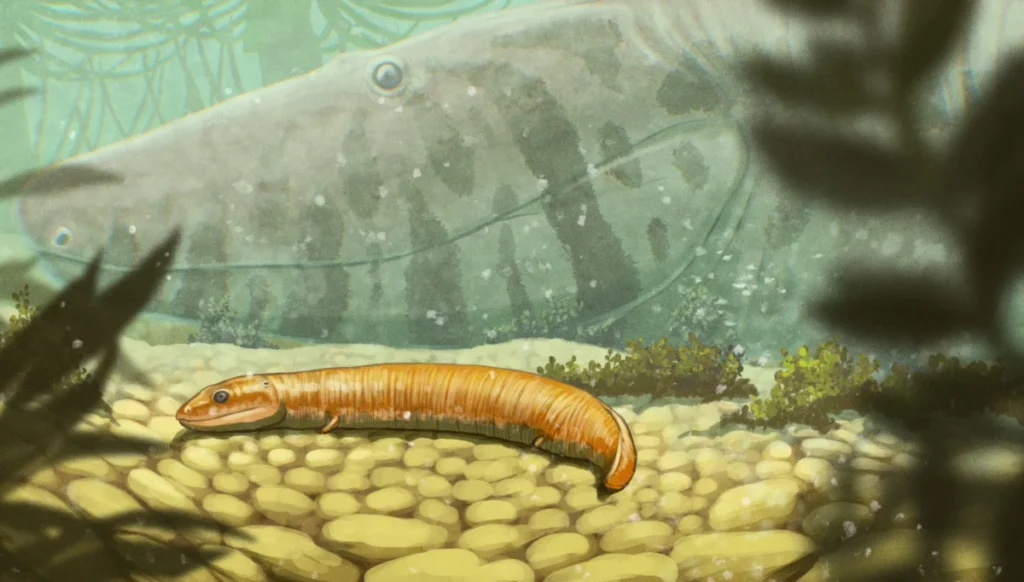
The long-standing narrative of vertebrate evolution, a staple of high school biology curricula for decades, has been fundamentally challenged by new research published in the prestigious journal Science. A comprehensive study led by researchers from the Field Museum in Chicago suggests that the first four-legged animals to transition from the sea to land did not follow the amphibian-like developmental path previously assumed by the scientific community. Instead of undergoing a metamorphosis from gill-breathing larvae—similar to modern tadpoles—to lung-breathing adults, these early tetrapods appear to have followed a developmental trajectory more akin to modern crocodiles or mammals, characterized by direct development and the absence of a larval stage.
This discovery upends the "simplified story of evolution" that has been taught to generations of students. For years, the prevailing theory posited a linear progression: fish evolved into amphibians, which then evolved into reptiles, eventually leading to the emergence of mammals. However, the new findings, spearheaded by co-lead authors Jason Pardo and Arjan Mann, indicate that the earliest vertebrates to walk the earth were not "primitive" amphibians in the way we currently define them. The study suggests that the life cycles of these ancient creatures were far more complex and varied than the traditional model allows.
The Mazon Creek Fossil Record
The centerpiece of this research involves a series of remarkably preserved fossils from Mazon Creek, a world-renowned paleontological site located approximately 70 miles southwest of Chicago, Illinois. Discovered in the mid-19th century, Mazon Creek is celebrated for its unique geological conditions that allowed for the preservation of soft tissues and delicate skeletal structures that are typically lost to the fossil record.
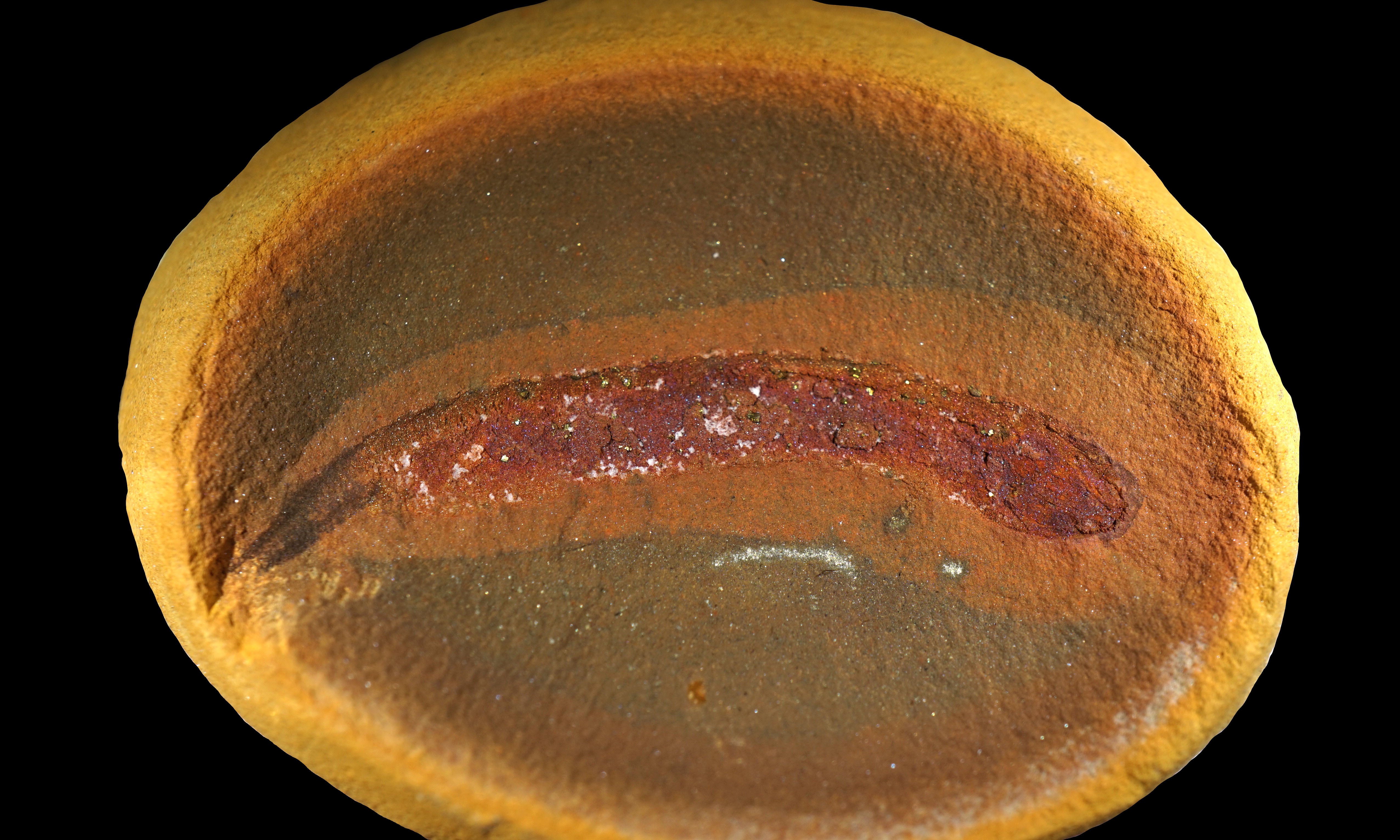
The fossils found at Mazon Creek date back to the Carboniferous period, roughly 300 to 350 million years ago. This era was a pivotal moment in Earth’s history, characterized by vast swamp forests and the emergence of the first terrestrial ecosystems. The site is famous for its ironstone nodules—hard, reddish-brown rocks that, when split open, reveal perfectly preserved imprints of ancient life. These "time capsules," as described by Arjan Mann, the Field Museum’s Assistant Curator of Early Tetrapods, have provided the necessary evidence to re-evaluate the ontogeny—the developmental history—of early vertebrates.
Analyzing the Embolomeres
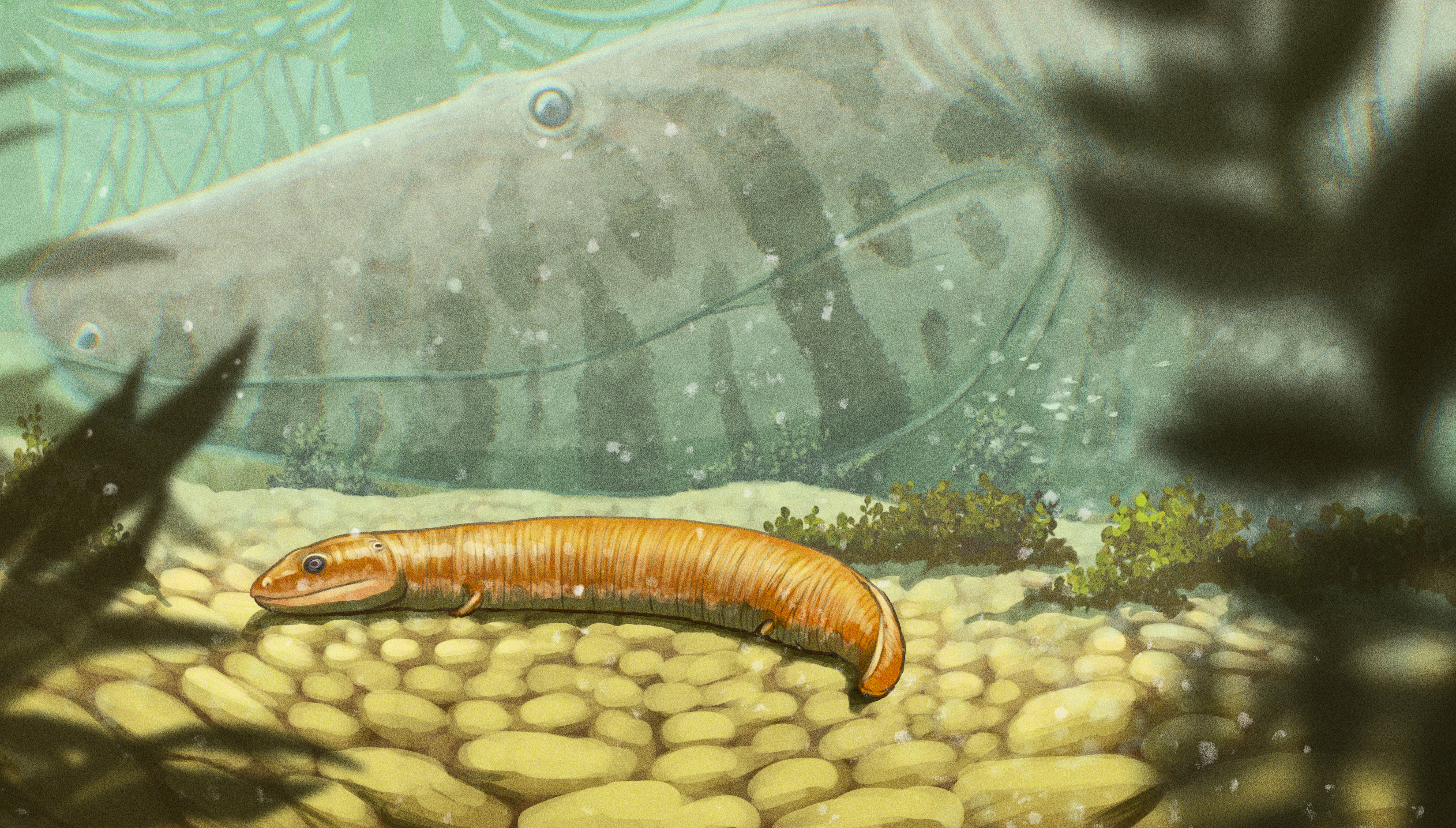
The study focused specifically on a group of extinct animals known as embolomeres. These creatures were the dominant predators of their time, ruling the rivers, lakes, and swamps of the ancient world for nearly 70 million years. In their adult form, embolomeres were formidable, crocodile-like animals that could reach lengths of over 10 feet. They possessed elongated bodies, powerful tails for swimming, and sharp teeth suited for a carnivorous diet.
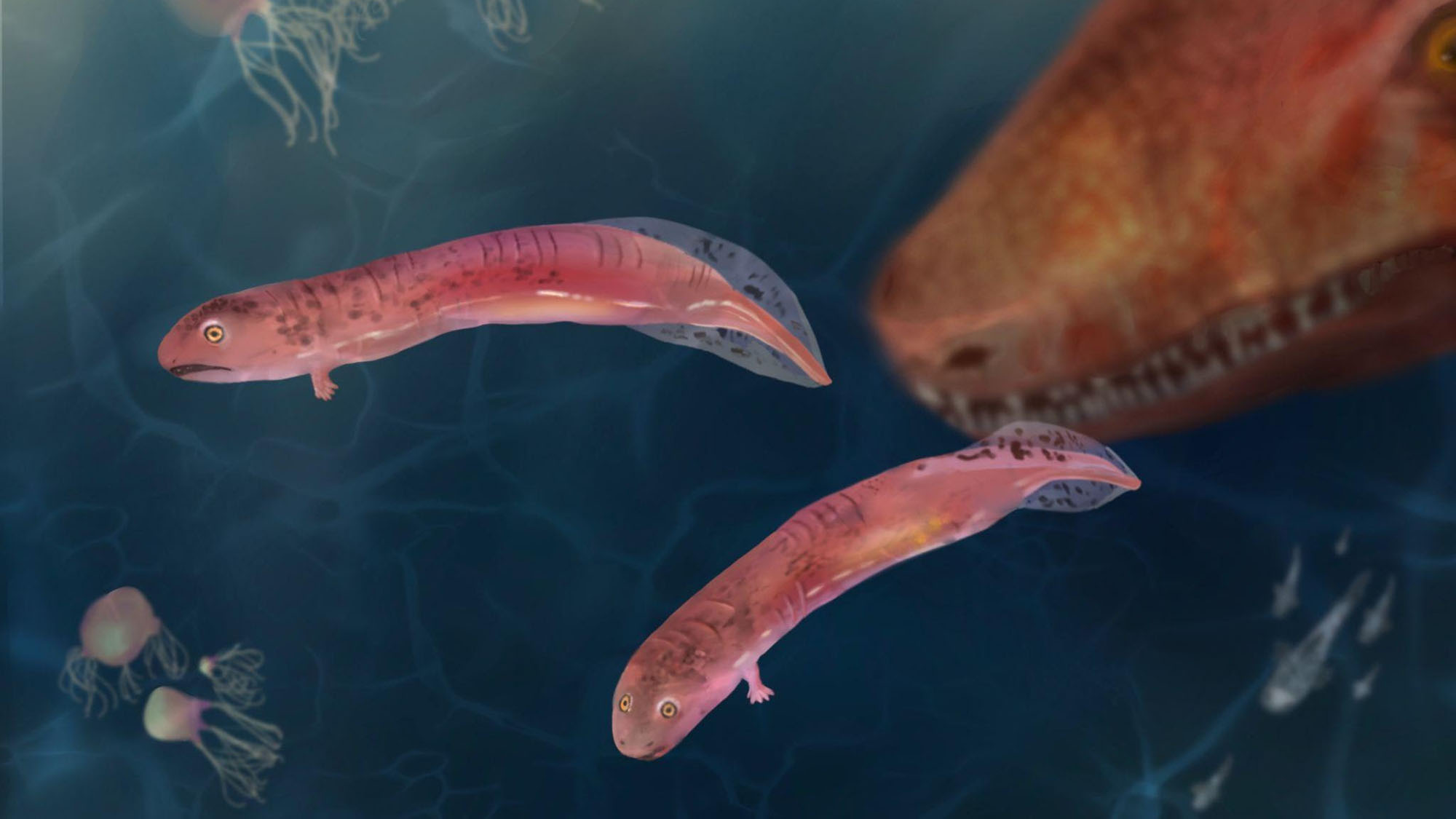
Despite their dominance, the developmental stages of embolomeres remained a mystery for over a century. The breakthrough came when Mann and Pardo examined two specific "centerpiece" fossils: juvenile embolomeres measuring only a few inches in length. These specimens provided a rare glimpse into the early life stages of a group that lived 30 million years before the first dinosaurs appeared.
Mann first encountered one of these juvenile fossils nearly a decade ago while pursuing his PhD. The specimen had been sitting in the Field Museum’s collections, unidentified and largely overlooked. Over the course of ten years, Mann and Pardo utilized advanced imaging techniques, including electron microscopy at the Canadian Museum of Nature in Ottawa, to analyze the minute details of the fossilized remains.
The Absence of Metamorphosis
The most significant finding of the study was the absence of classic amphibian traits in the juvenile embolomeres. Modern amphibians, such as frogs and salamanders, are defined by a biphasic life cycle: they hatch as aquatic larvae (tadpoles) with external gills and eventually undergo a dramatic metamorphosis to become terrestrial adults with lungs.
The Mazon Creek fossils, however, told a different story. Despite their small size and early stage of development, the juvenile embolomeres showed no evidence of external gills or the skeletal structures associated with a larval stage. While the specimens lacked fully developed limbs—a feature that would emerge as they grew—their overall anatomy was essentially a miniature version of the adult form.
"We looked at a number of different species that represent different lineages in the transition from fish to tetrapods, and what we found is that none of them have anything that looks remotely like a tadpole," Jason Pardo, a research associate at the Field Museum, stated. "If you don’t have a tadpole, then you don’t have a metamorphosis. These early tetrapods’ life cycles are more like ours, or like those of fish, than they are like amphibians."
This revelation suggests that "direct development"—the process where the young resemble a smaller version of the adult—was likely the ancestral condition for early land-dwelling vertebrates. The traditional "tadpole-to-frog" model may, in fact, be a specialized evolutionary trait that developed much later in the amphibian lineage, rather than a universal bridge between sea and land.
Chronology of Evolutionary Understanding
To understand the weight of this discovery, it is necessary to look at the history of evolutionary paleontology. Since the late 19th century, scientists have searched for the "missing link" between lobe-finned fish and terrestrial vertebrates.
- The Late 1800s: Early discoveries of fossils like Ichthyostega led researchers to believe that the first land animals were essentially "fish with legs" that behaved like modern giant salamanders.
- The Mid-20th Century: The "Romer’s Gap" theory gained prominence, noting a 15-million-year gap in the fossil record where tetrapod evolution seemed to stall. During this time, the amphibian-first model became the standard educational narrative.
- The 1990s and 2000s: New discoveries of Devonian tetrapods showed that limbs with digits evolved while animals were still primarily aquatic, further complicating the simple "crawling onto land" story.
- Present Day: The study by Pardo and Mann provides the first concrete evidence regarding the growth patterns of these animals, proving that the amphibian life cycle is not the primitive default for all tetrapods.
Supporting Data and Methodology
The researchers’ conclusions were supported by a comparative analysis of multiple lineages within the tetrapod family tree. By examining the bone density and cranial structures of the Mazon Creek juveniles, the team was able to determine that these animals were already adapted for air-breathing or at least lacked the specialized apparatus required for larval aquatic respiration.
The use of scanning electron microscopy allowed the team to observe the fine-grained details of the fossils without damaging the specimens. This technology revealed that the "gill-like" structures some previous researchers thought they saw in early fossils were actually misinterpretations of other skeletal elements or preservation artifacts.
Furthermore, the study highlights a significant bias in previous paleontological research: the "adult-centric" view. Because juvenile fossils are fragile and rarely preserved, most theories regarding early tetrapods were based entirely on adult specimens. The Mazon Creek site provided the rare data points necessary to fill this gap in ontogenetic knowledge.
Broader Impact and Implications for Science Education
The implications of this study extend beyond the halls of museums and research laboratories. It necessitates a revision of how evolution is taught in schools and presented to the public. The "fish-to-amphibian-to-reptile" progression is a convenient heuristic, but the Pardo-Mann study proves it is scientifically inaccurate in its simplicity.
By demonstrating that the earliest tetrapods grew more like reptiles or mammals, the study suggests that the capacity for terrestrial life was more deeply rooted in vertebrate biology than previously thought. It also implies that the "amphibian" branch of the tree of life followed a much more unique and divergent path than the one leading to amniotes (reptiles, birds, and mammals).
"That story doesn’t work anymore," Pardo remarked regarding the traditional model. "It’s dust in the wind."
Future Research Directions
The discovery opens several new avenues for inquiry. Paleontologists will now likely re-examine other fossil sites around the world for juvenile specimens that may have been misidentified or overlooked. There is also a renewed interest in understanding why modern amphibians evolved metamorphosis if their ancestors did not utilize it. Some scientists speculate that the larval stage may have been an evolutionary strategy to exploit different food sources or avoid competition between adults and juveniles in crowded aquatic environments.
As the scientific community digests these findings, the focus will shift toward creating a more nuanced and accurate "Tree of Life." The transition from sea to land remains one of the most significant events in biological history, but it is now clear that the first steps onto the shore were taken by creatures far more complex—and far less like frogs—than we ever imagined. The baby crocodile-like embolomeres of Mazon Creek have finally spoken, and they have rewritten the history of our oldest ancestors.