

In the complex hierarchy of the animal kingdom, the role of the father is far from a monolithic experience, manifesting instead as a diverse spectrum of biological and behavioral investments. While popular narratives often emphasize maternal care, a significant number of species rely on the male to ensure the survival of the next generation. From the depths of the Amazon River to the canopy of the Brazilian Atlantic forest, paternal involvement ranges from passive protection to the extraordinary phenomenon of male pregnancy. According to evolutionary biology, these behaviors are not merely altruistic but are strategic adaptations designed to maximize the survival of a male’s genetic lineage. Karen McDonald, an educational specialist at the Smithsonian Environmental Research Center, notes that male investment significantly increases the probability of offspring survival, particularly in environments where predation is high or resources are scarce.
The distribution of paternal care varies wildly across different classes of animals. While male-only parental care is exceedingly rare among mammals and most vertebrates, it is a dominant trait in ray-finned fish, appearing in over 50 percent of families. In these aquatic species, males frequently guard large broods produced by multiple females. Conversely, in the avian world, male-only care is found in less than one percent of species, making those that practice it, such as the greater rhea, notable exceptions to the biological norm. Understanding these diverse roles requires a deep dive into the specific biological mechanisms and environmental pressures that have shaped the evolution of fatherhood.
The Biological Marvel of Seahorse Pregnancy
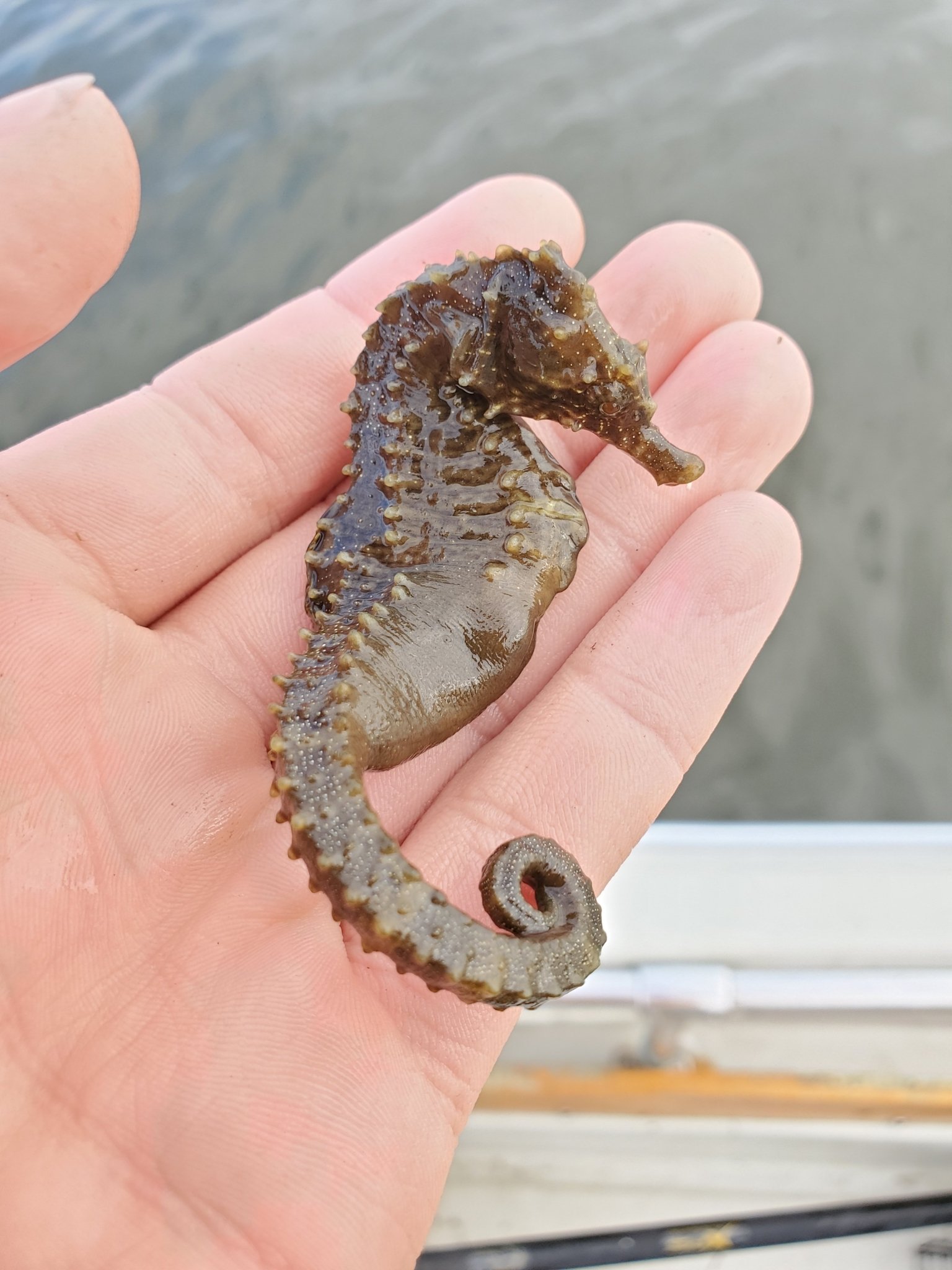
The seahorse remains the premier example of extreme paternal investment. In a reversal of traditional reproductive roles, the male seahorse is the partner that undergoes pregnancy. This process begins when a female transfers her eggs into a specialized brood pouch located on the male’s tail. Once the eggs are inside, the male fertilizes them internally. This biological arrangement is more than just a carrying mechanism; research indicates that the brood pouch functions similarly to a mammalian placenta.
The pouch provides a controlled environment for the developing embryos, facilitating respiratory gas exchange and waste removal. It also regulates salinity levels to ensure the "fry"—the term for baby seahorses—are acclimated to the water before birth. Furthermore, the male’s body provides nutrient supplementation and immune protection to the developing brood. This "vertebrate pregnancy" typically lasts between two and four weeks. The scale of this investment is immense; depending on the species, a male may carry anywhere from five to 2,000 fry. This high volume is an evolutionary response to a brutal survival rate, as statistically, only about one in every 200 fry survives to adulthood.
Biochemical Engineering in Aquatic Insects and Fish
Paternal care often involves the use of specialized biological secretions that act as adhesives, ensuring that eggs remain protected and in place. The giant water bug, often referred to as a "toe biter," utilizes a protein-based glue to secure eggs directly onto the male’s back (dorsum). By carrying the eggs, the male can protect them from predators and ensure they remain well-oxygenated. This physical connection also serves as a mechanism for the male to guarantee paternity, as he fertilizes the eggs immediately before they are glued to his body.
A similar, yet more chemically complex, behavior is observed in the three-spine stickleback fish (Gasterosteus aculeatus). The male stickleback is a master architect, using a sticky secretion produced by his kidneys, known as spiggin, to construct elaborate nests. These nests are made from marine debris and algae, woven into a tunnel-like structure. McDonald highlights that the production of spiggin demonstrates remarkable genetic plasticity. The male can adjust the chemistry of this biological glue to match the specific water conditions of his environment, ensuring the nest remains structurally sound regardless of changes in salinity or temperature. Once the nest is complete, the male performs a "zig-zag dance" to attract a female. After she deposits her eggs and the male fertilizes them, she departs, leaving the male to guard the nest and fanning it with his fins to provide oxygen to the developing embryos.
The Avian Single Father: The Greater Rhea
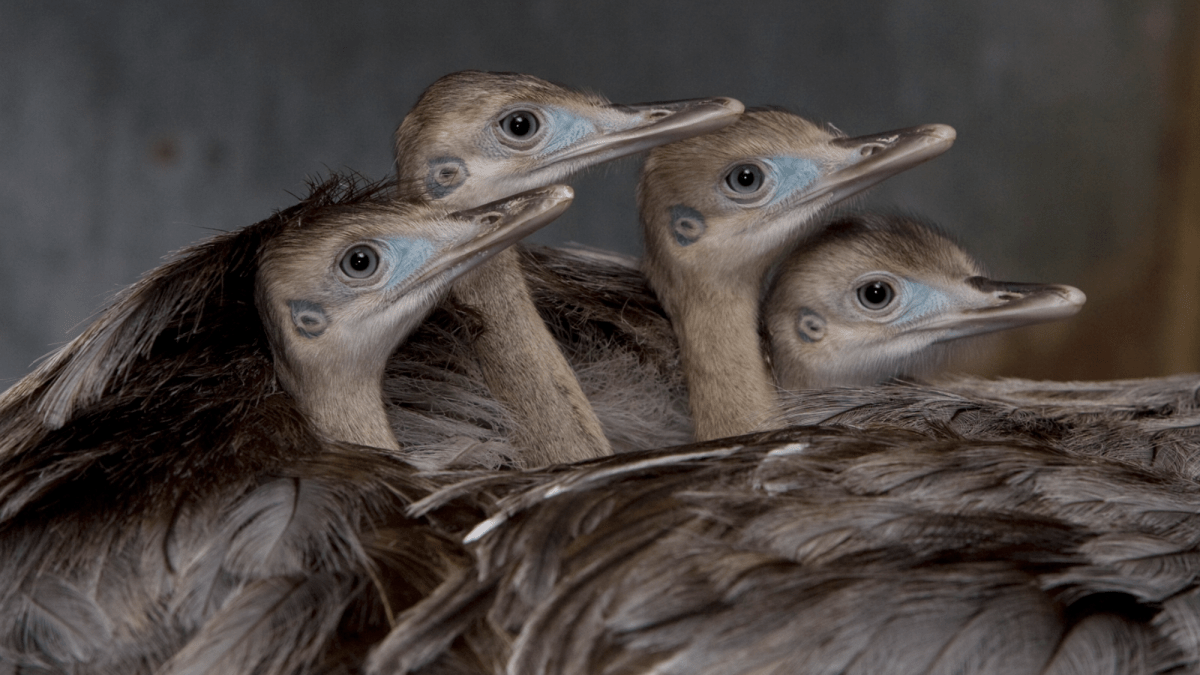
In South America, the greater rhea (Rhea americana) serves as a rare model of exclusive paternal care in the bird world. As the largest bird on the continent, the rhea is a flightless giant that inhabits open grasslands. In this species, the male takes on the entirety of the domestic duties. He constructs a ground nest and attracts several females, who deposit their eggs in his single nest. Once the females move on to find other mates, the male assumes the role of a "stay-at-home dad."
The male rhea incubates the eggs for approximately 35 to 40 days, during which he is highly protective and can become aggressive toward perceived threats. Once the chicks hatch, the male continues to rear them alone for several months. Sara Hallager, Curator of Birds at the Smithsonian’s National Zoo and Conservation Biology Institute, explains that while adult rheas face few predators—primarily large cats like jaguars and pumas—the chicks are highly vulnerable. The male’s presence is the primary factor in the survival of the juveniles until they reach a size where they are no longer easy targets for predators.
Protective Strategies of the Amazonian Arapaima
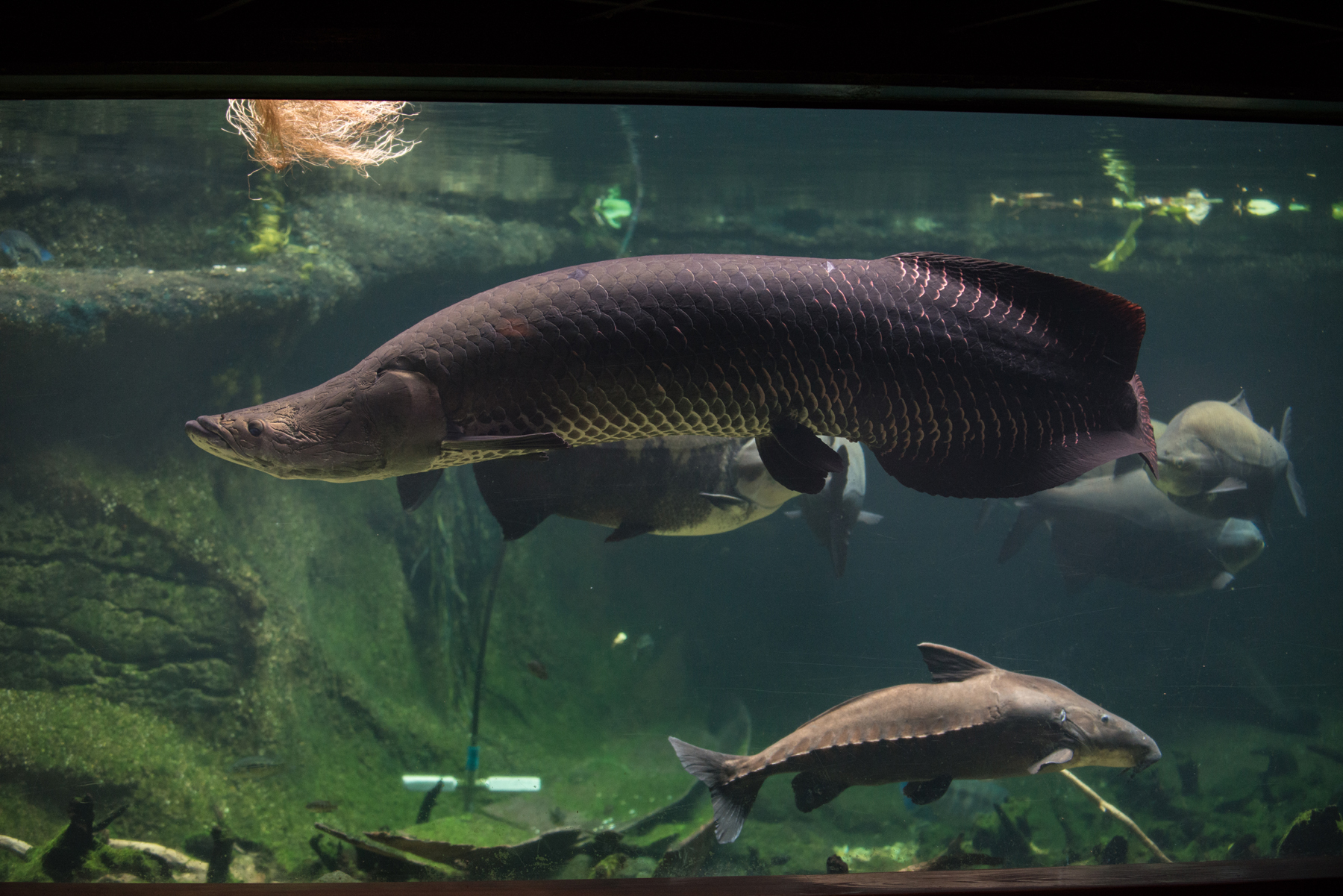
The arapaima, one of the world’s largest freshwater fish, employs a unique "mouthbrooding" strategy to protect its young. Native to the Amazon River basin, these prehistoric-looking giants can grow up to 10 feet in length. While both parents participate in defending the nest, the father takes an active role in the physical safety of the fry. When the male senses a nearby predator, he uses his massive mouth to vacuum the tiny fry into a safe chamber within his head.
This behavior allows the father to transport the offspring to safer, more oxygen-rich areas of the river. The arapaima is an obligate air-breather, meaning it must surface periodically to gulp air, an adaptation that allows it to thrive in the oxygen-poor backwaters of the Amazon. The father’s ability to move the fry while providing them with a physical shield is a critical survival tactic in a river system teeming with predators. A single female can lay between 20,000 and 50,000 eggs, and the father’s constant vigilance is the only thing standing between the brood and total loss.
Golden Lion Tamarins and the Role of Paternal Education
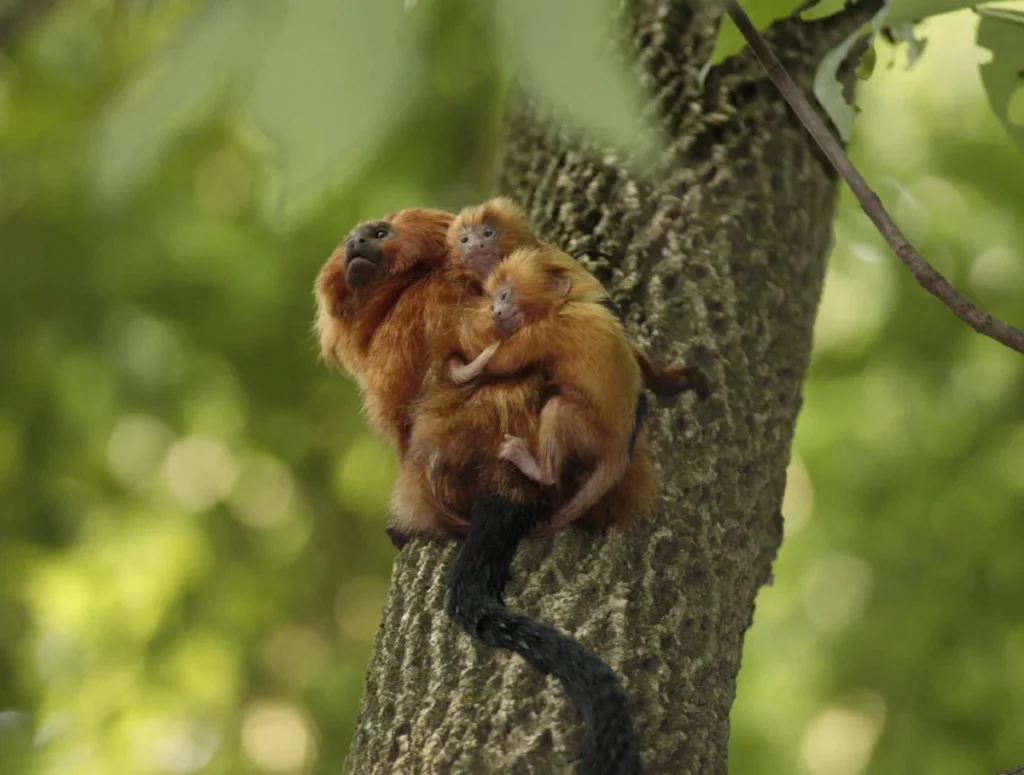
In the primate world, the golden lion tamarin (Leontopithecus rosalia) offers a compelling look at the cognitive and social aspects of fatherhood. These small, vibrant monkeys are native to the Atlantic coastal forests of Brazil. While the mother provides the initial nutrition through nursing, the father takes over the primary care duties just a few weeks after birth. The infants spend the majority of their time clinging to their father’s back as he moves through the canopy.
This physical proximity is essential for more than just transport; it is a period of intense learning. Kenton Kerns, a curator at the Smithsonian National Zoo, notes that the infants learn the "sights, sounds, and smells of the forest" by observing their father’s reactions. They learn to distinguish between safe and dangerous animals, identify edible fruits, and master the complex social cues of their group.
The understanding of this paternal bond was a turning point in conservation efforts. During the 1970s, when golden lion tamarins were on the brink of extinction, zookeepers discovered that removing the father from the family unit—a common practice in primate management at the time—resulted in poor infant survival. By allowing the fathers to remain with their offspring, zoos saw a population boom. This change in management philosophy eventually led to the successful reintroduction of zoo-born tamarins into the wild, helping the species move from "critically endangered" to "endangered" status in 2003.
Evolutionary Implications and Ecosystem Impact
The prevalence of paternal care in these diverse species highlights a fundamental rule of evolutionary biology: parental investment is often a trade-off between the number of offspring produced and the quality of care provided. In species like the seahorse or arapaima, where the environment is hazardous, the high level of paternal involvement is the only way to ensure that at least a small percentage of offspring reach maturity.
Furthermore, these paternal behaviors have broader ecological implications. By ensuring the survival of their young, these "super dads" help maintain the population balance of their respective ecosystems. The stickleback’s nest-building, the rhea’s grassland protection, and the tamarin’s educational role all contribute to the stability of their habitats. As climate change and habitat loss continue to threaten these species, understanding the nuances of their reproductive strategies becomes vital for conservationists. Protecting the environment is not just about preserving space; it is about ensuring that these intricate biological rituals of fatherhood can continue to sustain the next generation of life on Earth.