



The convenience of the modern internet is built upon a foundation of invisible data exchanges that occur every time a user navigates to a new URL. While many internet users are familiar with the concept of "cookies"—small files stored on a device to remember login details or shopping cart contents—a more sophisticated and pervasive form of tracking known as "browser fingerprinting" has become the industry standard for identifying individuals across the web. This process involves the silent collection of specific technical parameters from a user’s device, creating a unique digital signature that can be used to track behavior even in the absence of traditional identifiers. A new educational platform, Since You Arrived, has brought these practices into sharp focus, offering a transparent look at the sheer volume of information that browsers volunteer to websites within milliseconds of a connection.
The Mechanism of Modern Digital Surveillance
The Since You Arrived portal serves as a stark demonstration of the data-rich environment that exists behind the user interface of a standard web browser. The website is structured into five distinct "volumes," each highlighting different facets of the data exchange process. Volume IV, in particular, focuses on the technical metadata that browsers share with every server they contact. This includes the user’s approximate geographic location as reported by their Internet Service Provider (ISP), the specific version of the browser software being used, and the underlying operating system.
However, the depth of the disclosure extends far beyond basic software identification. Modern browsers frequently report hardware-specific details, such as the device’s graphics processing unit (GPU) model, the exact dimensions and pixel density of the screen, and even the current battery level. These metrics, while seemingly innocuous in isolation, provide a granular level of detail that allows websites to infer the type of device being used—distinguishing, for instance, between a high-end professional workstation and a budget mobile device. This information is typically transmitted before a webpage has even finished rendering, ensuring that the host server can tailor its tracking or advertising algorithms to the specific user profile immediately.

The Evolution of Tracking From Cookies to Fingerprinting
To understand the significance of these disclosures, it is necessary to examine the historical trajectory of online tracking. In the early days of the web, tracking was primarily reliant on first-party and third-party cookies. As privacy awareness grew and browsers began offering tools to block or delete these cookies, the advertising technology industry pivoted toward fingerprinting.
Fingerprinting is a probabilistic method of identification. Unlike a cookie, which is a unique ID explicitly stored on a device, a fingerprint is "calculated" based on the unique combination of settings and hardware characteristics a device possesses. According to data from the Electronic Frontier Foundation (EFF), the vast majority of browsers have a unique fingerprint because the combination of installed fonts, screen resolution, hardware specifications, and system configurations is rarely identical between two different users. This allows trackers to maintain a persistent identity for a user even if they clear their cache or use different accounts.
The Since You Arrived project highlights that this data collection is not merely a byproduct of technical necessity but a feature of the modern web’s architecture. For example, a browser will report the local timezone and system language to ensure the website displays content correctly. However, these same data points are harvested by scripts to narrow down the user’s identity. The site notes that even the "referrer" header—which tells a website which page the user visited previously—is shared by default, creating a breadcrumb trail of a user’s browsing history.
Technical Data and Real-Time Metrics
Beyond the privacy-centric Volume IV, Since You Arrived provides a broader context for the scale of global data activity. Volume I presents a real-time dashboard of global metrics, including the number of births and deaths occurring globally, the volume of songs being streamed, and the frequency of queries being processed by artificial intelligence platforms. This serves to illustrate the massive scale of the digital ecosystem that users inhabit.

Volume II and III utilize the browser’s reported location to provide localized information, such as the timing of the previous night’s sunset and scientific discoveries made in the user’s vicinity. While these features are presented as interesting facts, they underscore a critical privacy point: the website "knows" where the user is without the user ever having granted explicit GPS permissions. By analyzing the IP address and the network routing path, a website can often pinpoint a user’s city or neighborhood with high accuracy.
Industry Responses and the Regulatory Environment
The disclosure of such detailed device information has sparked a long-running debate between privacy advocates and the advertising industry. Major tech entities have taken divergent paths in addressing these concerns. Apple, through its Safari browser, has implemented "Intelligent Tracking Prevention" (ITP), which actively works to minimize the data available for fingerprinting by presenting a simplified version of the system configuration to websites.
Similarly, Mozilla’s Firefox has introduced "Enhanced Tracking Protection," which includes specific scripts designed to block known fingerprinters. In contrast, Google—whose business model is heavily reliant on targeted advertising—has proposed the "Privacy Sandbox." This initiative aims to phase out third-party cookies while replacing them with new APIs that Google claims will protect user privacy while still allowing for effective ad targeting. However, critics argue that these changes may further consolidate data power within Google’s ecosystem.
Regulatory bodies have also begun to take notice. The General Data Protection Regulation (GDPR) in the European Union and the California Consumer Privacy Act (CCPA) in the United States have established frameworks that categorize certain types of tracking data as personal information. Under these laws, companies are increasingly required to provide transparency regarding what data is collected and for what purpose. However, the technical nature of fingerprinting makes it difficult to regulate effectively, as the data collection often happens silently in the background without explicit user interaction.
Strategies for Mitigating Data Exposure
While it is virtually impossible to achieve total anonymity on the modern web without sacrificing significant functionality, security experts recommend several layers of defense to limit the amount of data disclosed to third parties.
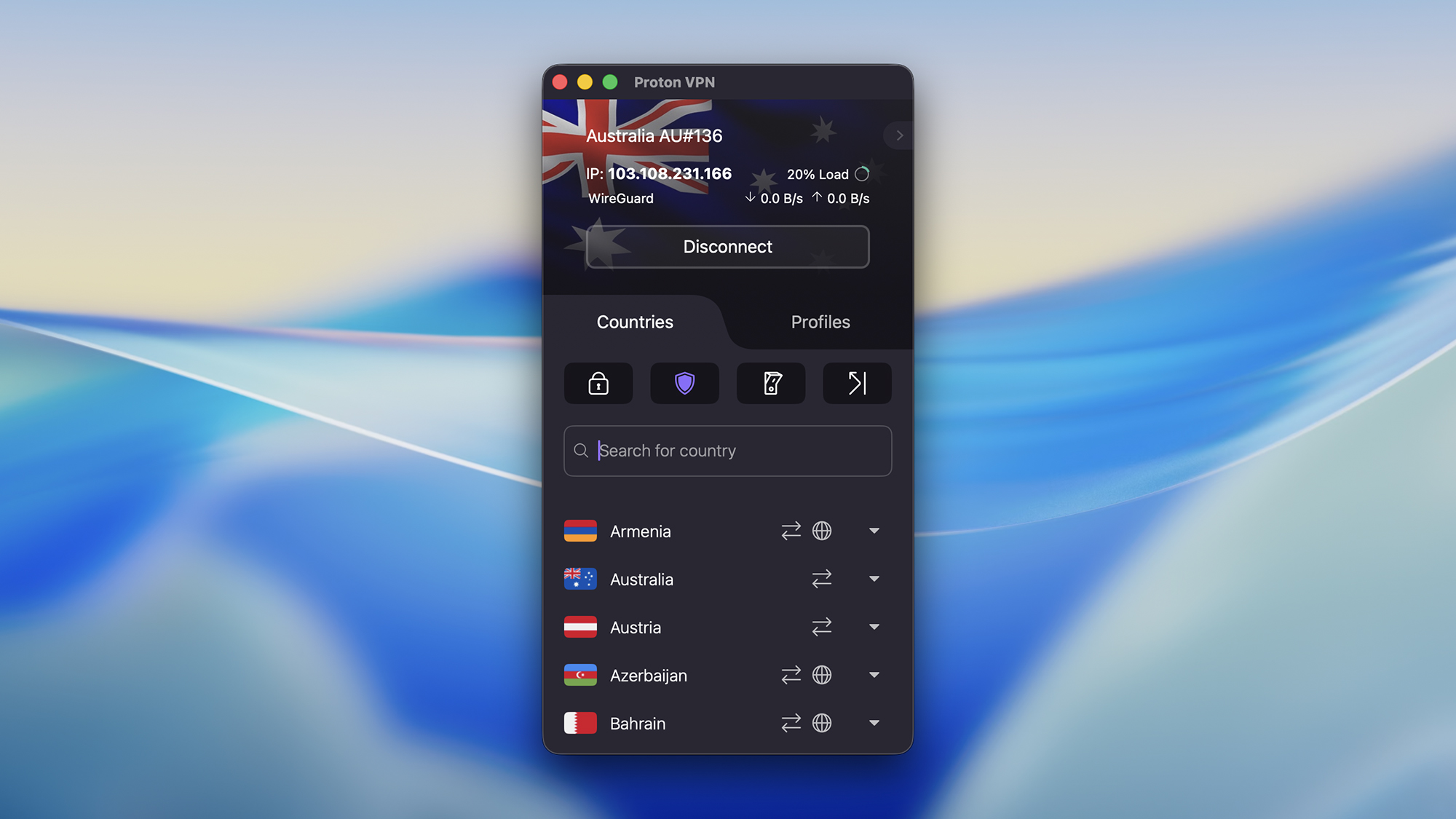
- Virtual Private Networks (VPNs): A VPN acts as an intermediary, masking the user’s true IP address and providing a different geographic location to the destination website. While a VPN does not stop hardware-based fingerprinting, it effectively hides the ISP-level data and the user’s physical location.
- Privacy-Focused Browsers: Browsers such as Brave, Firefox, and the Tor Browser are designed with privacy as a primary objective. The Tor Browser, in particular, is engineered to make every user look identical from a fingerprinting perspective, effectively "blending" the user into a crowd of millions. This is achieved by restricting the reporting of screen dimensions, fonts, and hardware specs.
- The Limitations of Incognito Mode: It is a common misconception that "Incognito" or "Private" browsing modes provide anonymity. In reality, these modes primarily prevent the browser from saving history and cookies on the local device. They do nothing to stop the transmission of device metadata or IP addresses to the websites being visited.
- Script Blockers and Extensions: Advanced users often employ browser extensions that block JavaScript—the primary language used to execute fingerprinting scripts. However, disabling JavaScript can cause many modern websites to break or malfunction.
Broader Implications for the Future of the Internet
The tension between data collection and user privacy is expected to intensify as devices become more sophisticated. The rise of the Internet of Things (IoT) and the integration of biometrics into web authentication provide even more data points for potential tracking. The Since You Arrived project serves as a necessary "curtain-pulling" moment, reminding users that the web is not a one-way street of information consumption, but a two-way exchange where the price of admission is often the user’s own digital identity.
As the digital landscape evolves, the "arms race" between tracking technologies and privacy-enhancing tools will likely continue. For the average consumer, the first step toward protection is awareness. Understanding that a browser is a loquacious messenger, constantly whispering details about one’s hardware, location, and habits to every server it meets, is essential for making informed decisions about digital hygiene. Whether through the adoption of more secure software or the support of stronger data protection laws, the push for a more private internet remains a defining challenge of the information age.