



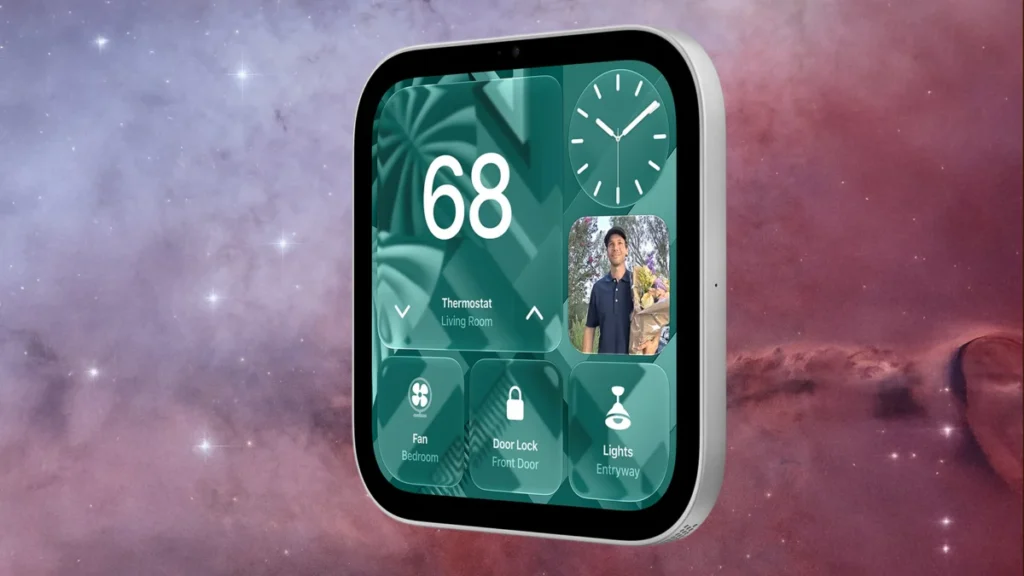
Apple has officially announced its most comprehensive expansion into the smart home ecosystem to date, introducing a suite of hardware designed to unify its fragmented device landscape. At the center of the rollout is the Apple HomeView, a 7-inch smart display priced at $299 that features facial recognition and spatial audio capabilities. Alongside the HomeView, Apple unveiled a fourth-generation Apple TV 4K powered by an A19 chip, the upgraded HomePod mini 2 featuring an S10 processor and reactive lighting, and the Apple Home Collection—a line of co-developed smart home security and climate control devices built in partnership with LG Electronics and Schneider Electric.
This coordinated hardware release represents a strategic shift for Apple, moving away from a decentralized reliance on third-party accessories toward a tightly integrated, proprietary ecosystem. Industry analysts note that by offering everything from foundational home hubs to branded sensors and locks, Apple is directly challenging established smart home giants like Amazon and Google with a premium, security-focused alternative.
Evolution of the Apple Smart Home Ecosystem

For years, users invested in Apple’s HomeKit platform frequently described their automated homes as cobbled-together systems. While an Apple TV or HomePod functioned as the central nervous system, consumers had to rely on a patchwork of third-party cameras, smart locks, and thermostats from various manufacturers to complete their setups. This fragmentation often resulted in inconsistent user interfaces, complex troubleshooting, and security vulnerabilities across disparate applications.
The introduction of the Apple Home Collection and dedicated hardware like the HomeView addresses this historical weakness. By partnering with industry leaders such as LG and Schneider Electric, Apple has curated a standardized portfolio of smart home devices that integrate natively into the iOS Home app with a single-tap setup. This mirrors Apple’s historical playbook in computing and mobile telephony: controlling both the software architecture and the physical hardware to deliver a seamless, closed-loop consumer experience.
Detailed Breakdown of the 2026 Smart Home Lineup
The newly announced hardware lineup spans several price points and functionality tiers, catering to both casual smart home adopters and advanced automation enthusiasts.
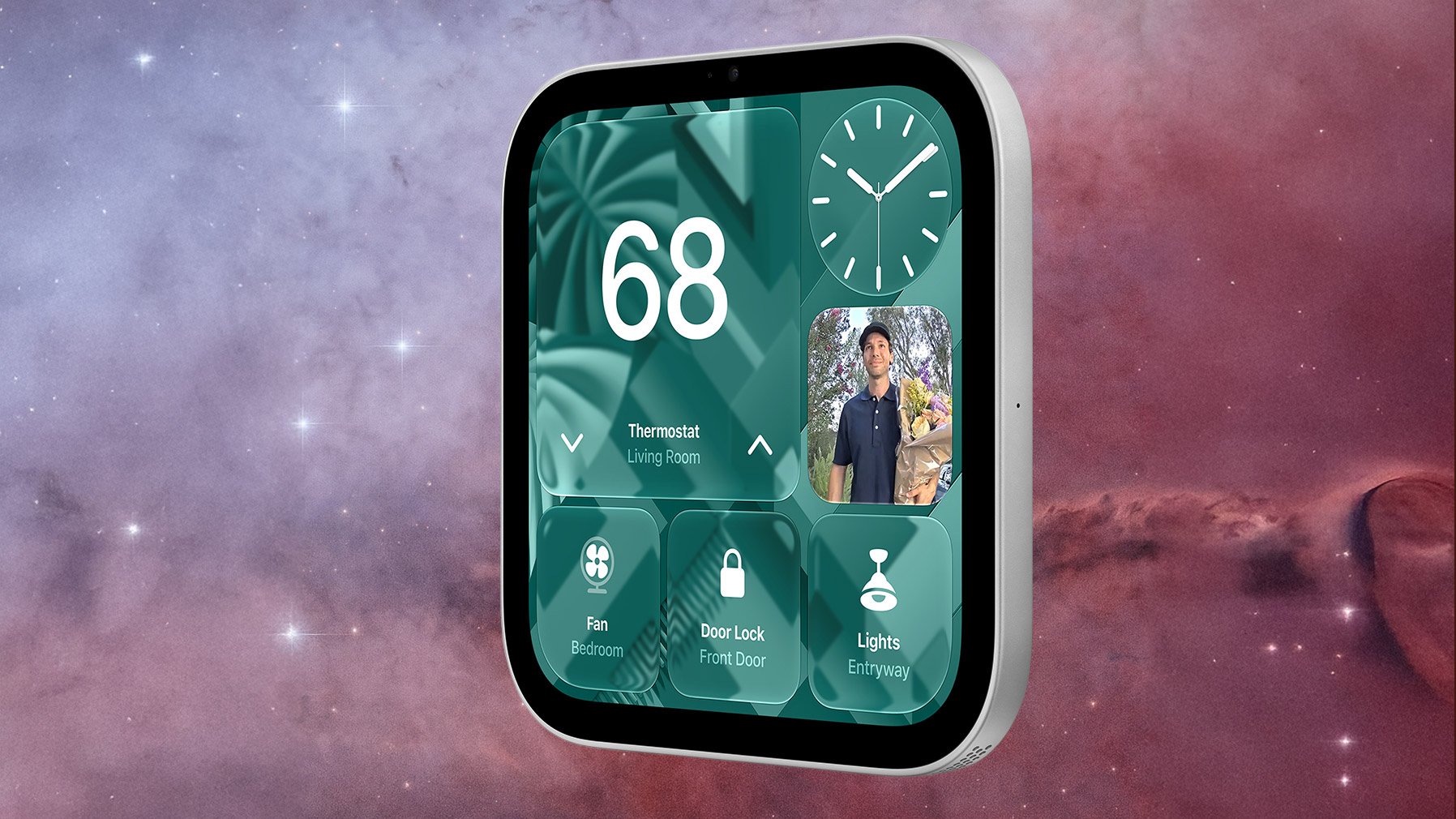
Apple HomeView and Wall Mounted Variant ($299)
The HomeView serves as the flagship interface for the redesigned ecosystem. Available in tabletop and wall-mounted configurations, it features a square 7-inch Liquid Retina display (1,088 by 1,088 pixels at 220 ppi) attached via a stainless steel hinge, reminiscent of classic Apple design aesthetics. Powered by an A18 chip, the device incorporates a 12MP Center Stage camera capable of recognizing up to six individual household members by face. This facial recognition triggers personalized Home Screens, surfacing individual widgets, calendars, and messages when a paired, unlocked iPhone is detected nearby. Audio performance is driven by two full-range drivers in the display panel, paired with a down-firing woofer and force-canceling passive radiators in the tabletop base.
Apple TV 4K – 4th Generation ($299)
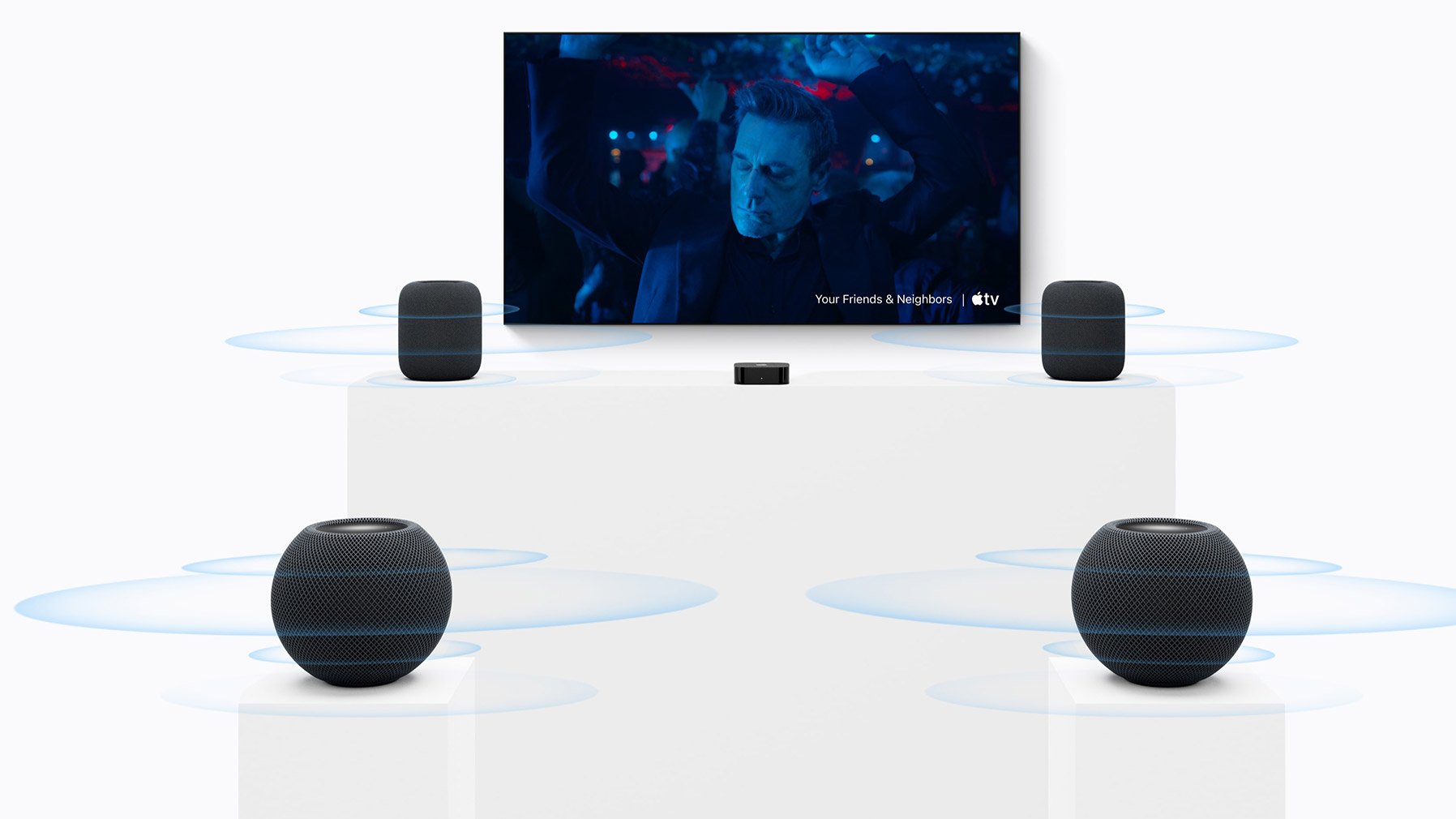
The latest iteration of the Apple TV 4K moves to the A19 chip, delivering up to a 50 percent increase in CPU performance and double the graphics processing speed of its predecessor. Crucially, the new model incorporates three far-field microphones with advanced echo cancellation, enabling hands-free "Hey Siri" interactions without requiring the remote. Equipped with 128GB of storage, Wi-Fi 7, Gigabit Ethernet, and an integrated Thread radio, every unit functions as a fully capable home hub. Furthermore, the device supports advanced four-speaker surround sound configurations when paired with matching HomePod or HomePod mini speakers.
HomePod mini 2 ($149)
Retaining its compact form factor, the HomePod mini 2 upgrades to the S10 chip for real-time computational audio adjustments. A notable physical addition is "Sound Glow," an illuminated top surface that pulses in synchronization with audio playback using colors extracted from album art. The device retains temperature and humidity sensors, incorporates Wi-Fi 6E, Thread, and Ultra Wideband technology, and will integrate Siri AI features via a future software update.
Apple Home Collection
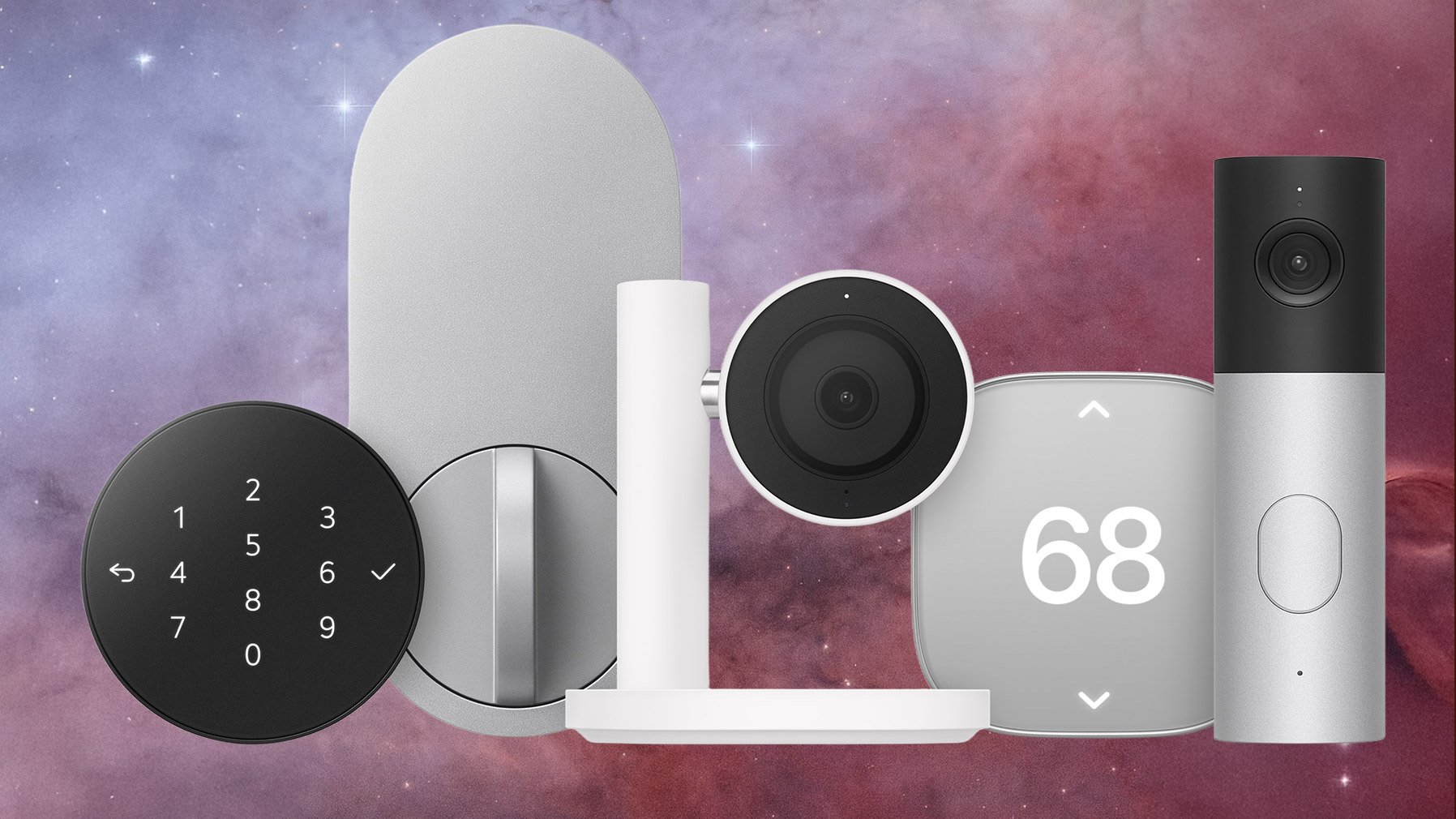
Developed in collaboration with LG and Schneider Electric, the Apple Home Collection brings branded smart locks, security cameras, and thermostats directly to Apple retail channels. Notable items include the LG Smart Deadbolt Lock ($349.95) featuring Ultra Wideband unlocking, the LG Video Doorbell Wired ($249.95), and the Schneider Home Smart Thermostat ($199.95). All devices communicate via Thread, operate locally without separate manufacturer applications, and support secure video storage through iCloud+.
Pricing, Availability, and Geographic Restrictions
The rollout timeline spans late 2024 through early 2027, with immediate preorders available for select hardware.
- Apple HomeView, Wall Mounted HomeView, and the 4th-generation Apple TV 4K are priced at $299 each, with preorders open now and shipping commencing on November 13.
- The HomePod mini 2 is priced at $149, with an official release date of October 30.
- The Apple Home Collection will launch in December, with select accessories rolling out into early 2027. Professional installation services via ADT will also become available in U.S. Apple Stores this fall.
Notably, Apple confirmed that the HomeView will not be launched within the European Union at this time, attributed to regulatory and availability constraints surrounding the deployment of Siri AI features within the region.
Strategic Implications and Market Analysis
Apple’s aggressive pricing strategy for the new product lineup places its ecosystem firmly in the premium tier. At $299 for both the HomeView and the fourth-generation Apple TV 4K, the company is positioning its hardware well above competing offerings from Amazon and Google, whose smart displays and streaming devices typically occupy lower price brackets.
Market analysts suggest that this premium positioning relies heavily on Apple’s established privacy frameworks and ecosystem loyalty. By utilizing Secure Enclaves for biometric facial recognition and restricting personal data access to verified, nearby iOS devices, Apple aims to mitigate consumer apprehension regarding domestic surveillance and data privacy—concerns that have historically limited the adoption of kitchen and living room smart displays.
As the smart home market transitions toward standardized protocols like Matter and Thread, Apple’s consolidation of hardware, software, and third-party manufacturing under a single cohesive banner may set a new benchmark for interoperability and security in connected residential spaces.