



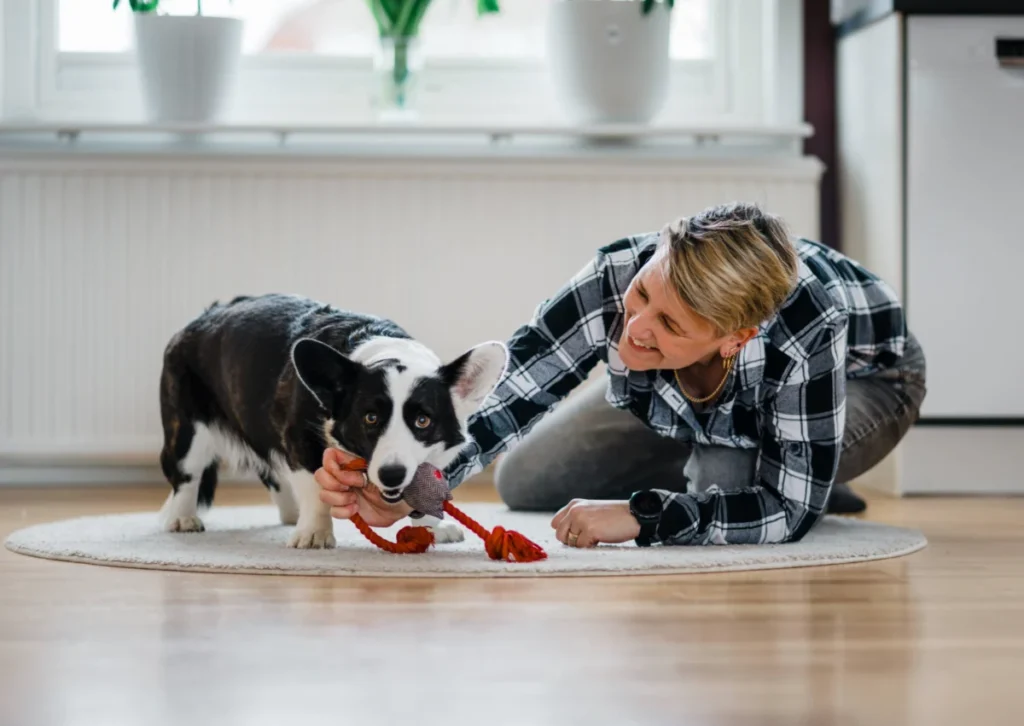
A newly released study published in the journal Royal Society Open Science provides empirical evidence that increasing daily playtime significantly bolsters the emotional connection between dogs and their human companions. Researchers at Linköping University in Sweden conducted the investigation to determine if structured, interactive play could serve as a primary catalyst for relationship building, particularly in instances where the traditional puppy socialization window has been missed. The findings suggest that as little as a few minutes of extra daily engagement can yield measurable improvements in the perceived bond within just four weeks, offering a low-cost, high-impact strategy for improving canine welfare and owner satisfaction.
While the benefits of exercise for dogs are well-documented, the specific role of play as a tool for emotional bonding has remained a relatively under-explored area of veterinary and behavioral science. This research is particularly relevant in the modern era of pet ownership, where a growing number of dogs are adopted as adults from shelters or rescues, meaning they and their owners do not share the formative early months of life that typically cement a lifelong bond.
The Socialization Gap and Adult Dog Adoptions
The motivation behind the study stems from the biological concept of the "socialization window." This critical period, occurring early in a puppy’s development, is when the animal is most receptive to forming social attachments and learning to navigate the human world. When a dog is rehomed or adopted as an adult, this window has already closed, often leaving owners feeling as though they are "playing catch-up" in terms of emotional intimacy.
Lina Roth, a sensory biologist at Linköping University and co-author of the study, noted that many dogs today change homes in the middle of their lives. Without the advantage of growing up together, owners may find it more difficult to establish a deep sense of mutual trust. "Play can be a very good way to build a new good relationship even with adult dogs," Roth stated, highlighting that play serves as a universal language that bypasses the need for early-life history.
Experimental Design and Methodology
To test the impact of play on the human-canine bond, the research team recruited a diverse group of dog owners and their pets. The study began with a comprehensive assessment phase where participants completed a detailed questionnaire designed to quantify their current relationship with their dogs. This assessment utilized metrics similar to the Monash Dog Owner Relationship Scale (MDORS), focusing on three primary dimensions: emotional closeness, perceived costs of ownership, and dog-owner interactions.
Questions addressed specific behaviors and feelings, such as:
- How often does the owner take the dog on social visits to other people’s homes?
- Does the owner feel that caring for the dog is more of a burden than a joy?
- How frequently does the owner confide in their dog or seek emotional support from the animal?
Following the initial assessment, the participants were divided into three distinct experimental groups to isolate the effects of different types of interaction over a one-month period.
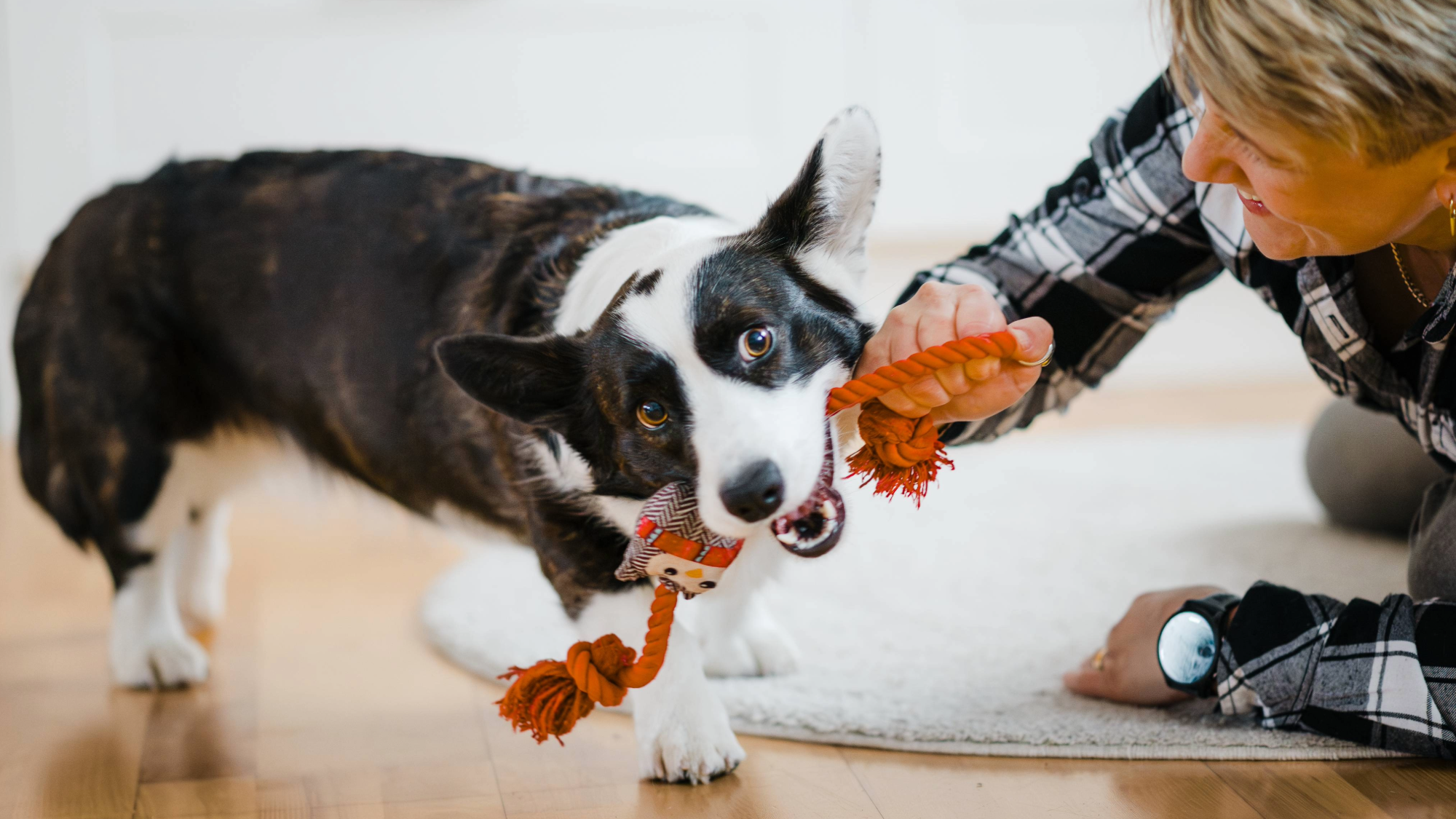
Group 1: The Play Group
Owners in this group were instructed to increase the amount of interactive play they engaged in with their dogs daily. The research team provided specific guidelines on what constituted "interactive play," emphasizing activities that required mutual participation rather than solitary toy engagement.
Group 2: The Training Group
This group focused on increasing formal training sessions. Owners used positive reinforcement, specifically food-based treats, to teach or reinforce commands and tricks. This allowed researchers to see if the bond was strengthened by the act of "working" together and the transactional nature of rewards.
Group 3: The Control Group
The control group was instructed to maintain their existing routines with no changes to their play or training schedules. This provided a baseline to ensure that any observed changes in the other groups were not the result of seasonal shifts or external factors.
Results: The Primacy of Play over Pedagogy
After four weeks, the participants retook the initial questionnaire. The results revealed a stark contrast between the groups. The "Play Group" showed a statistically significant increase in the strength of the emotional bond. Owners reported that their dogs appeared more attuned to their presence, initiated interactions more frequently, and seemed more "positive" in their overall demeanor.
In contrast, the "Training Group" and the "Control Group" did not show meaningful changes in their emotional bond scores. While training with treats is an essential part of canine management and can improve obedience, the study suggests it does not necessarily deepen the underlying emotional attachment in the same way that unstructured, social play does.
"It turned out that the play group improved their emotional bond to the dog in just four weeks with a few minutes of extra play a day," Roth observed. This suggests that the quality of the interaction—specifically the shared joy and lack of transactional pressure—is a key driver of canine-human attachment.
Defining "Quality" Play: Why Fetch is Not Enough
One of the most significant takeaways from the Linköping University study is the definition of play itself. The researchers emphasized that passive play, such as throwing a ball while looking at a smartphone, does not provide the same bonding benefits as active, social play.
"Just throwing a ball isn’t enough," Roth explained. The study focused on games that required "social interaction," where the human and dog were mutually engaged in a shared activity. Recommended games included:
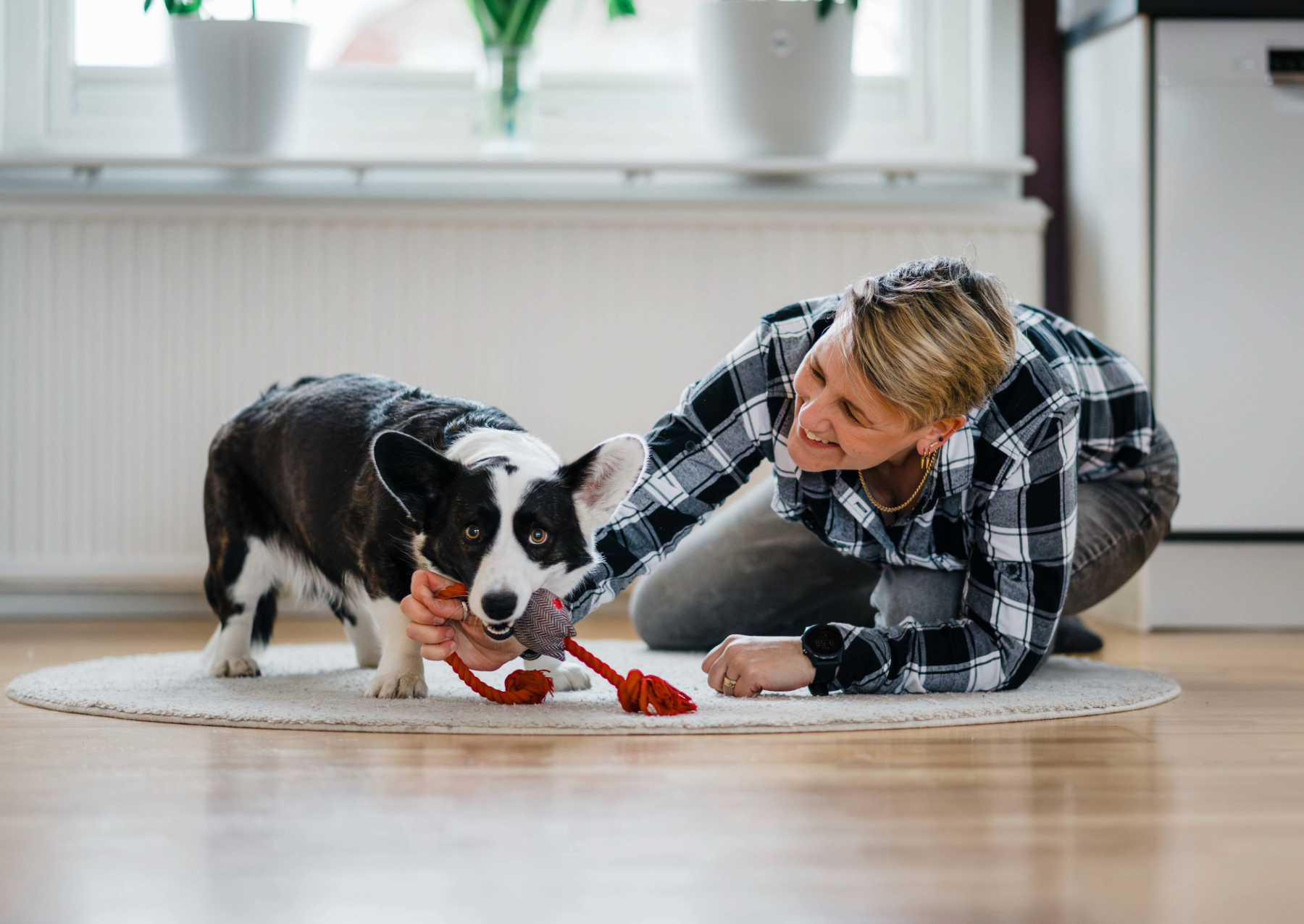
- Tug-of-war: A cooperative struggle over a toy that requires physical proximity and mutual effort.
- Rough and tumble: Gentle physical wrestling that mimics the way dogs play with one another.
- Hide-and-seek: Using the dog’s scent or sight to find the owner, creating a "reward" of social contact.
- Peekaboo and teasing: Lighthearted interactions that involve eye contact and "play-bowing" gestures.
The researchers noted that the most effective play is that which the dog finds inherently rewarding. Owners were encouraged to pay close attention to their dog’s body language to ensure the animal was enjoying the interaction. When a dog initiates play or responds with a "play face" (relaxed open mouth), it indicates that the activity is successfully fostering a positive emotional state.
Scientific Analysis of Implications
The implications of this research extend beyond the living room and into the fields of animal welfare and public health. From a biological perspective, interactive play is known to trigger the release of oxytocin—often called the "bonding hormone"—in both humans and dogs. It also lowers cortisol levels, the primary marker of stress. By proving that a structured increase in play can measurably improve a relationship in a short timeframe, the study provides a roadmap for reducing "return-to-shelter" rates.
Many shelter adoptions fail because the owner does not feel an immediate emotional connection to the animal, or because the dog remains anxious in its new environment. If shelters and rescue organizations can provide new owners with specific "play protocols," it may accelerate the bonding process and ensure more permanent placements.
Furthermore, the study highlights a potential disconnect between how owners perceive the relationship and how dogs experience it. While the owners reported a stronger bond, the researchers pointed out that human perception is subjective. However, the change in the dogs’ behavior—specifically their increased initiation of play—suggests a genuine shift in the animals’ psychological state.
Chronology of Canine Play Research
This study adds to a growing body of work that has evolved over the last two decades.
- Early 2000s: Research focused primarily on the "utility" of dogs—their ability to follow commands and perform tasks.
- 2010s: Studies began to explore the "attachment theory" in dogs, finding that dogs use their owners as a "secure base," much like human infants use their parents.
- 2020s: Current research, including the Linköping study, is shifting toward the "shared experience" model, looking at how mutual activities like play and synchronization of movement affect long-term relationship health.
Broader Impact on Owner Well-being
The benefits of a strengthened bond are not one-sided. Previous studies from institutions like Harvard Health have shown that a strong bond with a pet can lead to lower blood pressure, reduced feelings of loneliness, and increased physical activity for the owner. By identifying play as the most efficient "bonding agent," this research allows owners to maximize these health benefits with minimal time investment.
The study concludes that quantity is less important than consistency and quality. "You don’t have to keep at it for long," Roth said. "A few minutes every now and then seems to make a big difference." This finding is particularly heartening for busy pet owners who may feel guilty about not having hours to dedicate to their pets each day.
Ultimately, the Linköping University study serves as a reminder that dogs are not just "pets" or "workers," but social beings that thrive on interaction. In an increasingly digital and distracted world, the simple act of playing tug-of-war or hide-and-seek remains one of the most powerful tools for maintaining the ancient and unique bond between humans and their best friends. As researchers continue to peel back the layers of canine cognition, the message for owners is clear: the best thing you can do for your dog’s happiness—and your own—is to put down the phone, pick up a toy, and simply play.