


While the beauty industry champions retinol creams and advanced dermatological treatments in the perennial quest against visible aging, a pioneering interdisciplinary study from Edith Cowan University (ECU) in 2024 has unveiled a far more adventurous and potentially holistic approach: travel. Published in the esteemed Journal of Travel Research, this seminal work applies the complex theory of entropy to the realm of tourism, positing that thoughtfully curated and positive travel experiences could profoundly bolster physical and mental health, thereby contributing to a deceleration of certain hallmarks of the aging process. This research does not claim travel can halt aging, an irreversible biological progression, but rather reframes tourism as a powerful intervention capable of aiding the body in maintaining its delicate balance, enhancing resilience, and supporting inherent repair mechanisms.
Understanding the Entropy Theory and Biological Aging
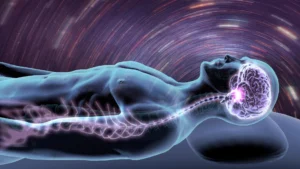
To fully grasp the implications of the ECU study, it is essential to understand the concept of entropy. In its broadest scientific definition, entropy is a measure of disorder or randomness within a system, reflecting the universe’s inherent tendency towards increasing disorganization. In biological terms, aging can be conceptualized as a gradual increase in entropy within the body’s complex systems. Over time, cellular processes become less efficient, molecular structures degrade, and the intricate networks that maintain life begin to fray, leading to the observable signs of aging and increased susceptibility to disease.
The ECU researchers, led by PhD candidate Ms. Fangli Hu, theorize that experiences, both positive and negative, can either buttress or undermine the body’s continuous efforts to maintain its organized, functional state – a low-entropy condition. Within this framework, positive travel experiences are seen as potential counter-forces, helping to reduce the systemic drift towards disorder. Conversely, stressful, chaotic, or unsafe travel experiences could accelerate this entropic decline, pushing the body further into disorganization and dysfunction. "Aging, as a process, is irreversible. While it can’t be stopped, it can be slowed down," Ms. Hu affirmed, underscoring the study’s nuanced yet optimistic outlook.
The Multifaceted Influence of Travel on Well-being and Aging
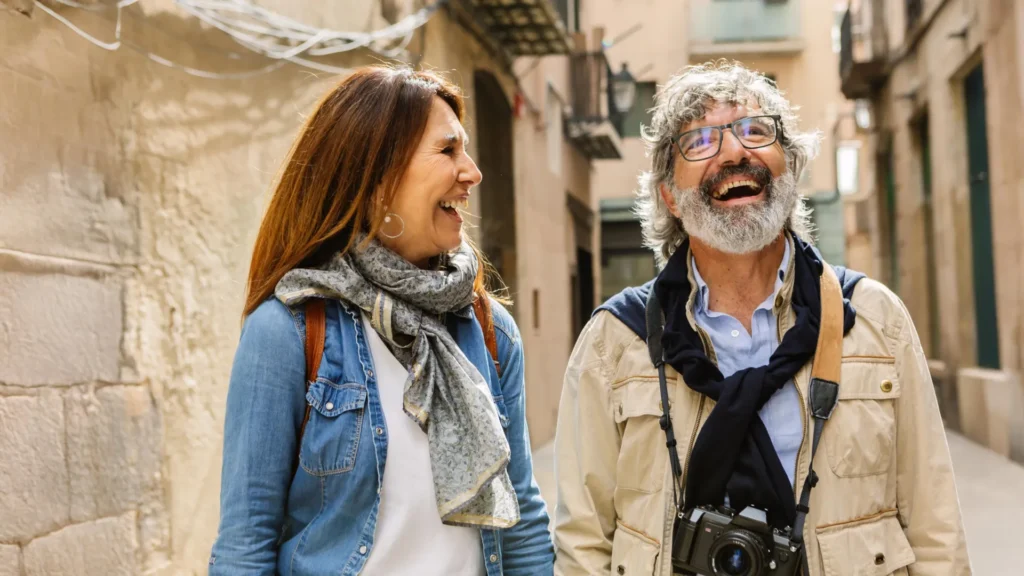
Ms. Hu and her team propose that travel contributes to well-being through several interconnected pathways. By immersing individuals in novel environments, travel inherently encourages increased physical movement, fosters new social interactions, and stimulates the creation of positive emotions. These very principles are already foundational to established sectors such as wellness tourism, health tourism, and specialized practices like yoga tourism, suggesting a natural synergy between travel and health-promoting activities. "Tourism isn’t just about leisure and recreation. It could also contribute to people’s physical and mental health," Ms. Hu elaborated, highlighting the often-overlooked therapeutic potential of travel.
Viewed through the innovative entropy lens, travel therapy emerges as a potentially significant health intervention. The core hypothesis is that positive travel experiences, acting as a dynamic component of an individual’s environment, may help the body sustain a healthier, low-entropy state by beneficially influencing four major physiological systems: the metabolic, immune, self-healing, and anti-wear-and-tear systems.
Activating the Body’s Defense and Repair Mechanisms
Travel frequently involves a potent combination of unfamiliar surroundings and opportunities for relaxation. The exposure to new settings acts as a gentle yet effective stimulant for the body, potentially elevating metabolic activity and activating intrinsic self-organizing processes essential for the smooth functioning of biological systems. This environmental novelty is believed to engage the adaptive immune system, the sophisticated defense mechanism that learns to recognize and neutralize external threats.
Ms. Hu explained that this heightened immune response improves the body’s overall ability to perceive and defend itself against pathogens and other external challenges. "Put simply, the self-defense system becomes more resilient. Hormones conducive to tissue repair and regeneration may be released and promote the self-healing system’s functioning," she stated. This suggests that the body doesn’t just cope with new environments but actively adapts and strengthens its internal repair mechanisms, crucial for mitigating age-related degradation.
Stress Reduction, Physical Activity, and Systemic Resilience
Beyond direct immune system activation, relaxing travel activities play a critical role in mitigating chronic stress, a known accelerator of aging and a disruptor of metabolic balance. Sustained high levels of cortisol, the primary stress hormone, can lead to systemic inflammation, impaired immune function, and accelerated cellular damage. By providing opportunities for recreation, relaxation, and a break from daily stressors, travel can help lower cortisol levels, calm an overactive immune response, and promote a state of physiological rest and recovery. This reduction in chronic stress is fundamental to supporting the body’s self-healing capabilities and enhancing overall resilience.
Furthermore, travel is rarely a sedentary pursuit. Trips inherently involve a greater degree of physical activity than typical daily routines. Whether it’s exploring bustling city streets on foot, embarking on scenic hiking trails, engaging in adventurous climbing or cycling, or simply spending more time upright and active, travel inherently promotes movement. This increased physical activity significantly boosts metabolism, enhances energy utilization, and improves nutrient transport throughout the body. These physiological changes are vital for supporting the intricate systems responsible for tissue repair, cellular regeneration, and maintaining the body’s overall resilience against the cumulative wear and tear of life.
Ms. Hu elaborated on these benefits: "Participating in these activities could enhance the body’s immune function and self-defense capabilities, bolstering its hardiness to external risks. Physical exercise may also improve blood circulation, expedite nutrient transport, and aid waste elimination to collectively maintain an active self-healing system. Moderate exercise is beneficial to the bones, muscles, and joints in addition to supporting the body’s anti-wear-and-tear system." These comprehensive benefits underscore how travel, through its inherent encouragement of physical activity, can directly contribute to healthier aging at a systemic level.
The Emergence of Travel Therapy: An Evolving Research Field
The 2024 ECU study serves as a foundational pillar for a rapidly emerging area of interdisciplinary research. Since its publication, related academic inquiries have continued to explore the profound potential of travel therapy as a legitimate health and wellness intervention.
A subsequent 2025 research note co-authored by Ms. Hu and her colleagues further delineated travel therapy as an emergent approach where positive travel experiences are posited to significantly promote overall well-being. Crucially, this follow-up work also emphasized the necessity of carefully weighing the potential benefits against the inherent risks associated with travel, advocating for a balanced and informed perspective.
Reflecting a growing recognition of the intricate overlaps between leisure, health, and preventive care, another significant 2025 paper called for enhanced collaboration between the fields of travel medicine and tourism. This academic appeal highlights the escalating interest in understanding how vacations, associated health risks, and proactive well-being strategies intertwine, paving the way for integrated approaches to traveler health.
Further reinforcing the academic momentum, a comprehensive 2025 systematic review confirmed that the nexus between tourism and healthy aging is rapidly establishing itself as an important interdisciplinary research area. However, the review also candidly noted that this field remains underexplored, currently lacking robust methodological frameworks and clear, delineated future research directions.
Collectively, these subsequent findings lend robust support to a carefully calibrated interpretation of the initial ECU research: travel demonstrably offers tangible health-related benefits, particularly when such experiences are rich in elements like physical movement, genuine social connection, stimulating novelty, and profound restoration. Nevertheless, researchers are still actively engaged in quantifying the precise strength of these effects and identifying which demographic groups stand to benefit most significantly from such interventions. The scientific community is in the nascent stages of understanding the full spectrum of travel’s impact on healthy aging, signaling a fertile ground for future investigation.
Broader Implications for Health, Wellness, and the Tourism Industry
The implications of this evolving research are far-reaching, extending beyond individual health choices to influence public health policy, the healthcare sector, and the global tourism industry.
For individuals, the ECU findings offer a paradigm shift, encouraging people to view travel not merely as a luxury or a break from routine, but as a proactive investment in long-term health and well-being. This perspective could empower individuals to make more deliberate travel choices, prioritizing experiences that align with the principles of positive travel: novelty, physical activity, social engagement, and stress reduction.
In the healthcare sector, the concept of "travel therapy" could evolve from a fringe idea to a recognized complementary approach. While not a replacement for conventional medical treatments, physicians and wellness practitioners might, in the future, integrate carefully planned travel experiences into holistic health plans, particularly for conditions exacerbated by stress, social isolation, or sedentary lifestyles. This could manifest in recommendations for specific types of travel, potentially even "prescribing" trips that meet certain criteria for physical activity, cultural immersion, or restorative environments.
The tourism industry stands to gain significantly by pivoting towards health and wellness outcomes. Already a multi-billion dollar sector, wellness tourism could expand further by incorporating these scientific insights. Travel companies might develop specialized "anti-aging" or "longevity-focused" travel packages, emphasizing destinations and activities known to promote the mechanisms identified by the ECU study. This could include adventure travel designed to maximize physical activity, cultural immersion tours fostering social interaction and novelty, or restorative retreats focused on stress reduction and mental well-being. Such a shift would move the industry beyond superficial luxury to providing experiences with demonstrable health benefits.
Navigating the Risks: A Crucial Counterbalance
Crucially, the research also provides a vital counter-narrative, explicitly cautioning that travel is not inherently or automatically beneficial for health. The same studies that highlight travel’s positive potential also meticulously enumerate the significant risks that tourists can encounter. These include exposure to infectious diseases (as dramatically underscored by the COVID-19 pandemic), the potential for accidents and injuries, experiences of violence or theft, and the consumption of unsafe food or water. Such risks are often linked to inadequate planning, unsuitable travel choices, or unforeseen global events.
"Conversely, tourism can involve negative experiences that potentially lead to health problems, paralleling the process of promoting entropy increase. A prominent example is the public health crisis of COVID-19," the researchers note. This emphasizes that poorly managed or inherently risky travel can indeed push the body towards greater disorder and dysfunction, negating any potential health benefits. Therefore, the distinction between positive, well-planned travel and any travel is paramount.
Conclusion: Travel as a Strategic Component of Healthy Living
The central, nuanced message emanating from Edith Cowan University’s groundbreaking research is not that every trip will magically slow the aging process. Rather, it posits that positive, carefully considered travel experiences possess a unique capacity to support the body and mind in functioning optimally. By intelligently combining elements of novelty, profound relaxation, invigorating physical activity, and meaningful social connection, travel transcends its traditional role as mere leisure. When approached with mindfulness for safety, restoration, and active engagement, travel can offer far more than cherished memories; it could strategically contribute to a healthier, more resilient aging process, fostering vitality from the inside out. As this fascinating field of "travel therapy" continues to evolve, it promises to reshape our understanding of anti-aging strategies, integrating the joy of exploration with the science of longevity.