


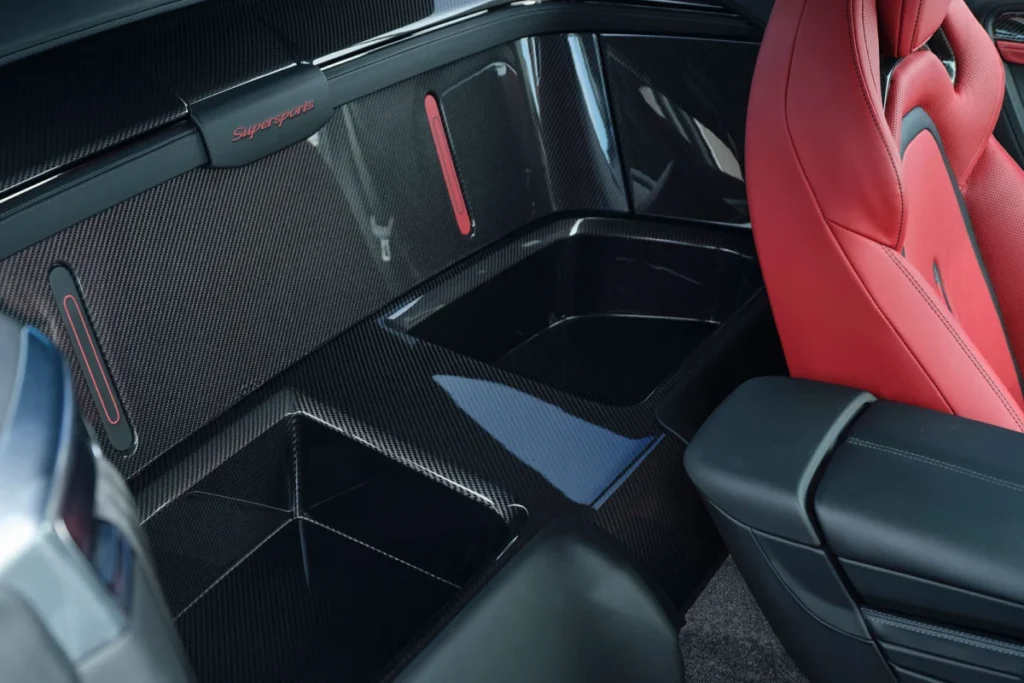
Inside a sterile, high-tech research facility in Warren, Michigan, the traditional roar of an internal combustion engine has been replaced by the hum of high-powered servers and the flicker of seven synchronized digital projectors. Within this environment, General Motors (GM) is conducting some of the most sophisticated human-machine interface (HMI) testing in the automotive industry. By placing test subjects into a "vehicle buck"—a precision-engineered physical cockpit of a Cadillac Lyriq—and surrounding them with a seamless, 270-degree virtual world, the automaker is attempting to decode the complex relationship between human stress and autonomous driving systems. This research serves as the cornerstone for GM’s aggressive transition toward a future defined by electric vehicles (EVs) and "eyes-off" autonomous capabilities, a journey that bridges the gap between legacy manufacturing and cutting-edge aerospace-grade technology.
The Vehicle Buck and the Science of Simulated Reality
The simulation experience at the Warren facility is designed to be indistinguishable from actual driving to the human brain. While the vehicle remains stationary, the sensory inputs are meticulously calibrated. Projectors beam a high-fidelity digital environment onto a curved screen, featuring realistic road textures, weather patterns, and even mundane details like gas station signage. For the participant, the physical touchpoints—the steering wheel, the haptic feedback of the seat, and the tension of the seat belt—are real, creating a psychological state known as "presence."
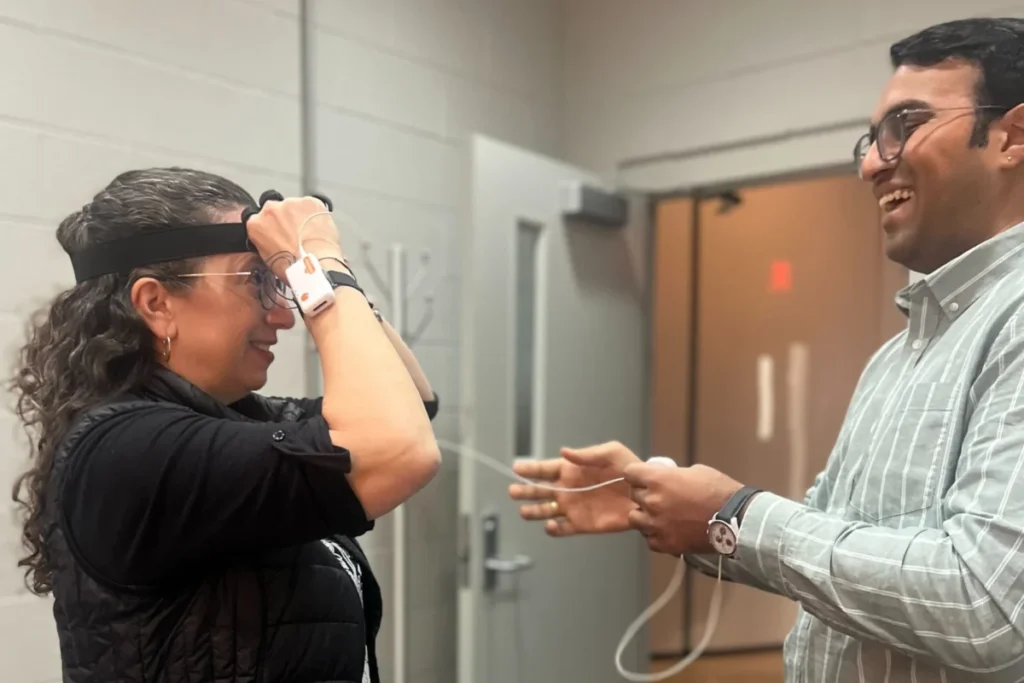
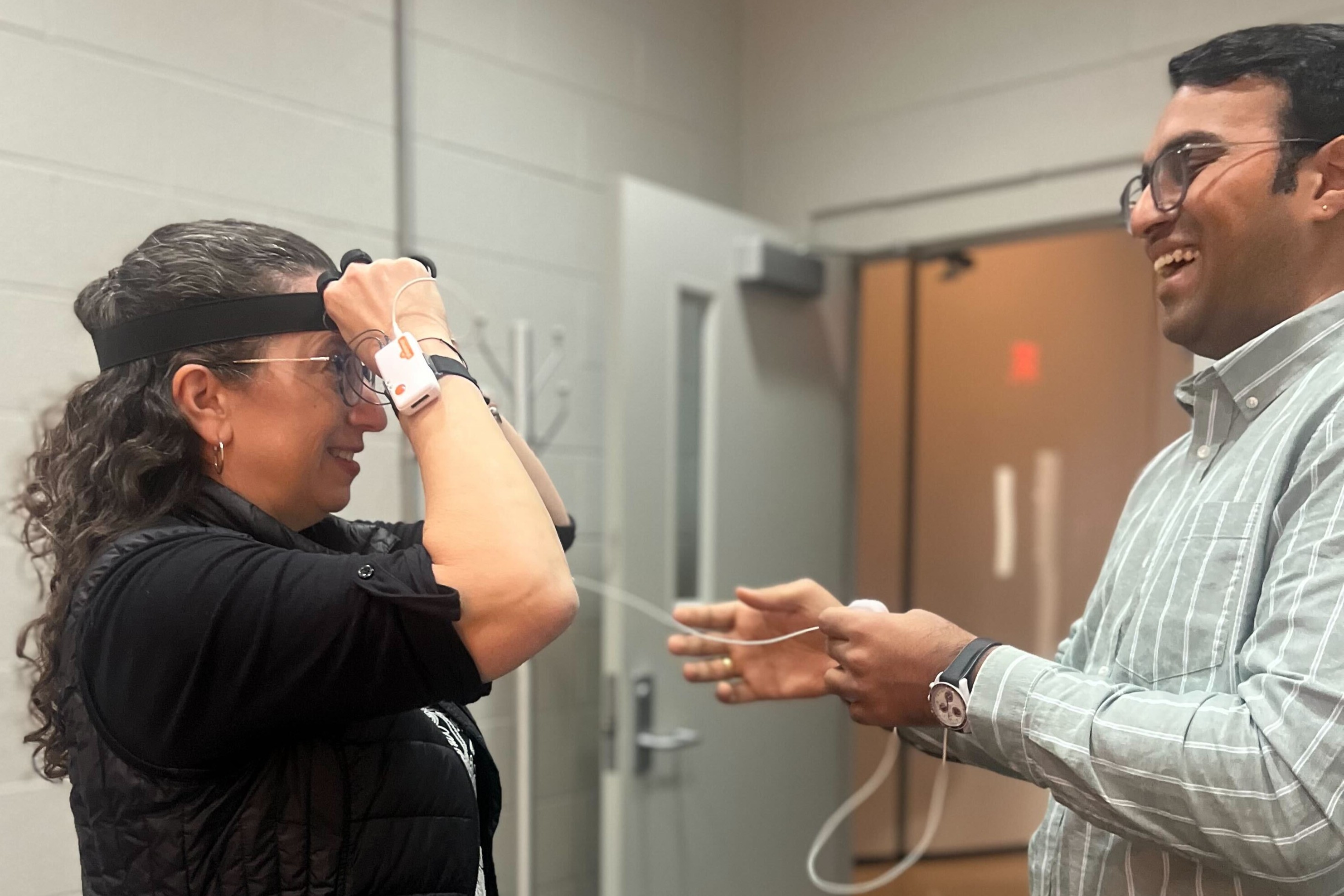
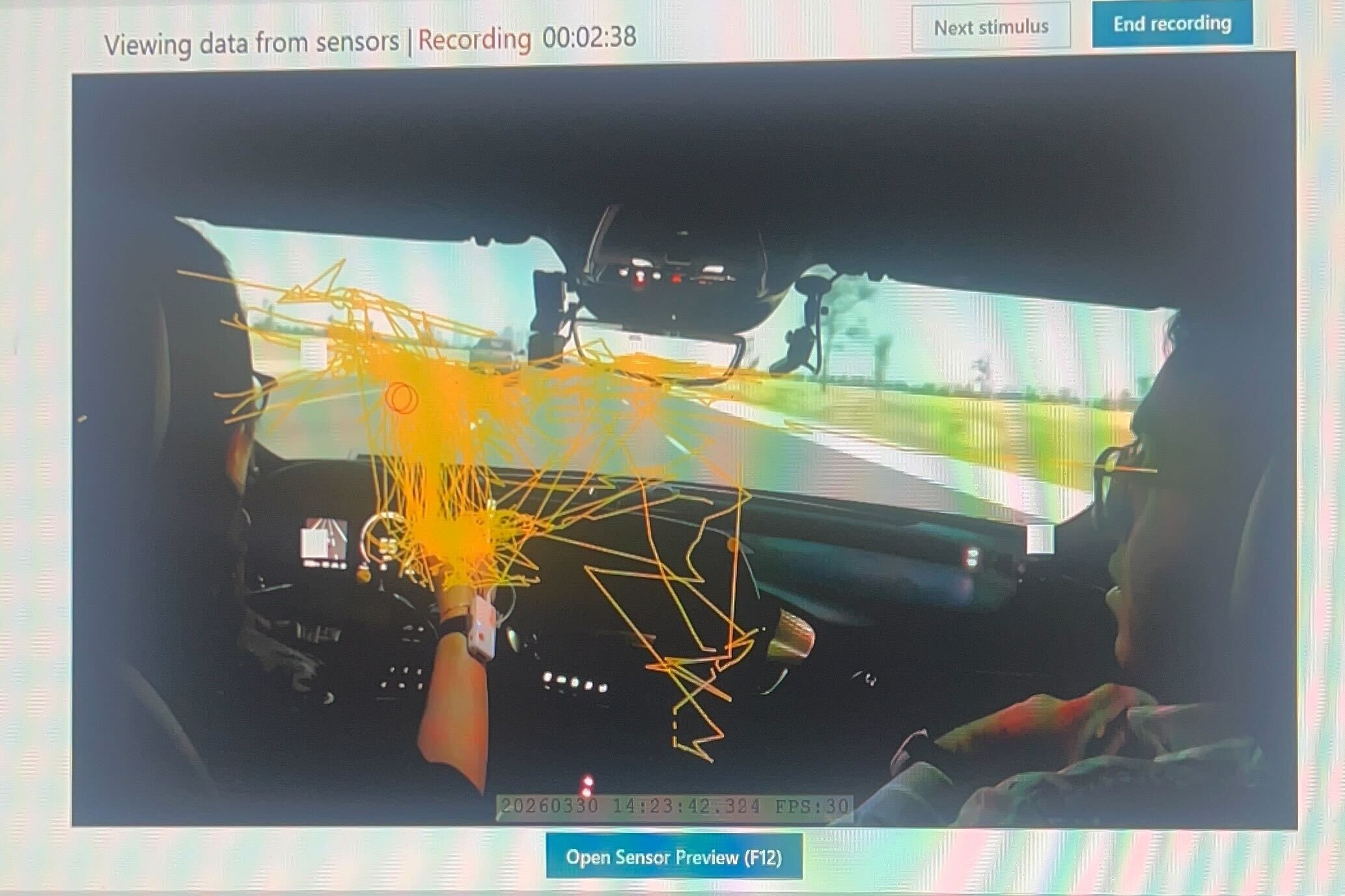
To capture the driver’s internal state, GM technicians utilize a suite of medical-grade sensors. These include pulse oximeters to monitor heart rate and oxygen saturation, galvanic skin response sensors to detect perspiration (a primary indicator of autonomic nervous system arousal), and high-speed infrared cameras focused on the eyes. This biometric data is then processed through proprietary artificial intelligence (AI) algorithms to determine how a human reacts when an autonomous system, such as Super Cruise, manages the vehicle’s trajectory. The goal is to move beyond subjective feedback; while a driver might report feeling "fine" after a session, their pupil dilation and heart rate variability might tell a story of significant cognitive load or anxiety.
Biometrics as a Diagnostic Tool for Autonomous Safety
The integration of "Emotional AI" and pupillometry marks a shift in how vehicles are developed. Pupillometry, the measurement of pupil size and reactivity, provides a window into the brain’s processing power. When a driver is overwhelmed by information or startled by a sudden maneuver, their pupils dilate in a predictable, measurable pattern. By correlating these physical reactions with specific moments in the simulation—such as a virtual car cutting into the lane or a transition from clear skies to a digital rainstorm—engineers can refine the software to be more intuitive.
Omer Tsimhoni, a GM technical fellow specializing in information display and optics research, likens this setup to a sophisticated lie detector. The empirical data gathered from these sessions allows the R&D team to identify "friction points" in the user experience. If the data indicates a spike in stress during a lane change, the AI governing the autonomous system can be retuned to execute the maneuver more gradually. This iterative process is crucial as GM prepares to move from Level 2 autonomy (hands-off but eyes-on) to Level 3 and beyond, where the driver may be permitted to look away from the road entirely.
A Chronology of Innovation: From 1908 to the Aerospace Era
The technological sophistication currently on display at the Warren campus is a far cry from GM’s origins in 1908. However, the company’s recent trajectory suggests a fundamental rebranding as a technology conglomerate rather than just a car manufacturer. This shift is exemplified by the leadership of Linda Cadwell Stancin, the executive director and head of GM’s R&D. With a career spanning over two decades at aerospace giants Boeing and Lockheed Martin, Stancin brings a methodology rooted in high-stakes systems engineering.
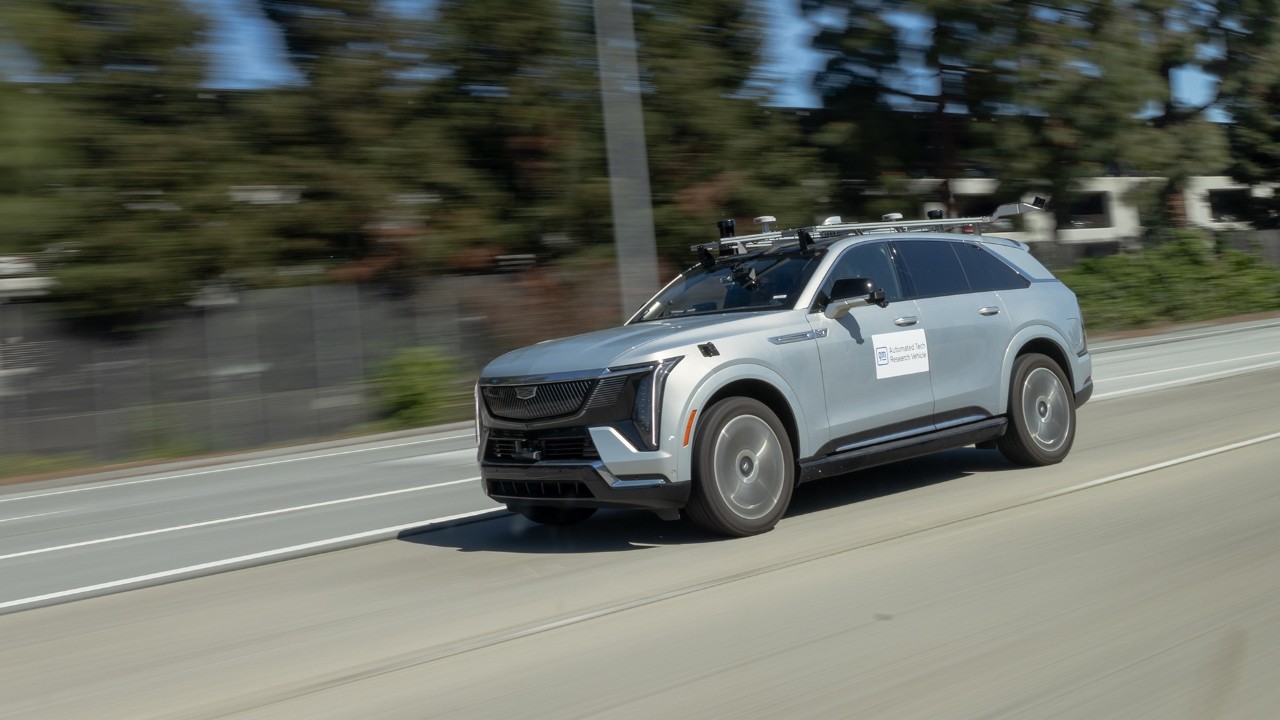
Under this aerospace-influenced leadership, GM has accelerated its development timeline. The company now runs millions of virtual simulations daily, effectively compressing decades of road testing into a matter of weeks. These simulations do not just cover standard driving; they focus on "edge cases"—the rare and unpredictable scenarios that human drivers face, such as debris falling from a truck or erratic pedestrian behavior. By the time a new software update for Super Cruise is pushed to consumer vehicles, it has already encountered these scenarios millions of times in a digital environment.
Revolutionizing EV Efficiency Through AI and Chemistry
While autonomous driving captures headlines, the underlying hardware—the batteries and aerodynamics—is undergoing an equally radical transformation. In one wing of the Warren facility, researchers are developing Lithium Manganese-Rich (LMR) batteries. This new chemistry is designed to address two of the primary hurdles to mass EV adoption: cost and mineral scarcity. By reducing the reliance on expensive and ethically sensitive minerals like cobalt, GM aims to lower the price point of its electric fleet without significantly compromising the vehicle’s range.
Simultaneously, the company is utilizing AI to solve the problem of aerodynamic drag, which can account for up to 50% of an EV’s energy consumption at highway speeds. Traditionally, testing a vehicle’s aerodynamics required physical prototypes and months of wind tunnel time. GM’s new AI-powered virtual wind tunnel provides instantaneous feedback. Alok Warey, Lab Group Manager for R&D, notes that what once took weeks now happens in real-time. Designers can tweak the curve of a side mirror or the angle of a spoiler and see the immediate impact on the vehicle’s drag coefficient, allowing for a level of optimization previously impossible in the automotive world.
The Road to 2028: The Escalade IQ and "Eyes-Off" Driving
The ultimate objective of this intensive R&D is the debut of "hands-off, eyes-off" driving, scheduled for 2028 with the release of the all-electric Cadillac Escalade IQ. This milestone represents a significant leap in consumer technology. To prepare for this, GM researchers are studying how to safely manage the "handover" process—the moment when the car requires the human to resume control.
During simulation tests, researchers like Akilesh Rajan use distractions such as tablet-based games to simulate a driver who is not paying attention to the road. The study focuses on the most effective alerts—whether haptic, auditory, or visual—to bring a distracted driver back to a state of readiness. The data shows that the transition is not instantaneous; the human brain requires several seconds to regain "situational awareness." Designing a system that respects this biological limitation is essential for preventing accidents during the transition from autonomous to manual control.
Economic and Industry Implications
The impact of GM’s technological pivot extends beyond the laboratory. General Motors remains a cornerstone of the American economy, representing approximately 4% of Michigan’s total GDP. The company’s move toward high-tech R&D is a signal to the broader industry that the survival of legacy automakers depends on their ability to compete with Silicon Valley.
By developing its own battery chemistries and AI models, GM is attempting to vertically integrate its supply chain and reduce its dependence on external tech providers. This strategy is intended to insulate the company from global supply shocks while ensuring that its proprietary data remains a competitive advantage. Furthermore, the focus on LMR batteries and reduced cobalt usage aligns with global sustainability trends and tightening environmental regulations, positioning GM to maintain market share in a carbon-constrained future.
Conclusion: Data-Driven Confidence
As the automotive industry stands on the precipice of its most significant transformation since the invention of the assembly line, General Motors is betting on the marriage of human biology and artificial intelligence. The simulations in Warren, Michigan, are more than just tech demonstrations; they are a rigorous, data-driven effort to build consumer trust.
In an era where the public remains skeptical of autonomous systems, GM’s reliance on biometric "lie detectors" and aerospace-grade simulations provides a transparent, empirical foundation for safety. By understanding the driver’s heartbeat and the flicker of an eyelid, GM is not just building smarter cars; it is attempting to build a more harmonious relationship between humans and the machines that will eventually drive them. The road to 2028 is paved with terabytes of biometric data, ensuring that when the "eyes-off" future finally arrives, it is as safe as it is revolutionary.