


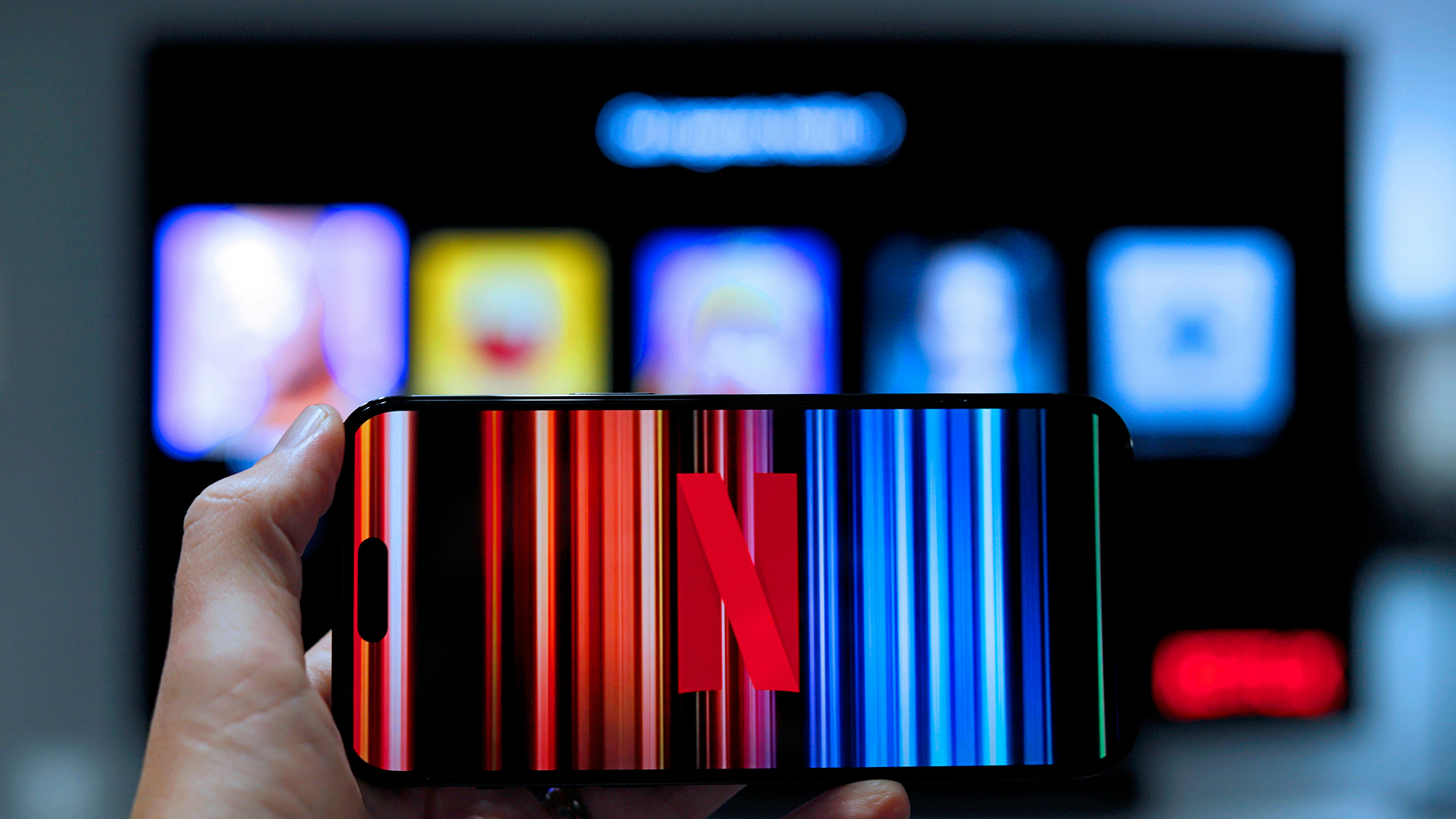
The landscape of digital streaming has undergone a radical transformation over the last two decades, evolving from a supplementary service to the primary medium through which global audiences consume cinema and television. At the center of this evolution is Netflix, a platform that has pioneered the subscription-based model while simultaneously setting the technical benchmarks for home entertainment. However, for the modern consumer, the relationship between monthly subscription fees and the actual visual quality delivered on-screen is increasingly complex. While Netflix offers various pricing tiers categorized by resolution capabilities, the final output is governed by a sophisticated interplay of hardware specifications, software protocols, and digital rights management (DRM) systems. Understanding these variables is essential for subscribers who wish to ensure they are receiving the full value of their selected service tier.
The Evolution of Netflix Subscription Models
Netflix currently operates a three-tiered subscription architecture designed to cater to different economic demographics and viewing preferences. The entry-level "Standard with ads" plan, priced at approximately $6.99 per month, provides 1080p (Full HD) resolution with the inclusion of intermittent advertisements. The "Standard" plan, priced at $15.49, offers the same 1080p resolution but removes advertising and allows for two simultaneous streams. The "Premium" tier, positioned as the flagship offering at $22.99 per month, is the only plan that unlocks 4K (Ultra HD) streaming, High Dynamic Range (HDR) content, and spatial audio support.
Despite these clear delineations, a significant number of "Premium" subscribers may unknowingly be viewing content in lower resolutions due to device-specific limitations. The promise of 4K streaming is not a universal guarantee; rather, it is a maximum potential that requires a perfect alignment of hardware, software, and network conditions. Industry analysts note that this "resolution gap" often stems from a lack of consumer awareness regarding the technical requirements of Ultra HD playback.
The Hardware Barrier: Why Subscription Tiers Are Only Half the Battle
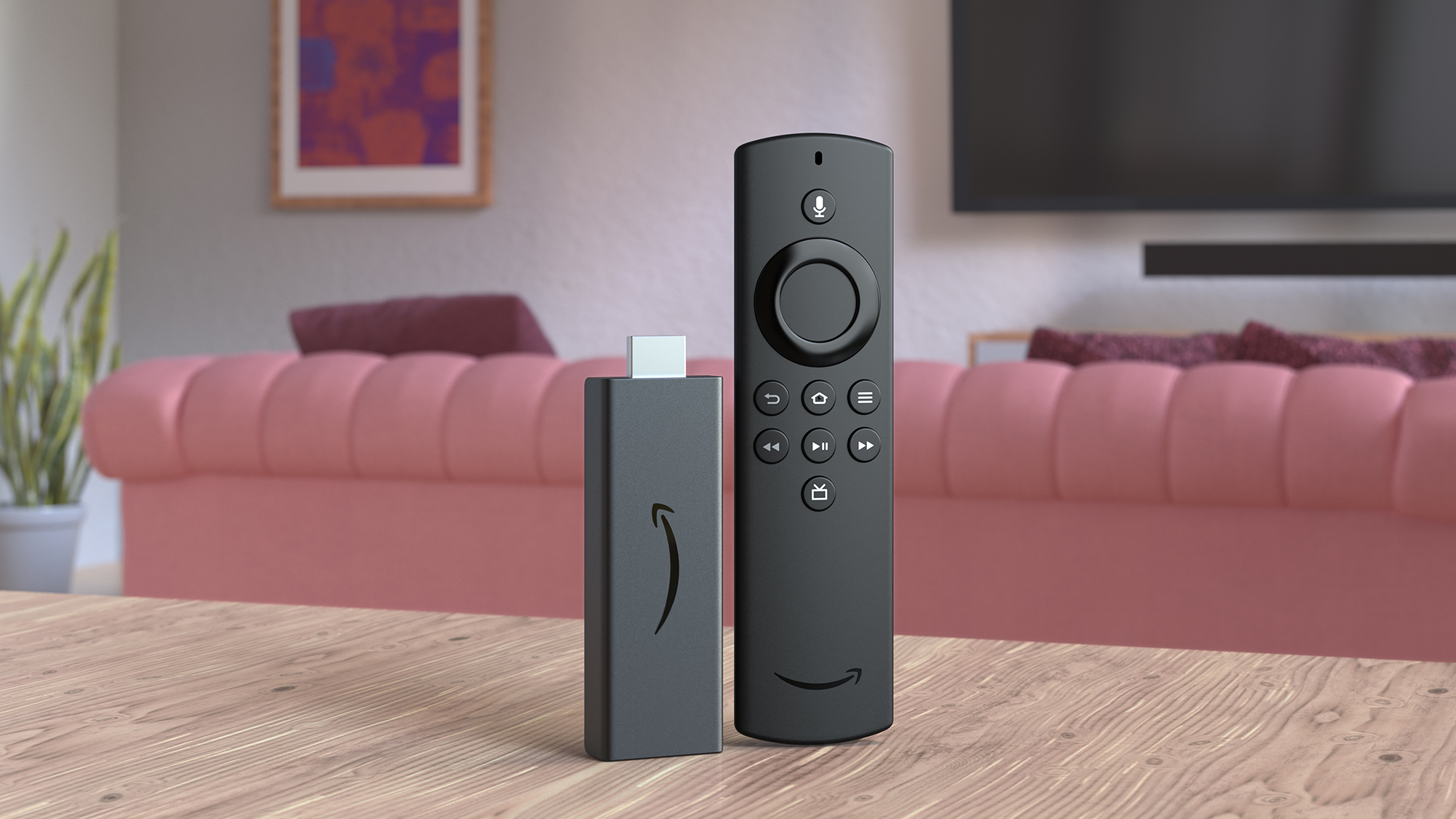
The primary determinant of streaming quality is the hardware used to access the service. For television sets, the path to 4K is relatively straightforward. A user must possess a native 4K Smart TV equipped with the official Netflix application. Alternatively, external streaming devices such as the Roku Ultra, Amazon Fire TV Stick 4K, or Apple TV 4K can bridge the gap for older displays. These devices are specifically engineered to handle the high-bitrate HEVC (High-Efficiency Video Coding) streams required for Ultra HD.
However, the situation becomes significantly more restrictive when moving to personal computers and mobile devices. In these environments, the limitation is rarely the processing power of the device, but rather the security protocols implemented to prevent digital piracy. Netflix, alongside major Hollywood studios, mandates strict adherence to High-bandwidth Digital Content Protection (HDCP) standards. Specifically, to stream in 4K, a device must support HDCP 2.2. If a user connects a high-end computer to a monitor that only supports HDCP 1.4, Netflix will automatically downgrade the stream to 1080p to mitigate the risk of content being intercepted or recorded.
Chronology of Netflix’s Visual Evolution
To understand the current technical landscape, it is helpful to examine the timeline of Netflix’s pursuit of higher visual fidelity:
- 2007: Netflix launches its "Watch Now" streaming service, primarily offering SD (Standard Definition) content to a limited number of PC users.
- 2010: The platform introduces 1080p Full HD streaming, coinciding with the rise of high-definition television sets.
- 2014: Netflix becomes a pioneer in 4K content, launching the second season of House of Cards in Ultra HD. This move was intended to incentivize the adoption of 4K televisions.
- 2016: The platform integrates High Dynamic Range (HDR) and Dolby Vision support, focusing on color depth and contrast rather than just pixel count.
- 2022-2023: Netflix introduces the "Standard with ads" tier, re-centering 1080p as the baseline resolution for all subscribers, effectively phasing out 720p as a standard.
The Role of Digital Rights Management (DRM) and Piracy Protection
The most significant "hidden" factor in resolution capping is Digital Rights Management. On Android devices, for instance, Netflix utilizes Google’s Widevine DRM. Android phones are categorized into different security levels: Widevine L1 and Widevine L3. Only devices with L1 certification are permitted to stream Netflix in HD or higher. Devices relegated to L3 are capped at Standard Definition (480p), regardless of how expensive the phone or the subscription may be.
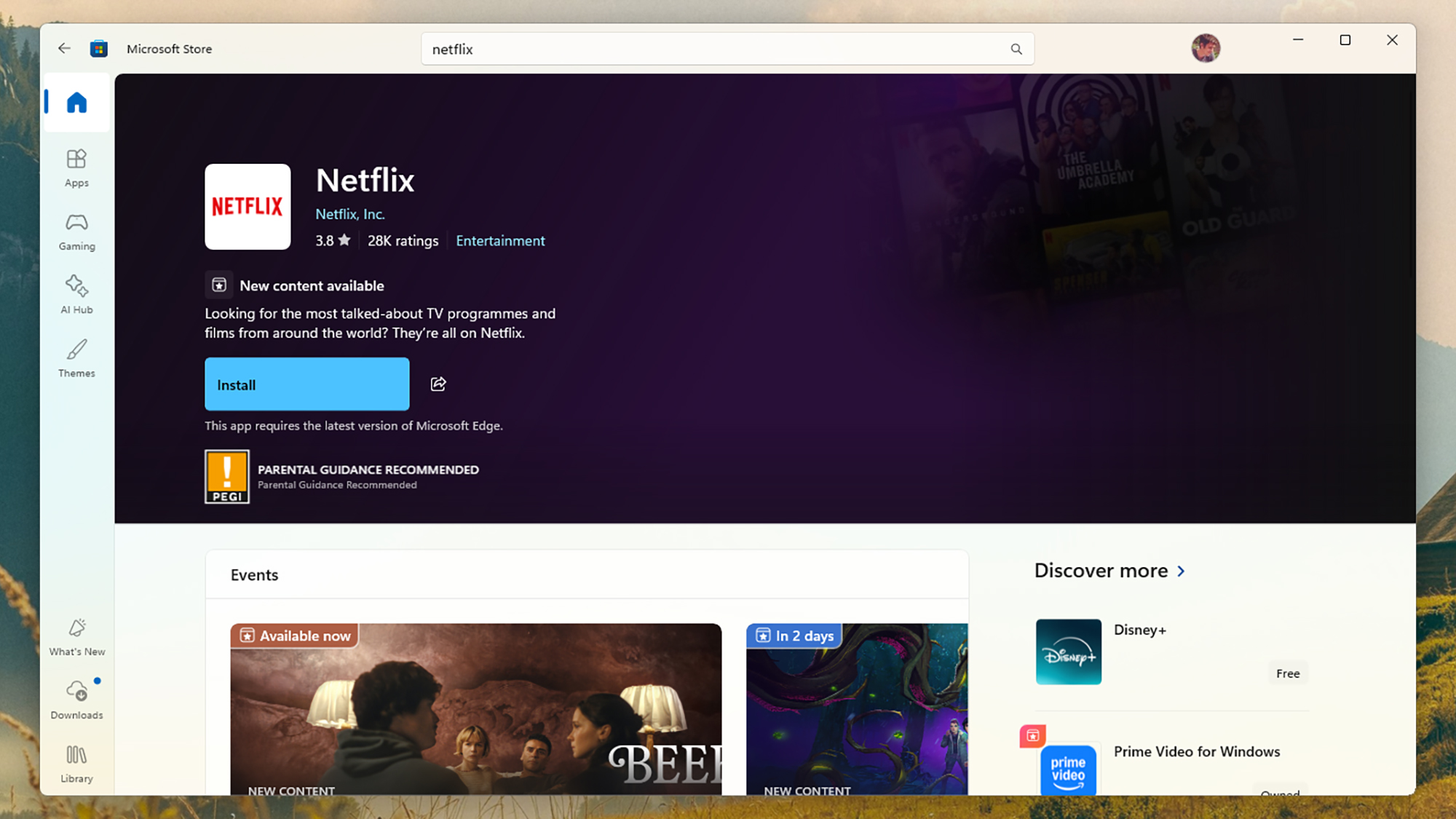
For desktop users, the choice of browser is equally critical. On Windows, 4K streaming is exclusively reserved for Microsoft Edge or the official Netflix app available in the Microsoft Store. Popular browsers like Google Chrome and Mozilla Firefox were historically capped at 720p or 1080p on Windows due to their reliance on software-based DRM, which is seen as more vulnerable than the hardware-integrated DRM found in Edge. On macOS, 4K streaming requires the Safari browser and a Mac equipped with an Apple Silicon chip or the Apple T2 Security Chip.
The Mobile Ceiling: Why Smartphones Stop at 1080p
A common point of confusion for consumers is why the world’s most advanced smartphones—many of which feature screens with pixel densities far exceeding traditional monitors—cannot stream Netflix in 4K. The answer is twofold: physical utility and battery preservation.
Technically, very few smartphones possess true 4K displays. While marketing terms like "2K" or "Super Retina XDR" suggest high fidelity, the actual horizontal pixel count rarely reaches the 3,840 required for 4K. Furthermore, on a screen typically measuring between 6 and 7 inches, the human eye is incapable of discerning the difference between 1080p and 4K.
Beyond the visual aspect, 4K streaming is an intensive task for mobile processors. It requires significantly higher data throughput and more complex decoding, which generates heat and drains battery life rapidly. By capping mobile streams at 1080p, Netflix ensures a more stable viewing experience that does not compromise the device’s longevity or performance.
Internet Infrastructure and the Minimum Speed Threshold
Even with the correct subscription and hardware, the quality of a Netflix stream is ultimately at the mercy of the user’s Internet Service Provider (ISP). Netflix utilizes adaptive bitrate streaming, a technology that monitors network congestion in real-time and adjusts the video quality accordingly.
According to Netflix’s official technical documentation, the minimum download speeds required for various quality levels are:
- High Definition (720p): 3 Megabits per second (Mbps).
- Full High Definition (1080p): 5 Mbps.
- 4K/Ultra High Definition (UHD): 15 Mbps.
In practice, experts recommend a stable connection of at least 25 Mbps for 4K streaming to account for "network jitter" and the presence of other devices on the same Wi-Fi network. Netflix has invested heavily in its Open Connect program—a global Content Delivery Network (CDN) that places Netflix servers directly inside ISP data centers. This reduces the distance data must travel, lowering latency and helping users maintain higher resolutions.
Official Responses and Industry Standards
While Netflix does not frequently issue public statements regarding its resolution caps, the company’s support infrastructure emphasizes that these limitations are in place to ensure "the best possible experience for the device being used." In communications with hardware partners, Netflix maintains that strict DRM and hardware certification processes are necessary to fulfill contractual obligations with content creators and studios who demand high-level protection for their intellectual property.
Tech industry analysts view these restrictions as a necessary trade-off for the availability of high-budget content. "Without the assurance of HDCP 2.2 and Widevine L1, major studios would be hesitant to license their blockbuster titles to streaming platforms for fear of high-quality digital duplicates appearing on piracy sites within hours of release," says digital media consultant Elena Rodriguez.
Broader Impact and Implications for Consumers
The discrepancy between what consumers pay for and what they receive highlights a growing need for "digital literacy" in the streaming era. For many, the $22.99 Premium plan may be an unnecessary expense if their primary viewing device is a 1080p laptop or a standard smartphone.
Furthermore, this situation raises questions about the environmental impact of streaming. Higher resolutions require more data processing at the server level and higher energy consumption during transmission. As Netflix continues to optimize its encoding ladders—the process of compressing video without losing perceived quality—the focus may shift from increasing pixel counts to improving efficiency and color accuracy through HDR.
In conclusion, maximizing Netflix streaming quality requires more than just a premium subscription. It demands a holistic approach to the viewing environment, including the verification of hardware compatibility, the selection of appropriate software, and the maintenance of a robust internet connection. As the industry moves toward even higher standards, such as 8K or advanced spatial computing, the gap between subscription tiers and technical reality is likely to remain a central challenge for the digital consumer.