



As the summer solstice approaches and record-breaking heatwaves become an increasingly frequent occurrence across the globe, dog owners are facing a growing challenge in maintaining their pets’ exercise routines while ensuring their physical safety. The thermal dynamics of urban environments present two primary threats to canines: systemic overheating, known as hyperthermia, and localized thermal injuries to the paw pads caused by searing pavement. While human pedestrians are shielded by footwear, dogs rely on specialized but sensitive skin that can suffer second-degree burns in a matter of seconds. To address this intersection of pet health and environmental safety, a new iPhone application named NorthPaw has been released, utilizing localized weather data and breed-specific biological parameters to provide owners with a data-driven "safe window" for outdoor activity.
The Physics of Urban Heat and Canine Vulnerability
The fundamental problem addressed by NorthPaw is the significant discrepancy between ambient air temperature and surface temperature. According to data corroborated by the American Kennel Club (AKC), when the air temperature reaches a seemingly manageable 85 degrees Fahrenheit, the temperature of asphalt in direct sunlight can spike to 135 degrees Fahrenheit. For context, skin destruction can begin at 125 degrees Fahrenheit. At 135 degrees, a dog’s paw pads can be severely burned in less than 60 seconds of contact.
Asphalt, a dark and dense material, acts as a highly efficient solar radiator. It absorbs a vast majority of the thermal energy from the sun and retains it long after the sun has begun to set. This phenomenon, often referred to as the "heat island effect" in urban planning, means that even as the evening air cools, the ground may remain at dangerous levels. Traditional advice to pet owners often includes the "seven-second rule"—the practice of placing the back of one’s hand on the pavement to see if it can be held there comfortably for seven seconds. However, this method is subjective and fails to account for the cumulative effect of a long walk or the varying heat tolerances of different dog breeds.
The Genesis of NorthPaw: From Inspiration to Implementation
The development of NorthPaw was spearheaded by Chris Fiegel, a machine learning engineer and dog owner who recognized a gap in the available tools for pet safety. Fiegel was reportedly inspired by Pawometer, a web-based utility that uses live weather data to flag dangerous pavement temperatures. Seeing the potential to expand this concept into a more personalized, mobile-first experience, Fiegel utilized his expertise in data science to build a more robust analytical framework.

The project moved from a conceptual stage to a functional mobile application by integrating what Fiegel calls a "deterministic risk engine." Unlike simpler tools that only look at the thermometer, NorthPaw factors in a suite of atmospheric variables including relative humidity, wind speed, and solar load based on cloud cover. This multi-variable approach allows the app to estimate surface temperatures for various materials, including asphalt, concrete, and sand, which all have different thermal properties and cooling rates.
Technical Architecture and the NorthPaw Index
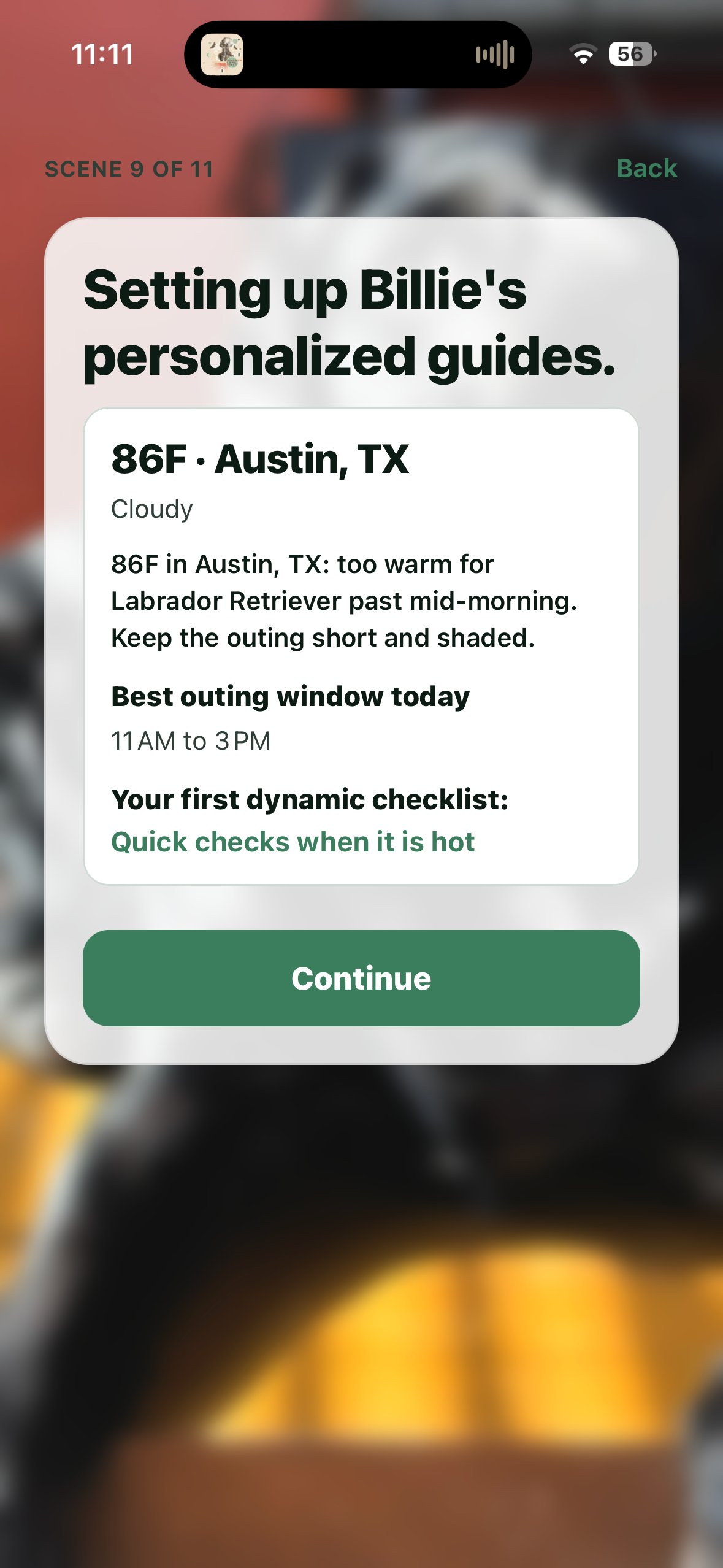
At the heart of the application is the NorthPaw Index, a proprietary metric that translates complex meteorological data into an actionable safety score. Upon setting up the app, users are prompted to input specific biological data regarding their pets. This includes the dog’s breed, coat type (single, double, or hairless), snout profile (brachycephalic vs. dolichocephalic), and typical activity levels.
The inclusion of snout profiles is a critical scientific addition. Brachycephalic breeds—such as Bulldogs, Pugs, and Boxers—have shortened nasal passages that make them significantly less efficient at thermoregulation through panting. For these breeds, a temperature that is safe for a Long-nosed Collie might be life-threatening. Similarly, the distinction between coat types is vital; while a double coat (found in Huskies or Labs) provides some insulation against heat, it also traps body heat more effectively than a single coat, increasing the risk of heatstroke during exertion.
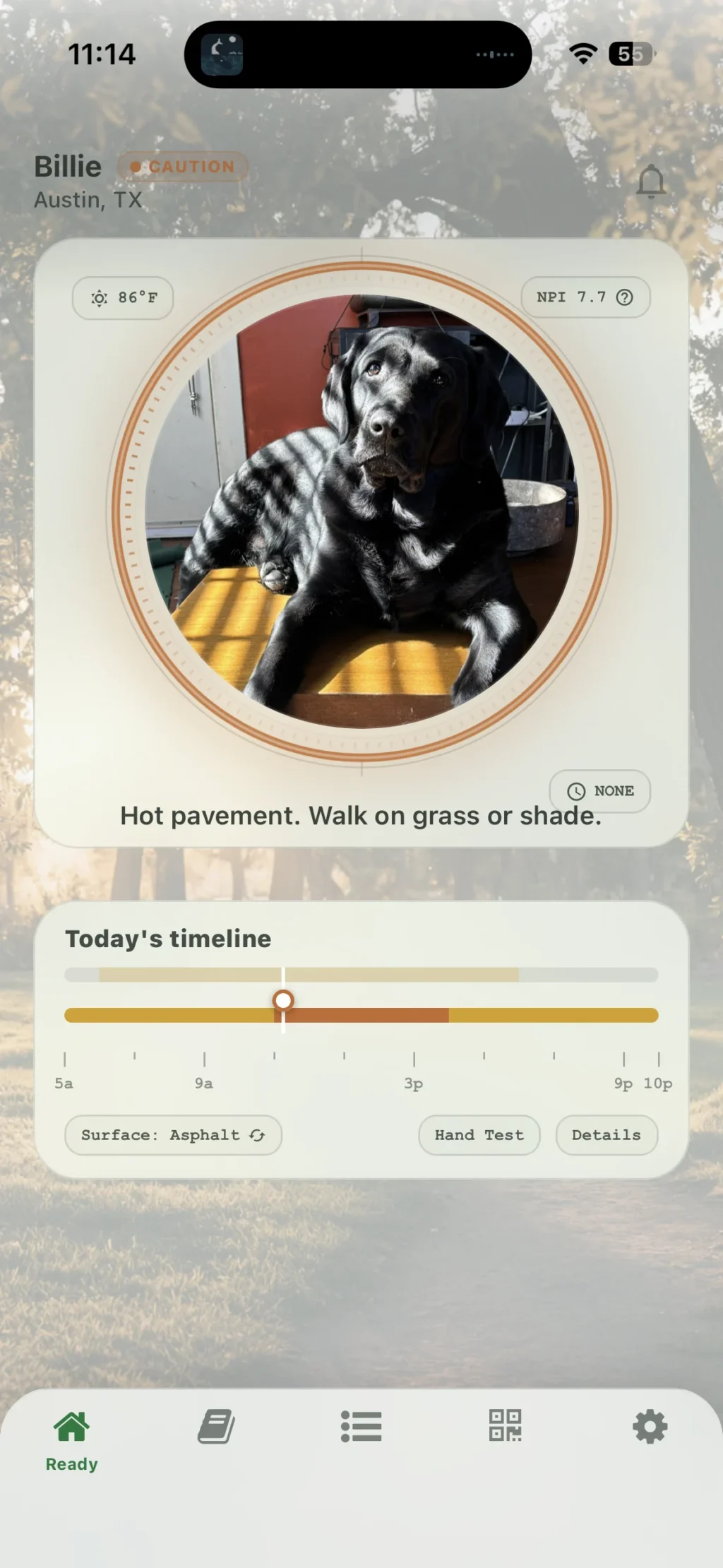
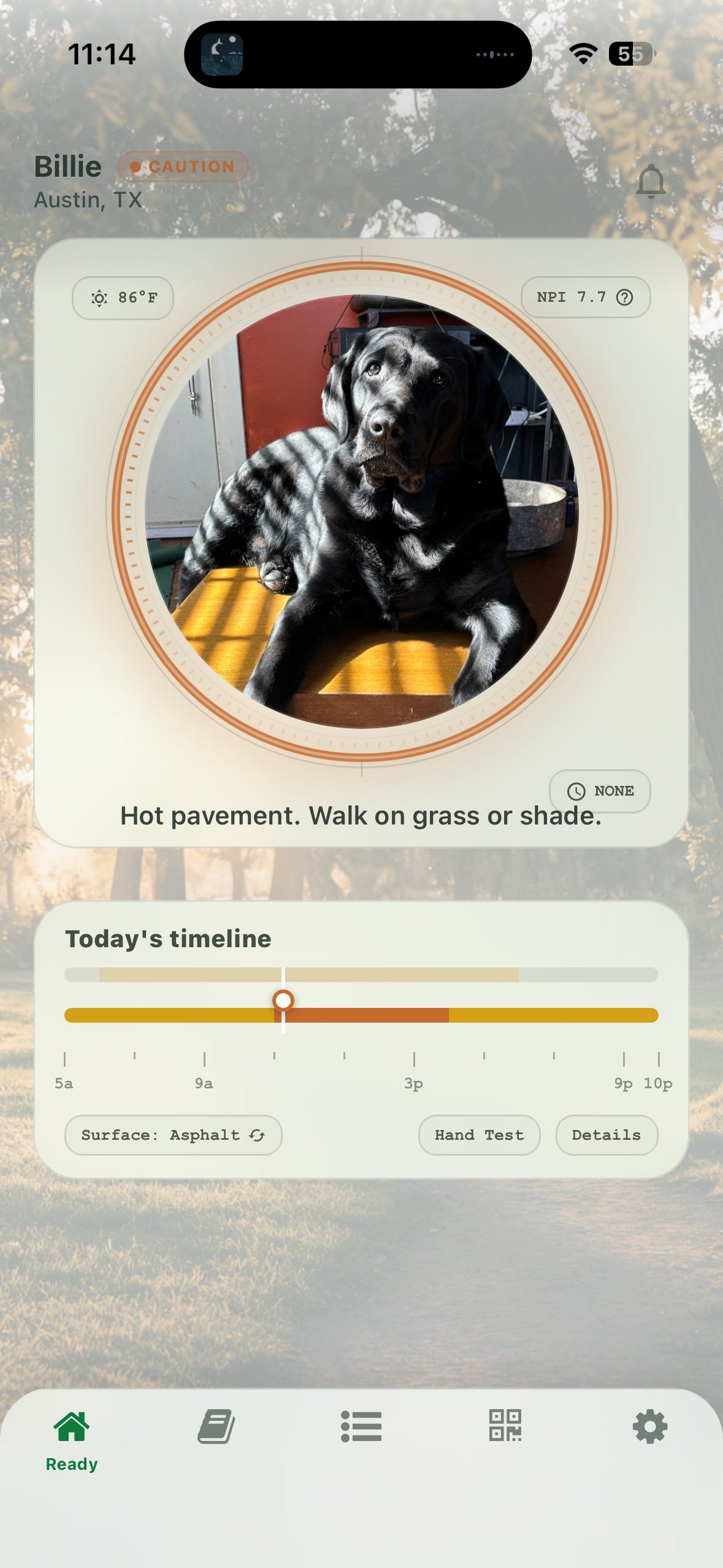
By combining these biological inputs with real-time environmental data, NorthPaw generates a personalized forecast. The user interface features a color-coded ring around the pet’s profile: green indicates a safe window for walking, while red serves as a warning to remain indoors or stick to shaded, grassy areas. The app also provides an hour-by-hour timeline, allowing owners to plan their day around the safest meteorological windows, which in extreme climates like Austin, Texas, or Phoenix, Arizona, are often limited to the pre-dawn hours and late evening.
Privacy and Edge Computing in Pet Technology
In an era where data privacy is a paramount concern for consumers, NorthPaw distinguishes itself through its technical architecture. Fiegel has stated that the application is designed to run offline and that "no data actually leaves the user’s device." This approach, known in the tech industry as "edge computing," ensures that the location data and personal pet information remain private. By processing the deterministic risk engine locally on the iPhone’s processor rather than on a remote server, the app minimizes the digital footprint of the user while remaining functional in areas with poor cellular reception, such as remote hiking trails.
The Broader Impact: Climate Change and Animal Welfare
The release of NorthPaw comes at a time when the veterinary community is seeing an uptick in heat-related injuries. Veterinary professionals note that heatstroke in dogs is a medical emergency with a high mortality rate, often resulting in multiple organ dysfunction syndrome (MODS). The symptoms—excessive panting, lethargy, dark red gums, and collapse—can escalate rapidly.
Industry analysts suggest that NorthPaw represents a broader trend in the "Pet Tech" sector, which is projected to grow significantly as owners seek sophisticated ways to manage the health of their animals in a changing climate. As urban centers continue to expand and global temperatures rise, the reliance on algorithmic assistance to navigate environmental hazards is becoming a necessity rather than a luxury.
The application’s ability to send daily morning briefings provides a proactive rather than reactive safety measure. For professional dog walkers and multi-pet households, this data allows for the optimization of schedules to ensure that high-risk dogs are exercised during the coolest parts of the day, while more resilient breeds might take the slightly warmer slots.
Comparative Analysis: Traditional Methods vs. Algorithmic Prediction
For decades, the standard for pet safety has been human intuition and generalized weather reports. However, general weather reports are often taken from sensors located at airports or open fields, which do not accurately reflect the "microclimates" of a suburban sidewalk or a city park. NorthPaw’s localized approach addresses this granularity.
Furthermore, the "deterministic" nature of the app’s engine removes the cognitive bias of the owner. A human might perceive a breeze and assume it is safe for a walk, whereas the NorthPaw algorithm might calculate that the high solar load and humidity levels still place a brachycephalic dog at a high risk for heat exhaustion. By quantifying these risks, the app serves as a critical second opinion for pet owners.
Conclusion and Future Outlook
NorthPaw is currently available for iPhone users, catering to a demographic of tech-savvy pet owners who prioritize preventative care. While the app is a powerful tool, it is positioned as a supplement to, rather than a replacement for, common sense and professional veterinary advice. As the app gains a larger user base, the potential for further refinements—such as integrating historical heat maps or more specific soil-type data for hikers—remains a possibility.
In the final analysis, NorthPaw is a response to a modern environmental reality. It leverages the processing power of modern smartphones to solve a biological problem, ensuring that the bond between humans and their canine companions is not hindered by the rising mercury. By turning a machine learning engineer’s personal project into a public utility, Fiegel has provided a blueprint for how niche technological solutions can address the universal challenges of animal welfare in the 21st century.