




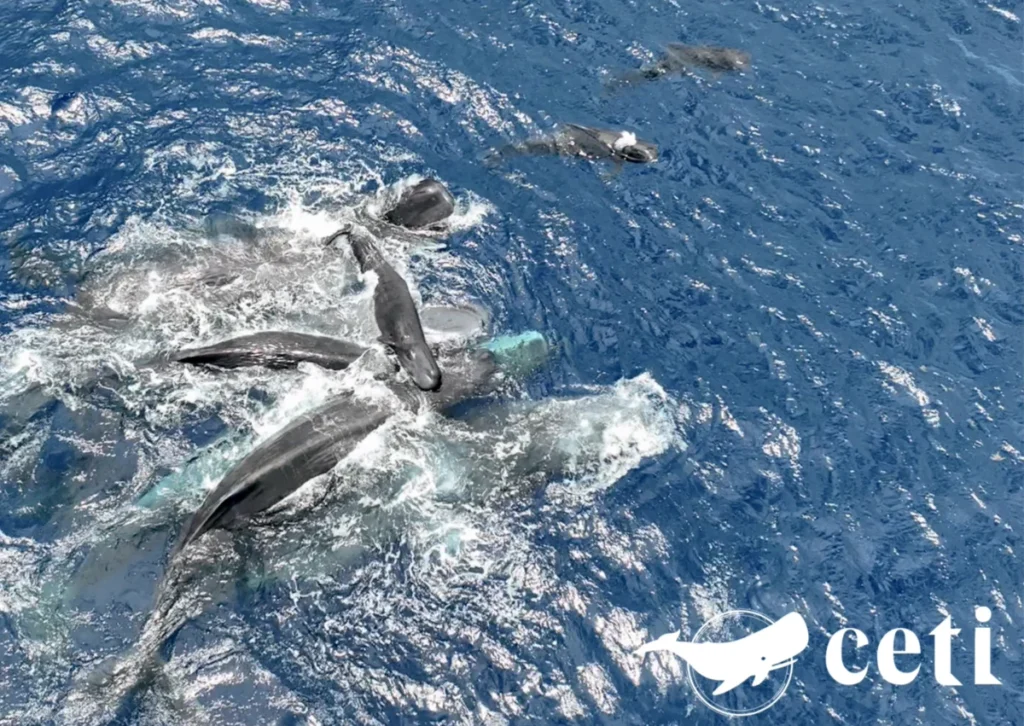
On a warm July day off the coast of the island nation of Dominica, a team of researchers witnessed and recorded one of the rarest events in marine biology: the live birth of a sperm whale (Physeter macrocephalus) in the wild. The event, documented by the whale research organization Project CETI (Cetacean Translation Initiative), represents the most comprehensive and technologically detailed observation of a cetacean birth ever recorded. Published in the journal Scientific Reports, the findings provide unprecedented insights into the social structure, communication patterns, and cooperative behaviors of one of the ocean’s most enigmatic apex predators.
The discovery was led by Dr. Shane Gero, the biology lead for Project CETI and a scientist who has dedicated two decades to studying the resident sperm whale populations of the Eastern Caribbean. While sperm whales have been studied since the era of commercial whaling, the actual mechanics of their reproduction and the social rituals surrounding birth have remained largely shrouded in mystery due to the species’ deep-diving nature and the logistical challenges of open-ocean observation.
A Chronology of the Event
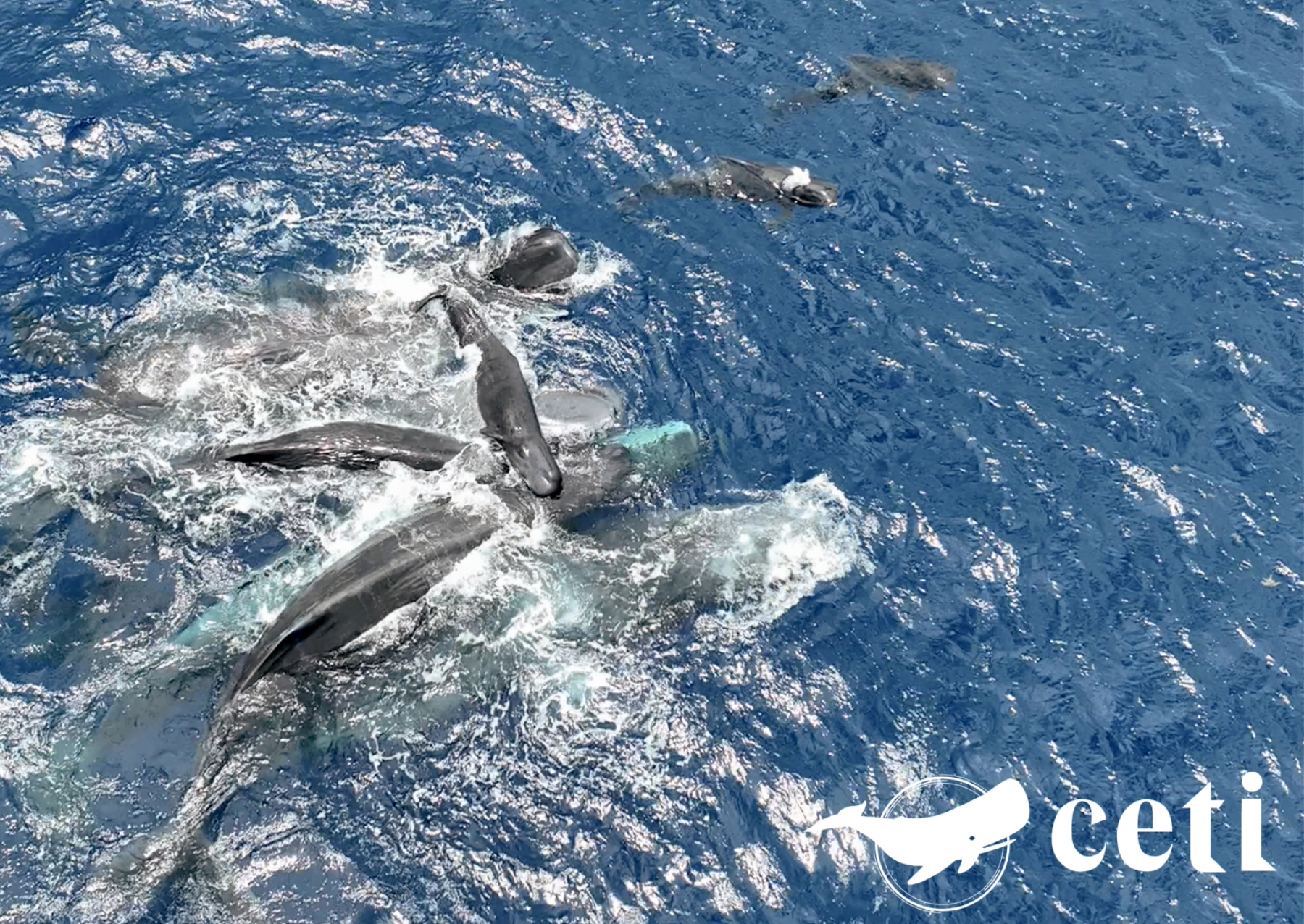
The observation occurred on July 8, 2023, during a routine monitoring expedition. The research team was tracking a well-known social group designated as Unit A, a matrilineal family unit they had followed for years. Around midday, the researchers noted atypical behavior within the group of 11 whales. Sperm whales typically spend a significant portion of their lives diving to depths of over 3,000 feet to hunt for giant squid, but on this day, the entire family remained at the surface in a tight, unconventional formation.
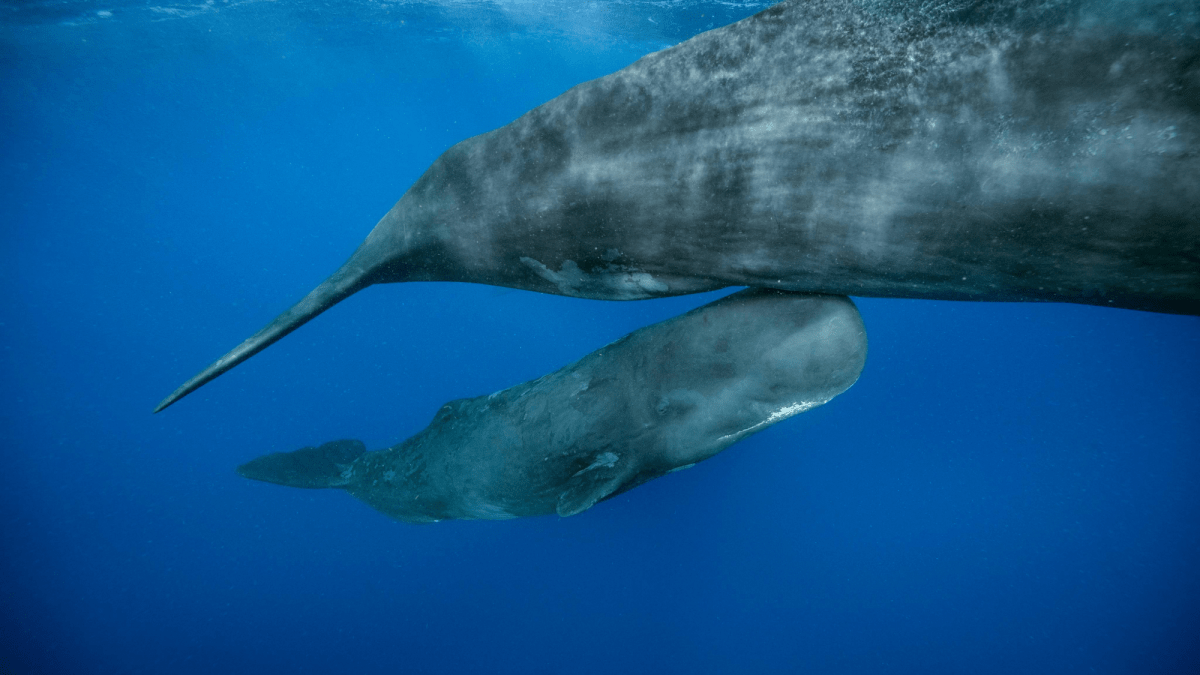
Dr. Gero noted that the atmosphere among the whales felt different, characterized by a sense of urgency and unusual social proximity. The team deployed aerial drones and underwater recording equipment to document the encounter. At approximately 2:00 PM, the delivery phase became visible. The researchers observed a "gush of blood" in the water, followed by the appearance of the calf’s head and eventually its flukes.
The active delivery phase lasted approximately 34 minutes from the first visible signs of the calf to the moment of complete emergence. In a display of coordinated social support, the adult females in the group immediately surrounded the mother, identified as a whale named Rounder. Within one minute of the birth, the adult females used their heads and backs to physically lift the newborn calf above the water’s surface, ensuring it could take its first breaths without inhaling seawater.
Two hours after the birth, the larger group began to disperse, leaving the newborn in the care of its mother, Rounder, its half-sister, Accra, and an aunt named Aurora. A follow-up observation conducted one year later confirmed that the calf had survived its first year—a critical milestone given the high mortality rates for young cetaceans facing threats from predators, ship strikes, and plastic pollution.
The Social Structure of Unit A
The birth event highlighted the complex matrilineal society that defines sperm whale life. Sperm whale families are typically composed of multiple generations of females—grandmothers, mothers, and daughters—who remain together for their entire lives. Young males usually depart the family unit during their teenage years to lead more solitary lives in colder, higher-latitude waters, returning to the tropics only to mate.

In the case of Unit A, the family consists of two distinct female lines: one led by a whale named Fruit Salad and another by Lady Oracle. Interestingly, while the society is female-centric, some younger males were present during this birth, providing a rare look at male involvement in family milestones.
The presence of both related and unrelated females during the birth underscores the "allomaternal" or "babysitting" culture of the species. By sharing the responsibilities of protection and physical support, the group increases the calf’s chances of survival. This communal approach to rearing is a cornerstone of sperm whale ecology, allowing mothers to dive deep for food while other family members remain at the surface to guard the calves.
Acoustic Breakthroughs and the Phonetic Alphabet
One of the most significant aspects of the July 2023 observation was the acoustic data captured during the labor and delivery. Project CETI is currently utilizing advanced machine learning and robotics to decipher sperm whale communication, which consists of rhythmic sequences of clicks known as "codas."
Throughout the birth, the team recorded a surge in vocal activity. These sounds included standard codas used for social identification but also featured novel variations. Researchers identified slower, elongated codas and specific sounds that resemble human "A" and "I" vowels, which the team has termed "coda-vowels."

Biologists believe these vocalizations serve several purposes during a birth:
- Social Bonding: Reaffirming the ties between family members during a high-stress event.
- Coordination: Signaling the need for physical intervention, such as the lifting of the calf.
- Identity Marking: Introducing the newborn to the specific "dialect" of its clan.
The vocalizations were so powerful they could be heard over hundreds of feet underwater. The researchers noted that nearby groups of short-finned pilot whales and Fraser’s dolphins likely heard the event, suggesting that a whale birth may act as a significant acoustic landmark in the local marine environment.
Evolutionary Context: The "Flukes-First" Mechanism
From a biological standpoint, the birth confirmed that sperm whales, like many other cetaceans, are often born in a manner that humans would consider "backwards." In the wild, whales are frequently born flukes (tail) first, though the July observation saw the head emerge in a way that required the mother to roll over to facilitate the process.
The "flukes-first" orientation is an evolutionary adaptation designed to prevent the calf from drowning. Since whales are mammals that must breathe air, if the head were to emerge first while the rest of the body was still in the birth canal, the calf might attempt to breathe while still submerged. By having the tail emerge first, the calf remains connected to the mother’s oxygen supply via the umbilical cord until the very last moment.

The coordinated "lifting" behavior observed by Project CETI has only been scientifically documented in three other toothed whale species: orcas, false killer whales, and beluga whales. This suggests that the instinct for communal midwifery may date back 34 million years to a common ancestor of these species, highlighting a deep-seated evolutionary trait of social cooperation among toothed whales.
Technological Integration in Modern Marine Biology
The success of this observation is a testament to the "high-tech" approach of modern marine science. Project CETI employs a multidisciplinary team of over 50 scientists, including roboticists, computer scientists, and linguists. By using aerial drones, the researchers were able to capture high-definition footage without disturbing the whales’ natural behavior—a significant improvement over older methods that required close-proximity boat follows.
The data gathered is currently being fed into machine learning models to better understand the "context" of whale speech. By matching specific physical actions (like the birth or the lifting of the calf) with specific acoustic sequences, researchers hope to eventually "translate" the sperm whale language.
Conservation Implications and Human Impact
The survival of the calf into its second year is a hopeful sign for a species currently listed as "Vulnerable" by the International Union for Conservation of Nature (IUCN). Sperm whales face a myriad of anthropogenic threats. In the waters off Dominica, heavy ship traffic from cruise lines and cargo vessels poses a constant risk of lethal strikes. Furthermore, the ingestion of ocean plastics and entanglement in "ghost" fishing gear remain leading causes of mortality for juveniles.
The detailed documentation of this birth provides conservationists with better data on the reproductive success rates of these animals. It also emphasizes the importance of protecting specific "nurseries" or calving grounds in the Caribbean.
Conclusion: A Message of Cooperation
For Dr. Gero and his team, the event was more than just a data point. It was a humbling reminder of the complexity of non-human societies. "I think fundamentally, the message that comes out of this is that cooperation and working together within a society is how we overcome unimaginable obstacles," Gero stated.
The birth of the Unit A calf stands as a landmark moment in cetology, bridging the gap between raw biological data and a deeper understanding of the cultural lives of whales. As Project CETI continues to analyze the acoustic and behavioral data from that July day, the world moves one step closer to understanding the voices and the lives of the giants that inhabit the deep.