



Yellowstone National Park, established on March 1, 1872, as the world’s first national park, remains a cornerstone of American conservation and a global symbol of geothermal wonder. Spanning approximately 2.2 million acres across Wyoming, Montana, and Idaho, the park attracts more than four million visitors annually. However, the intersection of massive human migration and a raw, untamed ecosystem inevitably leads to incidents of injury and, in rare cases, death. A comprehensive review of fatality reports spanning nearly two decades has provided a clearer picture of the risks associated with visiting this iconic landscape. Conducted by the Montana-based legal team Beck, Amsden, and Stalpes, the study analyzed fatalities occurring between 2007 and 2024, revealing that the primary threats to human life are often far more mundane than the grizzly bears or erupting geysers that dominate public imagination.
A Statistical Overview of Park Fatalities
According to the data compiled from National Park Service (NPS) records and freedom of information requests, a total of 75 deaths were confirmed within the boundaries of Yellowstone National Park during the 17-year study period. While every loss of life is significant, the figure represents a remarkably low fatality rate when measured against the roughly 60 million people who visited the park during that same timeframe. The data suggests that for the average tourist, Yellowstone is an exceptionally safe environment, provided basic safety protocols are observed.
The study categorized the causes of death into several distinct groups. Contrary to the sensationalized accounts of animal attacks often found in media, the leading cause of death was medical emergencies, which accounted for 18 fatalities. Motor vehicle accidents followed closely as the second most frequent cause, claiming 17 lives. Other causes included drowning and accidental falls, which combined for fewer than 10 deaths. Notably, incidents involving wildlife—specifically bears and bison—resulted in only three fatalities over the 17-year period. Perhaps most surprising was the park’s safety regarding violent crime; only one homicide was recorded during the entire duration of the study.
The Geography of Risk: Demographics and Timing
The demographic breakdown of those who perished in the park reveals a specific profile of vulnerability. The study found that approximately 75 percent of the deceased were men. Furthermore, age played a significant factor in mortality rates, with 57 percent of those who died being 45 years of age or older. This correlation between age and mortality aligns with the leading cause of death: medical emergencies. Many of these incidents involved cardiac events triggered by the park’s high altitude—which averages 8,000 feet above sea level—combined with the physical exertion of hiking or navigating rugged terrain.
In contrast, younger visitors were found to be at a significantly lower risk. Children and teenagers under the age of 14 accounted for only four percent of the total fatalities. This suggests that younger visitors are often more closely supervised or are more resilient to the physical stressors of the park’s environment.
The timing of these incidents also follows a predictable seasonal pattern. The vast majority of deaths occurred during the peak tourist season, which runs from May through October. July, the park’s busiest month, accounted for nearly 25 percent of all recorded tragedies. This concentration is attributed to the sheer volume of visitors, which increases the statistical likelihood of accidents, as well as the summer heat, which can exacerbate underlying medical conditions.
The Hidden Dangers: Traffic and Terrain
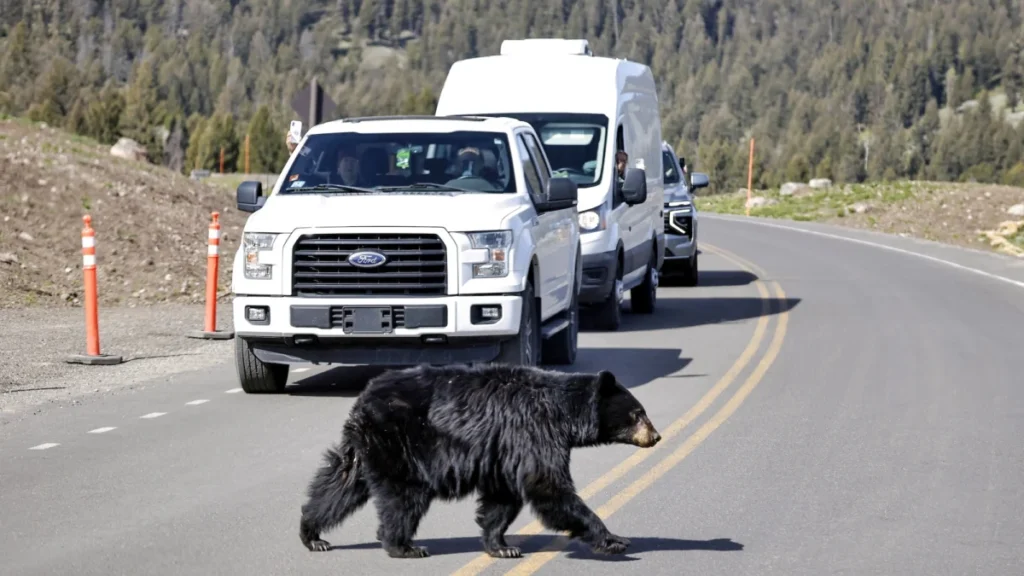
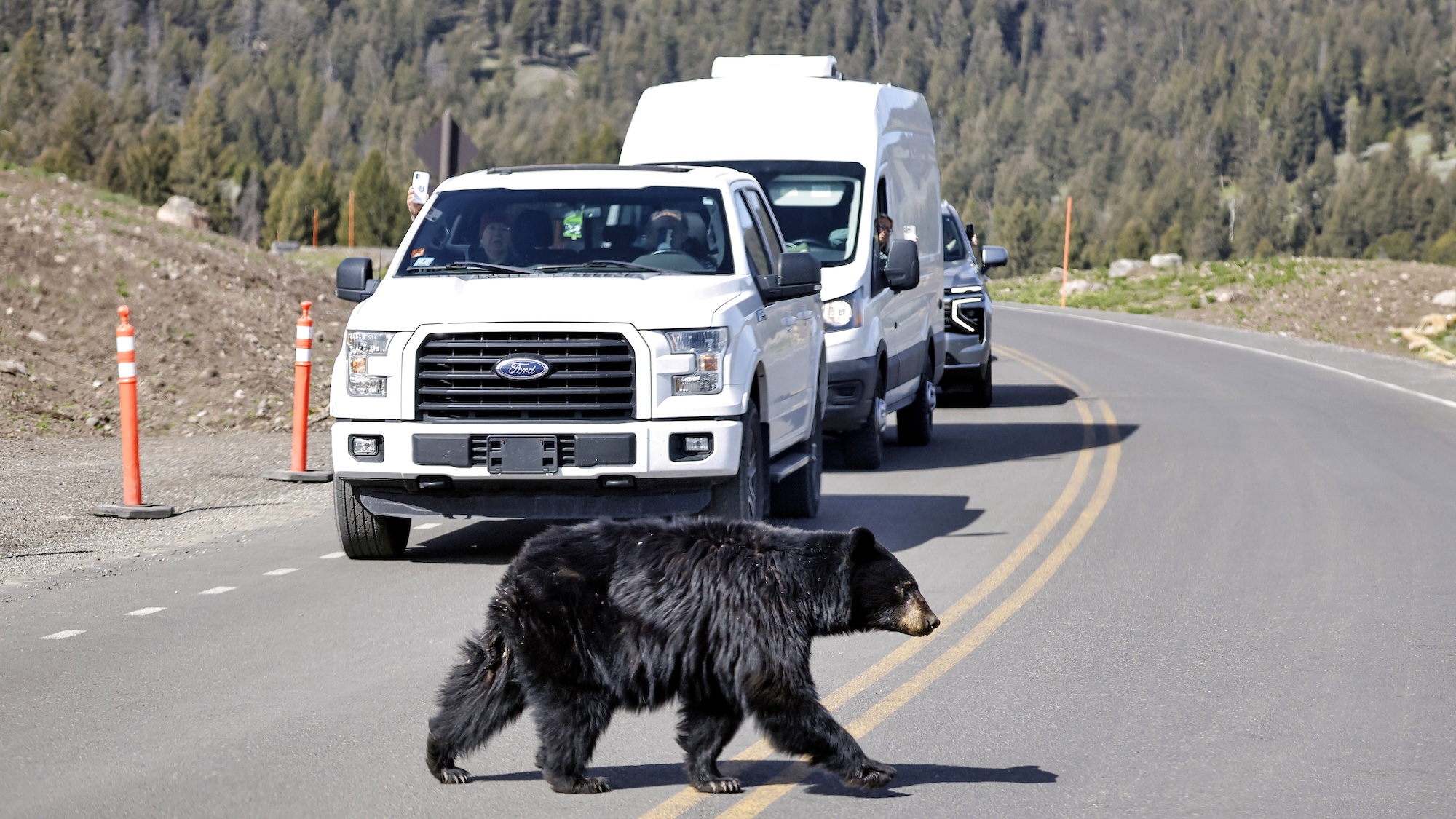
While many visitors enter the park with a healthy fear of apex predators, the study underscores that the most dangerous activity in Yellowstone is often the drive through it. With 17 deaths attributed to car crashes, the park’s roadways represent a significant hazard. The challenges of driving in Yellowstone are multifaceted: narrow, winding roads, frequent "wildlife jams" where traffic stops abruptly to view animals, and the distraction of the park’s breathtaking scenery all contribute to the risk of collisions.
Beyond the asphalt, the terrain itself presents silent dangers. Fifteen deaths were attributed to a combination of accidental falls, exposure to the elements, and unexpected medical crises occurring while on foot. Yellowstone’s backcountry is vast and unforgiving; a simple slip on a steep trail or a sudden drop in temperature can turn a routine hike into a life-threatening situation. The park’s thermal features, while mesmerizing, are also lethal. The 2016 death of a visitor in the Norris Geyser Basin serves as a grim reminder of the park’s geological power. In that instance, a man strayed from the designated boardwalk in search of a place to soak. He fell into a boiling, highly acidic spring. Due to the extreme chemical composition and temperature of the water, his body was completely dissolved within 48 hours, leaving behind only a few personal effects.
Perception vs. Reality: The Role of Wildlife
Public perception of Yellowstone is often dominated by the presence of grizzly bears, black bears, and bison. While these animals are powerful and potentially dangerous, the data shows they are responsible for a very small fraction of park deaths. With only three wildlife-related fatalities in 17 years, the risk of a fatal encounter is statistically negligible for visitors who maintain the required distances.
The National Park Service mandates that visitors stay at least 100 yards away from bears and wolves, and 25 yards away from all other wildlife, including bison and elk. Most injuries involving wildlife occur when visitors ignore these boundaries to take photographs or "selfies." Bison, in particular, are responsible for more injuries than any other animal in the park due to their deceptive appearance of lethality and their presence near high-traffic areas. However, as the study indicates, these injuries rarely result in death.
Institutional Response and Safety Protocols
The National Park Service has long recognized the inherent risks of managing a wild ecosystem that doubles as a major tourist destination. In response to the trends identified in fatality reports, the NPS has implemented rigorous safety campaigns. These include the "Yellowstone Pledge," a series of guidelines encouraging visitors to practice responsible behavior, and the widespread distribution of information regarding bear safety and the importance of carrying bear spray.
Official reactions to the data emphasize that while the park is a place of recreation, it is not a controlled environment. Park rangers and safety officials frequently point out that the infrastructure of the park—the boardwalks, marked trails, and paved roads—is designed specifically to mitigate the most common risks. When visitors bypass these safety measures, the probability of a fatal accident increases exponentially.
"The statistics show that the park is safe when its rules are respected," noted one safety analysis regarding the report. "The challenge lies in the ‘Disneyfication’ of nature, where visitors perceive the park as a theme park rather than a wild, functioning ecosystem with real hazards."
Broader Implications and Analysis
The findings of the Beck, Amsden, and Stalpes study have broader implications for how national parks are managed and how the public perceives wilderness. The data suggests that as the American population ages, national parks may need to increase their medical response capabilities. With a significant portion of deaths linked to cardiac events and medical emergencies among older men, the placement of automated external defibrillators (AEDs) and the availability of emergency medical technicians (EMTs) in remote areas become critical.
Furthermore, the study highlights the ongoing tension between accessibility and preservation. As park attendance continues to rise, the pressure on infrastructure grows. The high number of traffic-related deaths suggests a need for potential transit solutions or stricter traffic management during peak months to reduce congestion and distracted driving.
Ultimately, the analysis of Yellowstone fatalities serves as a vital tool for public education. By shifting the focus from rare, sensational events like bear attacks to more common risks like heart health and road safety, the study provides a roadmap for a safer visitor experience. Yellowstone remains a place where prehistoric bison roam and the earth breathes through steam vents—a landscape that demands respect. The 75 lives lost over the past 17 years are a somber testament to the park’s power, but they also offer lessons that can help ensure the millions who follow can enjoy the "benefit and enjoyment of the people" safely.