

The landscape of international travel is undergoing a philosophical shift as long-term explorers move away from quantitative metrics toward qualitative immersion. Benny Lewis, a prominent Irish polyglot and the founder of the language-learning platform Fluent in 3 Months, has announced a significant pivot in his 23-year nomadic career. Lewis is transitioning from the traditional "country-ticking" model—a practice where travelers aim to visit as many sovereign nations as possible—to a more granular "sub-national" approach. This new strategy involves visiting every state, province, and region within a country, a task that encompasses approximately 3,000 distinct administrative divisions globally.
Lewis, who has been traveling continuously since 2003, argues that the "country scoreboard" often incentivizes shallow engagement with local cultures. By prioritizing the total number of nations visited, travelers frequently optimize for speed, often seeing only capital cities or major tourist hubs before moving on. In contrast, Lewis’s revised mission emphasizes the "journey and the people," focusing on "slow travel" and linguistic integration to gain a deeper understanding of the world’s diverse territories.
The Quantitative Fallacy in Modern Travel
For decades, the benchmark for "world travelers" has been the number of sovereign states visited, often tracked via organizations like the Travelers’ Century Club or through popular consumer products like "scratch-off" world maps. Lewis notes that of the 51 countries he has visited, he feels he truly knows only about 40. The remaining ten were visited as part of what he describes as "collecting countries like Pokémon"—a pursuit of numbers rather than experiences.
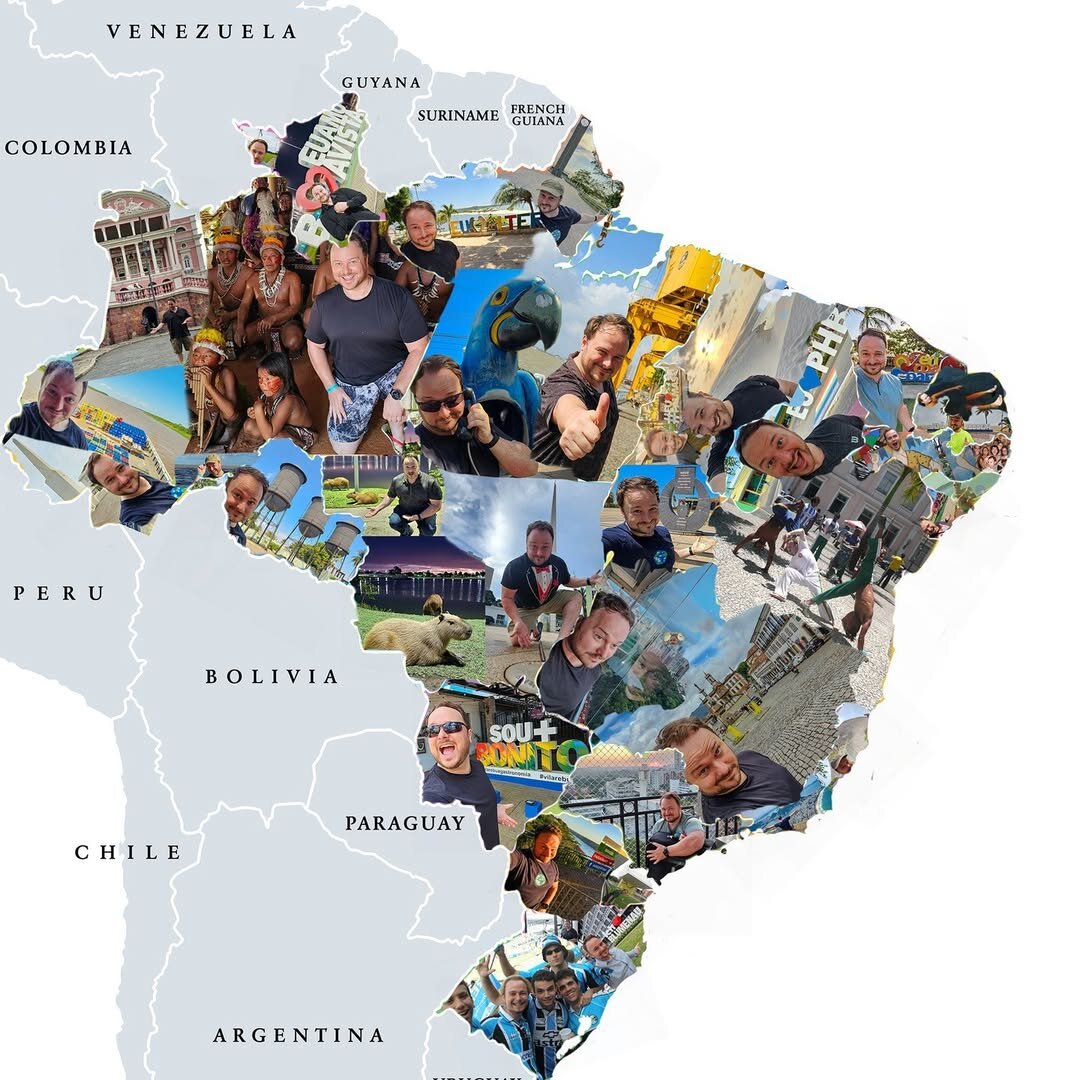
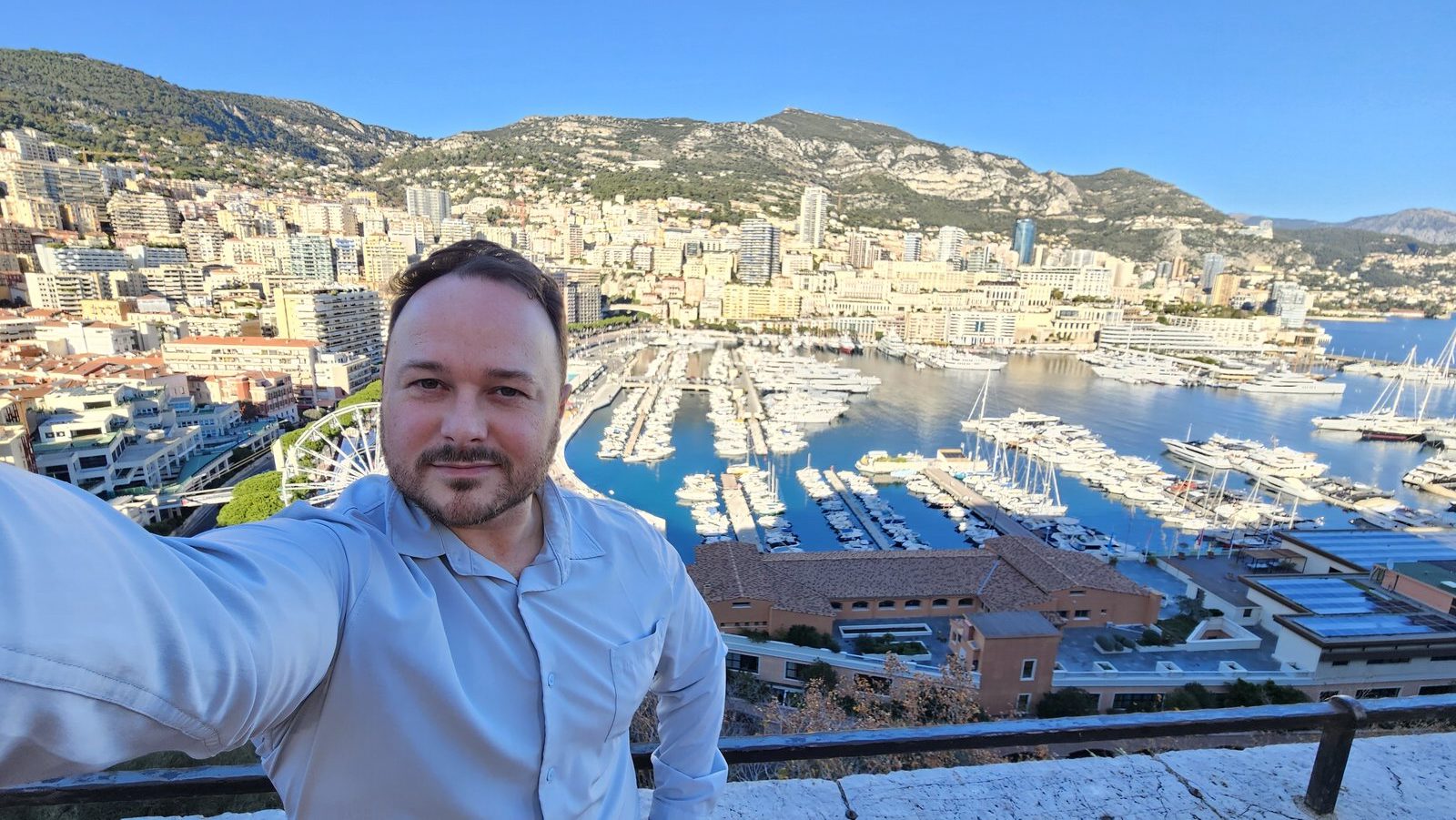
This quantitative approach often overlooks the immense geographical and cultural disparities between nations. For instance, under the country-counting metric, a visit to Monaco, which spans just 2.02 square kilometers, carries the same weight as a visit to Brazil, the world’s fifth-largest country. Lewis posits that this creates a "scoreboard" that rewards speed over substance, leading to what he calls "shallow travel," characterized by airport transfers, hotel breakfasts, and repetitive social media photography at iconic landmarks.
Industry analysts suggest that this shift reflects a broader trend in the travel sector toward "slow travel." As over-tourism affects major global cities, seasoned travelers are increasingly seeking "second-city" or rural destinations to find more authentic interactions and to mitigate the environmental and social impacts of concentrated tourism.
Case Study: The Twenty-Year Brazil Project
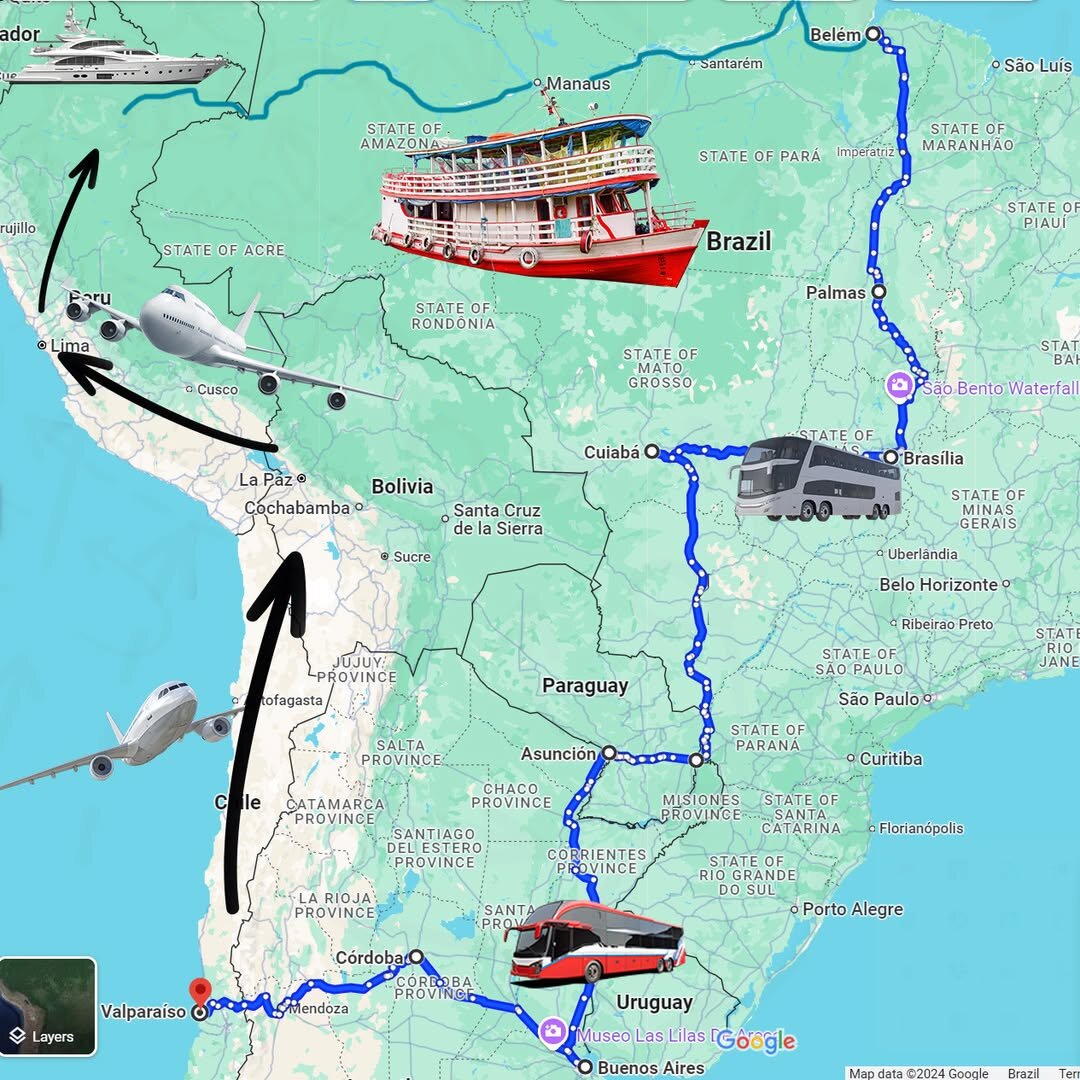
Lewis’s most comprehensive application of his new philosophy is his 20-year effort to visit every state in Brazil. Brazil consists of 26 states and one Federal District, covering a landmass larger than the contiguous United States. Lewis’s approach involved extensive overland travel, utilizing buses and riverboats rather than domestic flights to experience the transition between regions.
The logistical scale of this project highlights the disparity between "visiting a country" and "knowing a territory." Lewis documented a journey from the headwaters of the Amazon in Peru through the Brazilian rainforest to the Atlantic Ocean. This route took him through states such as Roraima, on the border of Venezuela and Guyana, and Acre, a region so remote that it is frequently the subject of Brazilian folklore regarding its perceived isolation.
By visiting all 26 Brazilian states, Lewis encountered environments that are rarely seen by international tourists. He reports that in many of these sub-national divisions, the lack of traditional tourism infrastructure allows for more genuine human connections. The use of the local language—Portuguese, in this instance—was cited as a critical factor in bridging the gap between a visitor and a resident, particularly in areas where foreign visitors are a rarity.
Chronology of a Nomadic Career: 2003 to Present
To understand the context of this shift, it is necessary to examine the timeline of Lewis’s two-decade journey:
- 2003: Lewis begins his nomadic lifestyle, initially focusing on language acquisition and moving between major European and South American cities.
- Early 2010s: The "Fluent in 3 Months" brand gains international prominence, establishing Lewis as a leading figure in the "polyglot" community and a proponent of "immersion-based" learning.
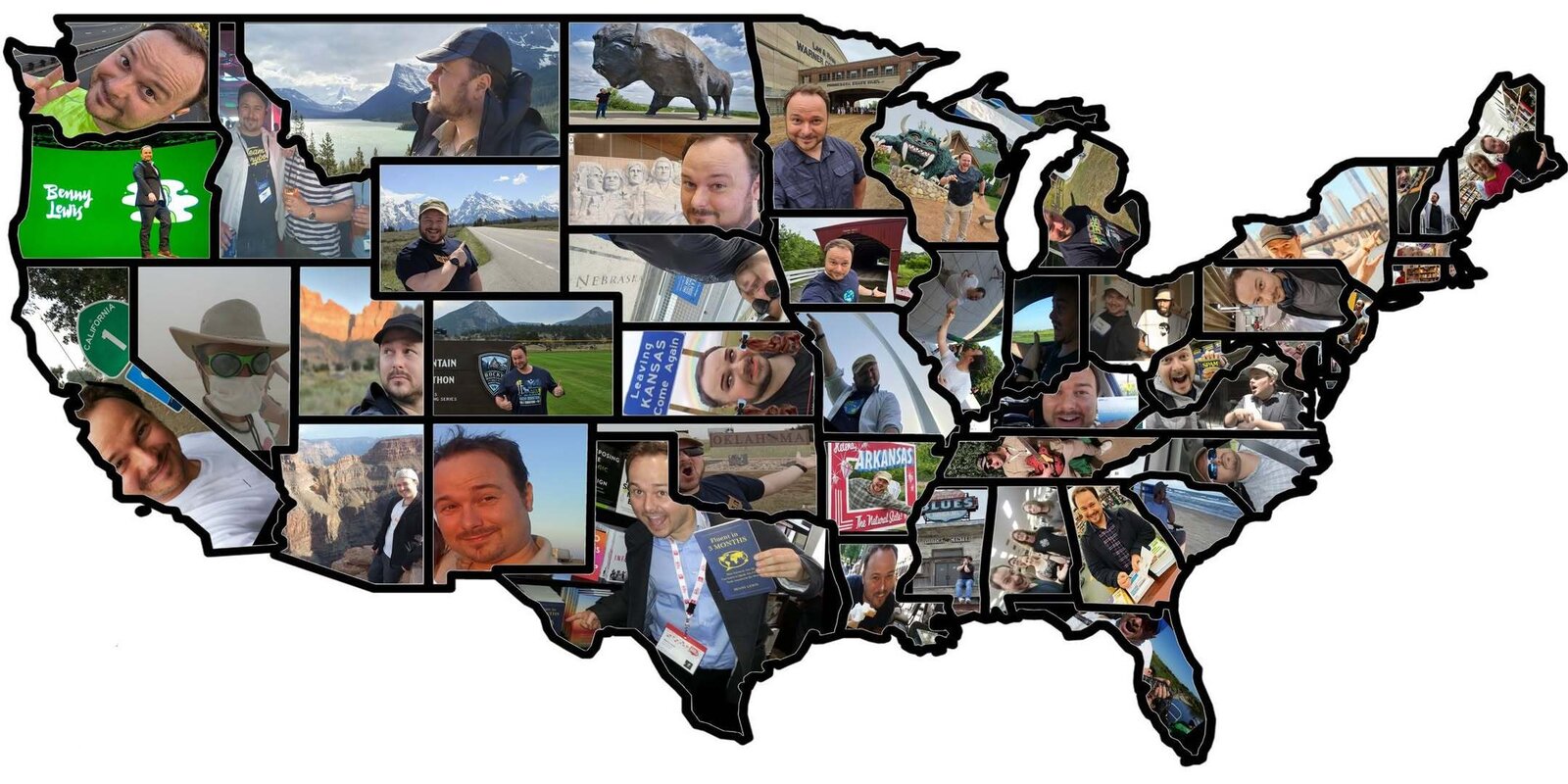
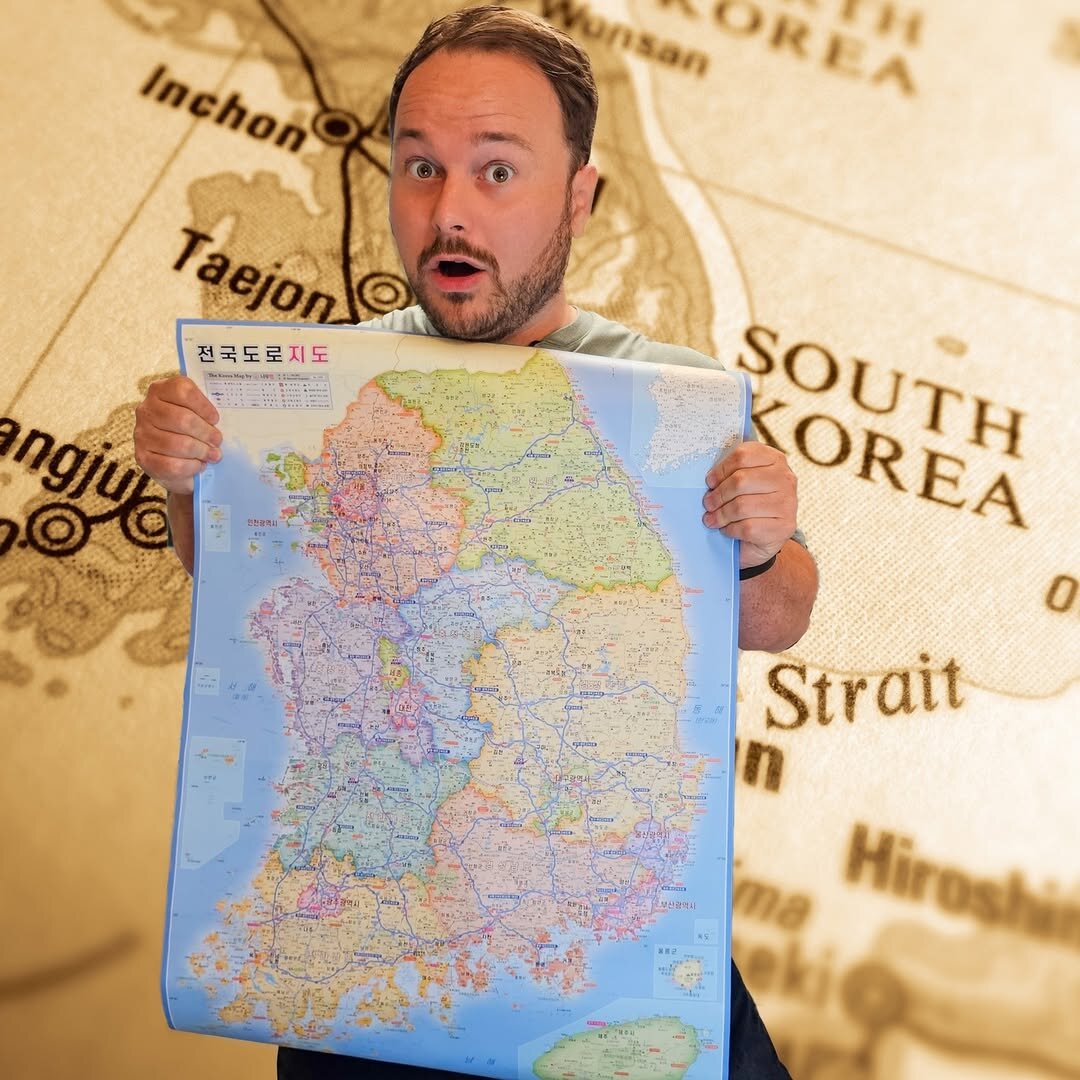
- 2015–2020: Lewis completes the contiguous 48 states of the United States and all provinces in South Korea. These milestones serve as the proof of concept for his sub-national travel model.
- 2024: After a period of relative digital silence, Lewis returns to public platforms to formalize his "every state" mission, moving away from sovereign state counts.
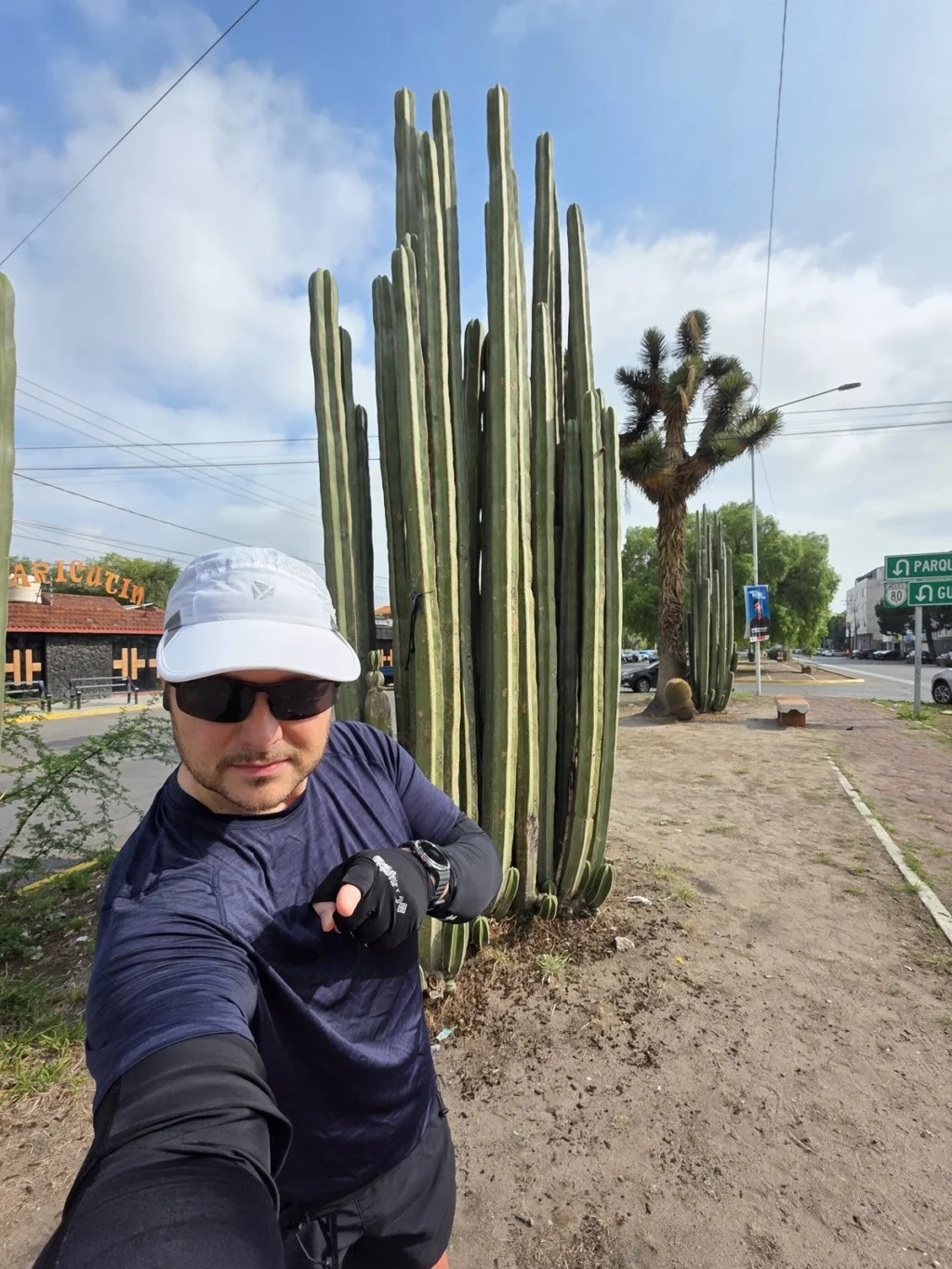
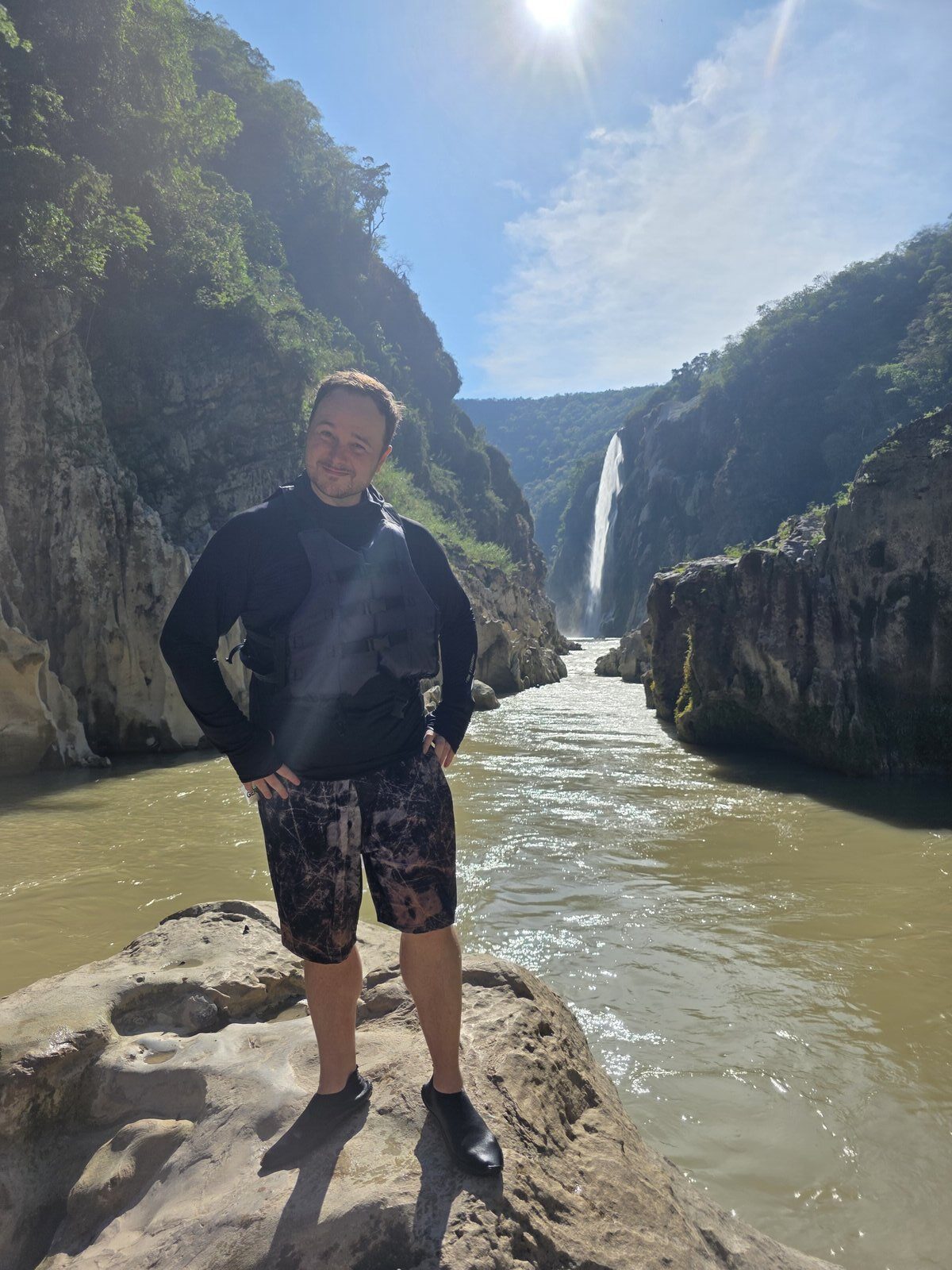
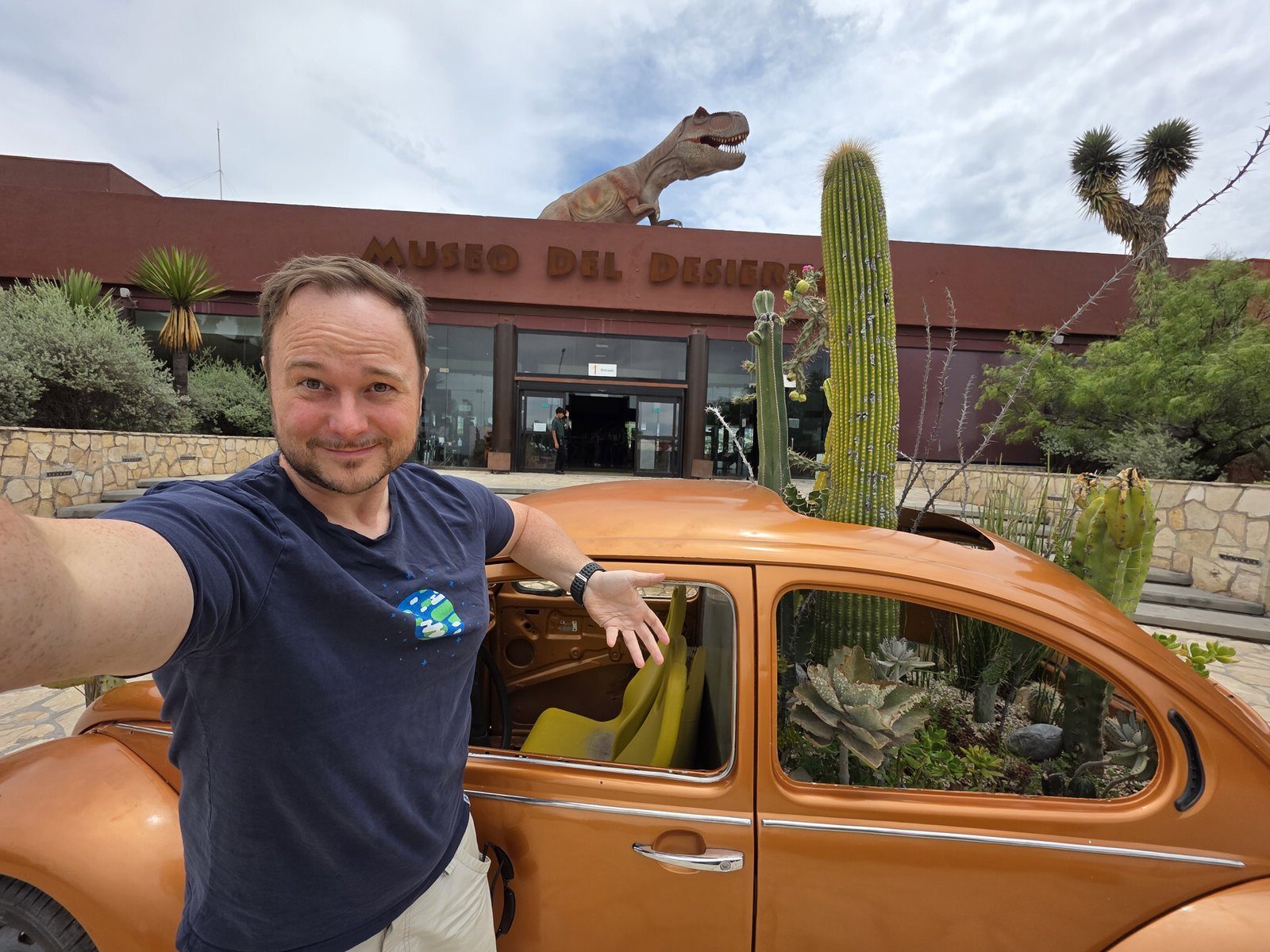
- Current (2025): Lewis is actively traversing Mexico. Having recently completed his 19th Mexican state, he is scheduled to reach his 20th of 31 states this month.
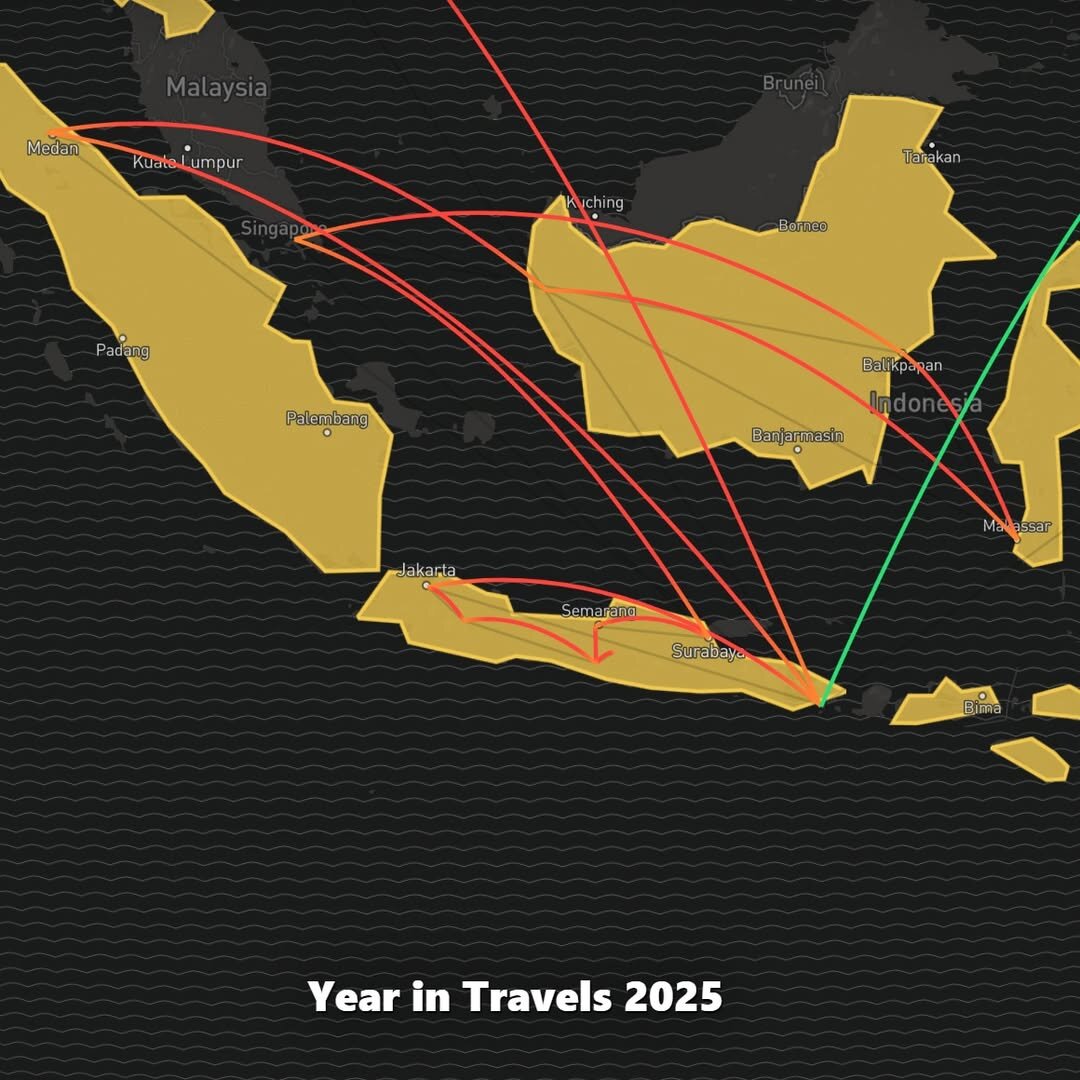
His recent travels in Indonesia also reflect this methodology. In 2024, he spent the majority of the year navigating the major islands of western Indonesia. This required proficiency in Indonesian (Bahasa Indonesia) to manage the logistics of inter-island travel and to engage with communities outside the primary tourism hubs of Bali and Jakarta.
Economic and Practical Logistics of Deep Travel
The transition to sub-national exploration is not without its challenges. Lewis acknowledges that his ability to maintain this lifestyle is predicated on his status as a "digital nomad." Working online and earning in a strong currency allows him to leverage geographic arbitrage, where the cost of living in many of his target regions is significantly lower than in Western Europe or North America.
Furthermore, Lewis’s lifestyle is defined by extreme minimalism. He travels with all his worldly possessions in a single suitcase, avoiding the financial burdens of rent, mortgages, or property maintenance. This mobility is essential for "slow travel," as it allows him to stay in a single state for several weeks or months without the pressure to return to a home base.
However, Lewis also highlights the impact of global economic trends on travel. He notes that he completed much of his travel in the United States before the current era of high inflation, suggesting that the "window of opportunity" for affordable long-term travel in developed nations may be narrowing. This economic reality further incentivizes travel to less-frequented regions within developing nations, where costs remain manageable for those working remotely.
The Role of Language in Sub-National Integration
A central tenet of Lewis’s travel philosophy is the rejection of English-centric tourism. As a polyglot who speaks over ten languages, including Spanish, Portuguese, Mandarin, and Indonesian, he argues that deep travel is impossible without linguistic effort.
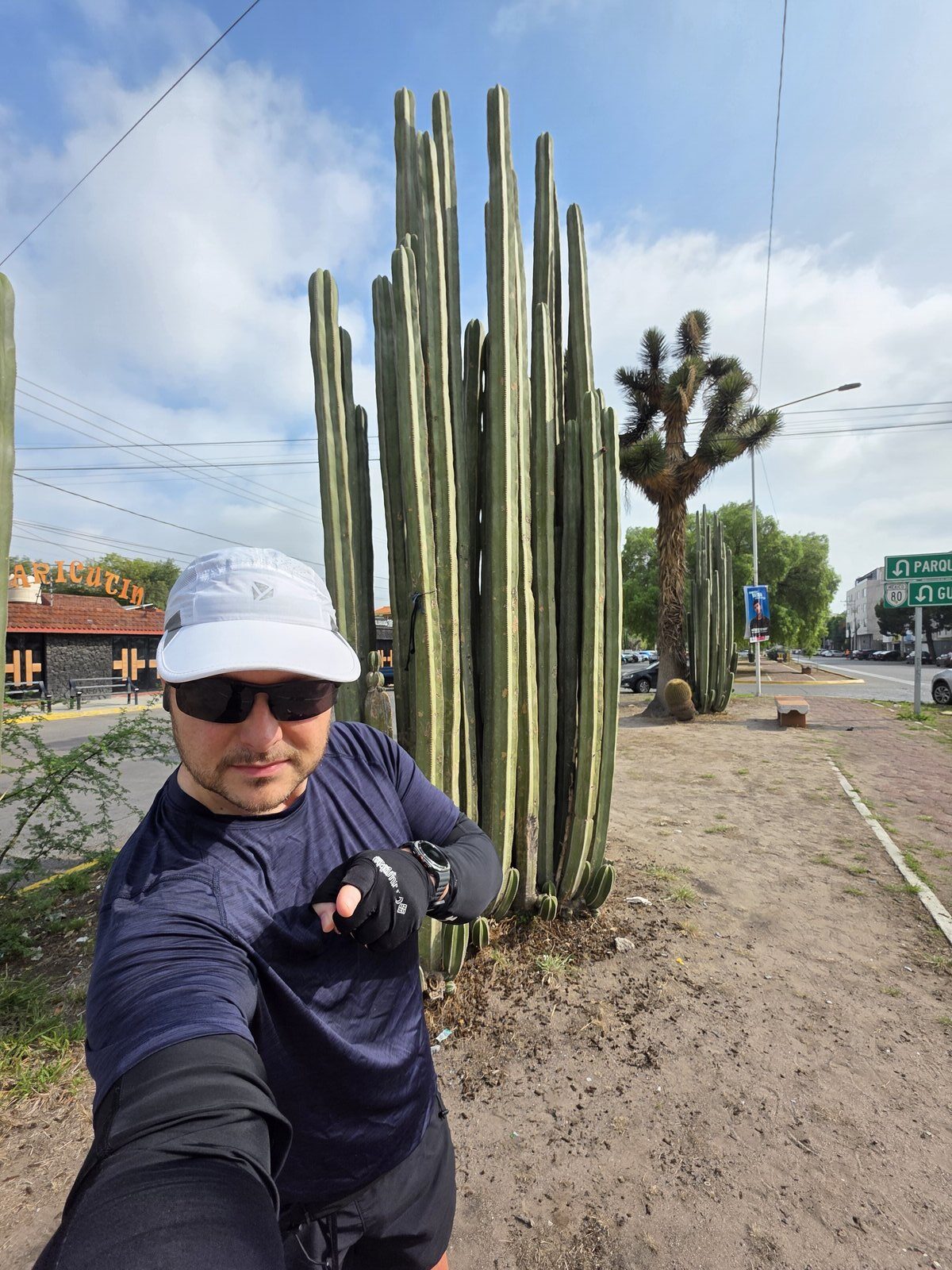
In a recent dispatch from San Luis Potosí, Mexico, Lewis described the difference between tourist-heavy zones and "real" places. By visiting a local café daily and speaking Spanish, he was able to establish a rapport with the owners that transcended the typical service-provider relationship. "They were very surprised to meet an Irish guy in their city and very curious to chat," Lewis noted, contrasting this with the "overwhelmed" nature of residents in high-traffic tourist areas like Cancún or Mexico City.
This observation aligns with sociological studies on "host-guest" relations in tourism. When travelers approach a destination as a "tick on a map," they are often perceived as consumers. When they approach as a student of the local language and a long-term visitor to a specific province, the dynamic shifts toward mutual curiosity and cultural exchange.
Broader Implications for the Travel Industry
The shift toward sub-national goals like the "3,000 dots on the map" suggests a new frontier for the travel industry. If more influencers and travelers adopt this mindset, the implications for global tourism could be significant:
- De-concentration of Tourism: By encouraging visitors to see every province rather than just the capital, there is a potential for a more equitable distribution of tourism revenue across a country’s geography.
- Sustainability: Slow travel, often involving buses, trains, and longer stays, generally has a lower carbon footprint per day compared to "country hopping" via frequent short-haul flights.
- Cultural Preservation: Deep travel incentivizes the preservation of local dialects and traditions that might otherwise be homogenized by the demands of mass international tourism.
While Lewis admits that he will likely never finish visiting all 3,000 regions—stating that he would "need to live to be really old for that"—he maintains that the completion of the goal is secondary to the quality of the journey. This perspective challenges the "achievement-unlocked" culture of modern travel, proposing instead that the value of exploration lies in the depth of the encounter rather than the breadth of the map.
Future Outlook: Practicality Over Glamour
As Lewis continues his journey through Mexico and beyond, he has signaled an intention to pivot his content toward the "unglamorous, practical" side of nomadism. This includes the logistics of social integration in unfamiliar cities and the technicalities of "one-suitcase" living.
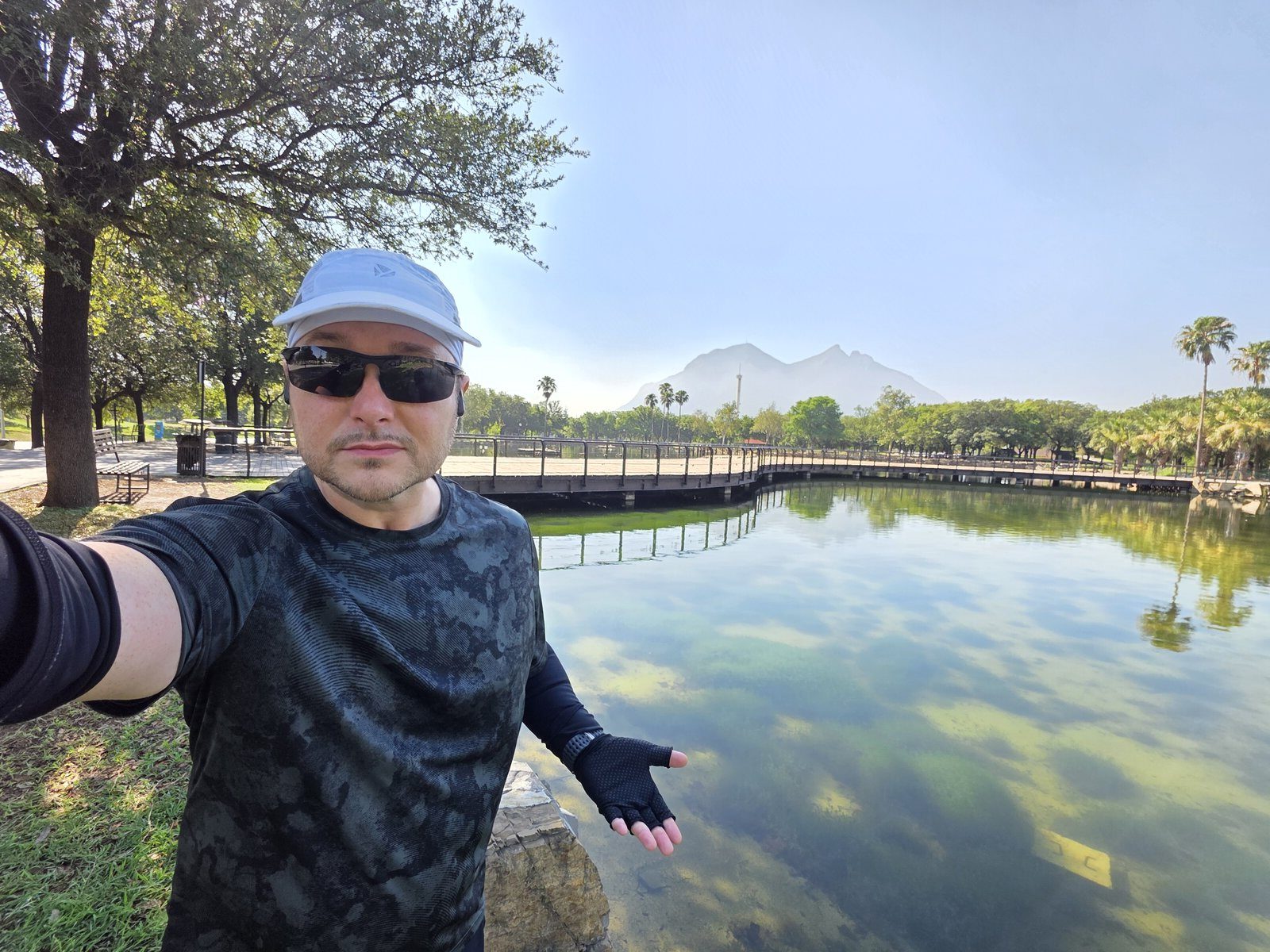
This move toward transparency is seen as a response to the often-idealized version of nomadic life presented on social media. By focusing on the challenges of loneliness, the necessity of routine, and the hard work of language learning, Lewis aims to provide a more realistic framework for those looking to follow a similar path. His upcoming work is expected to bridge the gap between "language hacking" and "life hacking," positioning deep travel as a tool for personal growth and global understanding in an increasingly fragmented world.