



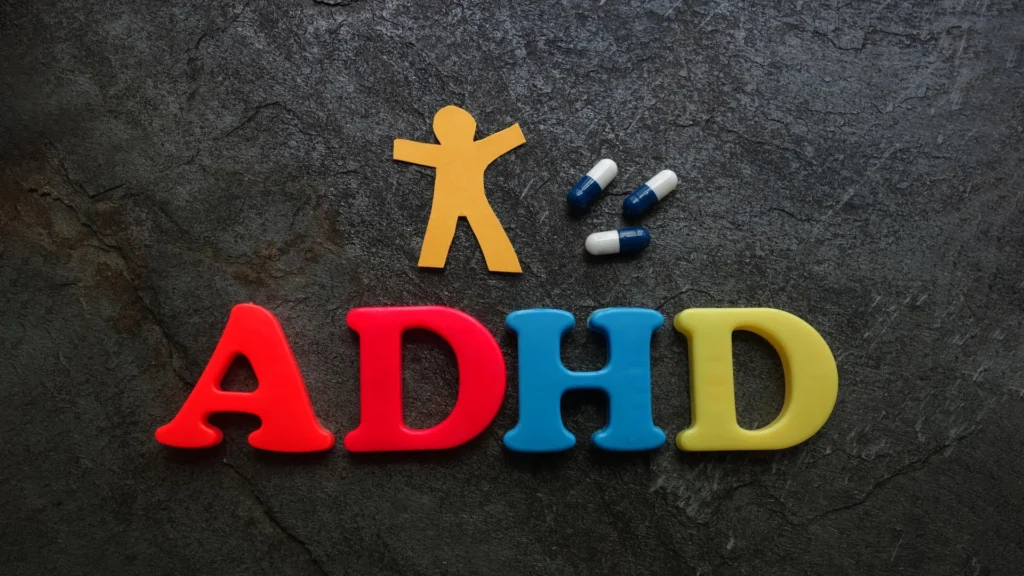
The critical finding, published on August 29 in JAMA Network Open, underscores a pervasive issue in the medical management of 4- and 5-year-olds diagnosed with ADHD. According to long-standing and evidence-based treatment guidelines from the American Academy of Pediatrics (AAP), these young patients and their families should embark on a six-month course of behavior therapy as the primary intervention before the consideration of ADHD medication. However, the comprehensive analysis of nearly 10,000 medical records revealed a stark departure from this recommendation, with pediatricians frequently resorting to immediate pharmacological intervention upon diagnosis.
"Our investigation uncovered that a substantial proportion of very young children are being prescribed medications remarkably soon after their ADHD diagnosis is formally documented," stated Dr. Yair Bannett, the study’s lead author and an assistant professor of pediatrics. "This trend is deeply concerning, particularly given the well-established benefits of initiating ADHD treatment with a behavioral approach, which has been shown to yield profound positive effects not only on the child’s development but also on the overall family dynamic."
Beyond the contravention of guidelines, the study highlights physiological considerations unique to this age group. Stimulant medications, commonly prescribed for ADHD, are known to induce a higher incidence and severity of side effects in younger patients compared to their older counterparts. Dr. Bannett explained that children under the age of six possess developing metabolic systems that do not fully process these drugs, leading to increased sensitivity. While the study did not raise concerns about the long-term toxicity of these medications in preschoolers, it did point to a higher likelihood of treatment discontinuation due to families perceiving the side effects—such as heightened irritability, emotional lability, and aggressive behaviors—as outweighing the therapeutic benefits.
ADHD, a prevalent neurodevelopmental disorder, manifests through a persistent pattern of hyperactivity, challenges with attention span, and impulsive behaviors. Early and effective intervention is paramount due to the significant long-term implications of untreated ADHD. Dr. Bannett emphasized, "Catching ADHD early is crucial because these children face an elevated risk of academic difficulties and school dropout." Research consistently demonstrates that timely identification and appropriate treatment significantly enhance academic performance and prepare individuals with ADHD for successful transitions into adulthood, encompassing areas such as maintaining employment, fostering stable relationships, and navigating legal frameworks without complications.
The Evolution of ADHD Treatment Guidelines
The understanding and treatment of ADHD have undergone a significant evolution over the past several decades. Historically, pharmacological interventions, particularly stimulant medications, gained prominence in managing symptoms. However, as research advanced, a more nuanced approach emerged, recognizing the complex interplay of biological, psychological, and social factors in ADHD. The American Academy of Pediatrics, a leading authority on child health, has been instrumental in shaping evidence-based guidelines to ensure optimal care for children with ADHD.
The AAP’s recommendations for preschoolers (ages 4-5) represent a deliberate shift towards non-pharmacological first-line treatment. These guidelines, first articulated and periodically updated, are rooted in extensive clinical trials and meta-analyses demonstrating the efficacy and safety profile of parent training in behavior management (PTBM). The decision to prioritize behavioral therapy for this specific age group stems from several key considerations: the aforementioned susceptibility to medication side effects, the potential for behavioral interventions to build foundational coping skills, and the desire to empower families with tools that transcend symptomatic relief. The six-month behavioral therapy trial period is designed to allow ample time for families to implement strategies and for the child to show improvement before introducing medication, which carries its own set of considerations.
Unpacking Complementary Treatments: Behavioral Therapy vs. Medication
The two primary modalities for ADHD treatment—behavioral therapy and medication—serve distinct yet complementary purposes. Dr. Bannett elaborated on these differences, highlighting that "behavioral treatment fundamentally targets the child’s environment, focusing on the parents’ actions and the established routines within the child’s life." This therapeutic approach is designed to equip both parents and children with practical skills and habits that are conducive to managing the unique cognitive and behavioral patterns associated with ADHD.
The evidence-based behavioral treatment endorsed by the AAP is specifically known as parent training in behavior management (PTBM). This structured training empowers parents to cultivate robust, positive relationships with their children, provides concrete guidance on reinforcing desirable behaviors while strategically addressing negative ones, and introduces practical tools to aid children with ADHD. Examples include the creation of visual schedules to enhance organization, consistent implementation of reward systems, and the establishment of clear, predictable routines. The underlying philosophy of PTBM is to foster a supportive and structured environment where children can learn self-regulation, improve executive function skills, and develop adaptive coping mechanisms that are crucial for long-term success.
In contrast, medication, particularly stimulant drugs, functions by directly influencing neurotransmitter activity in the brain to alleviate core ADHD symptoms such as hyperactivity, impulsivity, and inattention. Its effects are typically rapid but temporary, diminishing as the body metabolizes each dose. While highly effective for symptom reduction, medication does not, by itself, teach skills or alter environmental factors that contribute to behavioral challenges.
For the vast majority of children with ADHD, a multimodal approach incorporating both behavioral therapy and medication is often necessary for optimal outcomes, especially as children age. However, for preschoolers diagnosed at ages 4 or 5, prior research consistently indicates that commencing with six months of behavioral treatment prior to considering medication yields superior results and minimizes potential adverse effects. This sequential approach allows for a trial of non-pharmacological methods, reserving medication for cases where behavioral interventions alone are insufficient or for children whose symptoms are particularly severe and impairing from the outset.
The Stanford Study: Methodology, Data, and Discrepancies
The Stanford Medicine-led research team meticulously analyzed electronic health records (EHRs) from children receiving care at primary care practices affiliated with eight prominent U.S. academic medical centers. The initial dataset comprised 712,478 records of children aged 3, 4, or 5 who had at least two primary care visits over a minimum six-month period between 2016 and 2023.
From this extensive cohort, the scientists identified 9,708 children who received an ADHD diagnosis, representing approximately 1.4% of the initial sample. The most striking finding was that a staggering 42.2% of these diagnosed children—exceeding 4,000 individual cases—were prescribed medication within a mere month of their ADHD diagnosis being recorded. This figure stands in stark contrast to the 14.1% of children with ADHD who received their first medication prescription more than six months after diagnosis, a timeframe more aligned with guideline recommendations.
A significant limitation of the study was the inability to directly access data on referrals to behavioral therapy within the electronic health records. However, given that young children are expected to undergo six months of therapy alone before medication is introduced, any prescription issued sooner strongly suggests non-adherence to the AAP guidelines. This inference is further supported by a smaller, complementary study published in 2021, which indicated that only 11% of families actually received behavioral therapy in line with established guidelines.
The study also delved into diagnostic nuances. Children who received a formal, definitive diagnosis of ADHD were more likely to be prescribed medication within the initial 30 days compared to those whose medical charts initially noted ADHD symptoms with a formal diagnosis occurring later. Yet, even among preschoolers who did not initially meet the full diagnostic criteria for the condition, a notable 22.9% still received medication within 30 days, further underscoring the pervasive tendency towards early pharmacological intervention.
Barriers to Guideline Adherence: A Systemic Challenge
The study’s reliance on electronic medical records meant researchers could not directly ascertain the rationale behind individual physicians’ treatment decisions. However, Dr. Bannett’s team engaged in informal discussions with physicians outside the study’s scope to gather qualitative insights into their prescribing patterns.
"One critical factor that consistently emerged in these conversations was the profound issue of access to behavioral treatment," Dr. Bannett revealed. This access barrier manifests in multiple forms: geographical disparities, where certain locales, particularly rural areas, possess a scarcity or complete absence of qualified therapists specializing in parent training in behavior management; and financial hurdles, where patients’ insurance plans may offer inadequate coverage or impose prohibitively high out-of-pocket costs for behavioral therapy. Physicians often expressed a dilemma: "We simply do not have suitable referral options for these families seeking behavioral management training. Therefore, when weighing the perceived benefits against the risks, we often conclude that offering medication is preferable to offering no treatment whatsoever."
This "something is better than nothing" mentality, while understandable from a physician’s perspective, inadvertently perpetuates a cycle of non-adherence to guidelines and potentially suboptimal care for young children. The shortage of trained therapists, coupled with the complexities of insurance reimbursement, creates a systemic bottleneck that funnels patients towards the more readily available, albeit often second-line, pharmacological option.
Broader Implications: Patient Outcomes, Healthcare System, and Policy
The findings of this Stanford Medicine-led study carry significant implications across several domains, from individual patient outcomes to the broader healthcare landscape and public health policy.
Impact on Child Development and Outcomes: Prioritizing medication over behavioral therapy for preschoolers could potentially compromise the development of crucial self-regulation and coping skills that are best fostered through structured behavioral interventions. While medication can alleviate symptoms, it does not teach these fundamental life skills. Relying solely on medication from an early age might lead to a dependence on pharmacological solutions rather than empowering children and families with sustainable behavioral strategies. Furthermore, the higher incidence of side effects in young children could lead to early treatment discontinuation, leaving children without effective management and potentially exacerbating their challenges.
Strain on the Healthcare System: The rapid prescription of medication without an initial trial of behavioral therapy could contribute to increased healthcare costs. This includes expenses related to medication trials, managing side effects, and potentially subsequent visits to adjust dosages or switch medications if the initial treatment is not well-tolerated or effective. Had behavioral therapy been implemented first, a subset of children might have achieved sufficient symptom control without needing medication, or with a lower dose, thus optimizing resource utilization.
Ethical and Professional Considerations: The consistent deviation from AAP guidelines raises questions about the dissemination and implementation of evidence-based practices within the pediatric community. It highlights a potential disconnect between expert recommendations and real-world clinical practice, calling for renewed efforts in continuing medical education and clinical decision support tools for pediatricians.
Health Equity and Disparities: The access barriers to behavioral therapy disproportionately affect vulnerable populations, including low-income families and those residing in underserved areas. If access to the recommended first-line treatment is limited by socioeconomic status or geographic location, it exacerbates existing health disparities, ensuring that only certain segments of the population receive guideline-concordant care.
Calls for Action and Pathways Forward
The study serves as a clarion call for multifaceted interventions aimed at bridging the gap between clinical guidelines and actual practice. Dr. Bannett expressed hope that the study would galvanize efforts to educate primary care pediatricians on practical strategies to overcome these systemic barriers.
Enhancing Access to Behavioral Therapy:
- Telehealth and Online Resources: As Dr. Bannett suggested, leveraging free or low-cost online resources can significantly expand parents’ access to principles of the behavioral approach. Telehealth platforms can connect families in underserved areas with qualified therapists, circumventing geographical limitations.
- Integrated Care Models: Integrating behavioral health specialists directly into pediatric primary care practices could streamline referrals and improve coordination of care. This "warm hand-off" model can reduce barriers related to finding a therapist and navigating complex referral systems.
- Policy and Funding Initiatives: Advocating for policies that mandate better insurance coverage for behavioral therapy and increasing funding for training more child behavior specialists are crucial long-term solutions. Initiatives aimed at expanding the behavioral health workforce are essential to address the current shortage.
Empowering Pediatricians:
- Education and Training: Providing pediatricians with enhanced training on screening for ADHD, understanding the nuances of behavioral therapy, and navigating referral networks can improve guideline adherence.
- Clinical Decision Support: Implementing electronic health record-based alerts or decision support tools that remind physicians of AAP guidelines for preschoolers could help standardize practice.
- Collaboration: Fostering stronger collaborative relationships between primary care pediatricians and behavioral health specialists is vital for a holistic approach to ADHD management.
It is important to note that while the Stanford study focused on the youngest ADHD patients, the principles of behavioral management therapy remain highly beneficial for older children with the diagnosis as well. "For children aged 6 and above, the recommendation shifts to a combination of both treatments, precisely because behavioral therapy imparts long-term skills to the child and family that will serve them throughout their lives," Dr. Bannett emphasized. "Medication, while effective for symptom control, does not achieve this, reinforcing our view that medication should never be considered the sole solution for ADHD."
This seminal work was a collaborative effort, with researchers contributing from prestigious institutions including the Children’s Hospital of Philadelphia, the Perelman School of Medicine at the University of Pennsylvania, Nationwide Children’s Hospital, The Ohio State University College of Medicine, Cincinnati Children’s Hospital Medical Center, University of Cincinnati College of Medicine, Texas Children’s Hospital, Baylor College of Medicine, Ann and Robert H. Lurie Children’s Hospital of Chicago, the University of Colorado, and Nemours Children’s Hospital.
The research received vital financial backing from the Stanford Medicine Maternal and Child Health Research Institute, the National Institute of Mental Health (grant K23MH128455), and the National Heart, Lung, and Blood Institute (grant K23HL157615). The study was meticulously conducted utilizing PEDSnet, a Pediatric Clinical Research Network, which itself was developed with funding from the Patient-Centered Outcomes Research Institute, underscoring the collaborative and well-supported nature of this impactful investigation into pediatric ADHD care. The findings unequivocally underscore the urgent need for systemic changes to ensure that all young children with ADHD receive care that aligns with the best available evidence and established clinical guidelines.