



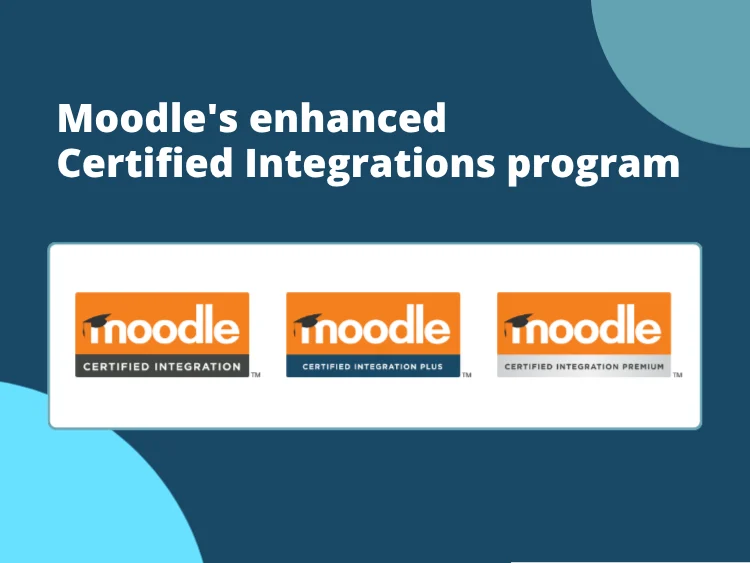
Moodle, the world’s leading open-source learning platform, has significantly upgraded its Certified Integrations program, introducing a new cohort of trusted third-party tools, a refined tier structure, and an amplified commitment to empowering educators and organizations to build robust and reliable learning environments. This strategic enhancement aims to address the growing need for dependable integrations within the dynamic landscape of educational technology, ensuring users can confidently connect Moodle with the diverse array of tools and platforms essential for modern learning experiences.
The core philosophy behind Moodle has always been to provide a flexible and adaptable learning environment that caters to the unique requirements of its users. Integrations play a pivotal role in this vision, enabling seamless connections to the tools learners use daily, the organizational platforms in operation, and the innovative learning experiences educators strive to create. However, the proliferation of third-party tools has presented a significant challenge: discerning which integrations are technically sound, compatible with specific Moodle versions, and poised for long-term support. The revamped Certified Integrations program directly confronts this challenge by establishing a rigorous vetting process and clear certification tiers, offering a much-needed layer of assurance.
The Rigorous Foundation of Moodle Certification
At the heart of the enhanced program lies a commitment to quality assurance. Every integration that achieves Moodle Certified status undergoes a comprehensive and stringent review process, meticulously conducted by Moodle’s own product experts. This in-depth assessment scrutinizes integrations across multiple critical dimensions: quality, security, compatibility, performance, and user experience.
For educators and administrators, this means a substantial reduction in the time and effort previously required to vet potential tools. They can now approach the selection of integrated solutions with a higher degree of confidence, knowing that these offerings have met Moodle’s exacting standards. This not only streamlines the implementation of new technologies but also minimizes the risk of encountering technical glitches, security vulnerabilities, or compatibility issues that could disrupt the learning process.
Simultaneously, the program provides significant benefits to the technology providers developing these integrations. Earning Moodle Certified status grants them enhanced visibility within one of the world’s largest open-source learning communities. It bestows credibility and a valuable endorsement from Moodle itself, bolstering their reputation and market reach. Furthermore, it opens doors to deeper engagement and collaboration with Moodle users and partners, fostering innovation and continuous improvement.
Scott Anderberg, CEO of Moodle, articulated the driving force behind this initiative: "We built this program because we kept hearing the same thing from users – they wanted to extend Moodle but didn’t know where to start or who to trust. Certified Integrations is our answer to that. It’s how we put our name behind the tools we believe in." This statement underscores Moodle’s dedication to actively supporting its community and addressing their evolving needs through trusted technological partnerships.
A Tiered Approach for Diverse Needs
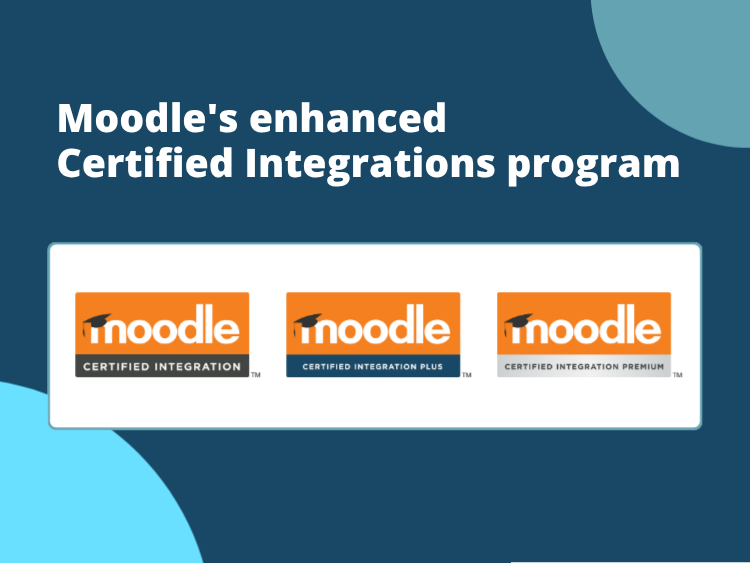
Recognizing that integrations exist at various stages of development and offer different levels of functionality and support, Moodle has introduced a three-tiered structure to its certification program. This tiered system ensures that the certification accurately reflects the integration’s maturity, capabilities, and the support commitment from its provider.
-
Certified Integration: This foundational tier signifies that an integration has undergone technical vetting and certification by Moodle. These tools meet Moodle’s established standards for compatibility, security, and reliability, ensuring they function as expected with the Moodle platform. This tier provides a baseline assurance for users seeking dependable, well-tested integrations.
-
Certified Integration Plus: Moving beyond the basic technical verification, integrations in this tier have not only been technically vetted and certified by Moodle but also offer additional services designed to enhance the user experience. This could include more proactive support, specialized training materials, or advanced features that further enrich the learning environment. This tier is ideal for institutions seeking a more integrated and supported solution.

-
Certified Integration Premium: Representing the highest level of certification, Premium Integrations are developed by companies with a proven global reach and an extensive track record of successful deployments. These integrations demonstrate deep technical alignment with Moodle LMS and deliver the utmost in performance and ongoing support. This tier is geared towards organizations requiring enterprise-grade solutions with guaranteed uptime, comprehensive service level agreements (SLAs), and a strategic partnership with the integration provider.
This tiered approach allows organizations to select integrations that best align with their specific needs, technical capabilities, and budget constraints, providing a scalable pathway for enhancing their Moodle environments.
Notable Integrations and Future Prospects
The enhanced program already boasts a strong lineup of trusted partners. BigBlueButton, a leading open-source web conferencing system for online learning, has been recognized with Certified Integration Premium status and was recently honored as the Certified Integration of the Year. BigBlueButton’s integration brings real-time video conferencing, interactive whiteboards, and screen-sharing capabilities directly into Moodle courses, significantly enhancing synchronous online learning experiences. Its consistent performance and deep integration with Moodle underscore its premium status.
Moodle is also delighted to welcome ReadSpeaker and SMOWL to the Certified Integration Plus tier. This recognition highlights their sustained commitment to delivering high-quality, accessible, and engaging learning experiences for Moodle users. ReadSpeaker’s suite of text-to-speech and speech-to-text solutions can significantly improve accessibility for learners with diverse needs, while SMOWL offers advanced proctoring and invigilation services, crucial for maintaining academic integrity in online assessments.
The expansion of the program also signifies the onboarding of several exciting new technology providers, indicating a growing ecosystem of innovative solutions eager to integrate with the Moodle platform. While specific names of new entrants were not detailed in the initial announcement, the commitment to welcoming new partners suggests a vibrant future for Moodle integrations.

The inclusion of these established and emerging partners within the Moodle Certified Integrations framework is not merely a list of compatible tools; it represents a strategic move to foster a more cohesive and powerful learning ecosystem. By ensuring that these integrations are rigorously tested and meet Moodle’s high standards, the platform empowers educators to move beyond basic functionality and explore advanced pedagogical approaches, facilitated by reliable technology.
Implications for the EdTech Landscape
The strengthening of Moodle’s Certified Integrations program has several significant implications for the broader educational technology landscape. Firstly, it sets a higher benchmark for third-party integrations. As other learning platforms observe Moodle’s commitment to quality assurance, there may be increased pressure to adopt similar rigorous vetting processes. This could lead to a general uplift in the quality and reliability of educational technology tools available to institutions worldwide.
Secondly, it reinforces the value of open-source platforms in fostering innovation. Moodle’s open-source nature allows for deep integration and customization, and the Certified Integrations program ensures that these extensions are built upon a foundation of trust and technical excellence. This model demonstrates how open-source communities can collaborate with commercial entities to create a robust and flexible technological infrastructure for education.
Thirdly, for educational institutions, this initiative directly addresses the growing complexity of managing their digital learning environments. With increasing reliance on a multitude of digital tools, the burden of ensuring compatibility, security, and ongoing support can be substantial. Moodle’s program alleviates this burden, allowing IT departments and educators to focus more on pedagogical strategies and less on technical troubleshooting. The tiered structure further empowers institutions to make informed decisions that align with their strategic goals and resource allocation.
For technology providers, the program offers a clear pathway to market validation and increased credibility. The detailed criteria for each certification tier provide actionable guidance for development and support, encouraging providers to align their offerings with the needs of the Moodle community. This, in turn, spurs competition and innovation within the EdTech sector, ultimately benefiting end-users.

The program’s emphasis on long-term support is particularly noteworthy. In an industry often characterized by rapid obsolescence and shifting vendor priorities, Moodle’s commitment to ensuring that certified integrations remain supported is a critical factor for institutional stability and continuity. This foresight is essential for organizations that make significant investments in their learning platforms and integrated tools.
Looking Ahead: Exploration and Participation
Moodle encourages both existing and prospective users to explore the comprehensive list of Moodle Certified Integrations available on their website. This resource serves as a valuable guide for discovering tools that can enhance teaching and learning experiences.
For technology providers, Moodle extends a direct invitation to participate in the program. Information on the application process and the benefits of becoming a Moodle Certified Integration partner are readily available, signaling Moodle’s ongoing commitment to expanding its network of trusted collaborators. This open invitation suggests a proactive approach to identifying and nurturing emerging technologies that can further enrich the Moodle ecosystem.
The evolution of Moodle’s Certified Integrations program represents a significant step forward in building a more secure, reliable, and feature-rich learning technology landscape. By prioritizing trust, quality, and user experience, Moodle is empowering its global community to harness the full potential of digital learning with confidence. The program’s success will undoubtedly be measured not only by the number of certified integrations but by the tangible improvements in teaching and learning outcomes that these trusted tools facilitate.