



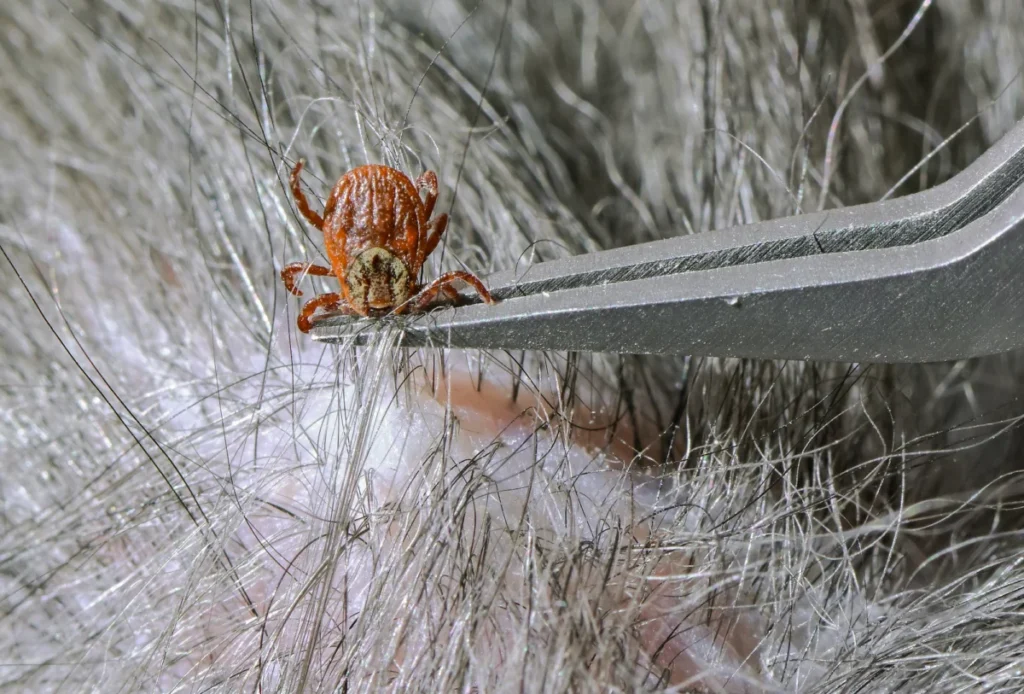
Public health officials and veterinary experts are sounding the alarm over a significant surge in tick populations across North America, a trend that poses an escalating risk to both domestic pets and their owners. As dogs frequent backyards, public parks, and wooded trails, they are increasingly serving as unintended conduits for these parasites to enter the home. Biologist Dr. Laura Ferguson of Acadia University and Dr. Katie Clow, a One Health researcher at the University of Guelph, have identified a convergence of biological, environmental, and behavioral factors that have made dogs the primary "Trojan horses" of the tick world. The experts emphasize that the threat is no longer confined to deep wilderness; rather, shifting climate patterns and suburban expansion have brought questing ticks to the very doorstep of modern households, necessitating a more rigorous, multi-modal approach to prevention.
The Biological Magnetism of Canines
While ticks do not specifically target dogs over other mammals, the canine species possesses a unique combination of biological traits that make them ideal hosts. Dogs emit significant amounts of carbon dioxide and body heat, both of which serve as primary chemical and thermal cues for ticks. Furthermore, the texture of canine fur provides an excellent substrate for ticks to latch onto during the "questing" phase. Unlike humans, who often stick to paved paths and wear protective clothing, dogs naturally engage in behaviors that put them in direct contact with tick habitats.
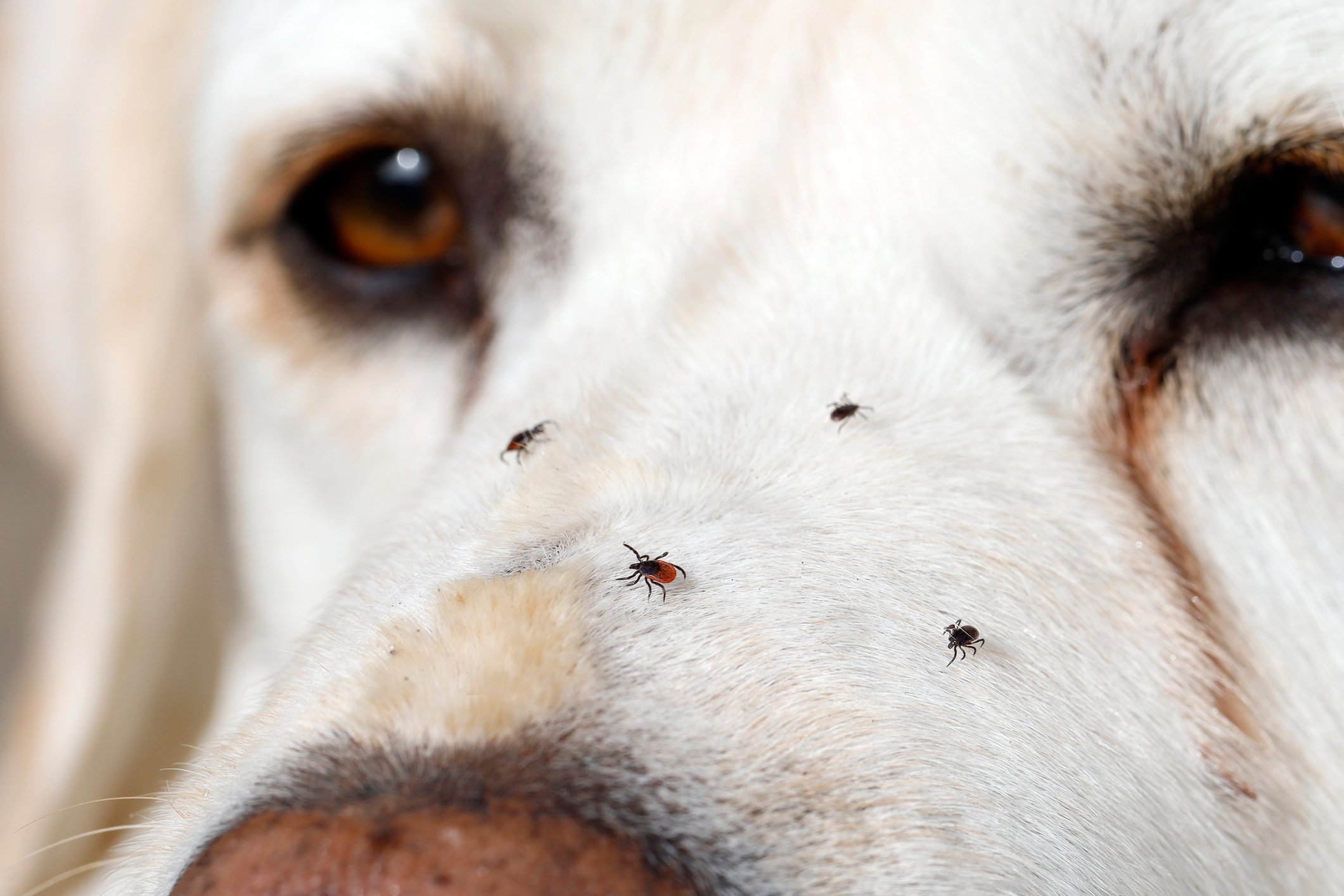
According to Dr. Clow, the propensity of dogs to sniff, romp, and burrow into brushy areas and leaf litter places them in the exact locations where ticks lie in wait. This behavioral overlap, combined with the dog’s large surface area and dense coat, allows ticks to hitchhike effectively. Once a tick has transferred from a blade of grass to a dog’s fur, it may spend several hours navigating the coat to find a suitable attachment site. This window of time is critical; if the dog enters a home during this period, the unattached tick can easily drop off onto furniture, bedding, or carpeting, where it may eventually seek out a human host.
A Chronology of Expansion: Climate Change and Land Use
The current tick crisis is the result of a decades-long environmental shift. Historically, tick populations in northern latitudes were kept in check by severe winters that killed off a significant percentage of the population. however, data from the last twenty years indicates a steady northward migration of several key species. Dr. Ferguson notes that the decreasing severity of winter and the extension of warmer spring and fall seasons have provided ticks with a longer active window.

The chronology of this expansion is well-documented by public health agencies. In the 1970s, Lyme disease was largely localized to specific regions of the Northeast United States. By the early 2000s, the range of the blacklegged tick (Ixodes scapularis) had expanded significantly into the Midwest and Southern Canada. Concurrently, the Lone Star tick (Amblyomma americanum), once restricted to the Southeast, is now commonly found as far north as Maine and Ontario.
This expansion is further exacerbated by changes in land use. The reforestation of former agricultural land and the rise of suburban sprawl have created "edge habitats"—the transition zones between forests and lawns—where deer and small rodents thrive. As these primary hosts move closer to human dwellings, they bring ticks with them, effectively seeding suburban backyards with parasites that were once confined to the deep woods.
Identifying the Species and Associated Risks
Understanding the specific threat requires identifying the tick species prevalent in a given region. Each species carries a distinct profile of pathogens that can affect both dogs and humans:
- Blacklegged Ticks (Deer Ticks): These are the primary vectors for Lyme disease, anaplasmosis, and babesiosis. They are most active in the spring and fall and prefer moist, shaded environments.
- American Dog Ticks: Widespread across the eastern half of North America and parts of the Pacific Coast, these ticks are known to transmit Rocky Mountain spotted fever and tularemia.
- Lone Star Ticks: Identifiable by a white spot on the female’s back, these ticks are aggressive biters. They transmit ehrlichiosis and have been linked to the development of alpha-gal syndrome, a red meat allergy in humans.
- Brown Dog Ticks: Unlike other species, the brown dog tick can complete its entire life cycle indoors. This makes it a particular menace in kennels and homes, as it does not require the high humidity of the outdoors to survive.
For dogs, the symptoms of tick-borne illnesses can be subtle, often manifesting as lethargy, joint pain, fever, or a loss of appetite. If left untreated, these conditions can lead to chronic lameness, kidney failure, or neurological issues.
Multi-Modal Prevention: The First Line of Defense
Experts agree that relying on a single prevention method is no longer sufficient. A "multi-modal" strategy is required to ensure the safety of the pet and the household. The foundation of this strategy is veterinary-prescribed preventive medication. These products, which include isoxazoline-class oral tablets, topical "spot-on" treatments, and specialized collars, work by interfering with the tick’s nervous system after it bites.
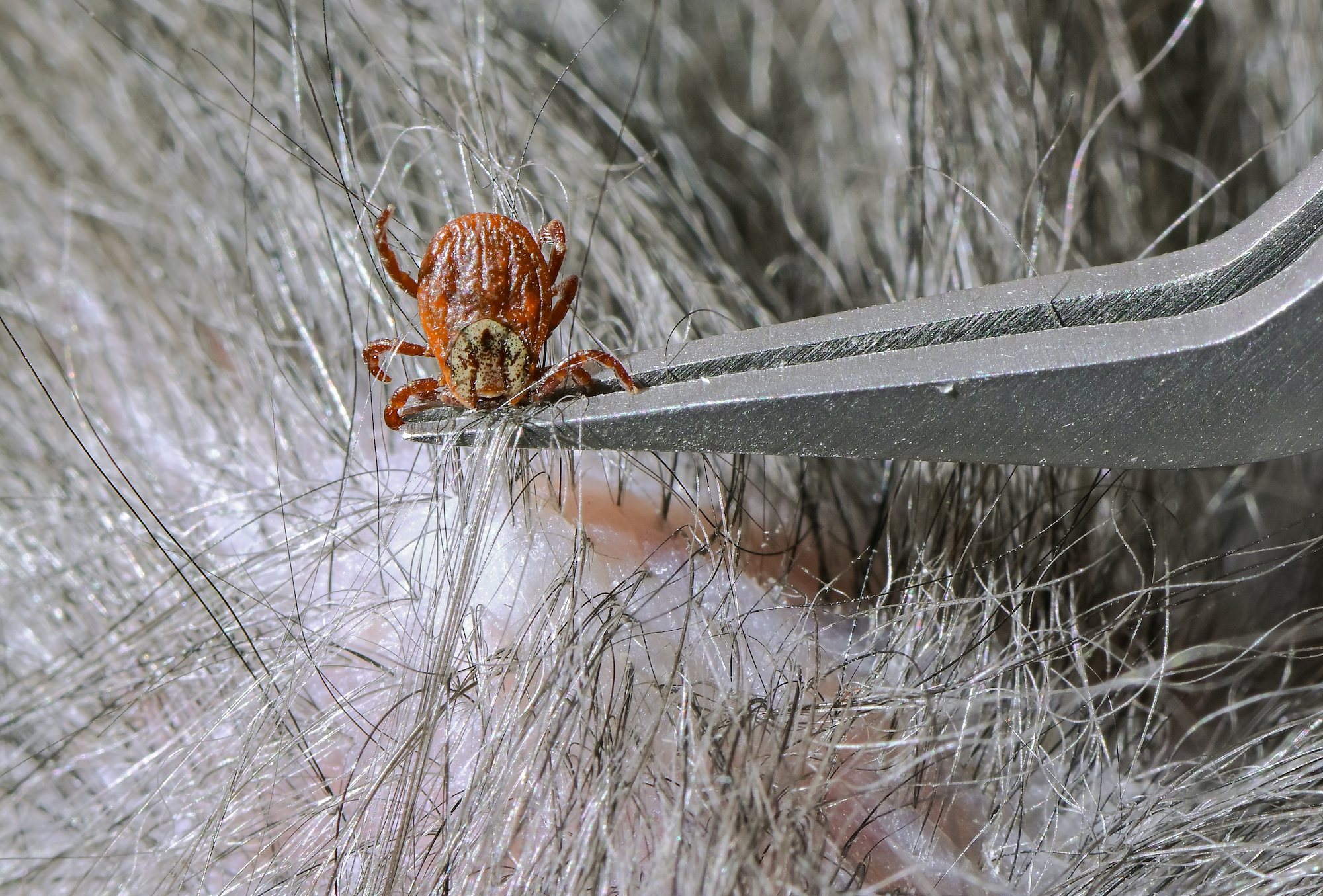
However, Dr. Clow points out a common misconception: these medications do not always prevent a tick from latching on or being carried into the house. "Although veterinary-prescribed tick preventives are very effective, they are not 100 percent," she explains. To bridge this gap, owners must implement a rigorous "tick-check" protocol.
A thorough inspection should be conducted every time a dog returns from the outdoors. Owners should pay close attention to high-risk areas where ticks prefer to hide:
- Inside and around the ears.
- Under the collar and around the neck.
- In the "armpits" and groin area.
- Between the toes and around the paw pads.
- Under the tail.
For long-haired breeds, using a fine-toothed flea or tick comb can help dislodge unattached ticks that are hidden deep within the undercoat. Establishing a "tick-check station" at the primary entry point of the home can prevent parasites from ever reaching the living room.
Environmental Management and Indoor Mitigation
Protecting a home from ticks also involves active management of the physical environment. Landscaping choices can significantly reduce the tick "load" in a backyard. Ticks are highly susceptible to desiccation (drying out) and generally avoid dry, sunny areas. By keeping grass trimmed short and removing piles of brush or leaf litter, homeowners can eliminate the humid microclimates that ticks require to survive.
Furthermore, creating a physical barrier between wooded areas and the lawn—such as a three-foot-wide strip of wood chips or gravel—can act as a deterrent. Ticks are reluctant to cross these hot, dry surfaces. For those in high-risk areas, the application of acaricides (tick pesticides) to the perimeter of the yard may be necessary during peak seasons, though these should be used with caution and in accordance with local environmental regulations.
Inside the home, cleanliness is a vital secondary defense. Frequent vacuuming, particularly near entryways and where pets sleep, can pick up ticks that have dropped off the dog. Pet bedding should be washed weekly in hot water and dried on a high-heat setting, as the dry heat of a clothes dryer is one of the most effective ways to kill ticks.
The One Health Perspective and Broader Implications
The rise of tick-borne diseases is a classic "One Health" issue—a discipline that recognizes the interconnection between the health of people, animals, and the environment. When a dog brings a tick into a home, it is not just a veterinary problem; it is a public health concern. The same blacklegged tick that could give a dog anaplasmosis could give its owner Lyme disease.
The broader implications of this trend are significant. As tick ranges continue to expand due to climate change, healthcare systems and veterinary clinics must prepare for an increased incidence of tick-borne pathogens. This includes better diagnostic tools, increased public awareness campaigns, and continued research into vaccines—both for humans and animals.
Data from the Centers for Disease Control and Prevention (CDC) shows that the number of reported cases of tick-borne disease in humans has more than doubled in the last two decades. While dogs are more frequently exposed, they serve as sentinels for human risk. A high prevalence of ticks on local pets is often the first indicator of a rising threat to the human population in that area.
In conclusion, the battle against ticks is an ongoing effort that requires vigilance, education, and proactive management. By understanding why dogs are targeted and how they transport these parasites, owners can take the necessary steps to break the cycle of infestation. Through a combination of veterinary medicine, environmental control, and daily physical inspections, it is possible to enjoy the outdoors with canine companions while keeping the home a safe, tick-free environment. As Dr. Clow notes, these precautions are a small price to pay for the health and well-being of the entire family.