



The landscape of corporate learning and workforce development is in a constant state of evolution, driven by visionary leaders who understand that human potential is the most potent catalyst for organizational transformation. The Chief Learning Officer’s (CLO) "Learning Insights" series delves into the minds of these trailblazers, uncovering their strategic approaches, innovative methodologies, and the challenges they’ve overcome. In a recent in-depth Q&A, a prominent learning executive shared profound insights into the journey of L&D, emphasizing its shift from transactional training to holistic ecosystem building, and highlighting the critical role of empowered individuals in navigating an increasingly complex professional world.
The Genesis of a Learning Advocate
The executive’s initial draw to learning and development stemmed from a deep-seated passion for human empowerment. "I’ve always believed that human potential is the most powerful catalyst for transformation," they stated. This belief was forged early in their career, witnessing firsthand how access to knowledge and opportunities could fundamentally alter an individual’s life trajectory. This personal conviction fueled a desire to actively participate in creating such pathways for others.
Over the years, this commitment has evolved significantly. The journey has transitioned from a focus on delivering specific training modules to architecting comprehensive "ecosystems of growth." This evolution reflects a broader industry trend, moving beyond mere skills development to cultivate environments that foster inclusion, visibility, and leadership readiness. Initiatives like the UN Women’s African Girls Can Code Initiative and the founding of the EmpowerHER and Allies mentorship movement have solidified the executive’s understanding that L&D is not simply about transferring information. Instead, it’s about instilling agency, fostering empowerment, and equipping individuals with the courage needed to lead effectively in dynamic and challenging times.
The contemporary approach, as articulated by the executive, bridges the gap between academic theories and tangible, real-world impact. The focus has expanded to redefining "leadership cognition," facilitating intergenerational mentorship, and embedding learning as a continuous, lifelong pursuit rather than an isolated event. What began as a passion for teaching has matured into a mission: to nurture future-ready leaders capable of elevating themselves, supporting their colleagues, and transforming the ordinary into the extraordinary. This narrative underscores a profound shift in the perception of L&D, positioning it as a strategic imperative for both individual and organizational advancement.
Driving Employee Development and Fostering a Learning Culture
When questioned about key initiatives implemented to drive employee development and cultivate a robust learning culture, the executive highlighted several impactful strategies. While the specific list of initiatives was not detailed in the provided excerpt, the underlying philosophy points towards a holistic approach that integrates learning into the fabric of daily operations. This often involves creating opportunities for continuous skill acquisition, encouraging knowledge sharing, and promoting a mindset of perpetual improvement. The effectiveness of such initiatives is often measured not just by participation rates, but by observable changes in employee performance, innovation, and overall engagement.
The Transformative Impact of Reverse Mentorship
One of the most impactful learning programs introduced by the executive is a reverse mentorship initiative. This program is specifically designed to pair junior employees, who are often digital natives with fresh perspectives, with senior leaders navigating complex organizational transformations. The rationale behind this approach is twofold: to democratize knowledge and to foster a more collaborative and inclusive learning environment.
The executive detailed the transformative impact of this initiative in two key areas. Firstly, it effectively democratized knowledge and perspectives. Junior employees, equipped with contemporary insights and digital fluency, are able to share their understanding of emerging trends and technologies with seasoned leaders. This exchange challenges established paradigms and injects new thinking into strategic decision-making processes. Secondly, it fostered mutual respect and continuous learning. By reversing the traditional mentor-mentee dynamic, the program cultivates an environment where learning is a reciprocal activity, breaking down hierarchical barriers and encouraging open dialogue.
What began as a pilot program has rapidly become a cornerstone of the organization’s learning culture. It has fundamentally shifted the organizational narrative from a unidirectional model of "leaders teaching employees" to a collaborative paradigm of "leaders and employees learning together." This cultural metamorphosis, the executive emphasized, is the most powerful outcome. It has deeply embedded curiosity, collaboration, and a shared commitment to growth into the organization’s DNA, creating a more agile and adaptive workforce.
Addressing Common Misconceptions in L&D
A prevalent misconception surrounding the Learning and Development (L&D) function is that it primarily serves as a "tick-the-box" exercise, focused on compliance or mandatory training. The executive strongly refutes this notion, asserting that L&D’s true purpose is far more profound. "L&D is not about ticking boxes; it’s about cultivating curiosity, resilience and future-ready leaders," they stated.
To address this misconception, the executive advocates for a strategic reframing of L&D’s role. This involves demonstrating how learning initiatives directly contribute to business objectives, foster innovation, and enhance employee engagement. By showcasing tangible outcomes and aligning learning strategies with organizational goals, L&D professionals can elevate their function from a support service to a strategic driver of business transformation. The emphasis is on cultivating an environment where learning is seen not as an obligation, but as an integral component of both individual and business success.
Embracing the Future of Workplace Learning
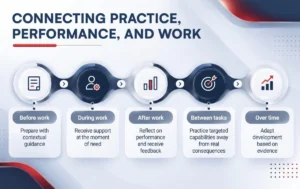
The future of workplace learning holds immense promise, and the executive expresses significant excitement about its trajectory. The shift towards personalized and adaptive learning, where technology facilitates individual learning journeys tailored to unique paces, styles, and career aspirations, is particularly energizing. The burgeoning field of AI-powered learning ecosystems is seen as a critical enabler, making knowledge accessible in real-time and transforming learning into an integrated aspect of daily work rather than a scheduled event.
However, this technological advancement is not seen as a replacement for human connection and essential soft skills. The executive posits that the future of workplace learning will be deeply human-centric. Skills such as leadership, cognitive flexibility, resilience, and emotional intelligence will become even more critical in an era increasingly shaped by automation. The opportunity to harmoniously blend cutting-edge technology with these timeless human capabilities is what truly inspires them.
To prepare their organization for this evolving landscape, the executive outlines a multi-faceted strategy. This includes investing in advanced learning technologies to create personalized and on-demand learning experiences. Simultaneously, there is a strong emphasis on cultivating human-centric skills through programs focused on leadership, emotional intelligence, and adaptive thinking. Furthermore, fostering a culture of continuous experimentation and feedback is crucial, allowing the organization to remain agile and responsive to new challenges and opportunities. For the executive, the ultimate vision for the future of workplace learning is the creation of organizations that are not merely resilient, but regenerative – environments where individuals can continuously grow, adapt, and thrive collectively.
Essential Qualities of a Successful L&D Leader
The success of any L&D initiative hinges on the capabilities of its leadership. The executive identifies several essential qualities and skills that define a successful L&D leader:
- Strategic Acumen: The ability to align learning strategies with overarching business goals and anticipate future workforce needs.
- Empathy and Emotional Intelligence: Understanding and responding to the diverse needs and challenges of employees, fostering a supportive learning environment.
- Curiosity and a Growth Mindset: A commitment to continuous learning and a willingness to explore new methodologies and technologies.
- Agility and Adaptability: The capacity to pivot strategies and programs in response to rapid organizational and market changes.
- Strong Communication and Influencing Skills: The ability to articulate the value of L&D and build buy-in from stakeholders across all levels.
- Data-Driven Decision-Making: Utilizing analytics to measure impact, identify areas for improvement, and demonstrate the ROI of learning initiatives.
- Innovation and Creativity: Developing novel and engaging learning solutions that resonate with diverse audiences.
Cultivating these traits within oneself and one’s team is an ongoing process. The executive emphasizes the importance of leading by example, embodying the very qualities they wish to foster. This includes actively seeking out learning opportunities, encouraging open feedback and dialogue, and providing opportunities for skill development and growth within the team. By fostering a culture of continuous improvement and mutual support, L&D leaders can empower their teams to excel and drive impactful learning outcomes.
A Message to the Younger Self: Trust the Process
Reflecting on their career journey, the executive offers a piece of "game-changing" advice to their younger self: "Trust the process of becoming, even when the path feels uncertain." This advice stems from a realization that early in their career, success was often perceived as having all the answers upfront. However, the executive has learned that true growth emerges from embracing the unknown, leaning into curiosity, and allowing every experience, particularly the challenging ones, to forge resilience and wisdom.
The younger self would be reminded that:
- Imperfection is a Catalyst: Mistakes are not failures but opportunities for profound learning and growth.
- Impact Transcends Perfection: True impact comes from courage and willingness, not from flawless execution.
- Every Step is Progress: Even seemingly small steps forward contribute to the larger journey of development.
Ultimately, the core message is one of self-compassion and persistent effort: "You don’t have to be perfect to be impactful. You just have to be willing to rise, again and again." This perspective underscores the iterative nature of professional development and the importance of perseverance.
The Defining Challenge: Balancing Agility and Accountability
Currently, the single biggest challenge facing L&D professionals and the industry as a whole is the inherent tension between keeping pace with rapid change and proving measurable impact. The modern workplace is characterized by unprecedented velocity of change, driven by advancements in AI, automation, the proliferation of hybrid work models, and evolving employee expectations. These factors demand the rapid development of new skills, often with little lead time. Concurrently, organizations are increasingly scrutinizing learning investments, demanding concrete evidence of tangible business outcomes.
Navigating this dual imperative requires a delicate balance between agility and accountability. L&D professionals must be nimble enough to anticipate and respond to emergent needs while simultaneously possessing the rigor to measure and demonstrate the value of their interventions.
The executive addresses this challenge through a dual approach:
- Embracing Agile Methodologies: Implementing iterative development processes for learning programs allows for quicker adaptation to changing needs and continuous feedback incorporation.
- Developing Robust Measurement Frameworks: Moving beyond traditional metrics to focus on quantifiable business impact, such as improved productivity, reduced errors, enhanced innovation, and increased employee retention, is crucial. This involves leveraging data analytics to track learning’s influence on key performance indicators.
In essence, the challenge lies in positioning learning not merely as a relevant function, but as an indispensable driver of organizational success. The solution, as articulated, lies in making L&D both agile enough to anticipate disruption and rigorous enough to demonstrate its profound and measurable impact. This strategic imperative ensures that L&D remains at the forefront of organizational growth and adaptation in an ever-evolving professional landscape.