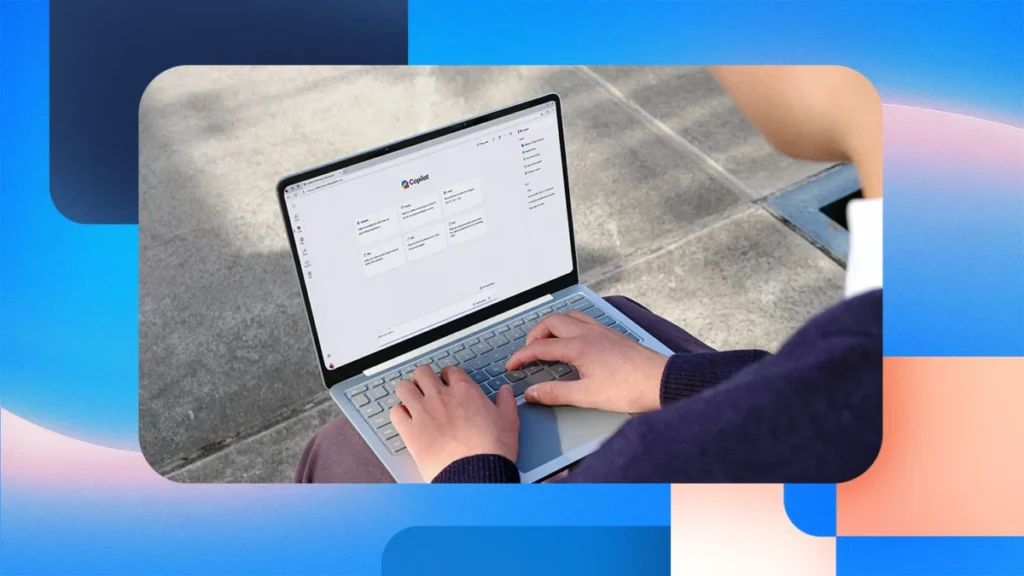



The integration of artificial intelligence into the academic sphere has reached a pivotal turning point with Microsoft’s official release of the Study and Learn Agent. Now generally available within Microsoft 365 Copilot for all education customers, this purpose-built tool represents a strategic shift in how generative AI is deployed in the classroom. Unlike general-purpose large language models that often prioritize the rapid delivery of answers, the Study and Learn Agent is designed to function as a digital coach, prioritizing cognitive engagement and long-term retention over mere information retrieval. Available at no additional cost to eligible institutions, the agent aims to bridge the gap between student demand for AI assistance and the institutional need for academic integrity and pedagogical rigor.
For several years, educational institutions have grappled with the "answer bot" phenomenon, where students utilize AI to bypass the labor of learning. This has led to a fragmented landscape of bans and restrictions across various school districts and universities. Microsoft’s new offering seeks to resolve this tension by embedding "learning science" into the AI’s core logic. The tool is available for students aged 13 and older, though it remains deactivated by default for K-12 accounts, requiring explicit activation by IT administrators. This safeguard ensures that schools maintain control over the rollout, aligning the technology with local district policies and privacy standards.
The Evolution of AI in the Academic Landscape: A Brief Chronology
The journey toward the Study and Learn Agent began in late 2022 with the public release of ChatGPT, which sparked an immediate debate regarding the future of homework and traditional assessment. By early 2023, several major school districts, including New York City Public Schools and Seattle Public Schools, initially moved to block access to generative AI tools on school networks, citing concerns over cheating and the accuracy of information.
However, by mid-2023, the narrative began to shift from prohibition to "AI literacy." Educational leaders recognized that students would inevitably use these tools in their personal lives and future careers. In late 2023 and early 2024, Microsoft and other tech giants began piloting education-specific versions of their AI suites. The development of the Study and Learn Agent is the culmination of this pilot phase, moving beyond a generic chat interface to a specialized "agentic" model that understands the specific requirements of a tutoring relationship. The general availability announcement marks the transition from experimental software to a standard component of the Microsoft 365 Education ecosystem.

Core Philosophy: The Learner Does the Thinking
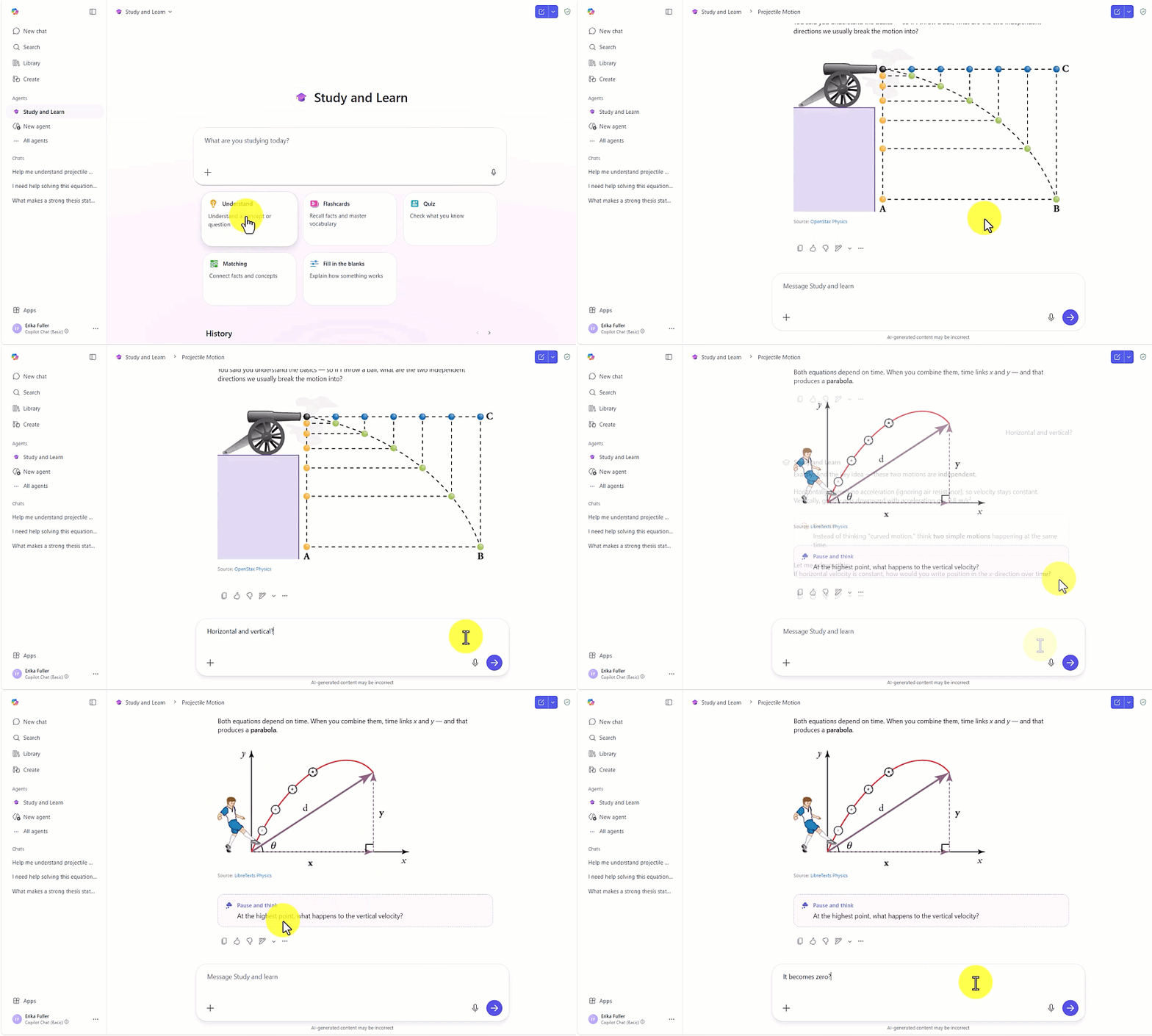
The fundamental principle guiding the Study and Learn Agent is that the student must remain the primary cognitive actor. In the traditional AI interaction, a student might input a prompt such as "Write a summary of the Krebs cycle," and the AI would provide the finished text. The Study and Learn Agent reframes this interaction. If a student asks for help with a biology concept, the agent might respond by asking what the student already knows or by providing a simplified diagram and asking the student to identify the next step in the process.
This "Socratic" approach is designed to prevent the "cognitive offloading" that educators fear. By acting as an interactive coach, the agent helps students work through complex calculus problems or refine the structure of a history essay without doing the work for them. This methodology is intended to build independent thinking skills, ensuring that the AI serves as a scaffold rather than a crutch.
Grounding AI in Learning Science: The Four Research-Based Principles
Microsoft has explicitly stated that the Study and Learn Agent is built upon established pedagogical research. While the specific implementation adapts to the individual user, the experience is grounded in four key pillars of learning science:
- Active Retrieval Practice: Instead of allowing students to passively read notes, the agent prompts them to recall information from memory. This is facilitated through the automated generation of flashcards and quiz questions based on the student’s study materials.
- Scaffolded Instruction: The agent provides "just-in-time" support. If a student is stuck on a physics problem, the AI identifies the specific step causing confusion and provides a hint or a conceptual explanation rather than the final numerical answer.
- Spaced Repetition and Interleaving: The tool is designed to help students revisit concepts over time, a technique proven to move information from short-term to long-term memory.
- Metacognitive Reflection: By asking students to explain their reasoning or talk through their arguments for an essay, the agent encourages students to think about their own thinking process, which is a critical component of advanced academic achievement.
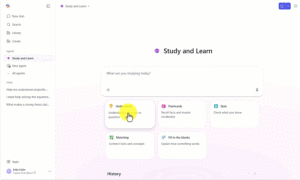
Through these principles, the Study and Learn Agent transforms the Copilot Chat from a static search-and-response tool into a dynamic learning environment. Students can engage in matching activities, step-by-step coaching with visual aids, and interactive brainstorming sessions that sharpen their analytical capabilities.
Administrative Oversight and Data Privacy
One of the primary barriers to AI adoption in schools has been the concern over data privacy and the lack of administrative oversight. Microsoft has addressed these concerns by integrating the Study and Learn Agent into the existing Microsoft 365 Education framework. Because students access the tool using their Microsoft Entra ID (formerly Azure Active Directory) school credentials, the data is protected by enterprise-grade security.

IT administrators have granular control over the deployment. For K-12 institutions, the Copilot Chat—and by extension, the Study and Learn Agent—is turned off by default. This "opt-in" model allows administrators to conduct necessary privacy impact assessments and provide teacher training before the tool is released to the student body. Furthermore, the tool adheres to Microsoft’s Responsible AI principles, which include safeguards against the generation of harmful content and measures to reduce the frequency of AI "hallucinations" or factual errors.
Market Context and Supporting Data
The launch comes at a time when the "EdTech" market is undergoing a radical transformation. According to recent industry surveys, nearly 50% of secondary and post-secondary students have reported using generative AI for schoolwork, yet a significant portion of educators remain skeptical of its benefits. A study by the Pew Research Center indicated that while students see AI as a way to save time, teachers are primarily concerned about the loss of critical thinking skills.
Microsoft’s move is also a direct response to the competitive landscape. Tools like Khan Academy’s "Khanmigo" and various AI-integrated features from Google Workspace for Education have also sought to capture the "AI tutor" market. However, Microsoft’s advantage lies in its deep integration with the productivity tools students already use, such as Word, PowerPoint, and Teams. By placing the Study and Learn Agent directly within the Copilot app, Microsoft eliminates the need for separate logins or third-party applications, creating a seamless workflow for the student.
Broader Impact and Educational Implications
The implications of widespread access to a "learning-first" AI are profound. Firstly, it has the potential to address the "tutoring gap." High-quality, one-on-one human tutoring is often expensive and inaccessible to students from lower-income backgrounds. A built-in AI agent provides a form of personalized instruction that can scale to millions of students simultaneously, potentially serving as a tool for educational equity.
Secondly, the shift toward AI-assisted learning will likely force a change in how educators assess student performance. If students have access to sophisticated coaching tools, the value of traditional take-home assignments may diminish. Educators may move toward more in-class assessments, oral exams, or projects that require students to demonstrate the "thinking process" they developed in collaboration with the AI.
Finally, the release of the Study and Learn Agent, alongside its counterpart, the "Teach" agent for educators, suggests a future where the classroom is an AI-augmented ecosystem. In this model, the teacher is not replaced but is instead freed from some of the more repetitive aspects of instruction—such as grading basic quizzes or explaining foundational concepts—allowing them to focus on high-level mentorship and emotional support for students.
Deployment and Global Availability
The Study and Learn Agent is currently optimized for English (United States) and is accessible via the web and desktop versions of the Microsoft 365 Copilot app. Microsoft has confirmed plans to expand language support in the coming weeks, reflecting the global nature of its education customer base.
To begin the rollout, Microsoft recommends that IT administrators review the configuration video walkthrough and ensure that Copilot is enabled for their specific tenant. Once enabled, the Study and Learn Agent appears in the left navigation bar of the Copilot interface, providing students with a dedicated space for academic work that is distinct from the general web-search capabilities of the standard Copilot Chat.
By providing a structured, accountable, and research-based AI experience, Microsoft is attempting to redefine the relationship between technology and the classroom. The success of the Study and Learn Agent will ultimately be measured not by how many answers it provides, but by how much it improves the independent understanding and retention of the students who use it.