


The traditional understanding of medicine typically relies on the presence of pharmacologically active compounds to elicit physiological change. However, groundbreaking research emerging from the Università Cattolica in Milan suggests that the human brain possesses an innate, untapped capacity to influence its own aging process. A recent study, published in the International Journal of Clinical and Health Psychology, provides robust evidence that placebo interventions—even those administered with full transparency—can yield measurable improvements in both physical performance and cognitive acuity among the elderly. Led by researchers Diletta Barbiani, Alessandro Antonietti, and Francesco Pagnini, and supported by the Age-IT project under the PNRR (National Recovery and Resilience Plan) framework, this study marks a significant departure from conventional clinical models of aging.
The Evolution of Placebo Research
For decades, the "placebo effect" was often treated as a nuisance variable in clinical trials—a psychological artifact that researchers sought to neutralize to isolate the efficacy of a new drug. Yet, in recent years, the scientific community has begun to re-evaluate the placebo as a legitimate therapeutic tool. While previous studies have examined the role of placebos in pain management and depression, the application of this phenomenon to healthy aging represents a frontier in clinical psychology.
The investigation was spurred by the urgent need for non-pharmacological interventions to address the natural, age-related decline in physical and mental agility. As the global population ages, the search for low-cost, low-risk strategies to maintain independence and quality of life has intensified. The research team sought to determine if the expectation of benefit—or even the ritual of taking a pill—could act as a surrogate for traditional treatment.
Study Design and Methodology
To test this hypothesis, the team recruited a cohort of 90 healthy older adults living in the community. This demographic is particularly relevant given the emphasis on "healthy aging"—a concept defined by the World Health Organization as the process of developing and maintaining the functional ability that enables well-being in older age.
The participants were randomly partitioned into three distinct groups to establish a clear comparative baseline:
- The Control Group: These participants received no intervention, serving as the baseline for natural aging progression over the three-week study period.
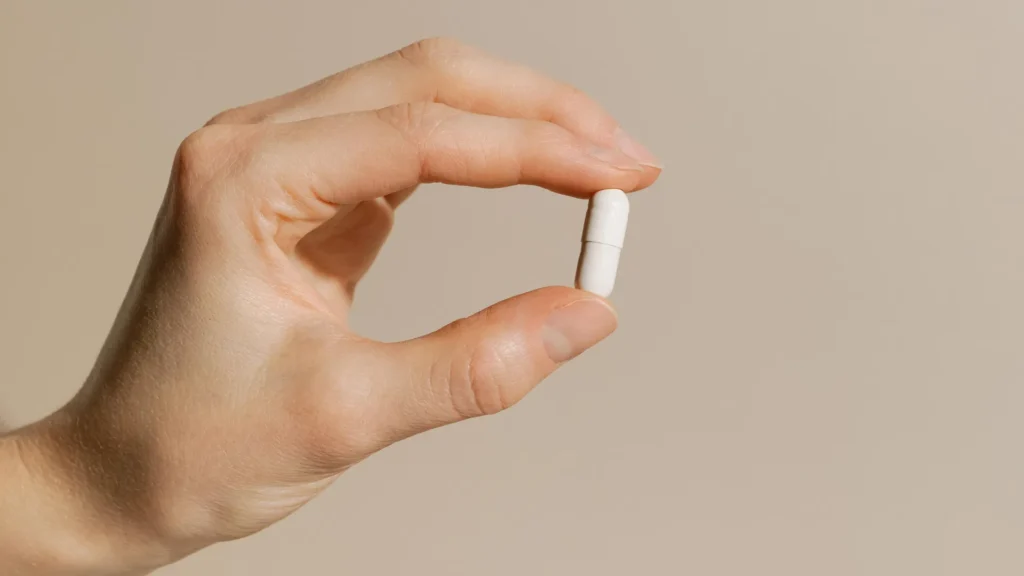
- The Deceptive Placebo Group: These individuals were administered inactive pills but were explicitly informed that the capsules contained active ingredients intended to enhance physical and cognitive function.
- The Open-Label Placebo Group: These participants were provided with the same inactive pills but were fully informed that they were placebos. Crucially, they were educated on the potential for the mind-body connection to trigger therapeutic responses through the ritual of care.
Over the course of three weeks, the researchers conducted a rigorous assessment schedule. Before and after the intervention, participants underwent a comprehensive battery of tests. These included objective cognitive measures, such as short-term memory and selective attention tasks, as well as physical performance evaluations. Simultaneously, participants provided self-reported data on stress levels, psychological well-being, fatigue, sleep patterns, and their internal perception of aging stereotypes.
Chronology and Data Synthesis
The three-week intervention period yielded data that challenged several long-standing assumptions about the necessity of deception in placebo therapy. By the conclusion of the study, the performance metrics revealed a compelling pattern of improvement across both experimental groups.
In terms of physical performance, the results were striking. The deceptive placebo group showed a 7% increase in physical function, while the open-label group outperformed them with a 9.2% increase. This suggests that the transparency of the open-label approach may not only be ethically superior but potentially more effective in fostering a sense of agency and motivation in older adults.
Cognitive gains were similarly pronounced. Participants who believed they were taking an active supplement showed improvement scores between 12.6% and 14.6% on various tests. Meanwhile, those who knowingly consumed a placebo demonstrated a wider range of improvement, from 6.9% to 21.5%, depending on the complexity of the cognitive task. Memory retention and selective attention were among the areas that saw the most consistent benefits.
Perhaps the most significant finding from a psychological standpoint was the reduction in reported stress. Participants in the open-label group reported lower stress levels than both the deceptive group and the control group, suggesting that the act of participating in a transparent, self-empowering health intervention may mitigate the anxiety associated with the aging process.
Expert Perspectives and Official Reactions
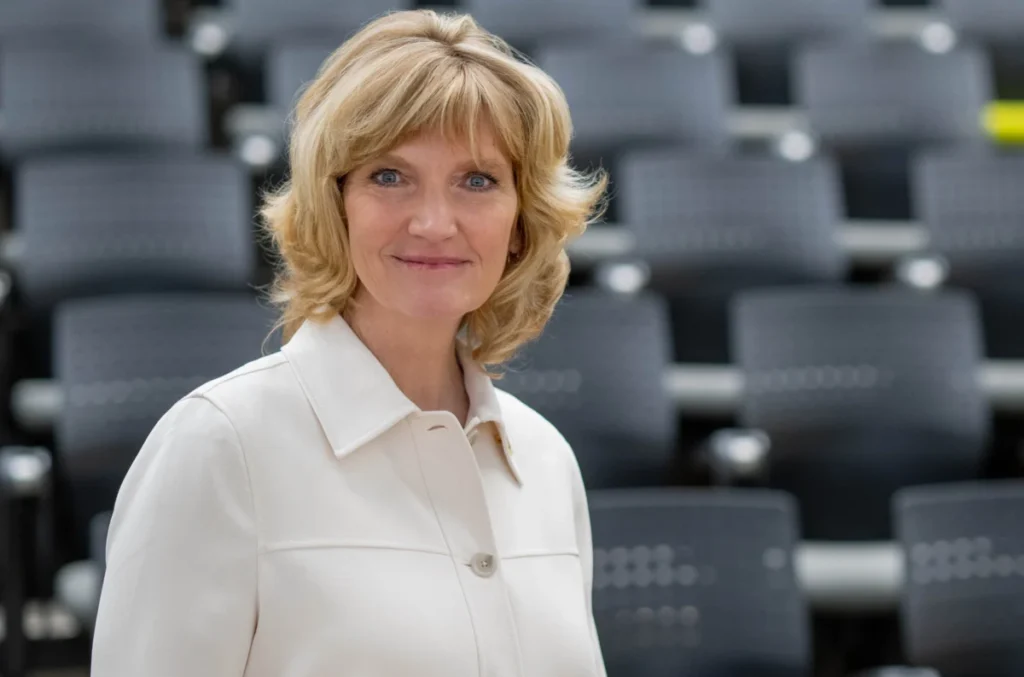
Professor Francesco Pagnini, a Full Professor of Clinical Psychology at the Faculty of Psychology at the Università Cattolica, emphasizes that these findings are not merely statistical anomalies. "The study is part of an established line of research in which we analyze the role of the mind in aging processes," Pagnini notes. "Our goal was to clarify whether an open-label placebo therapy could influence psychological, cognitive, and physical functions in older adults. The results indicate that we are looking at significant effects—comparable to those seen in some experimental studies on physical activity and cognitive training."
The inclusion of the Age-IT project support highlights the institutional importance placed on this research. Within the broader context of Italy’s PNRR, the study aligns with national goals to improve the welfare of an aging demographic through innovative, sustainable health solutions. While the medical community has historically been wary of open-label placebos, the success of this study suggests that patient education regarding the placebo effect could be a vital component of future geriatric care.
Broader Implications for Clinical Practice
The implications of this research are twofold. First, it offers a potential breakthrough for non-pharmacological care. If a simple, transparent ritual can replicate the cognitive and physical benefits of more expensive or side-effect-prone interventions, it could reduce the burden on public health systems. Second, the study validates the "mind-body" connection as a measurable, biological reality rather than a philosophical construct.
The researchers suggest that the "expectancy theory"—where the belief in an outcome influences the outcome itself—is a powerful driver of health. By being transparent about the nature of the placebo, researchers may be tapping into the patient’s own desire for self-improvement and their belief in their capability to remain healthy. This is a crucial distinction: in the deceptive group, the improvement is driven by a false belief, but in the open-label group, the improvement is driven by the patient’s engagement with a process they understand.
Future Directions and Ethical Considerations
While the findings are promising, the research team is careful to note the boundaries of this approach. Placebos are not a panacea for all age-related pathologies, and they should not replace evidence-based medical treatment for serious conditions. However, for the maintenance of cognitive sharpness and physical vigor in healthy aging, the strategy offers a low-risk, ethically sound path forward.
As this research moves toward larger, multi-site trials, several questions remain. How long can these effects be sustained beyond a three-week window? Can the benefits be scaled to larger populations with diverse socioeconomic backgrounds? Furthermore, how can clinical settings integrate these findings without undermining the traditional doctor-patient relationship?
The study concludes that thoughts, emotions, and self-perception are not peripheral to the aging process; they are integral. By shifting the paradigm from "treating the body" to "empowering the mind," clinicians may find a new, potent tool to support healthy aging. As the global scientific community continues to digest these findings, the open-label placebo stands as a testament to the fact that when it comes to the human experience of aging, the mind remains one of the most powerful instruments of change. This research serves as a foundational step toward a future where aging is not viewed solely as a period of inevitable decline, but as a phase of life where cognitive and physical health can be actively and intentionally cultivated through the synergy of mind and body.