


In a milestone for astrobiology and the ongoing exploration of the solar system, a team of researchers has announced the discovery of complex organic molecules preserved within the Martian subsurface. The findings, published in the journal Nature Communications on April 21, stem from a sophisticated "wet chemistry" experiment conducted by NASA’s Curiosity rover. This breakthrough indicates that the Red Planet still harbors the chemical remnants of ancient organic matter, providing a critical piece of the puzzle in determining whether Mars was ever home to microbial life. While the discovery does not confirm the existence of past or present life, it proves that the building blocks necessary for life as we know it can survive for billions of years despite the harsh radiation and oxidizing conditions of the Martian environment.
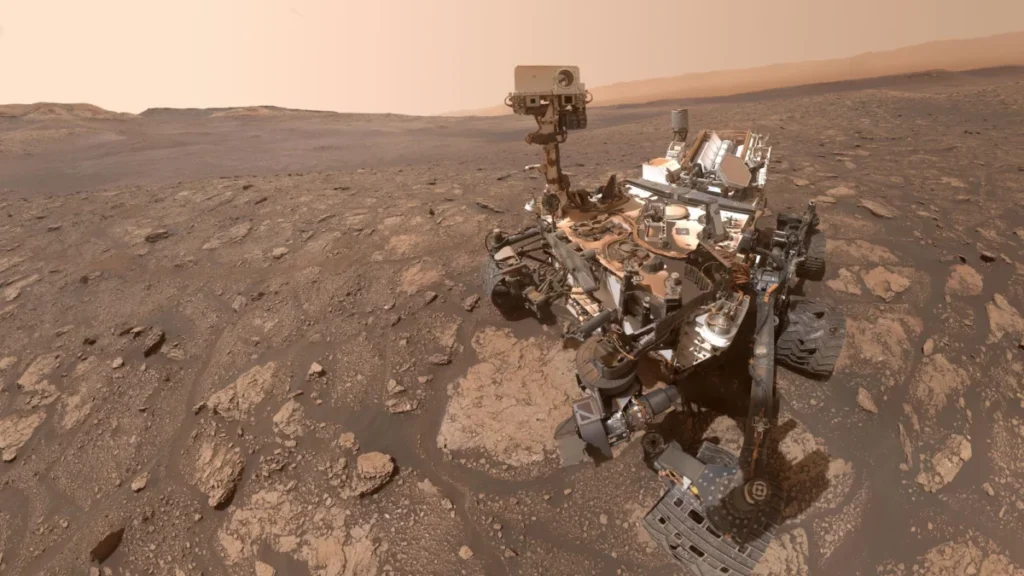
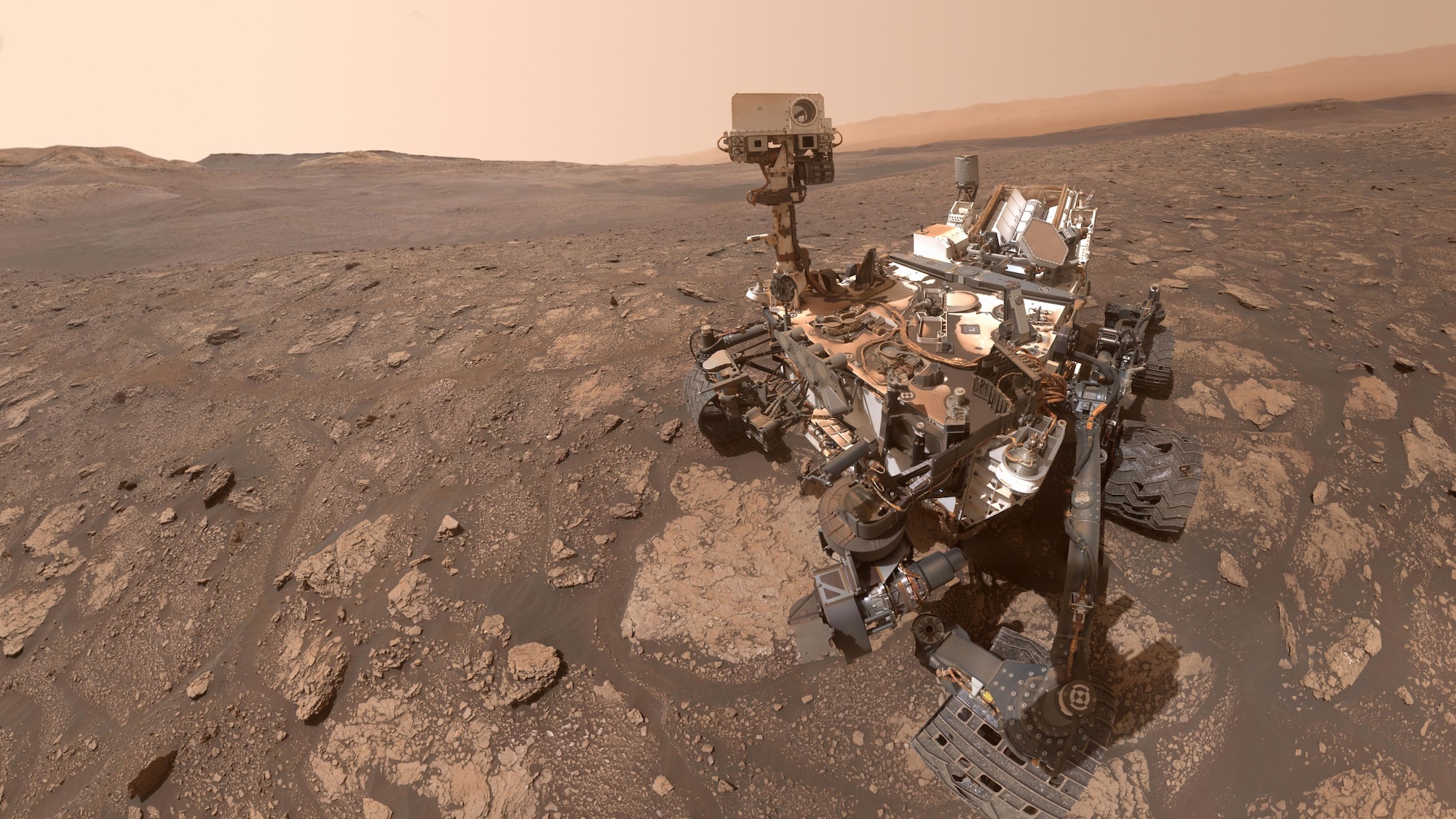
The data for this study was collected by the Sample Analysis at Mars (SAM) instrument suite, a mobile laboratory housed within the Curiosity rover. In 2020, mission controllers at NASA’s Jet Propulsion Laboratory (JPL) directed the rover to a region of the Gale Crater known as Glen Torridon. Within this area, the rover targeted a specific site nicknamed "Mary Anning," named in honor of the 19th-century English paleontologist whose discoveries in the Jurassic marine fossil beds of Dorset changed the scientific understanding of prehistoric life. The selection of this site was deliberate; Glen Torridon is characterized by its high concentration of clay minerals, which scientists believe were formed in the presence of liquid water billions of years ago.
The Science of Wet Chemistry on Mars
To identify these molecules, Curiosity utilized a specialized technique known as "wet chemistry" derivatization. Most of Curiosity’s previous soil analyses involved heating powdered rock samples to high temperatures—a process called pyrolysis—to vaporize the chemicals for identification. However, many organic molecules are fragile and can be destroyed or altered by heat before they can be detected. To circumvent this, Curiosity is equipped with nine sealed cups containing a chemical reagent (specifically N-methyl-N-tert-butyldimethylsilyl-trifluoroacetamide, or MTBSTFA).
When the "Mary Anning" sample was dropped into the reagent, the chemicals reacted with the organic molecules in the soil, making them volatile enough to be analyzed by the rover’s gas chromatograph and mass spectrometer without the need for extreme heat. This was the first time this specific experiment had been performed on the surface of another planet. The result was the identification of more than 20 distinct organic compounds. Among the most significant findings were nitrogen-containing molecules with structures resembling proto-DNA and benzothiophene, a sulfur-rich organic compound.
Benzothiophene is of particular interest to astrobiologists because it is frequently found in coal and crude oil on Earth, but it is also present in meteorites. Its presence on Mars suggests a complex chemical history. Amy Williams, a geological scientist at the University of Florida and a co-author of the study, noted that these molecules are essentially the "building blocks" that rained down on both Earth and Mars during the early stages of the solar system’s formation.
Chronology of the Curiosity Mission and the Search for Life
The success of the Glen Torridon analysis is the culmination of over a decade of exploration. To understand the significance of this discovery, it is necessary to look at the timeline of the Mars Science Laboratory (MSL) mission:
- November 26, 2011: The Curiosity rover launches from Cape Canaveral, Florida, beginning its eight-month journey to the Red Planet.
- August 6, 2012: Curiosity performs a high-stakes "sky crane" landing in Gale Crater, a 96-mile-wide impact basin with a massive layered mountain, Mount Sharp, at its center.
- 2013: Curiosity discovers evidence of an ancient freshwater lake at Yellowknife Bay, confirming that Mars once had habitable conditions.
- 2014-2018: The rover begins its ascent of Mount Sharp, documenting the transition from lakebed environments to more arid conditions. During this time, it detects "tough" organic molecules in 3-billion-year-old sedimentary rocks, but the results are limited by the pyrolysis method.
- 2020: Curiosity reaches the Glen Torridon region. The "Mary Anning" site is selected for the first-of-its-kind wet chemistry experiment due to its rich clay deposits.
- 2021-2023: Data from the Glen Torridon experiment undergoes rigorous peer review and cross-referencing with Earth-based laboratories to ensure the molecules detected were not contaminants from Earth.
- April 21, 2024: The findings are officially published, marking a new era in Martian organic chemistry.
Supporting Data: Why Clay Minerals Matter
The discovery at the Mary Anning site is inextricably linked to the geology of Glen Torridon. Clay minerals are of paramount importance to astrobiologists because of their ability to trap and protect organic matter. On Earth, clays have a high surface area and a layered structure that can shield organic molecules from the environment. On Mars, where the surface is bombarded by intense ultraviolet radiation and contains perchlorates (salts that can destroy organic matter), the "protective embrace" of clay minerals is likely the only reason these molecules have survived for over 3.5 billion years.
The SAM instrument’s detection of nitrogen-bearing organics is particularly vital. Nitrogen is a primary component of amino acids, which are the building blocks of proteins, and nucleobases, which form DNA and RNA. While the study clarifies that these molecules could have been delivered by meteorites or produced by non-biological geological processes, their preservation in the shallow subsurface (only a few centimeters deep) suggests that deeper layers of Mars might contain even more complex and well-preserved organic records.
Official Responses and Scientific Analysis
The scientific community has reacted to the findings with cautious optimism. Amy Williams emphasized that while the team has not found a "smoking gun" for life, the implications for habitability are profound. "It’s really useful to have evidence that ancient organic matter is preserved, because that is a way to assess the habitability of an environment," Williams stated. "If we want to search for evidence of life in the form of preserved organic carbon, this demonstrates it’s possible."
NASA officials have noted that the success of the SAM experiment validates the agency’s "follow the water" strategy, which has evolved into "follow the organics." The ability to conduct complex chemistry remotely on the Martian surface proves that future missions can perform even more sophisticated searches for biosignatures—patterns or substances that provide scientific evidence of past or present life.
However, researchers also acknowledge the limitations of current technology. Without returning these samples to Earth for analysis in world-class laboratories, it is nearly impossible to determine the exact origin of the molecules. The "biogenicity" of the nitrogen compounds—whether they were made by a cell or a volcano—remains the central question of Martian science.
Broader Impact and Implications for Future Exploration
The findings from Curiosity provide a roadmap for upcoming missions designed to take the search for life to the next level. Specifically, two major missions are poised to build upon the foundation laid at Glen Torridon:
- The Rosalind Franklin Rover (ExoMars): A joint project primarily led by the European Space Agency (ESA), this rover is equipped with a drill capable of reaching depths of two meters. Since Curiosity’s samples were taken from the top few centimeters of the surface, the Rosalind Franklin mission will be able to access organic material that has been even better protected from surface radiation for billions of years.
- The Dragonfly Mission: Scheduled to launch in the late 2020s, NASA’s Dragonfly rotorcraft will explore Saturn’s moon, Titan. Titan is rich in organic chemistry, and Dragonfly will use similar "wet chemistry" techniques to those pioneered by Curiosity to search for the chemical precursors to life in Titan’s nitrogen-rich atmosphere and icy surface.
Furthermore, these results bolster the case for the Mars Sample Return (MSR) campaign. This ambitious multi-mission effort aims to collect samples cached by the Perseverance rover (currently in Jezero Crater) and bring them back to Earth. The knowledge that organic molecules are indeed preserved in Martian soil makes the multi-billion-dollar investment in MSR more scientifically justifiable.
In conclusion, the Curiosity rover’s discovery in the Glen Torridon region represents a pivotal shift in our understanding of the Red Planet. By proving that complex organic chemistry can endure the passage of eons on the Martian surface, scientists have confirmed that Mars was not just a world of water, but a world of carbon chemistry. Whether that chemistry ever crossed the threshold into biology remains to be seen, but the "Mary Anning" experiment has ensured that the search for life on Mars is more promising than ever before.