


For students across South Carolina’s Lowcountry, a typical school day rarely involves having a barn owl glide just inches above their heads, brushing the top of a student’s forehead with the silent grace of an apex predator. Yet, for approximately 30,000 young learners each year, this breathtaking encounter is just one facet of an immersive educational journey orchestrated by the Avian Conservation Center. Operating on a balanced split between in-school outreach programs and on-site field trips, the institution has become a cornerstone of environmental education in the region, bridging the gap between abstract ecological concepts and tangible, unforgettable wildlife experiences.
Founded in 2004, the center has steadily expanded its educational footprint, cementing its status as a vital community and ecological resource. At the heart of this success is a unique pedagogical model that leverages charismatic, highly trained raptors to capture students’ attention and foster a deeper understanding of complex environmental challenges. According to Stephen Schabel, the center’s president and chief executive officer, these animals serve as ambassadors for the natural world, transforming difficult discussions about conservation, human impact, and ecological health into engaging, interactive lessons.
The Evolution and Infrastructure of the Avian Conservation Center
The educational programs offered by the Avian Conservation Center do not exist in a vacuum; they are supported by a robust, multifaceted facility dedicated to wildlife rehabilitation and medical care. Housed within the main campus are a specialized veterinary clinic for injured birds of prey and a dedicated washing facility designed to treat birds affected by environmental disasters, such as oil spills. This comprehensive infrastructure allows the center to care for roughly 110 birds of prey that have been deemed non-releasable due to permanent injuries.
Rather than remaining behind enclosure walls, many of these birds undergo rigorous training to work alongside professional handlers. Schabel notes that these raptors are conditioned to perch calmly on a trainer’s gloved hand, enabling educators to bring them directly into classrooms and amphitheaters. This close proximity breaks down traditional barriers between humans and wildlife, creating an atmosphere of awe and curiosity that drives student engagement.
The integration of these birds into educational settings requires meticulous care, adherence to state and federal wildlife regulations, and a deep understanding of animal behavior. Trainers spend countless hours building trust with the raptors, ensuring that the animals remain stress-free during presentations. This meticulous approach not only safeguards the welfare of the birds but also models ethical treatment and respect for wildlife to the participating students.
Bridging Disciplines: Interdisciplinary Learning Through Falconry and Ecology
Educational outreach at the Avian Conservation Center extends far beyond traditional science curricula. While the core programming naturally covers avian natural history, anatomy, and environmental indicators, educators frequently tailor their lessons to align with specific academic subjects being explored in local schools.
For instance, Schabel highlights instances where English and literature teachers request the inclusion of specific birds—such as falcons—to complement classroom reading assignments involving classic wilderness literature, including Jean Craighead George’s acclaimed novel My Side of the Mountain. By connecting literary themes of survival and self-reliance with living, breathing examples of raptors, students are offered a multidimensional learning experience that reinforces reading comprehension through biological science.
However, the majority of visiting educators prefer broad-ranging environmental lessons. Because the center houses birds originating from diverse global ecosystems, instructors can pivot discussions toward planetary ecological shifts, climate change, and global biodiversity. These international perspectives help students recognize that local environmental health is inextricably linked to broader, worldwide phenomena.
Inside the Sanctuary: The Field Trip Experience
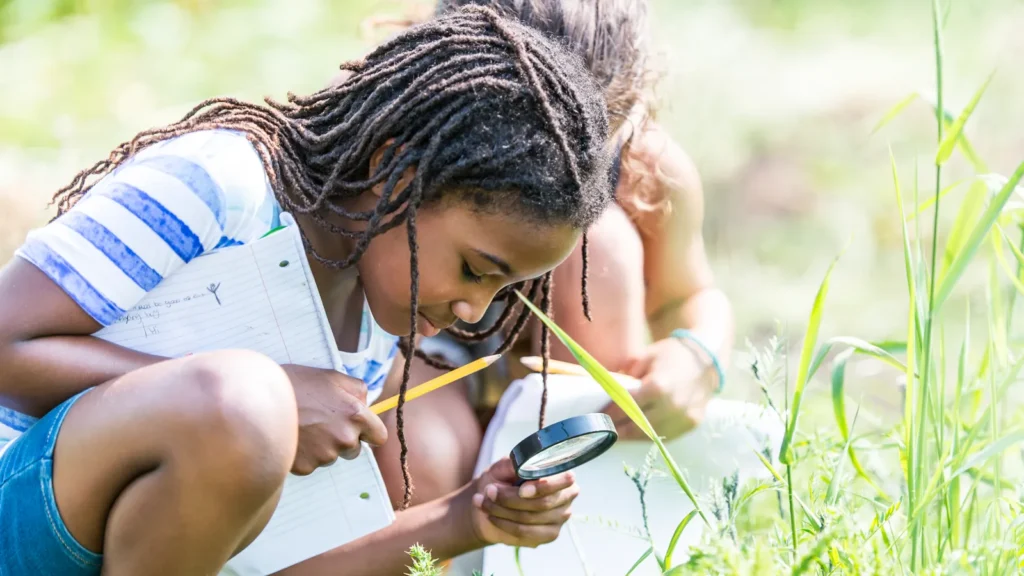
A typical field trip to the Avian Conservation Center is the culmination of weeks of preparatory classroom instruction. Educators like Krishon, a dedicated local science teacher, lay the groundwork long before their students step foot on the facility’s grounds. During these preparatory weeks, students study birds as vital environmental indicators, learning how to identify different species, understand their behavioral traits, and recognize the ecological niches they occupy.
The centerpiece of the field trip is a dynamic "flight demonstration" held in the sanctuary’s sunken outdoor amphitheater. As various species of raptors fly from perch to perch directly above the audience, students observe their physical characteristics in real time. The visual and auditory impact of these demonstrations—such as the near-silent flight of an owl—leaves a lasting impression.
Krishon emphasizes that such experiential learning cannot be replicated through digital media alone. While modern classrooms are equipped with advanced audio-visual tools, high-definition videos, and detailed photographs, they lack the visceral reality of a live animal in motion. The tactile awareness of seeing a bird’s specialized talons, powerful wings, and acute facial features fosters an immediate, emotional connection to the subject matter that textbooks simply cannot achieve.
Behind the Scenes: Veterinary Medicine and Environmental Policy
Beyond the amphitheater, student field trips often include exclusive tours of the center’s behind-the-scenes medical and rehabilitation facilities. For aspiring veterinarians and science-minded youths, this insider access provides a rare glimpse into the rigorous, clinical side of wildlife conservation.
Students observe the inner workings of the avian medical clinic, where veterinarians diagnose injuries, perform surgeries, and administer rehabilitation therapies. Furthermore, visits to the specialized facility for cleaning oiled birds introduce students to the grim realities of industrial pollution and human negligence. Krishon notes that these tours naturally transition into broader discussions regarding public policy, the responsibilities of federal regulatory agencies, and the critical role played by non-profit organizations in disaster response. By witnessing these remediation efforts firsthand, students connect theoretical government policies and environmental laws to real-world applications.
Cultivating Civic Responsibility and Future Conservationists
The ultimate goal of the Avian Conservation Center’s programming extends far beyond immediate academic enrichment or scientific literacy. Educators and center leadership alike view these encounters as a vital investment in the next generation of environmental stewards.
By exposing students to working professionals in fields such as veterinary medicine, ornithology, and wildlife rehabilitation, the center helps demystify career paths in the biological sciences. Students leave with direct contacts and mentors whom they can reach out to as they navigate their own educational and professional futures.
More importantly, these programs aim to instill a profound sense of ecological responsibility. In Krishon’s view, developing an understanding of and care for the natural environment is not merely an elective academic pursuit; it is an essential civic duty. As human populations continue to expand and natural habitats face unprecedented pressures from urbanization, climate change, and habitat fragmentation, the ability of young citizens to comprehend the value of biodiversity and habitat conservation will be paramount.
Through its combination of world-class rehabilitation facilities, interdisciplinary academic integration, and unforgettable live animal demonstrations, the Avian Conservation Center continues to redefine what environmental education looks like in the 21st century. By transforming students from passive observers into active participants in the conversation surrounding wildlife preservation, the center ensures that the majestic birds soaring above its amphitheater will have dedicated defenders for generations to come.