

The annual celebration of wildlife conservation and apex predator biology, Fat Bear Week, experienced an unprecedented technological hurdle during its opening day on September 22, 2026. A historically massive public turnout overwhelmed the digital infrastructure hosting the event, generating widespread 404 errors, severe latency, and sluggish loading times for wildlife enthusiasts attempting to cast their ballots. The sudden surge in web traffic demonstrated the extraordinary and rapidly growing global popularity of the competition, which highlights the health, ecology, and seasonal preparation of brown bears residing within Alaska’s Katmai National Park and Preserve.
Organizers at explore.org, the primary platform hosting the tournament in partnership with the National Park Service and the Katmai Conservancy, were forced to adjust the voting schedule. To accommodate the technical difficulties, Day 1 voting was officially extended into the following day, ensuring that enthusiastic participants would not be disenfranchised by server bottlenecks.
The Anatomy of a Digital Crash
As polls opened on September 22, the sheer volume of incoming traffic immediately pushed hosting platforms beyond their operational limits. Users attempting to access the head-to-head match-ups between prominent ursine competitors were met with blank screens, error messages, and frozen pages.
In an official statement released via social media channels, including Facebook, explore.org addressed the technical strain head-on. The organization clarified that the third-party platform utilized to host the tournament implements strict traffic management protocols, intentionally throttling concurrent views to prevent a total server collapse.
"The platform we use to host Fat Bear Week is throttling the number of people who can view a poll at once," explore.org explained in a public update. "We are working with them to resolve this. If you have voted in Fat Bear Week already, please close the page to allow others to view the polls."
Despite the widespread technical interruptions, organizers reassured the public that ballots successfully submitted prior to encountering errors were securely recorded. Votes cast during the disrupted windows were not lost, and officials confirmed that the integrity of the Day 1 matches remained intact. To alleviate network congestion, organizers issued a public appeal for digital etiquette, urging users to immediately close their browser tabs upon completing their votes to free up bandwidth for incoming visitors.
Day 1 Showdowns and Conservation Stakes
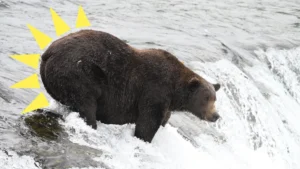
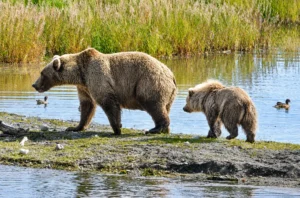
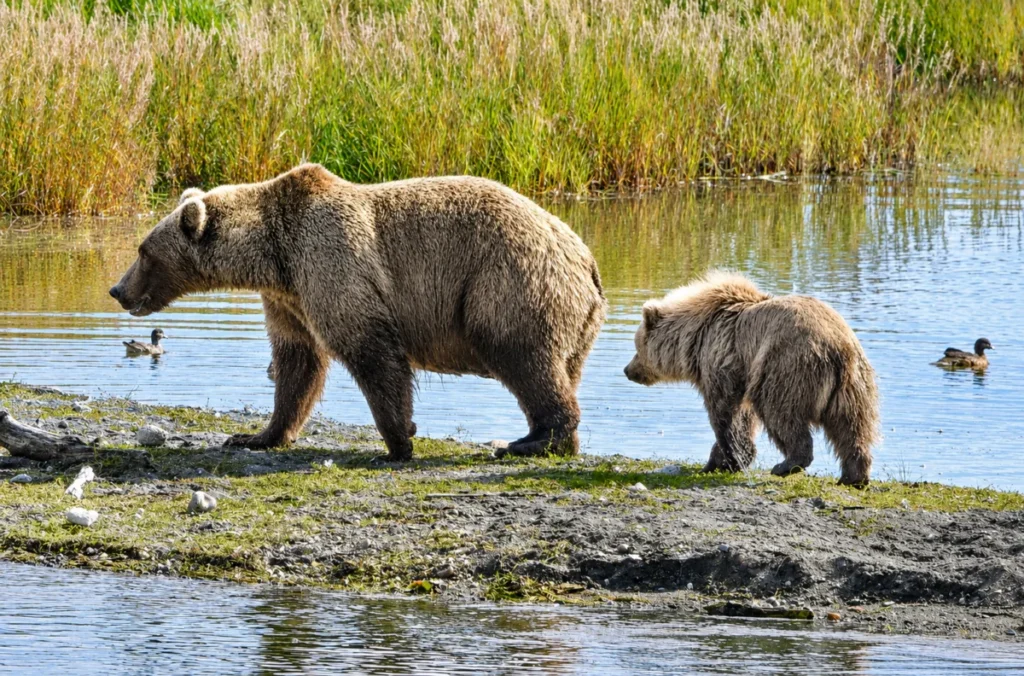
The 2026 iteration of Fat Bear Week kicked off with a fiercely contested slate of opening-round matches. Day 1 featured four distinct head-to-head pairings primarily highlighting maternal bears and single females, showcasing the diverse life histories and survival strategies required to thrive in the harsh wilderness of the Alaskan peninsula.
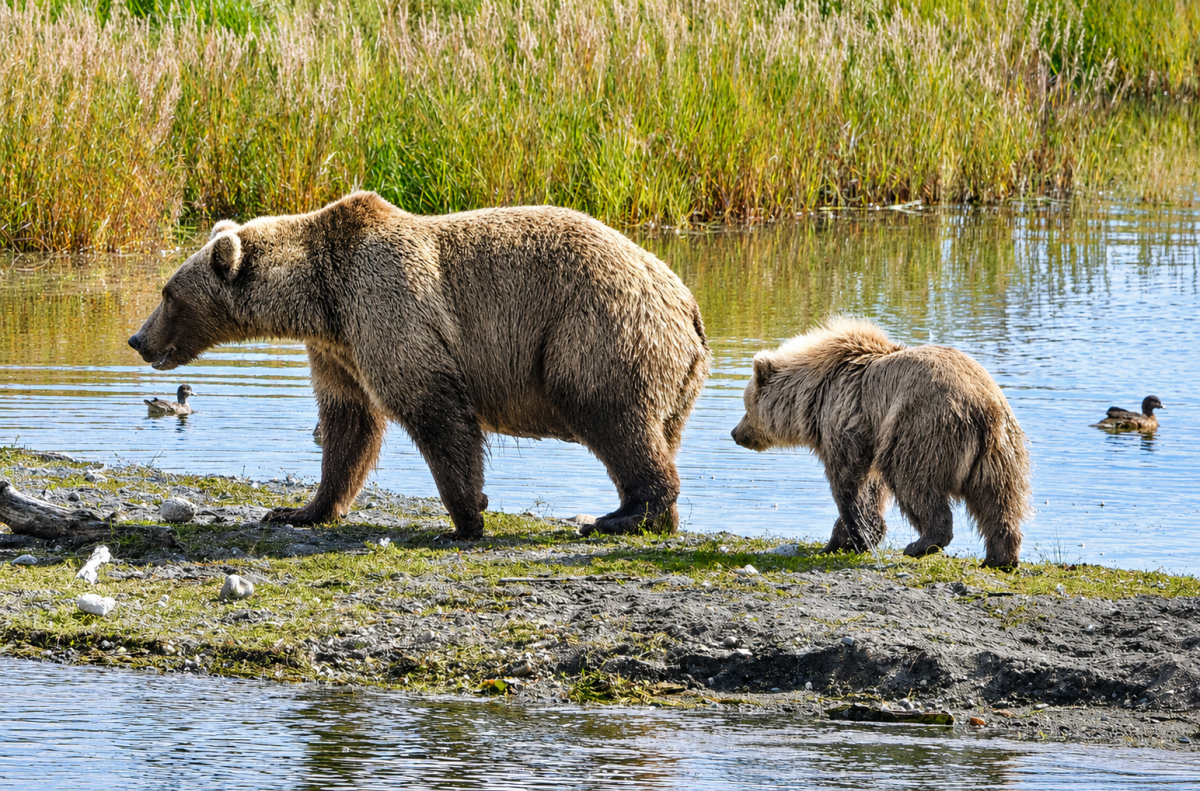
Among the high-profile matchups, Bear 901 faced a rigorous challenge against Bear 806. These encounters serve as more than mere popular spectacles; they provide wildlife biologists and educators with a vital platform to discuss the apex predators’ biology. The fundamental premise of the tournament focuses on hyperphagia—an intensive biological state of extreme hunger and feeding behavior that brown bears enter during late summer and autumn. Driven by hormonal changes, bears consume massive quantities of calorie-dense food, primarily sockeye salmon from the Bristol Bay watershed, to accumulate thick layers of subcutaneous fat required to survive months of winter hibernation.
Katmai National Park, situated along the Pacific Coast of Alaska, boasts one of the densest and healthiest populations of brown bears in the world. The abundance of migrating salmon provides an unrivaled seasonal food source, allowing individual bears to achieve remarkable body masses. Biologists monitor these physical transformations not only to understand local ecosystem health but also to gauge the broader impacts of climate change and shifting salmon runs on wildlife populations.
A Decade-Long Evolution in Public Engagement
Established in 2014 by former Katmai park ranger Mike Fitz, Fat Bear Week began as a modest, lighthearted local initiative known as "Fat Bear Tuesday." Initially designed as a simple way to engage the public with the park’s webcam footage of Brooks River, the event quickly transcended its regional roots to become a global internet phenomenon.
Over the past decade, participation numbers have climbed exponentially. What once attracted a few thousand votes from dedicated nature enthusiasts now routinely draws hundreds of thousands of digital ballots from dozens of countries across the globe. The tournament format mirrors a traditional sports bracket, where users evaluate photographic evidence of the bears’ transformations from lean summer arrivals to robust autumn giants.
The event’s enduring success lies in its unique blend of entertainment, education, and passive conservation advocacy. By transforming ecological monitoring into an accessible, gamified format, explore.org and the National Park Service have successfully cultivated a deeply invested global constituency. Millions of people who will never visit Katmai National Park in person develop a personal connection to individual bears like Bear 901, Bear 806, and past champions, fostering a broader appreciation for wilderness preservation and habitat protection.
Technical Adaptations and Looking Ahead
The server crashes of 2026 underscore a recurring challenge for digital-first conservation initiatives: scaling infrastructure to match viral public enthusiasm. As environmental storytelling increasingly relies on interactive digital platforms, organizations must continually invest in robust web architectures capable of handling sudden, massive influxes of users.
Following the temporary disruptions on opening day, explore.org and its technical partners collaborated to optimize server loads, stabilize page delivery, and expand concurrent user limits. Voting guidelines remained active, with polls open daily from 12:00 PM to 9:00 PM EDT (9:00 AM to 6:00 PM PDT, 8:00 AM to 5:00 PM AKDT) on the official explore.org portal.
The tournament will continue through a series of elimination rounds over the ensuing week, culminating in the crowning of the 2026 Fat Bear Week champion on Tuesday, September 29. Despite the initial technological turbulence, the overwhelming public response signals that the appetite for wildlife education and the celebration of nature’s most successful survivalists remains stronger than ever.