


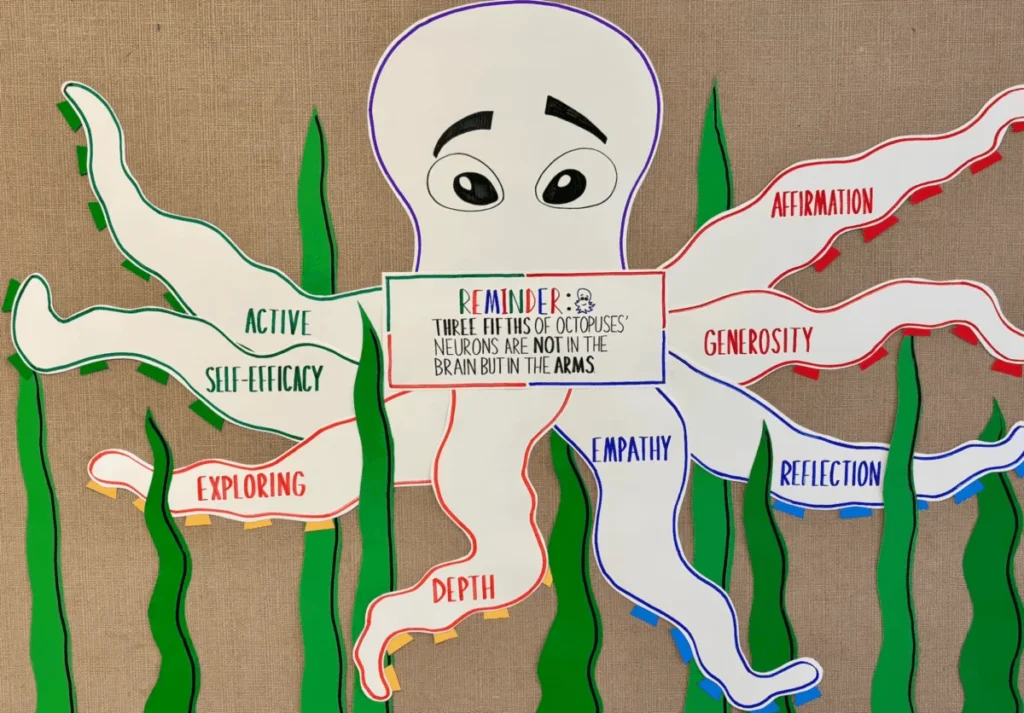
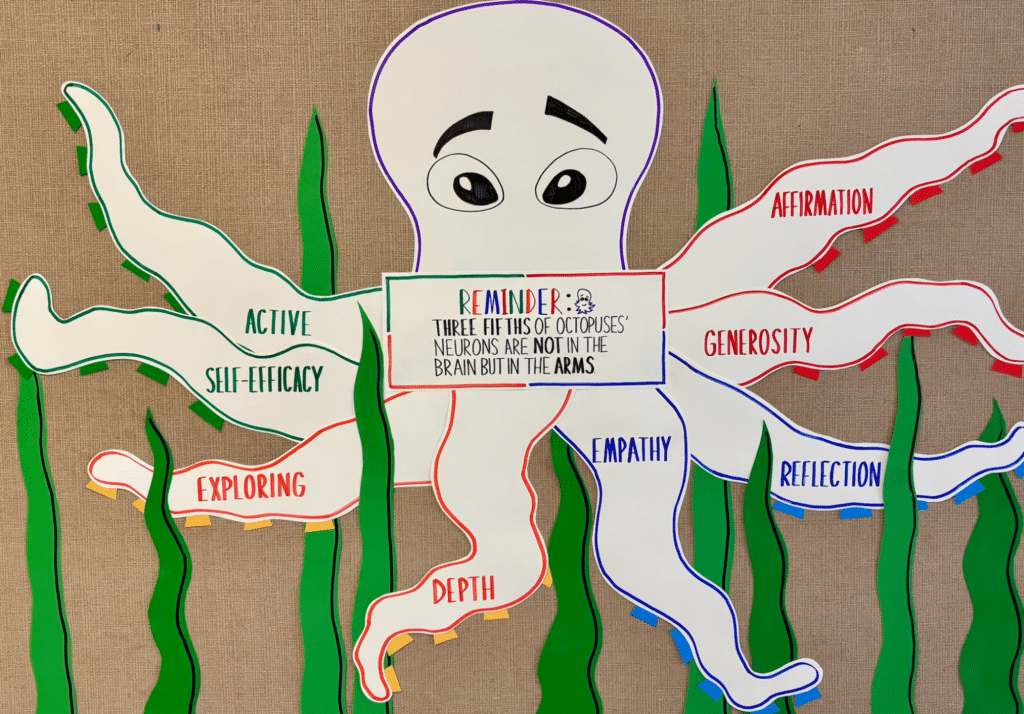
In the modern educational landscape, the challenge of fostering a cohesive, supportive, and emotionally intelligent classroom environment remains a top priority for educators. For over a decade, high school teacher Marcus Luther has implemented a structural pedagogical intervention known as the Octopus Wall, a system designed to codify peer affirmation through visual representation and data-driven recognition. The initiative, which has evolved from a simple pyramid of values into a complex, multi-appendage octopus graphic, serves as a tangible record of student-to-student recognition. By documenting positive behaviors through anonymous nominations, the system transforms abstract classroom values—such as empathy, depth, and self-efficacy—into a verifiable, celebrated component of the daily curriculum.

Chronology and Evolution of the Practice
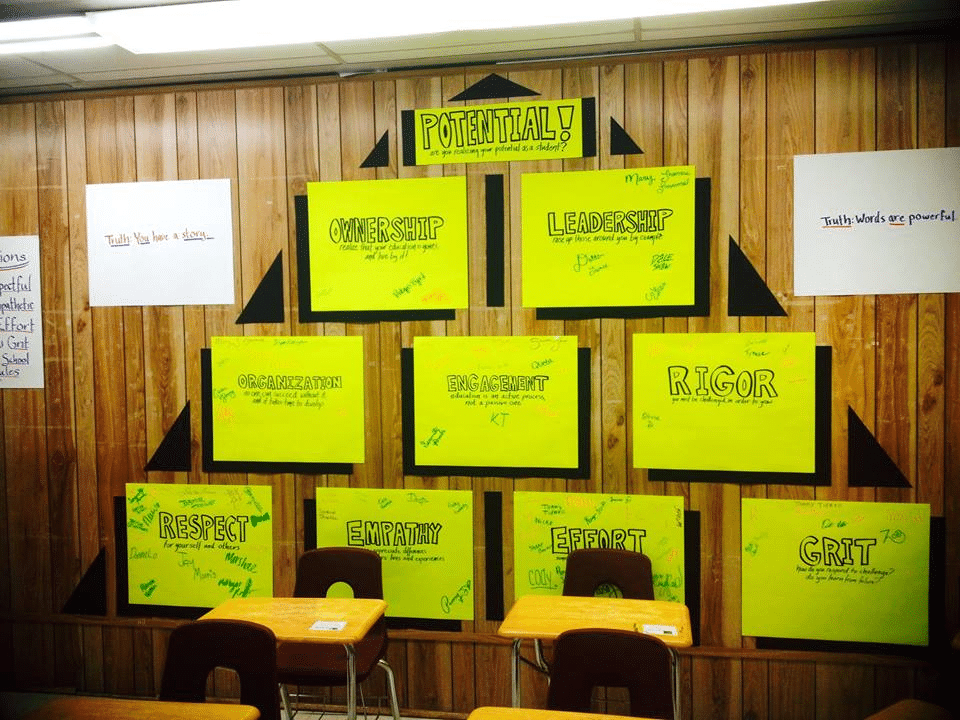
The conceptual origins of the Octopus Wall date back to early classroom observations made by Luther in his wife’s fifth-grade classroom. Witnessing the efficacy of intentional, written positive feedback among younger students, Luther sought to adapt this framework for the secondary school level. Initially, the project was modeled after John Wooden’s Pyramid of Success, a foundational framework in athletic and personal development.
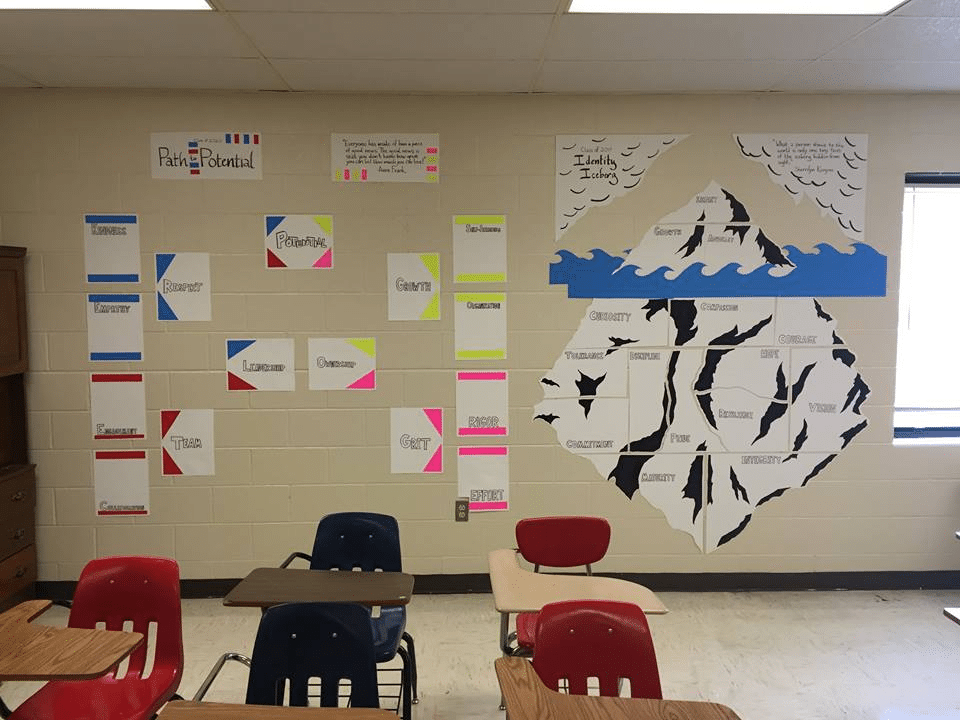
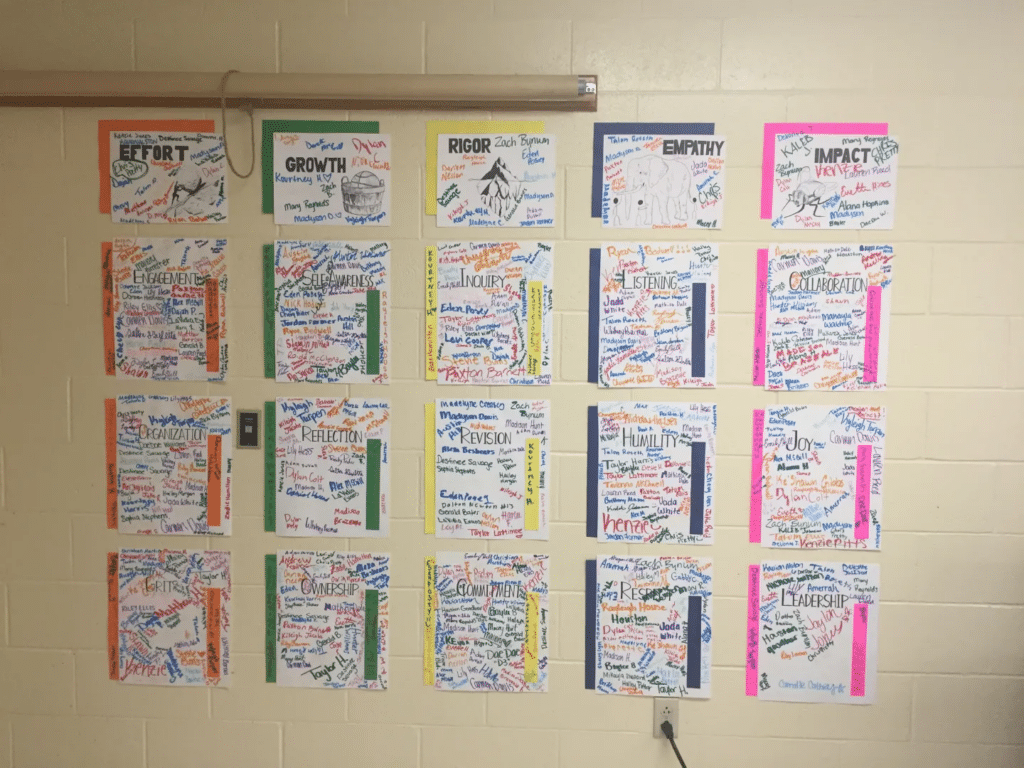
Over the years, the model underwent several iterations to meet the logistical demands of a high school setting, where teachers often manage multiple sections and upwards of 180 students per day. The transition to the octopus motif provided a unique visual anchor for the classroom. The process typically begins at the start of the academic year, with the wall remaining largely blank. This intentional void serves as a catalyst for student curiosity, eventually evolving into a collaborative space where signatures accumulate as the semester progresses. The practice has since become a ritualized component of Luther’s pedagogy, with established procedures for nomination, digital tracking via spreadsheets, and public recognition during class time.
The Mechanics of the Peer Nomination System
At its core, the system relies on three primary pillars: defining core values, facilitating anonymous nominations, and executing a formal recognition ritual. Educators interested in implementing this system are encouraged to begin by selecting a set of values that align with both school-wide standards and individual classroom culture.
The logistical backbone of the system is the use of digital tools, specifically Google Forms, to streamline the nomination process. This method allows students to nominate their peers for specific values, providing a written justification for the nomination. The anonymity of the process is a critical safeguard, ensuring that nominations remain focused on the behavior rather than popularity or interpersonal dynamics. Once the nominations are collected, the teacher acts as the curator, reviewing the submissions and selecting highlights to be read aloud.
This data collection is not merely administrative; it provides a longitudinal view of classroom health. By maintaining a spreadsheet of nominations, educators can identify patterns in student behavior, recognize those who may be consistently overlooked, and generate a repository of qualitative data that proves invaluable for drafting letters of recommendation or preparing for parent-teacher conferences.
Data and Behavioral Implications
Educational research consistently suggests that positive reinforcement, particularly from peers, significantly bolsters student engagement and academic self-concept. In the context of the Octopus Wall, the act of "signing the wall" serves as a ritual of belonging. When a student is publicly affirmed for demonstrating a core value, they are not only receiving praise; they are receiving behavioral feedback that reinforces prosocial actions.
Data gathered from these sessions suggests that even students who initially present with skepticism or "eye-rolling" behaviors often become the most invested participants. This phenomenon, often observed in adolescent social settings, reflects a desire for authentic recognition. When a teacher validates a student’s contribution—such as their ability to engage deeply with a text or their willingness to support a peer—the entire class receives a clear signal regarding what the institution prioritizes. The cumulative nature of the signatures creates a visual archive of community success, shifting the focus from individual competition to collective growth.
Official Perspectives and Pedagogical Theory
From a pedagogical standpoint, the system addresses the "hidden curriculum"—the unspoken rules and social norms that govern student interactions. By making these values explicit and rewarding them, the teacher reduces the ambiguity that often leads to social friction in classrooms. According to educational psychologists, such structures are essential for "psychological safety," a state where students feel secure enough to take academic risks, ask questions, and collaborate without fear of ridicule.
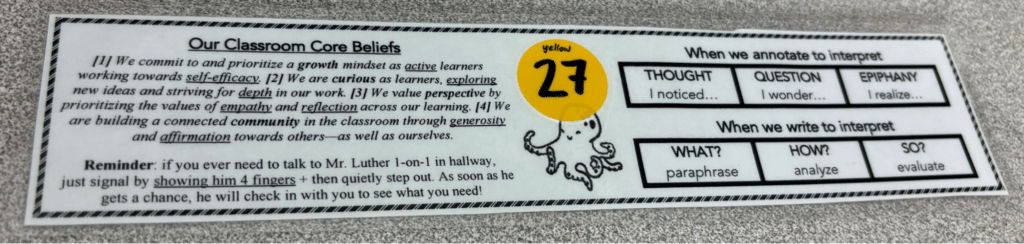
The use of specific, high-level values like "active" or "depth" also elevates the level of discourse. Instead of generic praise, students are tasked with articulating the specific actions that constitute a positive contribution. This encourages a more sophisticated vocabulary for interpersonal communication and self-reflection. The integration of this system into parent-teacher conferences further extends the impact, as it provides parents with evidence-based insights into their child’s social and academic character, beyond standard grade reporting.
Addressing Scalability and Potential Challenges
While the system appears straightforward, its successful implementation requires significant teacher preparation. The primary challenge identified by practitioners is the management of the nomination cycle. For teachers managing large caseloads, the burden of data entry can be a barrier. However, the use of automated digital tools and integrating the nomination process into existing exit-ticket workflows can mitigate this friction.
Another consideration is the "buy-in" factor. In high school settings, where students are often wary of performative praise, the teacher’s role is to ensure the process remains authentic. This is achieved by:
- Consistency: Maintaining the ritual regardless of classroom workload.
- Transparency: Clearly defining what constitutes a worthy nomination to avoid confusion.
- Modeling: The teacher must provide their own nominations to set the tone for the quality of feedback expected from students.
Critics might argue that such systems risk becoming a "popularity contest," but the structured nature of the values-based criteria serves to neutralize this risk. Because students must justify their nominations based on specific classroom values, the focus is redirected from social status to character and contributions.
Broader Impact on School Culture
The implications of this peer-affirmation model extend well beyond the walls of a single classroom. As schools seek to improve student mental health and social-emotional learning (SEL) outcomes, the implementation of low-cost, high-impact rituals like the Octopus Wall offers a viable solution. By formalizing the way students see and value one another, schools can create a culture where kindness, intellect, and collaboration are not just encouraged, but tracked and celebrated.
The ultimate success of the Octopus Wall lies in its ability to endure. By the end of an academic year, a wall filled with signatures serves as a powerful artifact of a community that has spent months observing, evaluating, and appreciating its own internal dynamics. This shift in focus—from what a student is doing wrong to what they are doing right—can fundamentally alter the trajectory of a student’s academic identity.
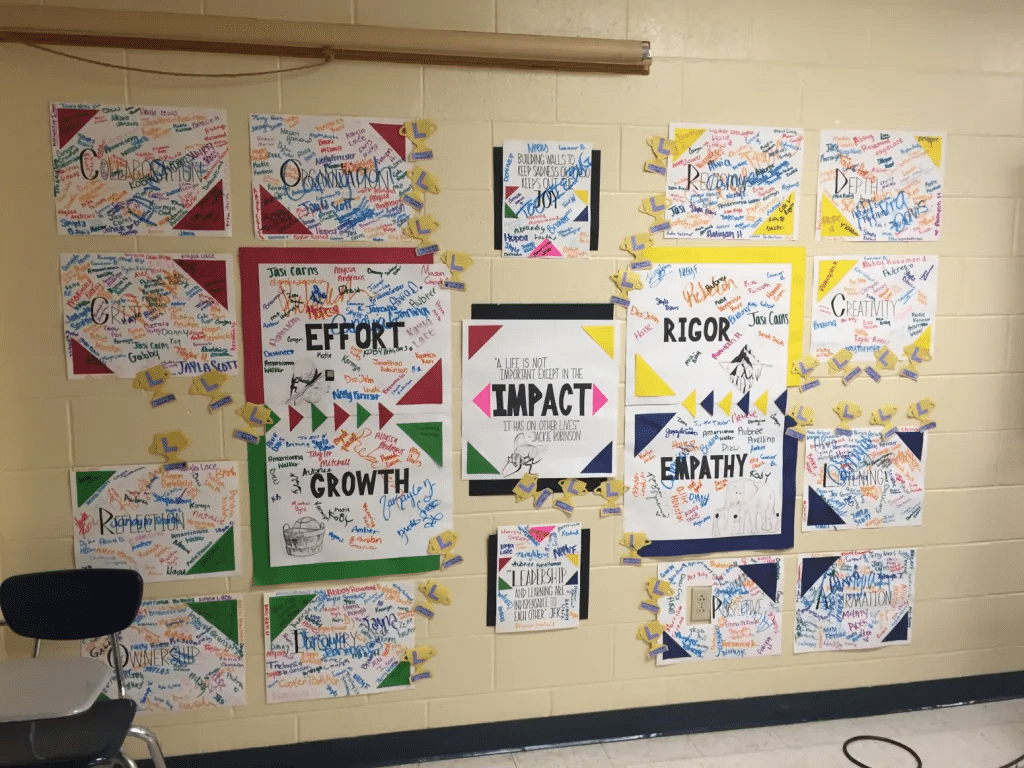
In conclusion, the system developed by Marcus Luther demonstrates that when educators make space for affirmation, they inevitably create a more productive and inclusive learning environment. The ritual of signing the wall, while seemingly simple, functions as a profound endorsement of the student, confirming that their presence and their actions have a measurable impact on their peers. As education continues to evolve, the necessity for such systems, which prioritize the human element of learning alongside academic achievement, will likely only increase. The Octopus Wall stands as a testament to the idea that, when given the tools to do so, students are more than willing to build a culture of mutual support and genuine recognition.