


New research conducted by psychologists at the Università Cattolica in Milan has unveiled a compelling intersection between cognitive psychology and geriatric wellness, suggesting that the human mind may possess an inherent capacity to mitigate the physiological and cognitive declines associated with aging through the mechanism of the placebo effect. Published in the International Journal of Clinical and Health Psychology, the study, led by Diletta Barbiani, Alessandro Antonietti, and Francesco Pagnini, provides empirical evidence that both deceptive and open-label placebos can yield measurable improvements in physical stamina and cognitive acuity in older adults. Supported by PNRR grants through the Age-IT project, this investigation challenges traditional medical paradigms by demonstrating that the simple act of engaging in a health-promoting ritual can trigger significant biological and psychological benefits, even when the subject is fully aware that the intervention lacks active pharmacological components.
The Evolution of Placebo Research
Historically, the placebo effect was viewed by the medical establishment primarily as a "noise" variable—a confounding factor to be controlled for in clinical drug trials to ensure that the genuine efficacy of a pharmaceutical agent could be isolated. However, over the past two decades, the field of psychobiology has shifted its focus. Researchers have begun to view the placebo effect not as a deception, but as a potent neurobiological phenomenon. The mind-body connection, once dismissed as anecdotal, is now being scrutinized through the lens of neurochemistry, with studies indicating that expectation and context can trigger the release of endogenous opioids, dopamine, and other neurotransmitters that alter physical sensations and cognitive performance.
The Milan study represents a crucial evolution in this line of inquiry. While previous research has largely focused on pain management or symptom alleviation in younger populations, the Università Cattolica team sought to determine whether these benefits could be extended to the natural, gradual decline of faculties in healthy, community-dwelling older adults.
Chronology of the Study
The research initiative, spanning several months, involved a rigorous methodological approach to ensure statistical significance. The team recruited a cohort of 90 healthy older adults, creating a controlled environment to measure baseline capabilities before implementing any intervention.
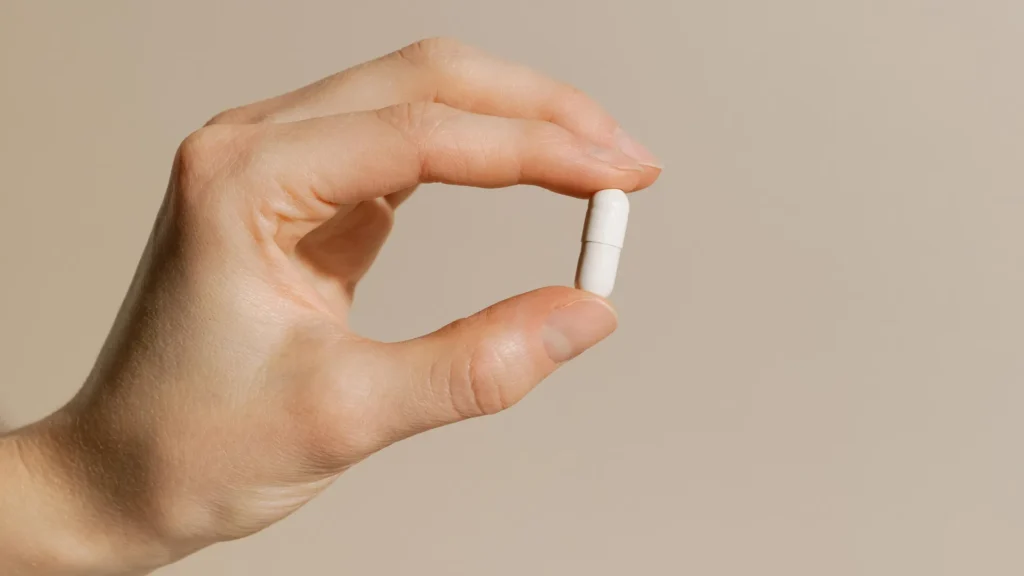
Following the initial recruitment phase, the participants were randomized into three distinct experimental groups. The first served as a control group, receiving no intervention, thereby establishing a benchmark for natural performance variations over the three-week study duration. The second group was administered a "deceptive" placebo, wherein participants were informed they were receiving a supplement designed to enhance physical and cognitive vitality. The third group was assigned to the "open-label" placebo protocol, where participants were transparently informed that the pills contained no active ingredients, but were instructed on the potential for the placebo effect to catalyze mind-body responses.
Over the course of 21 days, participants adhered to their assigned protocols. The study utilized a two-pronged assessment strategy: objective clinical testing and subjective self-reporting. Before and after the intervention, participants were subjected to rigorous assessments of short-term memory and selective attention. Physical performance was measured through standardized functional movement tasks. Simultaneously, participants completed comprehensive questionnaires gauging their internal states, including perceived stress, levels of fatigue, sleep quality, and their personal self-efficacy—the belief in one’s own capacity to execute behaviors necessary to produce specific performance attainments.
Quantitative Data and Performance Outcomes
The findings from the Università Cattolica study provide a compelling statistical narrative. After the three-week duration, the data indicated that the intervention groups outperformed the control group across nearly every measured metric.
Perhaps most striking was the performance of the open-label placebo group. In terms of physical performance, those in the deceptive placebo group saw an increase of 7%, while the open-label group registered a 9.2% improvement. The cognitive results were equally illuminating. Depending on the complexity of the test, those who believed they were taking a real supplement saw performance gains between 12.6% and 14.6%. In comparison, the open-label group—who knew they were taking an inert pill—achieved gains ranging from 6.9% up to 21.5% in certain cognitive tasks.
The data regarding mental well-being was equally significant. Participants in the open-label group reported lower levels of perceived stress than both the deceptive group and the control group. Furthermore, researchers observed a tangible reduction in self-reported drowsiness and fatigue across both placebo groups. Professor Francesco Pagnini, Full Professor of Clinical Psychology at the Faculty of Psychology, noted that these gains are comparable to those seen in established experimental protocols involving physical exercise and specialized cognitive training programs.
Official Perspectives and Theoretical Implications
The implications of these results extend far beyond the specific data points of the study. By validating the efficacy of open-label placebos, the researchers have opened a pathway for a new, ethically sound therapeutic approach. Traditional medicine has often been constrained by the "deception dilemma"—the moral concern that lying to patients about the nature of their treatment, even for their benefit, undermines the physician-patient relationship.
"Our goal was to clarify whether an open-label placebo therapy could influence psychological, cognitive, and physical functions in older adults," Pagnini stated. The success of the open-label arm suggests that the "ritual" of treatment, combined with an understanding of the mind-body connection, may be sufficient to elicit positive physiological changes.
Other experts in the field of gerontology and behavioral health have responded with cautious optimism. If the aging process is, in part, influenced by self-perception and cognitive engagement, then interventions that foster a sense of control and optimism may be as vital as pharmacological ones. The Age-IT project, which supported this research, focuses on the broader demographic challenge of an aging population. Integrating placebo-based, non-pharmacological interventions could potentially reduce the reliance on secondary medications that carry risks of side effects, polypharmacy, and drug interactions, particularly in elderly populations.
Broader Impact on Healthy Aging
The Università Cattolica study highlights the profound influence of the "psychology of aging." For decades, societal stereotypes regarding the inevitability of physical and cognitive decline have been shown to act as a self-fulfilling prophecy. When older adults are exposed to negative stereotypes about their age, their performance on cognitive tasks often declines. Conversely, the findings from this study suggest that by providing a mechanism—the placebo—that encourages a focus on health and improvement, the psychological "anchor" of decline can be lifted.
The implications for public health are significant. If researchers can formalize "mind-based" therapies that require no active drugs, healthcare systems could potentially offer low-cost, low-risk interventions to bolster the quality of life for millions of seniors. This is particularly relevant in the context of the current global demographic shift, where the ratio of older adults to the working-age population is increasing, placing unprecedented pressure on healthcare infrastructure.
Future Research Directions
While the results are promising, the research team acknowledges the need for long-term studies. The current investigation focused on a three-week window; determining whether these benefits are sustainable over months or years remains the next major hurdle. Furthermore, researchers are interested in identifying the specific neurobiological pathways through which the open-label placebo functions. Is it a reduction in cortisol, an increase in dopamine, or a shift in the autonomic nervous system that drives these improvements?
As the scientific community continues to explore the frontiers of the mind-body connection, the Milan study stands as a foundational piece of evidence. It suggests that the human capacity for self-regulation is far more robust than previously understood. By reframing the placebo effect from a source of medical error to a tool for clinical improvement, researchers like Barbiani, Antonietti, and Pagnini are paving the way for a future where the mind is recognized as a primary, rather than secondary, instrument in the pursuit of healthy, active aging. The findings serve as a reminder that the narrative we construct about our own health—and the belief we hold in our capacity to function—may be one of the most powerful medicines available in the 21st century.







