



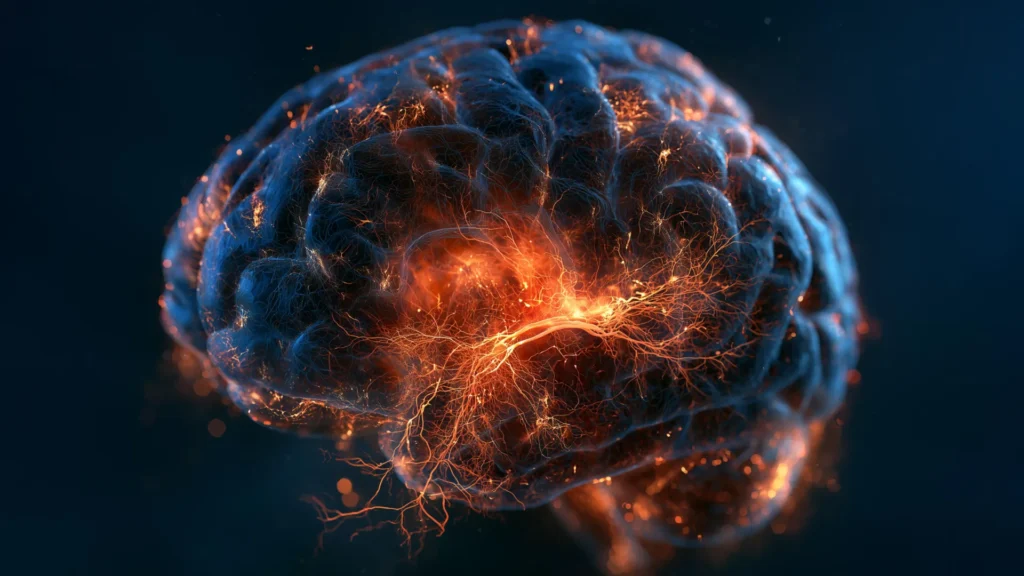
While the vast majority of the human brain’s approximately 100 billion neurons are generated during embryonic and fetal development, the adult brain retains a limited capacity for neurogenesis. Specifically, the hippocampus—the brain’s center for episodic memory and emotional regulation—continues to produce new neurons throughout adulthood. New research published in the August 21, 2026, issue of the journal Nature Medicine by a team at Columbia University Vagelos College of Physicians and Surgeons suggests that the halting of this neurogenic process is a hallmark of major depressive disorder (MDD). This discovery shifts the clinical understanding of depression from a simple chemical imbalance to a complex failure of neural plasticity and circuit adaptation.
A Paradigm Shift in Psychiatric Understanding
For decades, the "monoamine hypothesis" dominated the psychiatric field, positing that depression was primarily caused by a deficiency in neurotransmitters such as serotonin, norepinephrine, or dopamine. While medications targeting these pathways have provided relief for millions, they often fail to produce meaningful, long-term recovery for a significant portion of the patient population.
The Columbia University research, led by Professor of Psychiatry Maura Dupont, argues that the biological roots of depression are far more structural and systemic. According to the study, the inability to generate new neurons prevents the brain from effectively adapting to chronic stress and environmental shifts. This loss of neuroplasticity appears to leave individuals trapped in a state of emotional rigidity. "Historically, depression was thought to be a disease of neurotransmitter deficiency," Dr. Dupont notes. "We now recognize that the disorder stems from multifaceted issues that compromise the neurons’ inherent ability to adapt to changing environments."
The Mechanics of Memory and Emotional Resilience
To understand why the hippocampus is central to this dysfunction, researchers examined its role in "pattern separation." This cognitive function allows the human brain to distinguish between similar but distinct memories and to categorize experiences as unique events. When pattern separation is functioning optimally, an individual can differentiate between a neutral social interaction—such as a friend appearing tired during lunch—and a traumatic past experience of social rejection.
In the brains of patients with MDD, the study found that the impairment of neurogenesis degrades this separation process. Consequently, the brain tends to conflate current neutral or ambiguous experiences with past negative memories. This creates a cognitive bias wherein the individual consistently interprets reality through a lens of past trauma or perceived failure.
"When pattern separation becomes impaired, memories and their associated emotions blend," explains Dr. Dupont. "We observe this frequently in clinical settings where patients struggle to retrieve anything but negative information from their memory banks. If you cannot store new experiences as distinct from old ones, you lose the ability to update your emotional map of the world."
Unprecedented Cellular Analysis: A Technical Milestone
The research team employed high-resolution genomic and proteomic techniques to analyze nearly 500,000 brain cells harvested from donors who suffered from MDD and control subjects. By conducting single-cell RNA sequencing and examining protein alterations, the scientists were able to map the molecular geography of depression with unprecedented granularity.
The data revealed that the dysfunction was not limited to the birth of new neurons. The entire trisynaptic circuit—the primary pathway through which the hippocampus processes emotional memories—showed systemic signs of cellular stress and inflammation. The researchers identified disruptions in genes responsible for:
- Synaptogenesis: The formation of new connections between existing neurons.
- Cellular Energetics: The metabolic pathways that supply energy to neurons, often found to be depleted in depressive states.
- Intracellular Transport: The mechanisms that move proteins and essential materials within the cell body.
These findings suggest that depression is not a single, monolithic disease, but rather a collection of molecular pathologies that converge on the hippocampus. The presence of epigenetic modifications—"dimmer switches" that regulate gene expression based on life experience—further highlights how environmental stressors interact with genetic predispositions to turn the hippocampus into a site of cellular degradation.
Chronology and Scientific Context
The investigation into hippocampal neurogenesis in adults has been a slow, contentious process in neuroscience. For years, the scientific community debated whether humans continued to produce neurons in the hippocampus after adolescence.
- 2010s: Early studies using carbon-14 dating provided the first modern evidence of adult human hippocampal neurogenesis, fueling interest in its potential role in mental health.
- 2018-2020: Studies involving radiation therapy patients offered a "natural experiment," showing that when hippocampal neurogenesis was suppressed as a side effect of cancer treatment, patients often reported heightened emotional dysregulation and memory deficits.
- 2026: The Columbia University study serves as the most comprehensive molecular mapping to date, providing the causal link between the cessation of neurogenesis and the clinical phenotype of major depressive disorder.
Toward Molecular Subtypes of Depression
The implications of this research are profound for the future of psychiatric diagnostics. Dr. Dupont and her team advocate for a transition away from the current symptom-based classification of depression (such as the DSM-5 criteria) toward a system of molecular subtyping.
In the field of oncology, the classification of tumors by genetic and cellular markers has led to the development of highly specific, targeted therapies. The researchers suggest that if depression can be categorized by which molecular pathways—such as those involved in cellular energy or synaptic connectivity—are disrupted, clinicians could prescribe treatments that target the specific biological failure of the patient.
"We want to reclassify depression based on its molecular features," Dr. Dupont stated. "By defining the disorder more precisely at the cellular level, we can move toward a future where we are treating the specific biological cause of a patient’s depression rather than merely masking the symptoms with systemic medication."
Broader Impact and Future Directions
The study, which involved an extensive collaborative effort between Columbia University and the New York State Psychiatric Institute, has drawn praise from the broader neurological community for its methodological rigor. While the study does not claim to have discovered a "cure," it provides a clear roadmap for drug development. Potential future treatments may focus on "turning on" neurogenesis or repairing the trisynaptic circuit through targeted pharmacological interventions that restore cellular energy or reduce inflammatory responses.
Furthermore, the research underscores the importance of environmental factors in shaping brain biology. Because epigenetic changes—influenced by stress, diet, and learning—are dynamic, there is potential for the brain to be "rewired" or for neurogenesis to be stimulated through non-pharmacological interventions, such as intensive cognitive therapy or lifestyle modifications, which may themselves modulate gene expression.
As the scientific community digests these findings, the focus will likely shift toward clinical trials aimed at reversing the molecular disruptions identified in the study. For the millions of individuals suffering from treatment-resistant depression, this research offers the first tangible evidence that their condition is rooted in a reversible biological mechanism, providing a beacon of hope for more effective, precision-based mental healthcare in the coming decade. The study stands as a foundational document for the next era of neuro-psychiatry, signaling a definitive move away from the neurotransmitter-centric models of the 20th century.