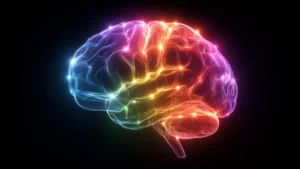



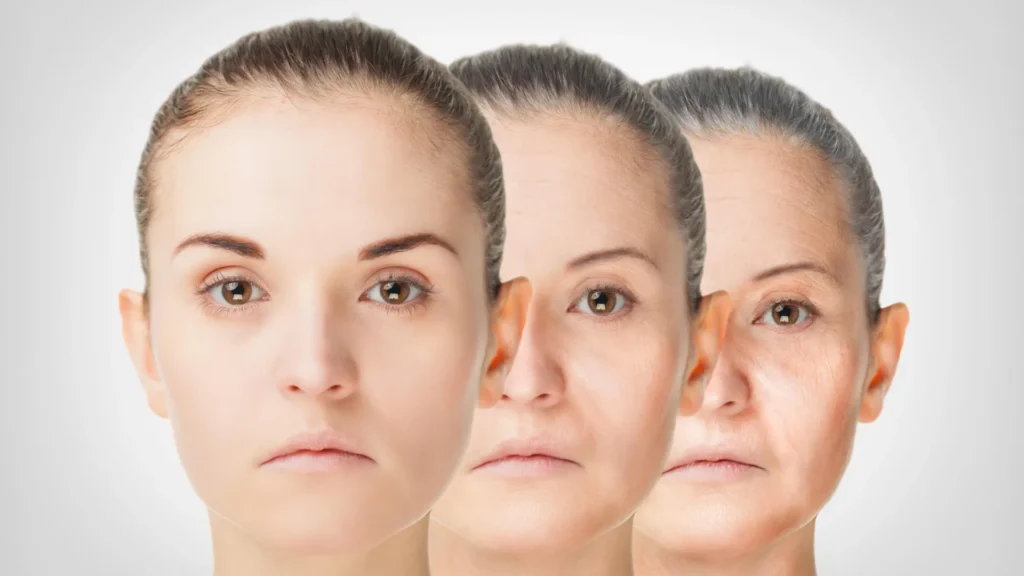
For decades, biological aging was viewed as an inevitable, systemic erosion of tissues and organs, a slow decline driven by the cumulative wear and tear of living. However, a burgeoning field of neuroscience is challenging this paradigm by suggesting that the brain—specifically a small, central structure known as the hypothalamus—acts as a master regulator of the aging process. Recent scientific breakthroughs, headlined by the discovery of a protein called Menin, suggest that age-related deterioration may not be a passive decline but an active, potentially reversible biological cascade.
The Hypothalamic Hypothesis: A Control Center for Longevity
At the base of the brain, the hypothalamus serves as the body’s primary command center. It governs a vast array of life-sustaining processes, including core temperature, hunger cycles, metabolic rate, sleep architecture, and the complex interplay of the endocrine system. Because it orchestrates these essential functions, even subtle shifts in hypothalamic efficiency can ripple outward, impacting every organ system from the skin to the skeletal structure.
In March 2023, a study published in PLOS Biology by a research team led by Lige Leng of Xiamen University shifted the focus of aging research toward this critical region. The researchers identified that as mice age, the expression of the protein Menin declines significantly within specific hypothalamic neurons. This reduction in Menin, they argued, is not merely a symptom of aging but a driver of it. When Menin levels drop, the resulting neuroinflammation and metabolic dysfunction begin to manifest as the physical hallmarks of aging: bone loss, thinning skin, and cognitive decline.
Chronology of the Menin Discovery and Subsequent Evidence
The trajectory of this research has been rapid, moving from initial identification to complex validation over the past several years:
- March 2023: The landmark PLOS Biology paper establishes the link between hypothalamic Menin depletion and systemic aging in mice, demonstrating that gene-delivered restoration of Menin reverses physical and cognitive markers in 30 days.
- 2024: A wave of supporting research emerges. A study in Cell Metabolism by Washington University researchers identifies a separate hypothalamic pathway involving fat tissue communication, reinforcing the theory that the brain acts as an aging "hub." Meanwhile, the Journal of Physiology and Biochemistry reports that Menin provides direct neuroprotective benefits against stress-induced cell death.
- January 2025: A massive genomic analysis published in Nature, detailing 1.2 million mouse brain cells, identifies the third ventricle of the hypothalamus as a high-vulnerability zone for aging, validating the region’s importance.
- 2026: Further studies in Cell and Cell Metabolism expand the scope, showing that regulating circadian rhythms and muscle-to-brain signaling via the protein Mimecan can significantly extend lifespan and reduce biological age markers.
The Mechanism of Action: The Serine Connection
One of the most compelling aspects of the Leng study was the discovery of how Menin influences cognitive performance. The research team found that Menin helps regulate the production of an enzyme called PHGDH, which is essential for the synthesis of D-serine. D-serine is a crucial amino acid that functions as a co-agonist for NMDA receptors, the "gatekeepers" of synaptic plasticity—the ability of neurons to form the connections necessary for learning and memory.
When Menin declines, D-serine levels in the hippocampus plummet. By supplementing older mice with D-serine in their drinking water, the researchers observed significant improvements in cognitive testing in just three weeks. This underscored a vital insight: while Menin appears to govern the physical, systemic signs of aging, D-serine acts as a specific chemical lever for neurological function. The fact that cognitive gains could be achieved without fully restoring systemic Menin levels suggests that aging is a modular process with multiple targetable pathways.
Contextualizing the Findings: Data and Limitations
While the results in murine models are statistically significant, the translation to human biology requires extreme caution. The 2023 study showed that restoring Menin in the ventromedial hypothalamus (VMH) of 20-month-old mice—the human equivalent of late middle age—extended their lifespans and improved physical vitality. However, researchers emphasize that the biology of a mouse is not a perfect mirror for that of a human.
Clinical evidence for D-serine in humans remains mixed. A 2016 randomized clinical trial involving 50 healthy older adults showed limited success, with improvements noted in spatial learning but not in broader cognitive domains. Furthermore, recent research published in Cellular and Molecular Life Sciences (April 2025) presents a conflicting narrative: in mouse models of Alzheimer’s disease, excessive D-serine was actually linked to signaling dysfunction, suggesting that the "Goldilocks principle" applies. In some pathological states, the brain requires less, not more, of this amino acid.
Implications for Future Anti-Aging Medicine
The implications of this research are profound for the field of gerontology. If the hypothalamus truly acts as a biological clock, future therapies may move away from broad-spectrum interventions and toward precise, circuit-specific gene or protein therapies.
"We speculate that the decline of Menin expression in the hypothalamus with age may be one of the driving factors of aging," says Lige Leng. This hypothesis suggests that aging could be treated as a regulatory failure rather than a biological inevitability. The success of the 2026 studies—which utilized distinct pathways like Mimecan and circadian regulation—supports the idea that there is no "master switch" for aging. Instead, aging appears to be an ensemble performance of multiple, interconnected systems that scientists are only now beginning to decipher.
Challenges in Clinical Translation
For the scientific community, the path forward involves answering difficult questions regarding long-term safety and systemic integration. For instance, if a therapy were to successfully restore Menin in a human hypothalamus, would it trigger unforeseen feedback loops in other organ systems? Does the chronic suppression of neuroinflammation through these pathways carry a risk of impairing the brain’s ability to mount necessary immune responses against acute infections?
Furthermore, the issue of delivery remains a primary barrier. Currently, the most successful experiments in these studies utilize viral vector-mediated gene delivery directly into the brain—a procedure that is highly invasive and, in its current form, impractical for the general population. While D-serine supplementation offers a less invasive, oral route, the lack of standardized dosing and the potential for kidney toxicity at high levels prevent it from being a clinical recommendation.
A Shifting Paradigm
The shift toward viewing the brain as the primary architect of systemic aging represents a significant departure from the traditional focus on telomere shortening, mitochondrial decay, or cellular senescence in peripheral tissues. By mapping the specific neurons that govern metabolic, hormonal, and cognitive health, researchers are identifying "nodes" of vulnerability.
The collective findings from 2023 to 2026 suggest that while we cannot stop the passage of time, we may eventually be able to modulate the biological response to it. The focus is no longer on how many years an organism has lived, but on how effectively the hypothalamus can communicate with the rest of the body to maintain homeostasis.
As researchers prepare for more advanced trials, the focus will likely remain on the "crosstalk" between the hypothalamus and peripheral organs. Whether it is through the Menin pathway, the Mimecan-skeletal muscle axis, or the modulation of circadian genes, the emerging consensus is clear: the aging process is a complex, multi-layered communication network. If science can learn to tune these signals, the potential to extend "healthspan"—the period of life spent in good health—could become the most significant medical achievement of the 21st century.
For now, the work of Leng and others remains in the realm of experimental science. Yet, the evidence has moved the needle significantly. The dream of reversing the systemic decay of old age, once considered a pursuit of science fiction, is now a measurable, albeit distant, objective of mainstream biology. As the research continues to evolve, the distinction between "natural aging" and "treatable dysfunction" will likely continue to blur, providing a new roadmap for the future of medicine.