


The modern digital ecosystem demands constant connectivity, turning portable power banks from niche tech accessories into absolute daily essentials. Whether navigating a congested airport terminal, working remotely from a coffee shop, or tracking a backcountry hiking trail, keeping smart devices alive has become a logistical necessity. However, the portable charger landscape has experienced significant shifts, marked by evolving airline regulations, major product recalls, and rapid technological breakthroughs like Qi2.2 magnetic wireless charging. Understanding these developments ensures consumers can power their devices safely and efficiently without violating aviation standards or investing in obsolete hardware.
The Evolution of Portable Power: Key Industry Shifts
The portable charger market has undergone a turbulent yet innovative period leading into late 2026. A primary driver of change has been a tighter regulatory environment regarding lithium-ion batteries. Following increased scrutiny from aviation authorities, major domestic and international carriers have instituted stricter limits on carrying and stowing power banks. Airlines such as American, Delta, and Southwest have updated their policies to cap passengers at a maximum of two power banks under 100Wh each, while simultaneously barring these devices from overhead storage bins to mitigate fire risks.
Concurrently, safety concerns prompted widespread manufacturer interventions. Throughout late 2025 and 2026, regulatory bodies like the Consumer Product Safety Commission (CPSC) oversaw major safety sweeps. Most notably, Anker issued multiple voluntary recalls affecting hundreds of thousands of units across various popular models in mid-to-late 2025, while competitor INIU faced a significant recall of its popular BI-B41 power bank in December 2025 due to overheating and fire hazards. These events underscored the importance of purchasing exclusively from transparent, reputable brands and verifying specific model and serial numbers before use.
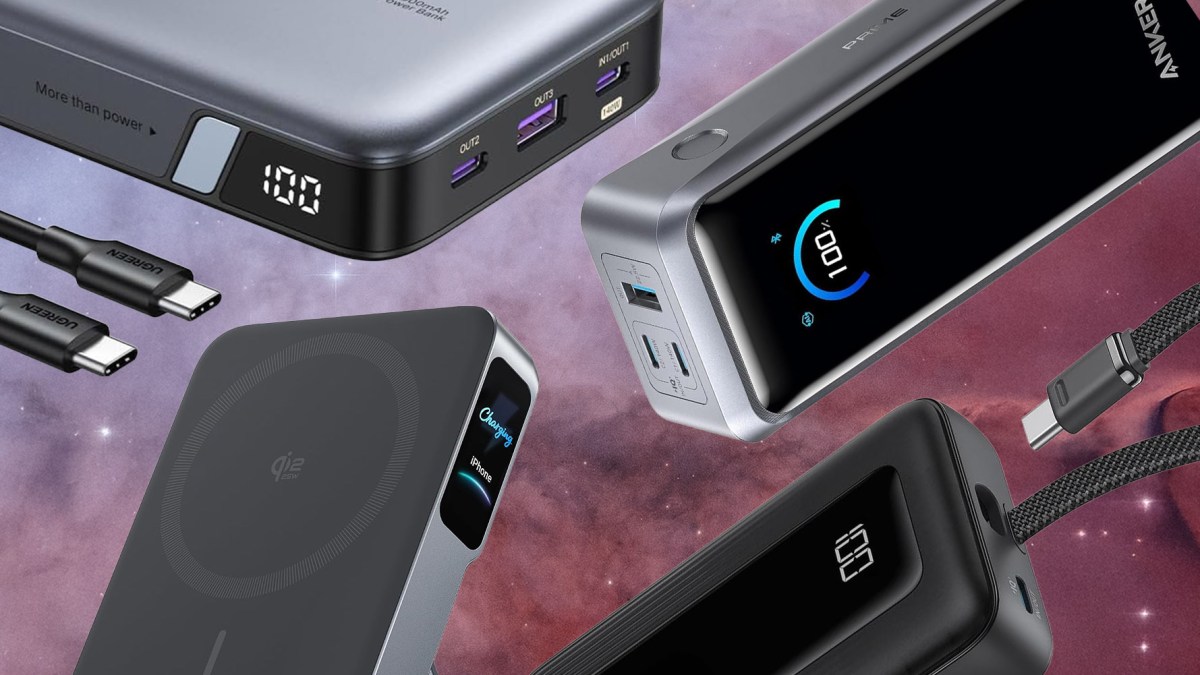
Despite regulatory and safety hurdles, technological advancements have significantly improved user experience. The introduction of Qi2.2 standards has successfully elevated magnetic wireless charging speeds from 15W to 25W for compatible smartphones. This allows iPhone users, in particular, to enjoy faster cable-free replenishment, though the resulting heat generation has forced manufacturers to incorporate sophisticated cooling solutions, such as micro-cooling fans, into their high-end magnetic offerings.
Selecting the Right Portable Charger: Essential Metrics
Navigating the crowded marketplace requires understanding two fundamental metrics: device power draw and travel intentions. Consumers must carefully analyze both the capacity of the power bank and its maximum power output to match their specific lifestyle requirements.
Capacity Demands and Real-World Physics
Capacity is traditionally measured in milliamp-hours (mAh) at the internal cell voltage—typically around 3.7 volts for standard lithium-ion batteries. However, because devices charge at higher voltages, conversion losses inevitably occur as heat. Consequently, a 10,000mAh power bank will not entirely replenish a 5,000mAh phone battery twice; real-world efficiency typically hovers closer to 70 to 74 percent of the advertised label.
For more precise calculations, industry experts recommend looking at watt-hours (Wh). This metric remains independent of internal voltage fluctuations and serves as the universal standard for commercial aviation limits. The Federal Aviation Administration (FAA) permits unrestricted carry-on transport of batteries under 100Wh. A standard 10,000mAh bank usually equates to roughly 37Wh, comfortably handling a single day of heavy smartphone usage. Conversely, 20,000mAh (roughly 74Wh) supports weekend trips or tablets, while 25,000mAh capacities push right against the 99.75Wh ceiling, providing the necessary wattage to sustain modern laptops.
Output Wattage and Device Compatibility
Power output, measured in watts, dictates how rapidly a charger can replenish connected devices. Modern smartphones frequently support fast-charging profiles between 20W and 45W, whereas laptops require anywhere from 45W to 140W via USB Power Delivery (USB PD). Consumers must verify whether an advertised maximum wattage represents a single-port capability or a combined total split across multiple active connections. Utilizing a multi-port charger simultaneously can drastically reduce the individual power delivery to power-hungry workstations.
Top Recommended Portable Chargers of 2026
Industry evaluations and expert roundups highlight several standout models dominating the market across various specialized categories.
Best Overall: Anker Prime Power Bank (26K, 300W)
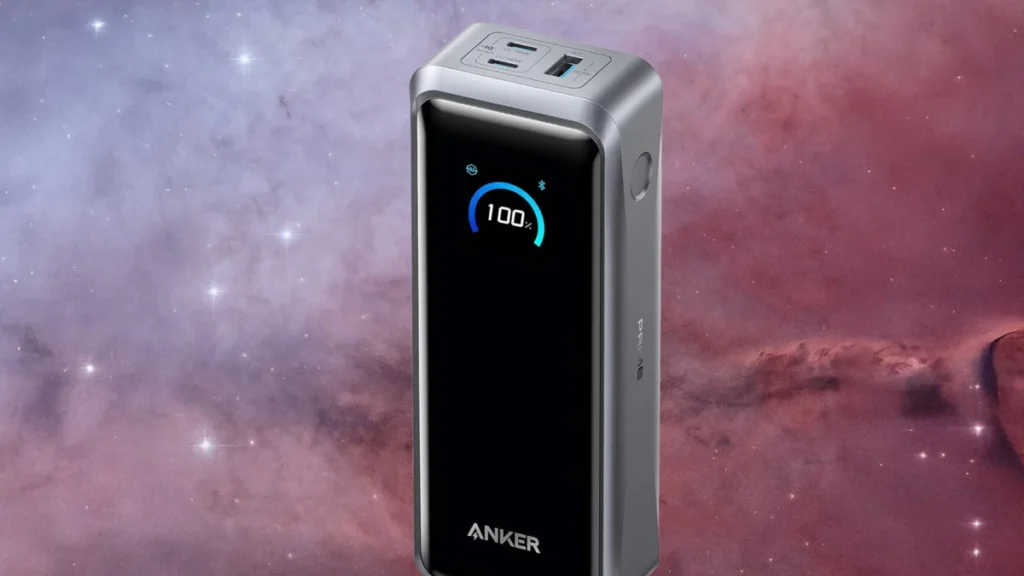
Retailing at approximately $229.99, the Anker Prime Power Bank (Model A110A) represents the pinnacle of high-capacity portable power. Engineered with dual USB-C ports rated at 140W each and a total output ceiling of 300W, it can effortlessly fast-charge two laptops simultaneously while running a smaller accessory via its USB-A port. Despite its substantial 26,250mAh capacity, it maintains a total energy rating of 99.75Wh, keeping it just beneath the strict 100Wh airline carry-on threshold. Furthermore, its rapid-recharge capabilities allow the unit to recover up to 80 percent of its charge in just 40 minutes when utilizing dual high-wattage wall adapters.
Best for Travel: UGREEN Nexode Power Bank 20,000mAh 130W
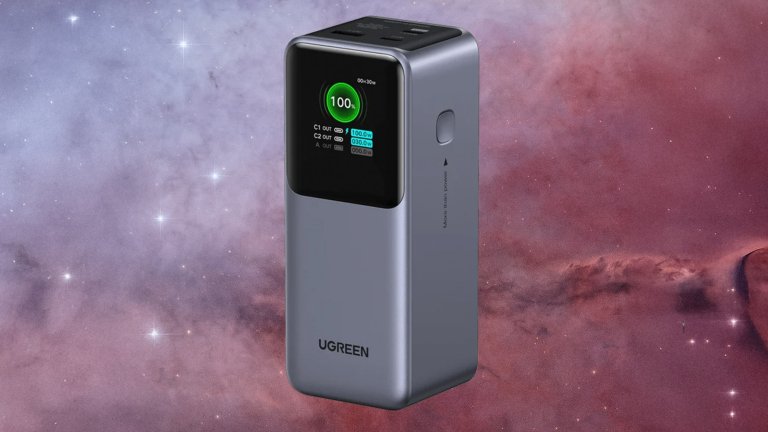
Priced at $59.99, the UGREEN Nexode (Model PB721) strikes an optimal balance between capacity and portability. Delivering a total output of 130W across dual USB-C ports, it easily slides into a backpack sleeve while providing multiple full charges for smartphones and tablets. Its integrated smart digital display offers real-time diagnostics, displaying voltage and current outputs to confirm whether connected devices are receiving optimal fast-charging speeds.
Best MagSafe Option: Anker MagGo Power Bank 2 Pro
Tailored specifically for modern smartphone users, the Anker MagGo Power Bank 2 Pro (Model A110R) retails for $109.99. Leveraging the advanced Qi2.2 wireless standard, it delivers up to 25W of magnetic wireless charging to compatible iPhone models, alongside 45W wired capabilities via USB-C. Because high-speed wireless power generation naturally produces thermal energy, Anker integrated a subtle cooling fan featuring adjustable silent and cool modes, ensuring the device remains comfortable to handle during operation.
Best Multipurpose Hybrid: Anker Power Bank (10K, Fusion, Built-In Cable)
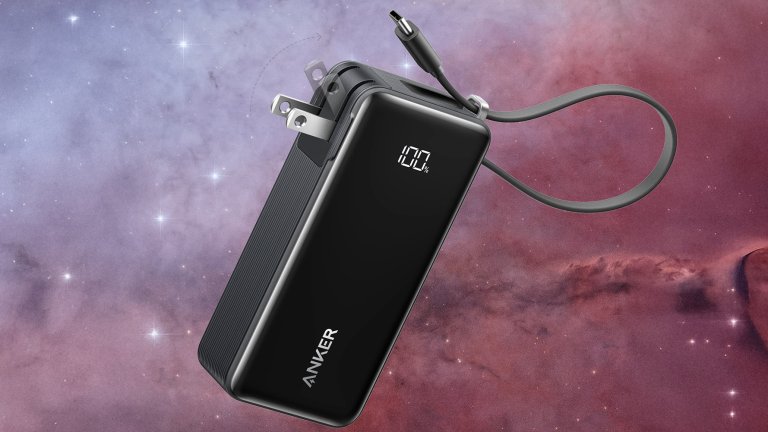
Costing $52.99, the Anker Fusion (Model A1637) serves a dual purpose as both a traditional wall charger and a 10,000mAh power bank. Equipped with folding AC wall prongs and a built-in USB-C cable, it eliminates the common inconvenience of forgetting a charging cord. It delivers up to 30W of output, making it an ideal companion for lightweight travelers managing phones, earbuds, and tablets.
Best for Laptop Users: UGREEN Nexode Power Bank 25,000mAh 145W
For mobile professionals operating out of coffee shops or transit hubs, the UGREEN Nexode 25,000mAh 145W power bank ($79.99) provides reliable workstation tethering. Delivering roughly 90Wh of total capacity, it stays well clear of airline restrictions while offering enough juice to extend a 16-inch laptop’s runtime by several hours.
Best Alternative with AC Outlet: Goal Zero Sherpa 100AC
Retailing at $249.95, the fourth-generation Goal Zero Sherpa 100AC (Model 22200) caters to specialized gear that exclusively relies on traditional two-prong AC plugs, such as camera battery chargers and older electronics. It incorporates a true 100W AC outlet alongside modern USB-C power delivery ports, all while remaining compliant with FAA carry-on regulations.
Best for Hiking and Backpacking: Nitecore NB10000 Gen 4
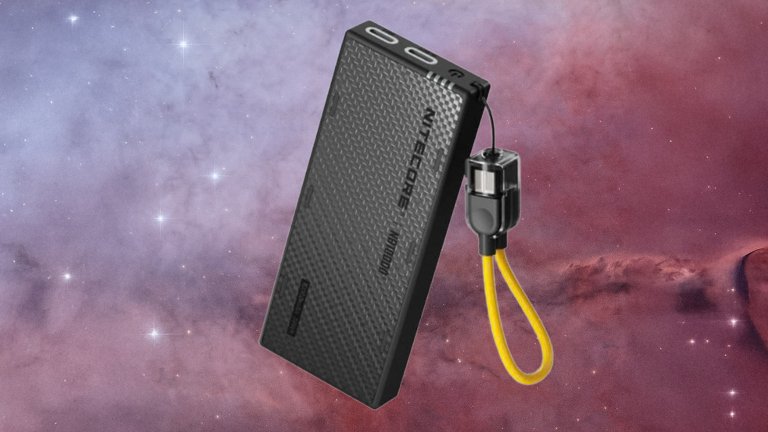
Weighing a mere 5 ounces, the Nitecore NB10000 Gen 4 ($83.95) utilizes a carbon fiber composite shell and silicon-carbon cells to minimize pack weight for long-distance hikers. Featuring an IPX7 water-resistance rating capable of surviving brief submersions, it provides dependable emergency power for trail navigation tools and headlamps without adding undue burden to ultralight backpacking setups.
Best Budget Choice: Anker Zolo Power Bank (10K, 30W)
Priced affordably at $29.99, the Anker Zolo (Model A1688) offers reliable entry-level power distribution. Featuring a built-in USB-C cable and a clean safety record that distinguishes it from recalled budget competitors, it provides a safe and cost-effective daily charging solution for standard consumer electronics.
Regulatory Outlook and Safety Implications
The rapid proliferation of lithium-ion technology has necessitated ongoing oversight from global safety organizations. Industry analysts emphasize that consumer vigilance regarding device maintenance remains paramount. Portable chargers exhibiting physical deformation, swelling, unusual cracking, or excessive heat generation during standard operation must be immediately taken out of service and disposed of according to local electronic waste guidelines.
Furthermore, as commercial aviation authorities continue to evaluate battery safety protocols, travelers should routinely check individual airline policies before departure. By aligning power needs with verified hardware choices, practicing proper thermal management, and respecting strict aviation guidelines, consumers can safely harness the full potential of modern portable power technology.